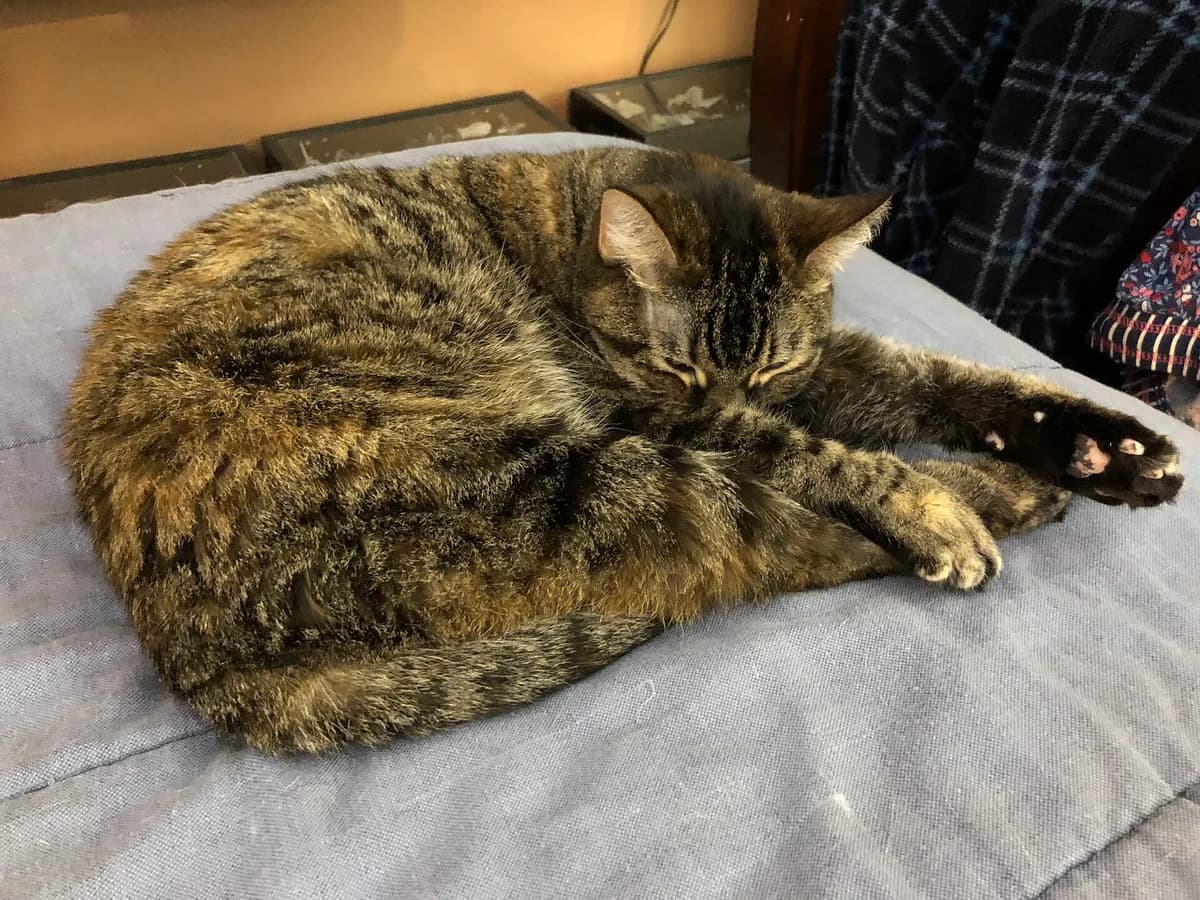

Do Cats Dream? What Science Says About Feline Sleep
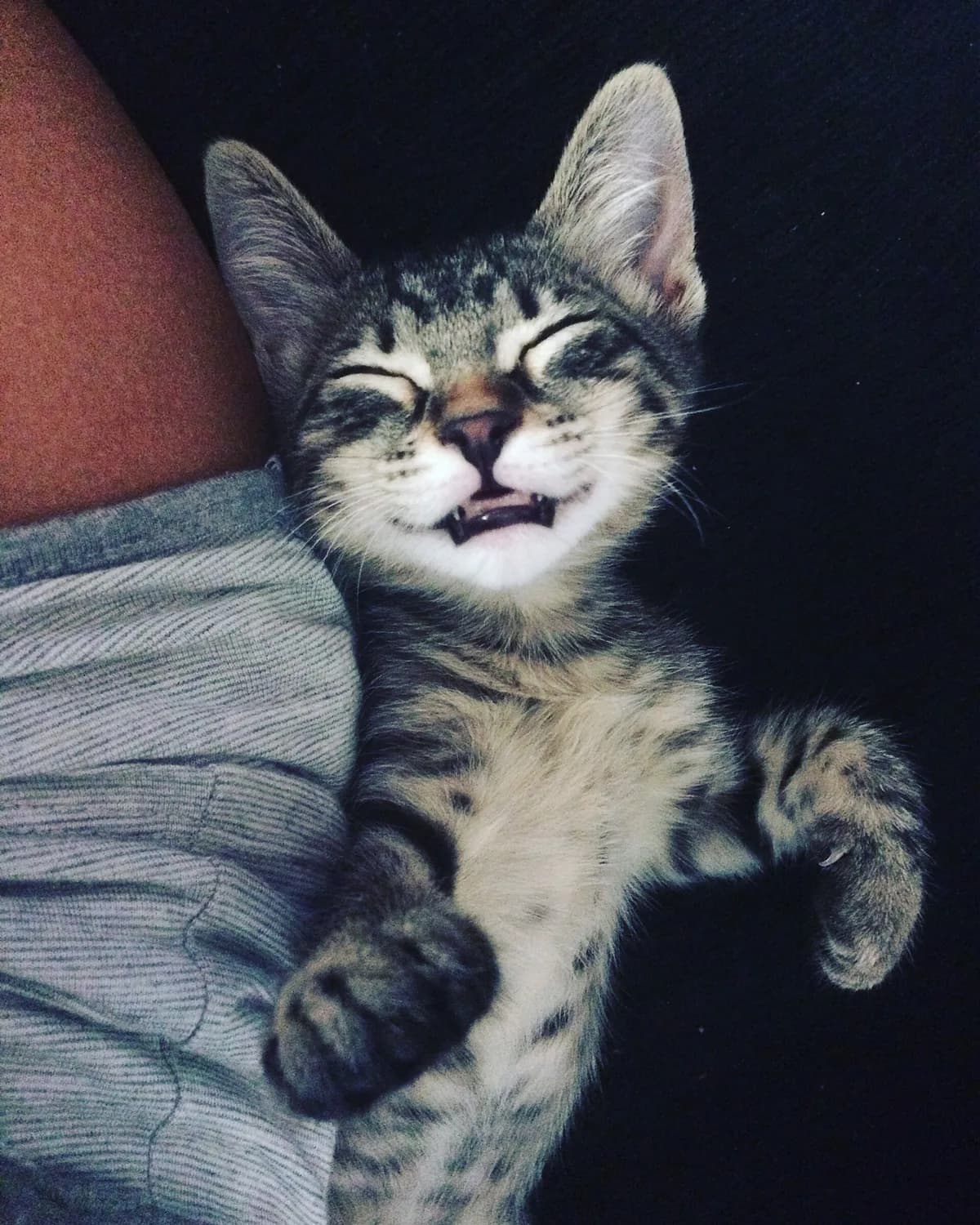
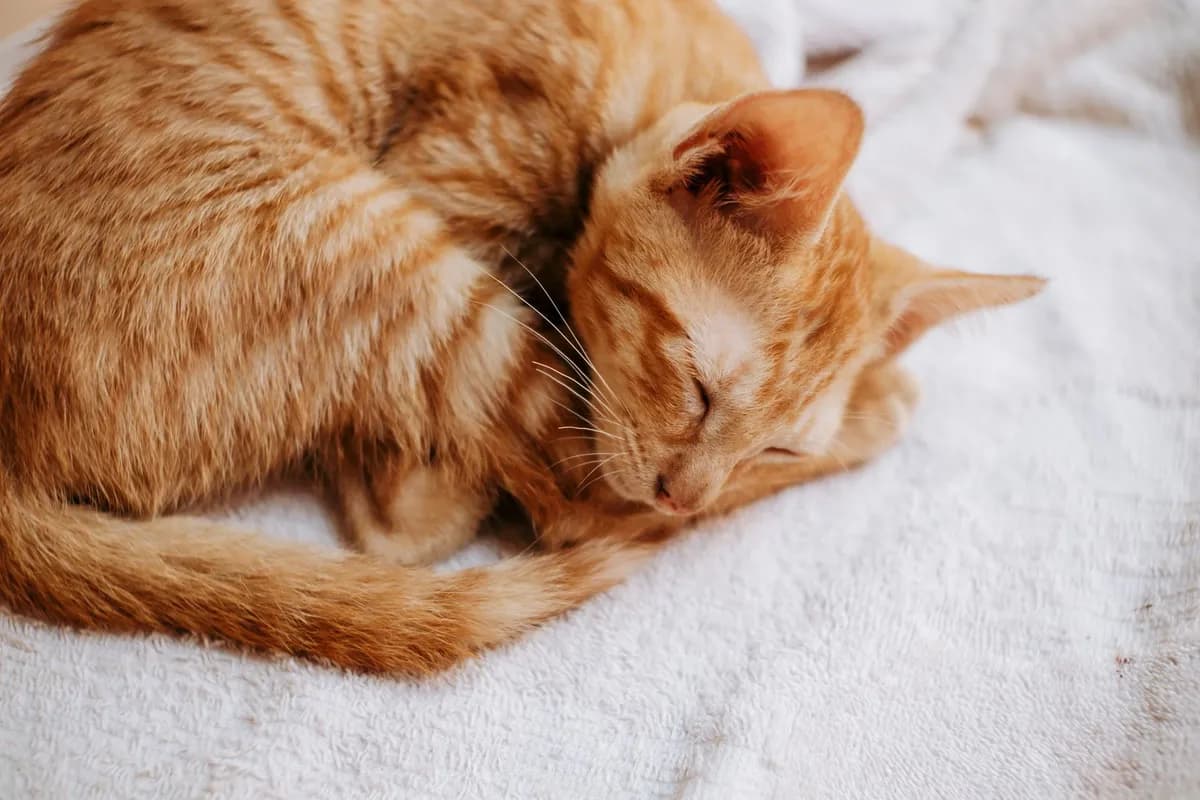
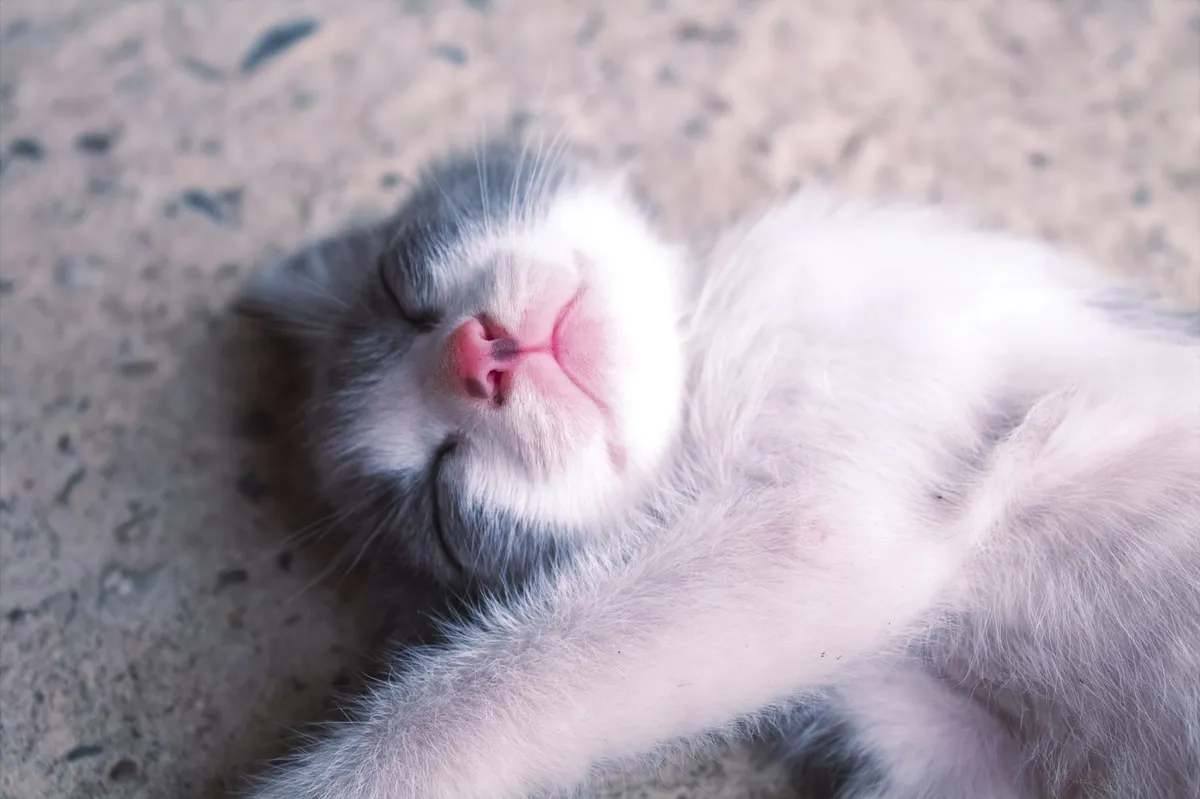
Science says cats really do dream in REM sleep. Learn how to spot the signs — twitching whiskers, paddling paws, and tiny chirps — and why vets say to never wake a dreaming cat.
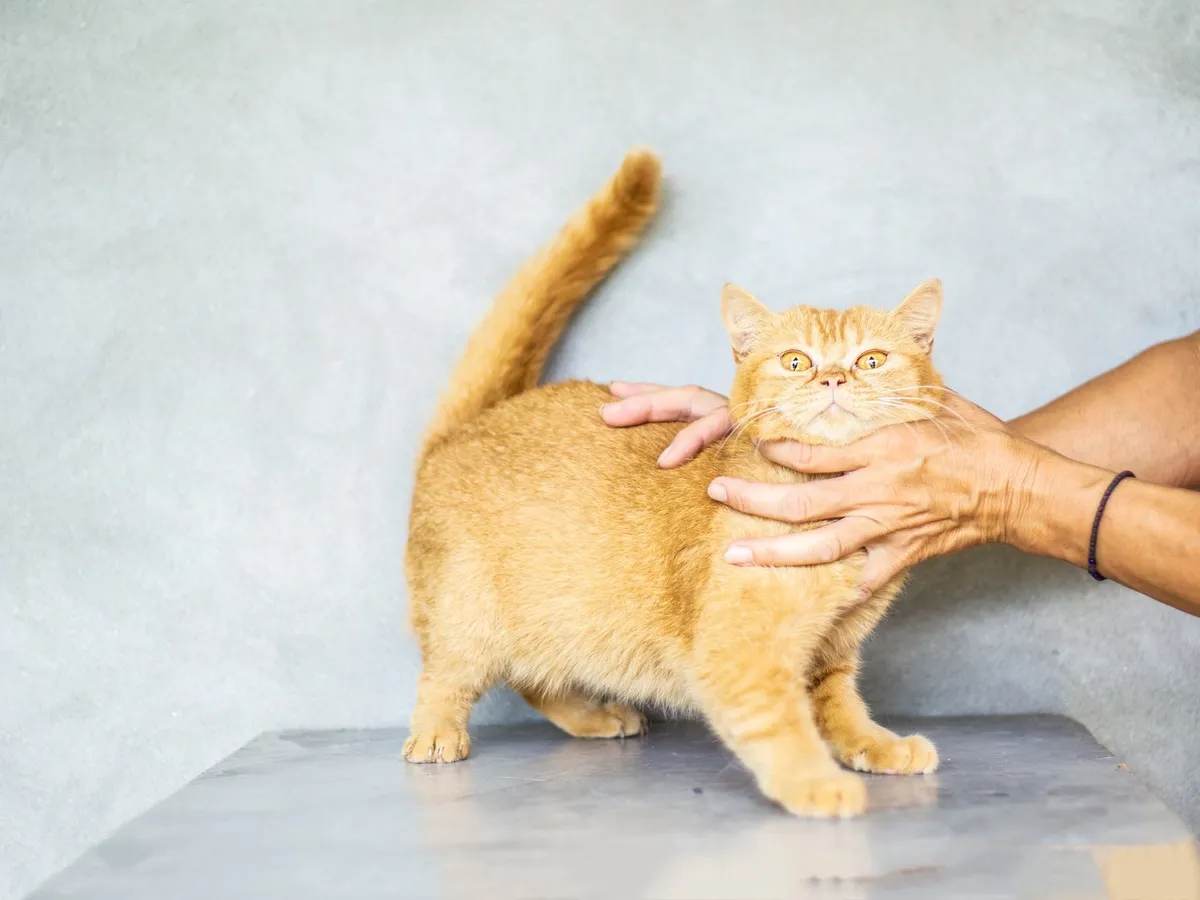
Understand kneading, biting, scratching, vocalizations, and feline body language.

Science says cats really do dream in REM sleep. Learn how to spot the signs — twitching whiskers, paddling paws, and tiny chirps — and why vets say to never wake a dreaming cat.

Learn to decode tail flicks, ear positions, eye shapes, and posture so you can respond to your cat's signals with confidence — and build a deeper, more trusting bond.

Cats don't announce their moods, but their body language and daily routines are full of clues. Learn the reliable signs of a contented cat — and the signals that actually mean stress.

Train your cat to come when called with positive reinforcement, high-value treats, and short practice sessions. Covers naming cues, clicker timing, and safe outdoor recall on a harness.

An evidence-informed, plain-language guide to why cats knead, chatter, scratch, sleep, and bring you gifts, and how to respond without punishment. Learn to read your cat's natural instincts.
Cats bury their poop to hide their scent from predators and prey, but the behavior also communicates status to other cats. Learn what's normal, why some cats skip the ritual, and how litter-box setup helps.

Cats often sleep with a paw or tail over their face—a cozy, natural behavior. This article explains the warmth, security, and sensory-shutdown reasons behind this classic cat posture.

Cats loaf by tucking their paws and keeping their bodies close to the ground, a relaxed yet practical position. Learn what the loaf means, how to read posture, and when to notice a change.

Cats and sunbeams go together like purrs and head rubs, but the real reason is biology, not just comfort. Learn how sunbathing helps cats control their temperature, why vitamin D plays no role, and how to keep sun time safe.

Discover the many meanings behind a cat’s purr, from contentment to self-soothing, and learn how to read context and body language.

Cats arch their backs, puff their tails, and hop sideways like tiny Halloween crabs — but what's really going on? Here's how to read the play-fueled crab walk, the startle flinch, and the pounce fake-out.

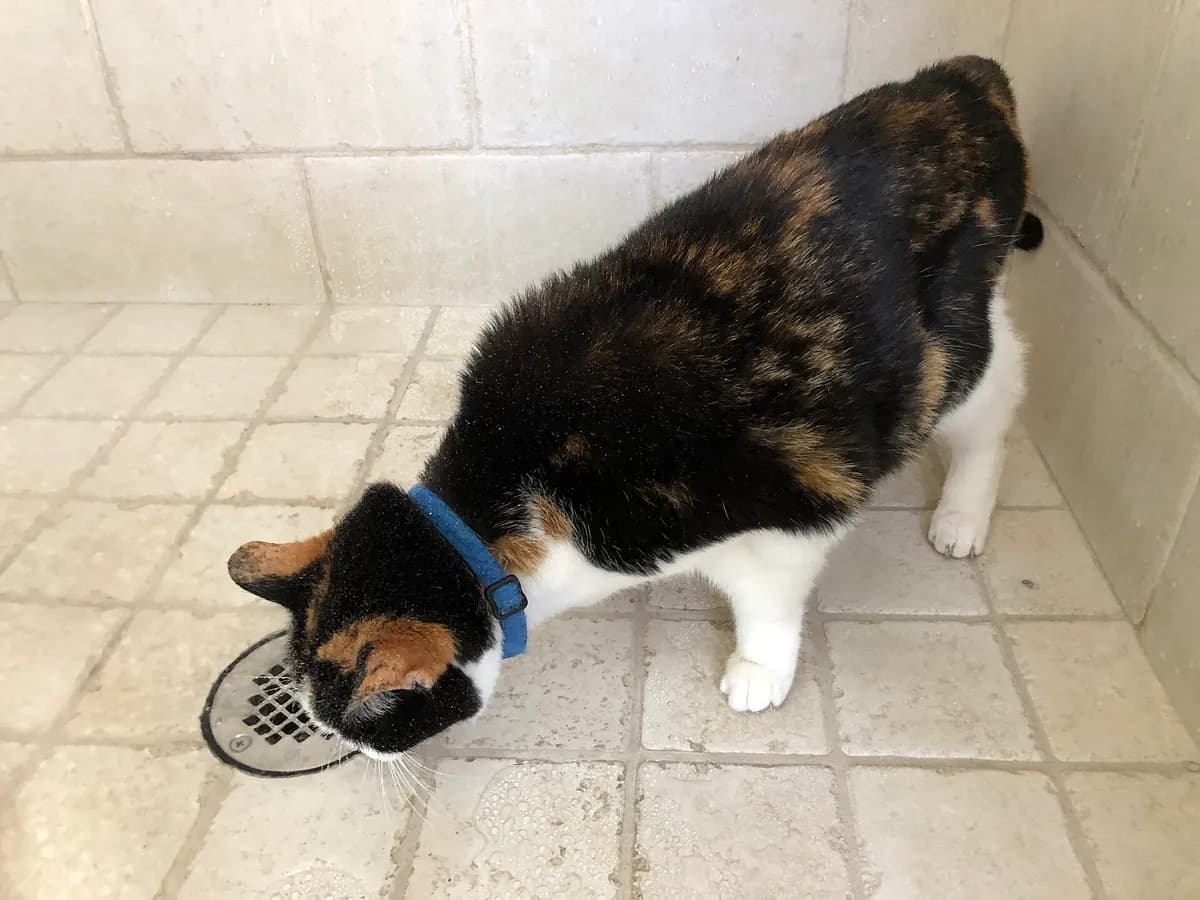
Cats love sinks for the cool porcelain, snug bowl shape, nearby running water, and the attention that comes with bathroom time. This guide explains those instincts and how to enjoy the habit safely.


Cats can snooze with their eyes open thanks to a built-in third eyelid and a talent for light sleep. Here's how the nictitating membrane works, when you'll see it, and why it's nothing to worry about.

Cats stare at walls for many reasons, from hunting instincts to simply being curious. Learn what your cat's behavior might mean and when to see a vet.

When a cat's tail suddenly puffs up, it is usually a sign of fear, startle, or defensive arousal—not a happy greeting. Learn to read the rest of the body so you can respond calmly.

Cats sleep on their humans for warmth, security, bonding, and scent-marking. This article explains the science behind the habit and what it means for your relationship.

Cats read the world through scent, and your breath carries a rich mix of information about you. Here's why your cat sniffs your mouth and what that behavior really means for your bond.

Cats stare for many reasons—curiosity, affection, or even a request. Learn what your cat's gaze means and how to respond safely and warmly.

Curious whether your cat truly knows their name? This article explains what scientific studies reveal about name recognition, why cats sometimes ignore you, and how to teach your cat to respond reliably.

Learn practical, stress-free ways to help a frightened cat feel secure in your home — including setting up a safe room, providing hiding spots, using pheromones, and building a calming daily routine.

Learn why cats bite during play, how to redirect that energy with positive reinforcement, and why punishment makes biting worse.

Learn why cats meow at night and how to shift their routine with play, feeding schedules, and environmental tweaks. Includes a vet-safety note for when nighttime vocalizations signal a health issue.

Cats bringing you dead animals is a normal hunting instinct, not a gross present. Learn why your cat does it, how to respond without punishment, and how to keep everyone safer.

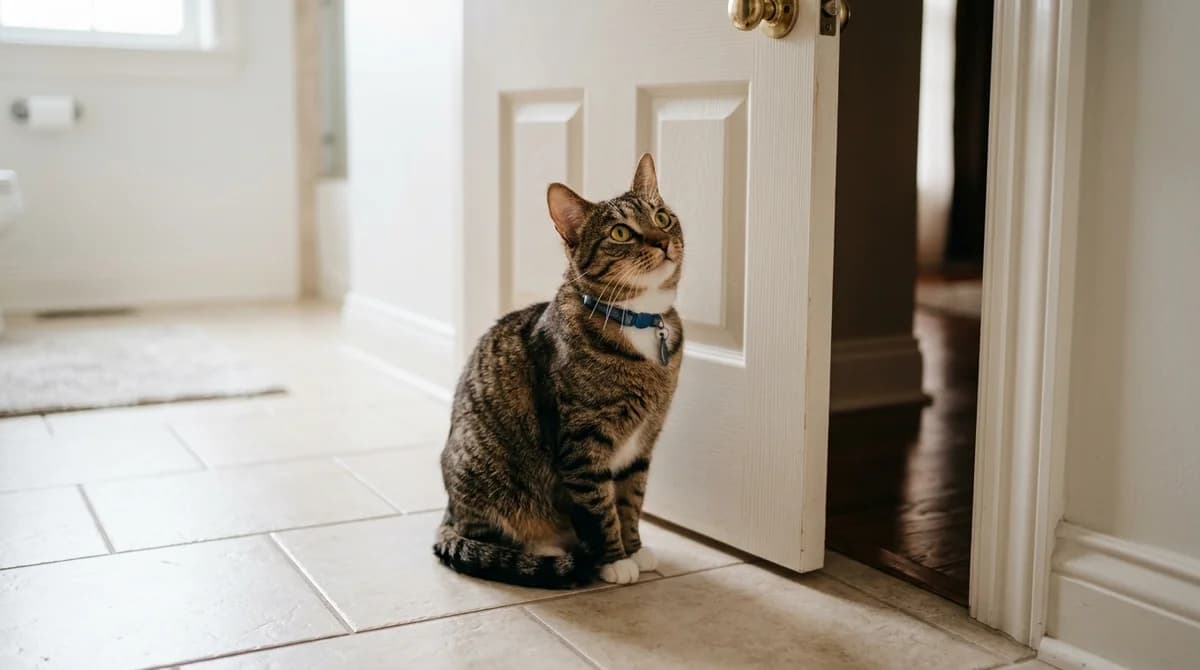
Cats stare, paw, and yowl at closed doors because they are territorial and curious — not punished. Learn why a closed door triggers them and how to calm the door ritual.

Discover what catnip is, how the plant triggers a brief feel-good response in most cats, why genetics leave some cats unimpressed, and how to use it safely for enrichment.

Cats follow their people for reasons that go far beyond the bathroom door. Learn what routine, attention, and security needs drive this clingy behavior and when to give your cat more space.

Cats lick plastic bags, bubble wrap, and shower curtains for a surprising mix of sensory and behavioral reasons. Learn why it happens, when to worry, and how to offer safer alternatives.

Learn which features make a scratching post worth buying — height, stability, texture, and placement — plus how to encourage your cat to use it instead of your sofa.

Step-by-step, evidence-informed guidance for introducing a cat and dog in the same household, from scent swapping to supervised meetings, with clear safety rules.

Carrier dread is one of the most common cat-owner struggles, but it's fixable. This step-by-step guide explains how to turn a scary carrier into a cozy, familiar hangout using gradual conditioning and positive associations.

Cats that scrape the floor and pretend to bury their food are showing a natural instinct passed down from wild ancestors. Here's what's going on and how to respond.

Cats roll on the ground for many reasons, from spreading their scent to cooling off on a warm floor. Learn what your cat's rolls, twists, and wiggles actually mean and when extra attention is needed.

Wonder why your cat picks the foot of the bed every single night? It's about safety, warmth, sightlines, and a feline sense of closeness that's smarter than it looks.

Cats make trills and chirps for several reasons, from friendly greetings to hunting excitement. Learn the difference between these sounds, what they mean, and how to respond to your cat.

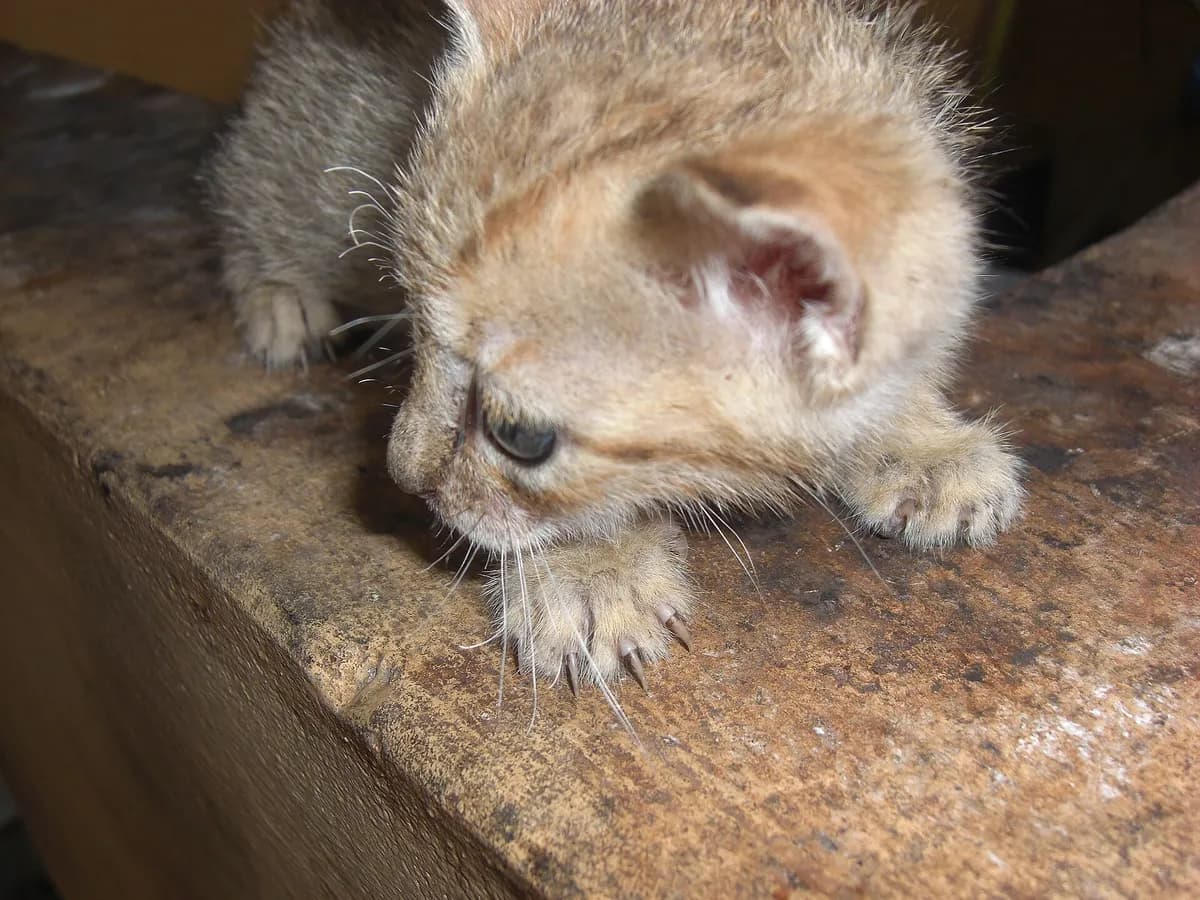
Ever notice your cat's paws, ears, or tail twitching during a nap? Here's what happens inside a sleeping cat's brain, why kittens twitch more than adults, and how to tell normal sleep twitches from something that needs a vet's attention.

Feet ambushes are one of the most common cat behavior complaints. Learn why moving feet look like prey, how to read your cat's body language, and five practical ways to redirect the hunting instinct.

Cats rub against legs to share scent, greet you, and gather information about your day. Learn what this classic behavior really means and how to respond.

Learn whether cats experience loneliness, how to recognize the signs, and practical ways to keep your feline friend content when you're away.

Cat trees offer vertical territory, scratching surfaces, and cozy resting spots. Learn what to look for in terms of stability, materials, and design to match your cat's age, activity level, and climbing style.

Leash training lets indoor cats explore the outdoors safely. This guide covers choosing a harness, step-by-step training, and safety tips for stress-free walks.

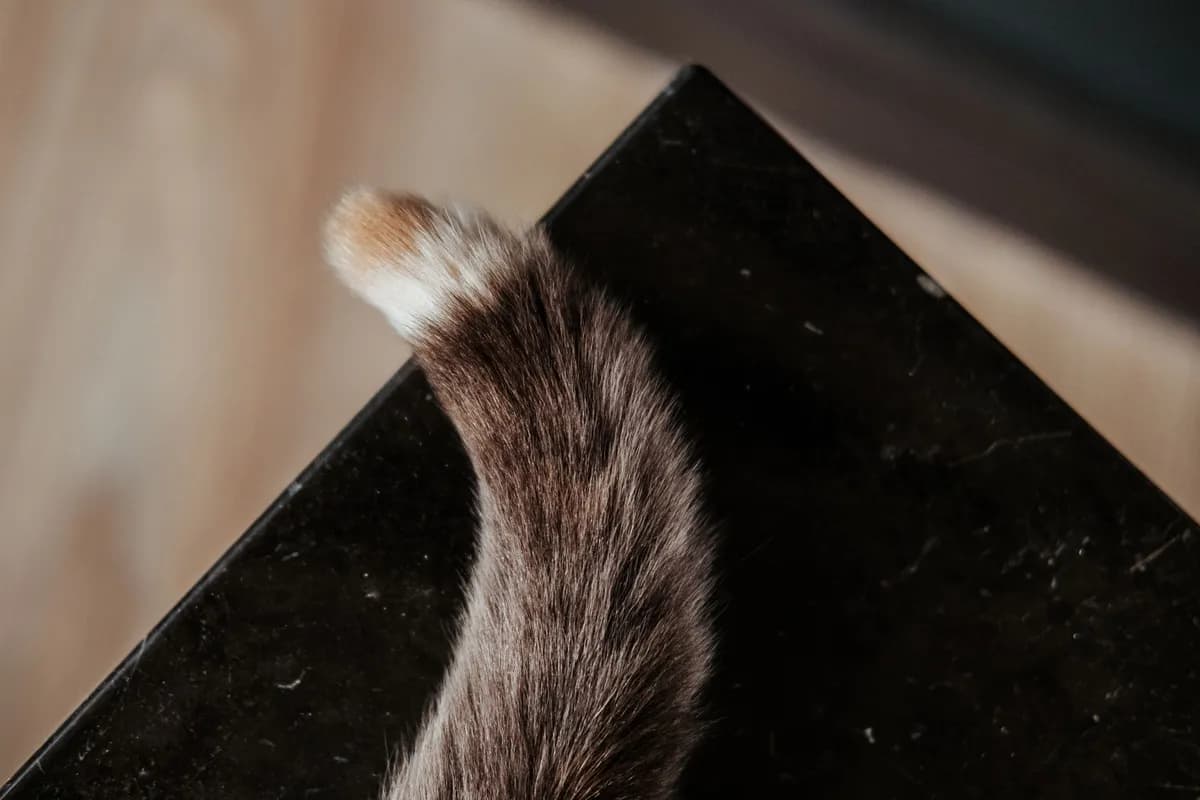
Learn to decode the subtle messages your cat sends through its tail—from the upright greeting to the puffed-up warning—so you can respond with confidence and care.

Cats present their rear ends as a sign of trust and greeting. Learn the science behind this quirky feline behavior and what it means for your bond.

Cats arch their backs for many reasons, from stretching and greeting to fear and play. Learn to read the context and other body signals to understand what your cat is communicating.

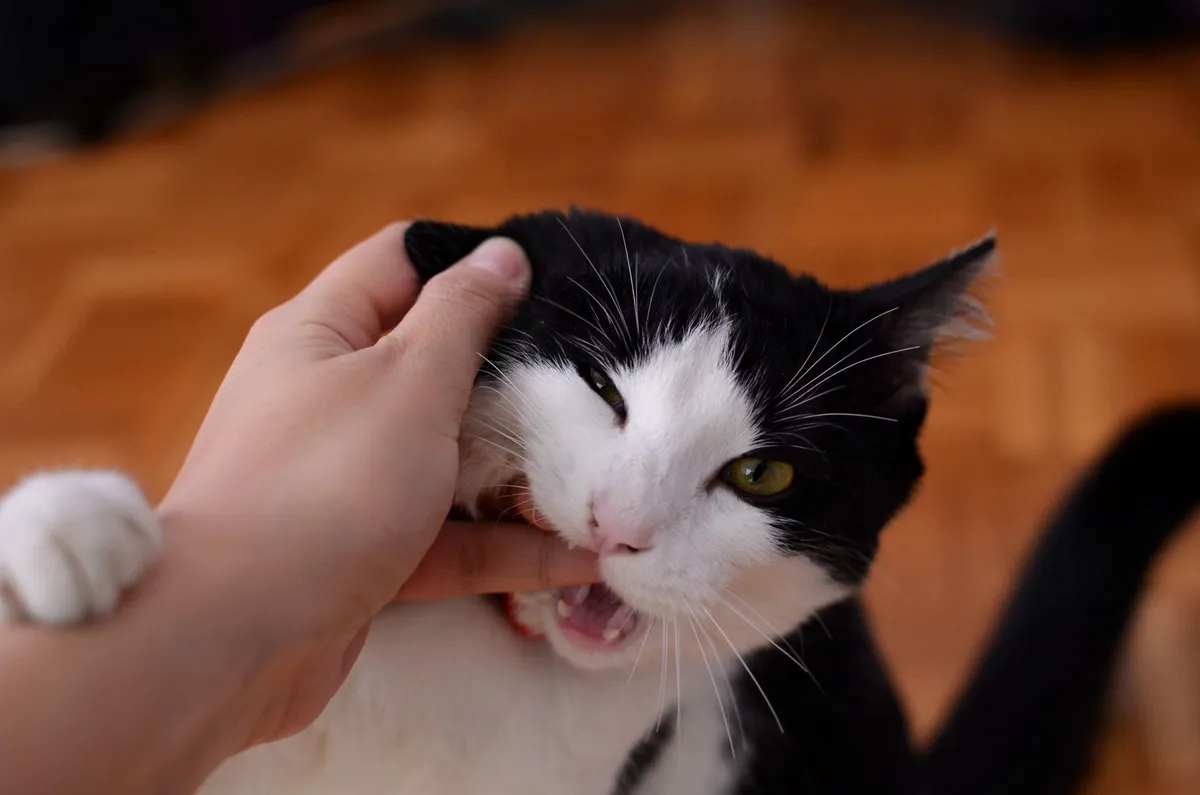
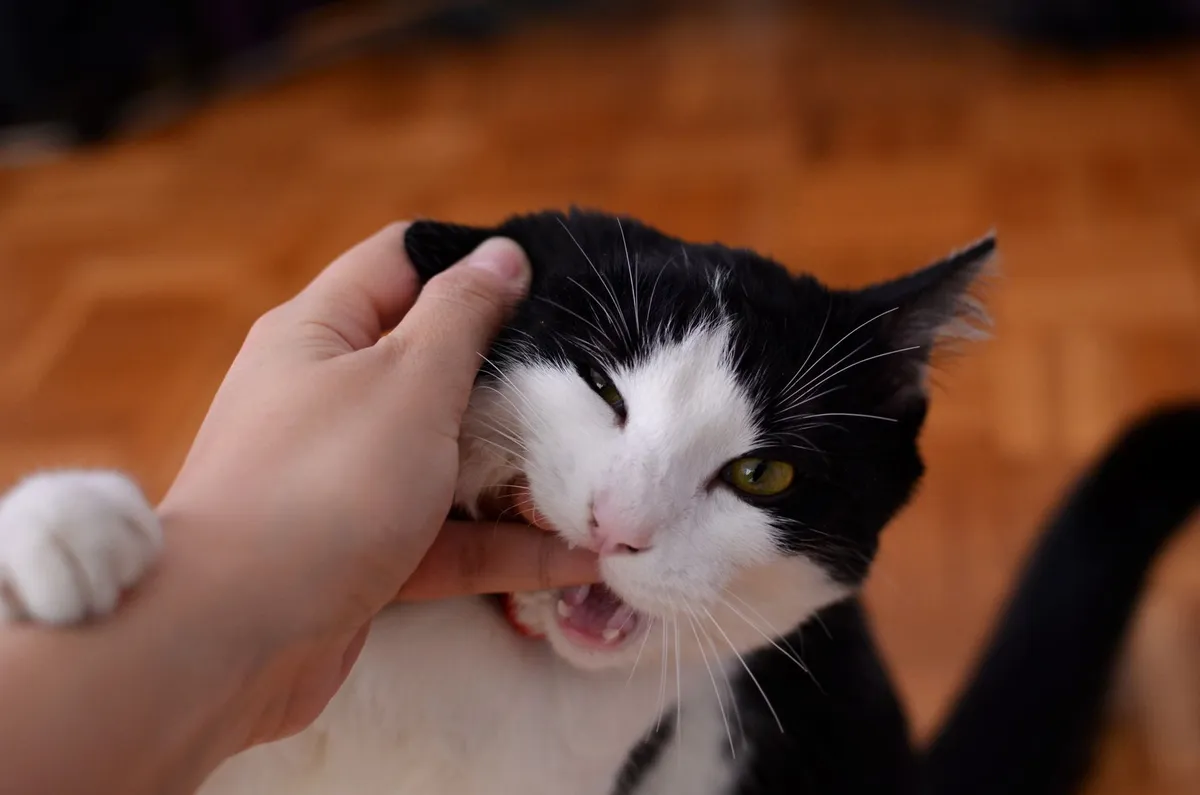
Learn why cats sometimes bite during petting, what triggers this behavior, and how to read your cat's signals to avoid overstimulation and keep interactions positive.

Cats lick their owners for several reasons, including bonding, grooming, marking territory, and even taste. Understanding these behaviors helps you respond appropriately and strengthen your relationship with your feline friend.

Discover the evolutionary and practical reasons cats seek heights, from safety and surveillance to thermoregulation, and learn how to create a vertical paradise that satisfies your cat's climbing instincts.

Cats stretch for many reasons, from waking up muscles to marking territory. Learn the science behind feline stretching and what it means for your cat's health and happiness.

Learn why cats bunny-kick during play, how to read the signals, and safe ways to redirect this natural hunting behavior without getting scratched.

Growling is a cat's way of saying 'back off.' Learn the common reasons cats growl, how to respond safely, and when to check with your vet for underlying issues.

Preparing for a new baby changes your cat's world as much as yours. Learn a step-by-step, safety-first approach to introducing your cat to your newborn, from early scent work to supervised first meetings.

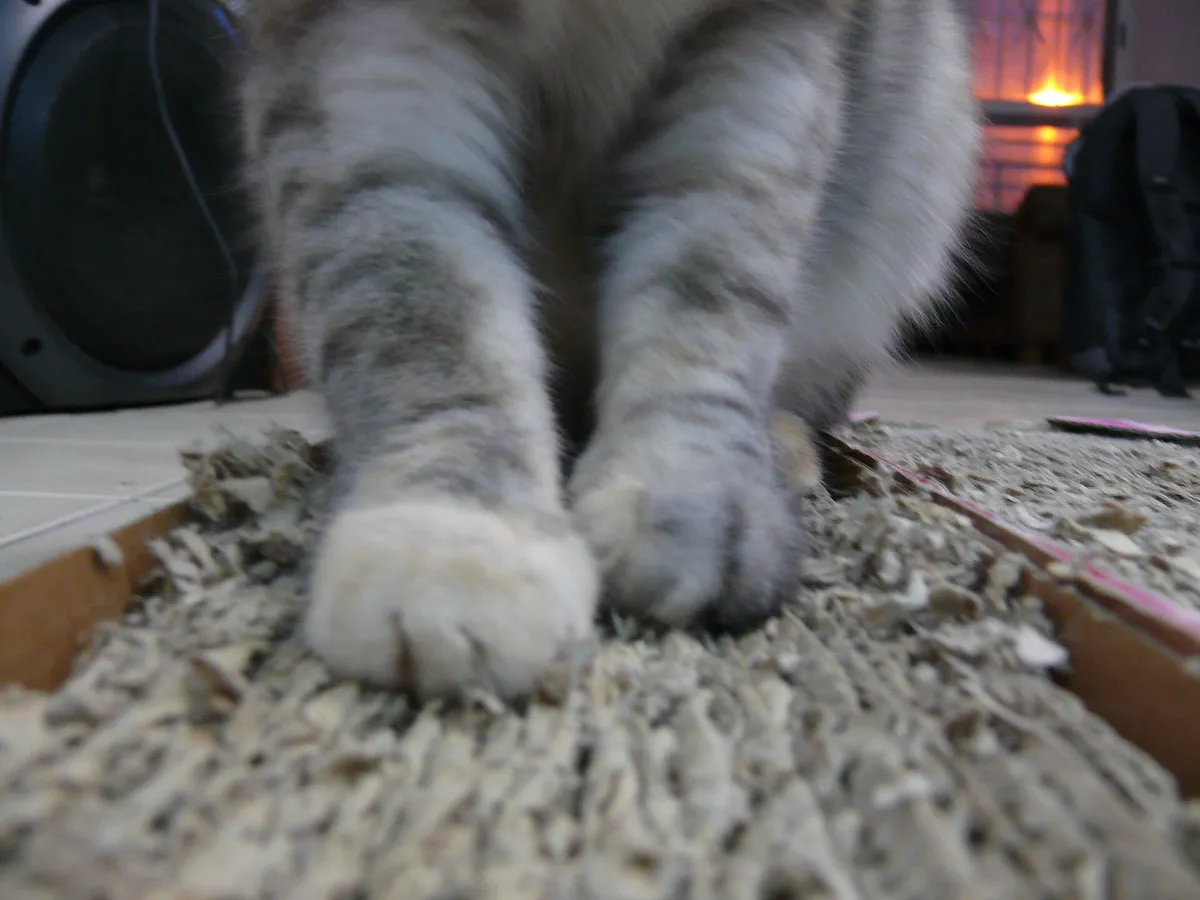
Learn why cats scratch the couch, how to choose a scratching post your cat will actually use, and a practical two-week plan to redirect the habit without punishment or declawing.

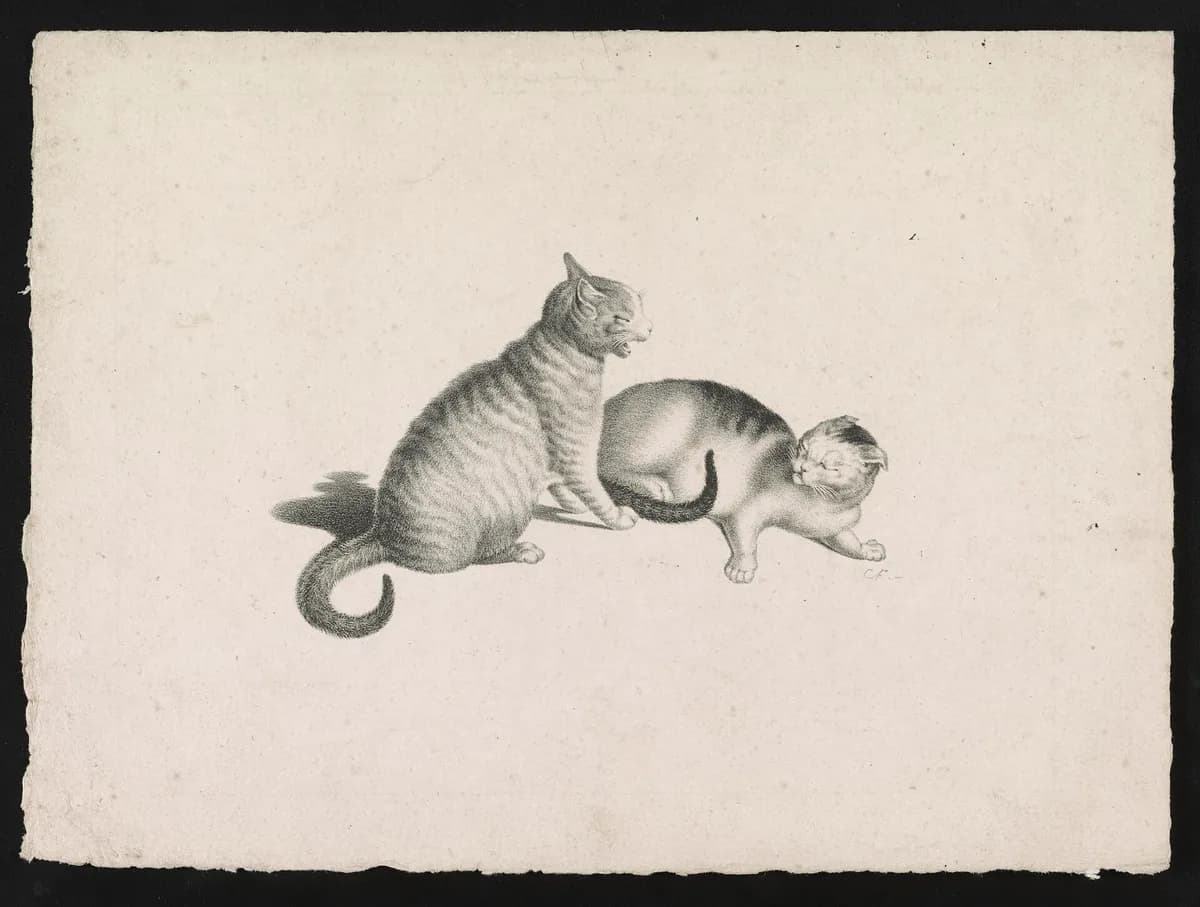
Learn why cats in the same home fight, how to break up a scuffle safely without getting hurt, and a step-by-step reintroduction plan that helps restore peace between your cats.

Cats eat grass for reasons that range from instinct to digestion. Learn what the evidence says about this common habit, whether it is safe, and when grazing can signal a problem.

Zoomies are sudden bursts of frantic energy that are completely normal for cats. Learn why they happen, when they are a concern, and how to help your cat burn that energy safely.

Ever wonder why most cats react to water like it's a personal insult? Explore the evolutionary, sensory, and coat-related reasons behind feline water aversion — and meet the cats who actually love it.

Hissing is a cat's way of saying "give me space," not a sign of a mean or angry cat. Learn why cats hiss, how to read the body language that comes with it, and the safest ways to respond.

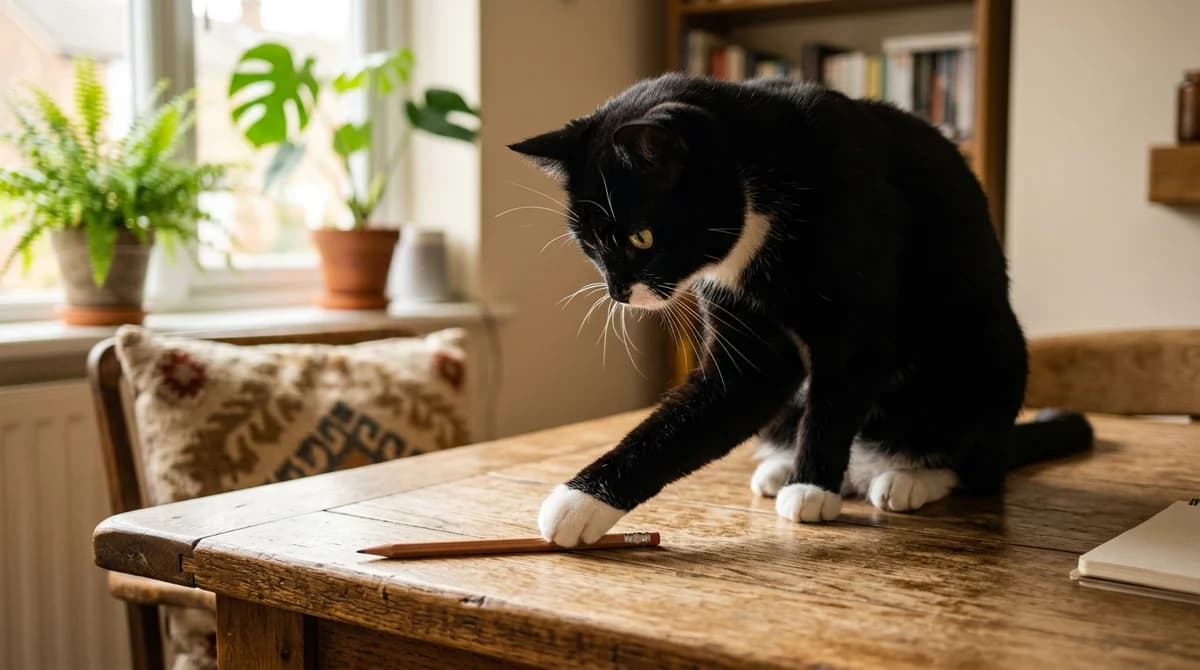
Understand why cats bat objects off tables and counters — and what you can do about it. This behavior guide explains the natural instincts behind the game and offers practical, cat-friendly ways to redirect it safely.

Cats meow to communicate—for food, attention, stress, or because something hurts. Learn how to decode your cat's meows, when to worry, and how to respond without rewarding the noise.

Cats wake owners at night for reasons rooted in their natural sleep-wake cycle, hunger, or learned habits. Learn gentle, evidence-informed ways to help your cat settle and let you sleep.

Cats appear to nap the day away, but their sleepy reputation is backed by real biology. Discover why felines sleep so long, how their sleep differs from ours, and when extra sleep could point to a health issue.

Understand the behavioral reasons why cats bite during petting, play, or affection. Learn how to recognize warning body language.

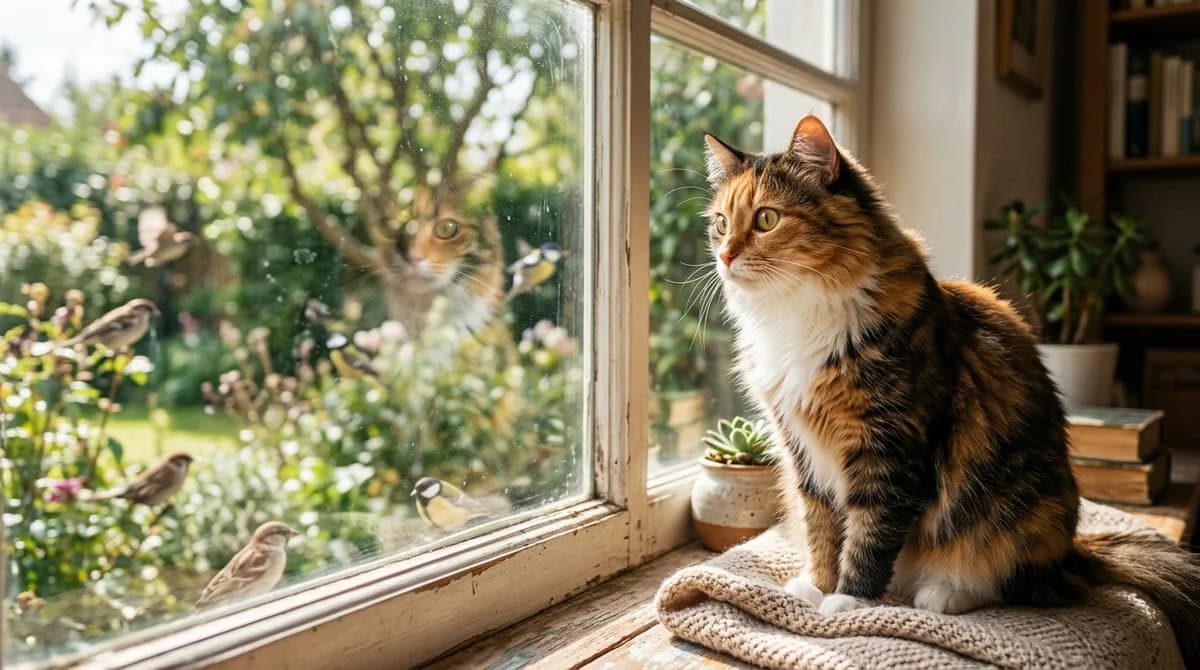
Explore the fascinating predatory chattering, chirping, and jaw clicks cats make when observing prey through windows.

Understand why cats accompany you into private spaces, focusing on territorial boundaries, routine predictability, and social attachment.

Learn why cats nudge their heads against your face, hands, or legs, and how scent marking fosters social unity in feline colonies.

Uncover why cats love swatting objects off counters and tables, from predatory curiosity to learned human attention seeking.

Discover why cats scratch couches and rugs. Learn how to choose the right scratching post materials and protect your furniture.

Explore the surprising physical and behavioral reasons why cats love sitting on keyboards and laptops.

Discover the scientific meaning behind feline slow blinks, how cats communicate trust, and step-by-step instructions to slow blink back.

Learn why cats push their paws rhythmically into blankets, laps, and soft pillows, and what it reveals about comfort and affection.

Care guide: Why Do Cats Sleep in Cardboard Boxes?

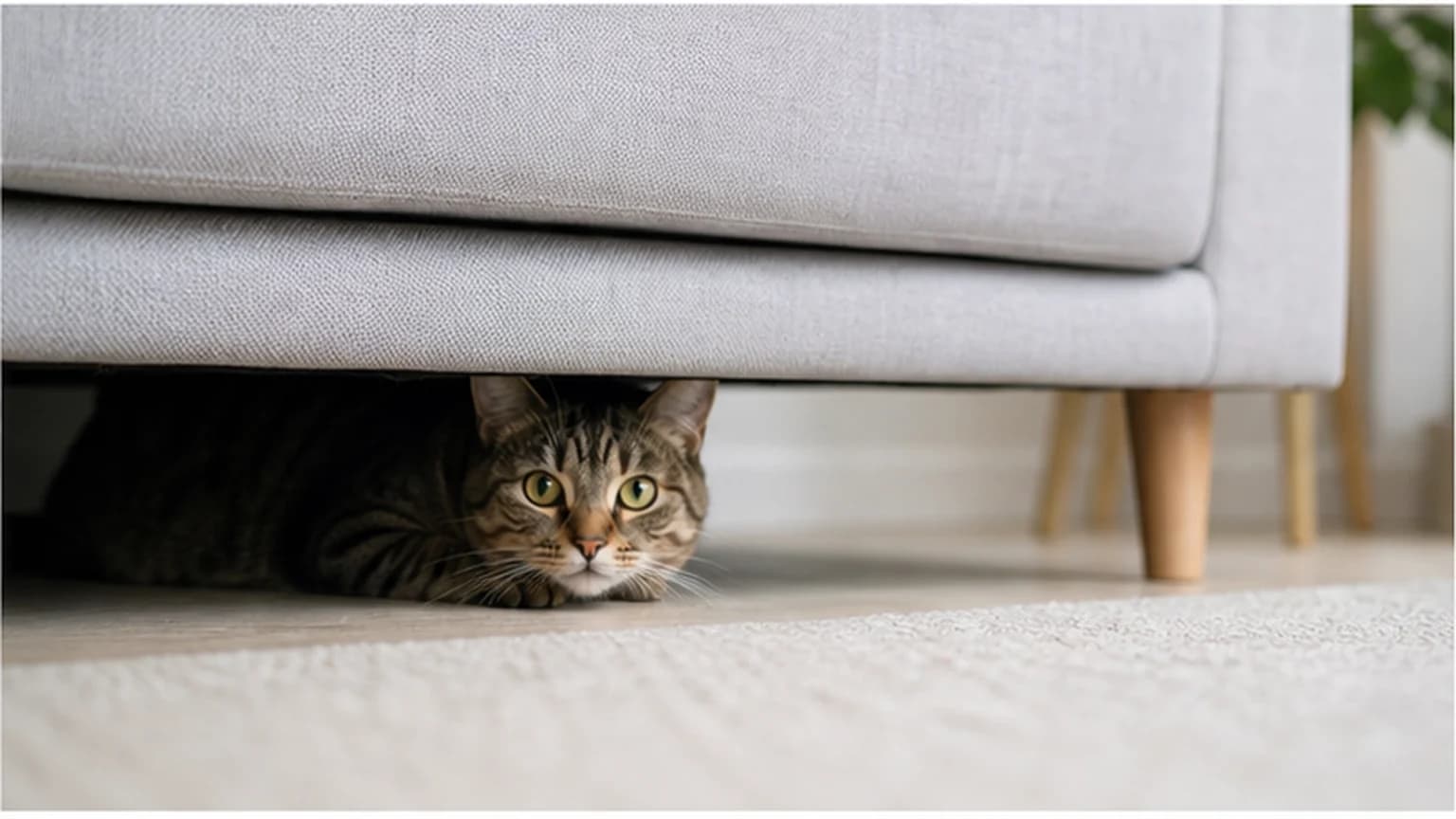
Care guide: Why Is My Cat Hiding More Than Usual?