The short answer
Cats love high places because it's hardwired into their DNA. As both predators and prey, cats evolved to seek elevation for safety, surveillance, and a sense of control over their environment. Climbing also provides physical exercise, mental stimulation, and a cozy spot for a nap. In a home, vertical territory helps cats feel secure and reduces stress, making high perches essential for a happy, well-adjusted feline.
The evolutionary roots of climbing
To understand why your cat scales the bookshelf, you have to look back at their wild ancestors. The African wildcat (Felis lybica), from which domestic cats descend, lived in rocky, arid landscapes where climbing was a survival skill. Trees and rock ledges offered refuge from larger predators like jackals and birds of prey. Even today, cats retain this instinct: they instinctively seek higher ground when they feel threatened, because it gives them a vantage point to spot danger and a quick escape route.
But cats are also ambush predators. From a high perch, they can survey their territory, spot prey (or a toy mouse), and plan a pounce. This dual role—hunter and hunted—makes elevation a strategic asset. In the wild, a cat that could climb well was more likely to survive, and that trait was passed down through generations.
How high places serve cats today
Even though your indoor cat doesn't need to hunt for dinner or flee from coyotes, their instincts remain. High places fulfill several key needs:
- Safety and security: Being up high makes cats feel protected. It's a place where they can observe without being observed, and where they can retreat if they feel overwhelmed. This is especially important in multi-pet households or homes with young children.
- Territorial observation: Cats are territorial animals. From a high perch, they can monitor their domain—whether that's your living room or the neighborhood through a window. This helps them feel in control and reduces anxiety.
- Thermoregulation: Warm air rises, so higher spots are often warmer. Cats love warmth, and a sunny windowsill or a top shelf near a heat vent can be irresistible. In cooler months, a high perch can be a cozy retreat.
- Exercise and mental stimulation: Climbing works muscles, improves balance, and provides mental challenges. It's a natural way for cats to burn energy and satisfy their curiosity.
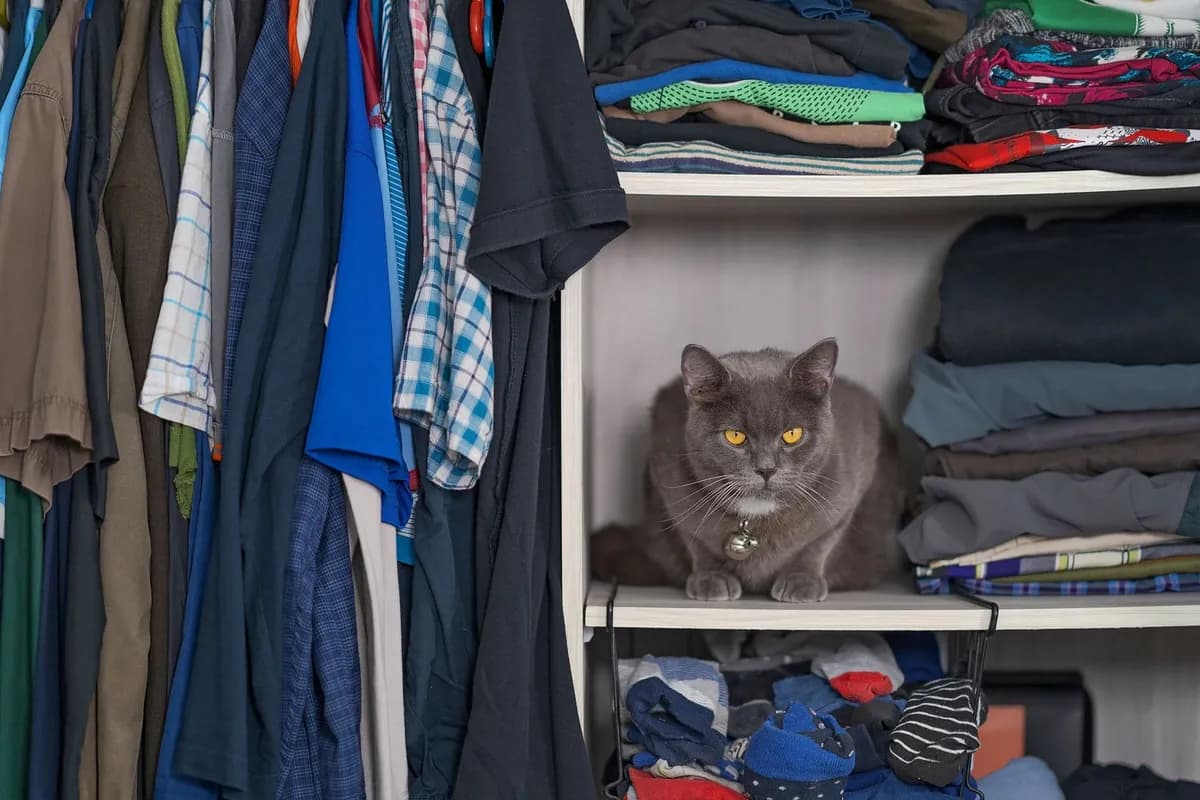
- A safe sleep spot: In the wild, cats sleep in trees to avoid predators. Your cat might simply prefer a high shelf for a peaceful nap, away from foot traffic and other disturbances.
The indoor cat's vertical territory
In a typical home, cats have horizontal space—floors, sofas, and beds—but often very little vertical space. This can lead to boredom, stress, and even behavioral issues like inappropriate scratching or aggression. Providing vertical territory is one of the best ways to enrich your cat's environment and prevent problems.
Vertical territory doesn't just mean a cat tree. It can include shelves, window perches, stable cabinets, and even wall-mounted climbing systems. The idea is to give your cat multiple levels to explore, from low to high, so they can choose where they feel most comfortable.
Cats also use vertical space to establish social hierarchies. In multi-cat households, a higher perch can be a status symbol. A cat that feels subordinate may choose a lower perch, while the dominant cat claims the top. By offering multiple levels, you give each cat a chance to find their own space, reducing conflict.
How to satisfy your cat's climbing instinct
To keep your cat happy and safe, you need to provide appropriate outlets for climbing. Here are some practical tips:
- Invest in a sturdy cat tree: Look for one with a wide base, multiple platforms, and tall posts. Make sure it's stable and won't tip over when your cat jumps. Place it near a window for added interest.
- Install cat shelves: Wall-mounted shelves allow your cat to traverse the room at different heights. They can be arranged in a zigzag pattern to create a 'cat superhighway.' Ensure they're securely mounted to wall studs.
- Create window perches: A padded perch that attaches to the windowsill gives your cat a sunny spot to watch birds and people. Make sure it's rated for your cat's weight and properly secured.
- Use existing furniture safely: Tall bookshelves and cabinets can be climbing spots, but only if they're stable and free of hazards. Secure them to the wall if there's any risk of tipping. Remove breakable items.
- Provide scratching posts: Climbing often goes hand-in-hand with scratching. A tall scratching post (at least 3 feet) allows your cat to stretch and scratch while climbing.
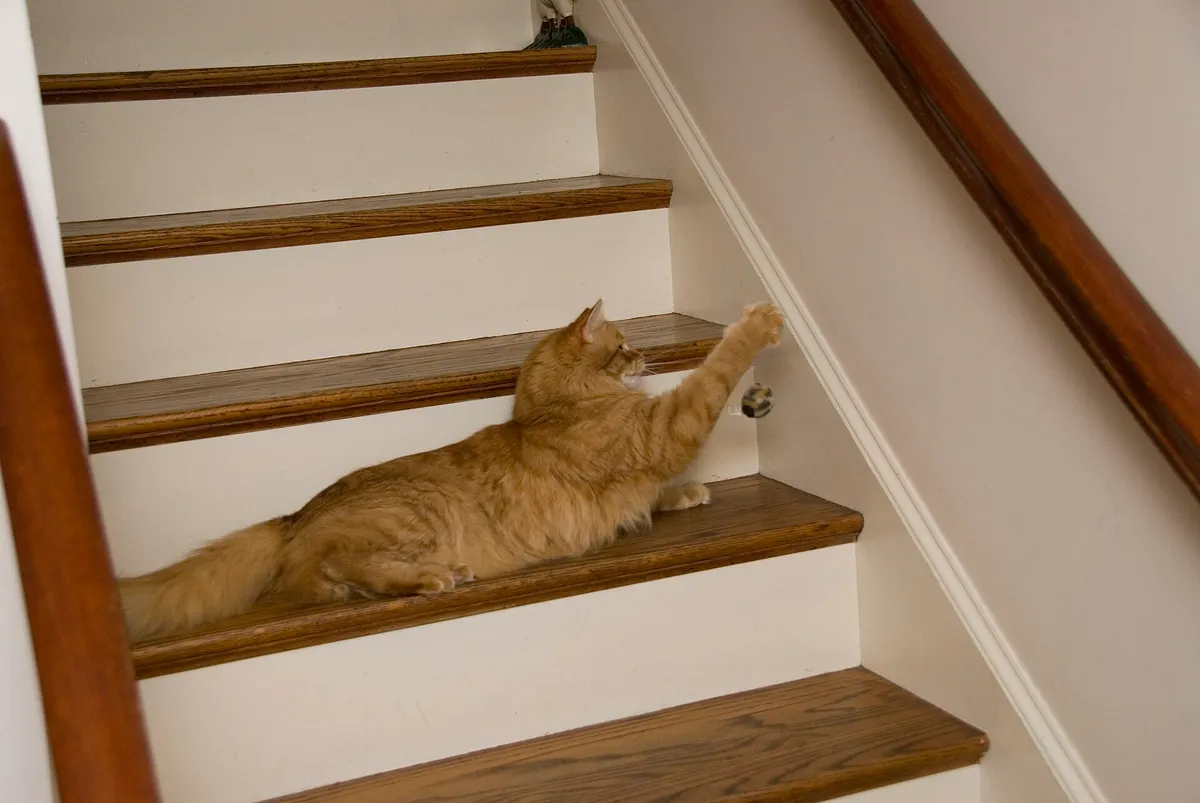
- Offer interactive play: Use wand toys to encourage your cat to jump and climb. This satisfies their hunting instinct and gives them exercise.
Always prioritize safety when setting up climbing areas. Cat trees and shelves must be stable and securely anchored to prevent falls. Check for loose parts, sharp edges, or gaps where a paw could get trapped. Never place climbing structures near hot surfaces, open windows, or areas with electrical cords. If you have a senior cat or a kitten, choose lower platforms with easy access ramps to prevent injury.
What to look for in climbing structures
When selecting climbing furniture, consider your cat's age, size, and mobility. Kittens are agile but can be clumsy; seniors may have arthritis. The table below outlines common options and their benefits:
| Climbing Option | Benefits | Considerations |
|---|---|---|
| Cat tree | Multi-level, provides scratching surfaces, often includes perches and hiding spots | Requires floor space; must be sturdy and tall enough |
| Wall shelves | Saves floor space, allows vertical exploration, customizable | Requires installation; need to find wall studs |
| Window perch | Offers sunny spot and outdoor views | Must be weight-rated; may block window access |
| Cat bridge/tunnel | Adds fun and variety, connects high spots | Needs secure mounting; may not suit all cats |
| Existing furniture | No cost, uses what you have | Risk of tipping; may have unsafe gaps or items |
Choose based on your cat's personality. Some cats love to be high up, while others prefer lower, cozy hideaways. Observe your cat's habits and provide options that match their comfort level.
Frequently Asked Questions
Why does my cat climb on me?
Climbing on you is often a sign of affection and a desire to be close. Your cat may also be seeking a higher vantage point or trying to get your attention. If it becomes annoying, redirect them to a cat tree or perch.
Is it dangerous for my cat to climb high things?
Not if the structures are safe and stable. Falls can cause injuries, especially in older cats. Always secure climbing furniture and avoid placing items near hazards. If your cat is a climber, ensure they have safe routes up and down.
Why does my cat climb curtains and screen doors?
This is often due to boredom or a lack of appropriate climbing surfaces. Provide alternatives like a tall cat tree or shelves. Also, make sure your cat gets enough play and enrichment. Use deterrents like double-sided tape on curtains if needed.
How can I keep my cat from jumping on kitchen counters?
Counters are appealing because they're high and often have food. To discourage this, provide a high perch nearby, like a cat tree or window seat, and make the counter less inviting (e.g., place aluminum foil temporarily). Never punish; instead, reward your cat for using appropriate perches.
Do all cats like high places?
Not necessarily. Some cats, especially those with physical limitations or timid personalities, prefer ground level. Respect your cat's preference and provide both vertical and horizontal spaces. The goal is to offer choices, not force climbing.
Key Takeaway
Cats love high places because it's an instinctive need for safety, observation, and comfort. By understanding this behavior and providing safe, accessible vertical spaces, you can enhance your cat's well-being and strengthen your bond. A happy cat is one that can express its natural behaviors—so let them climb!
Share this guide
Help another cat parent find it.