The short answer
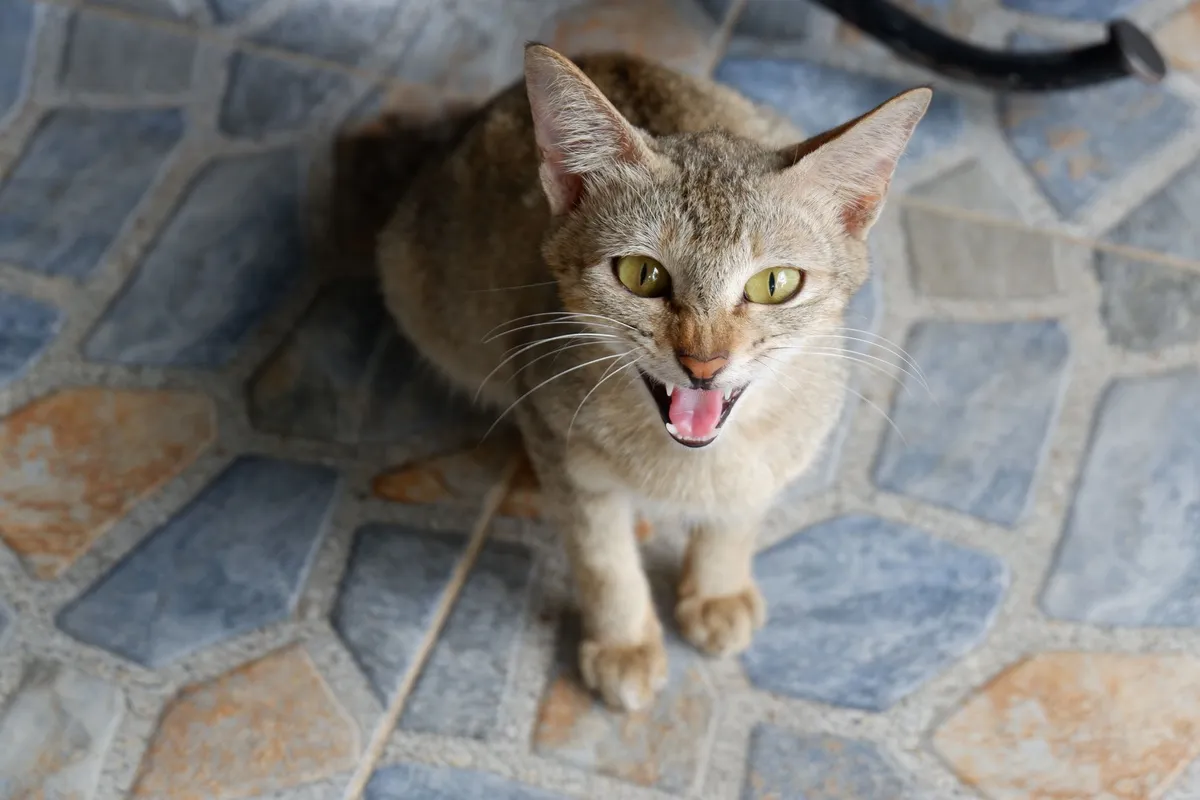
Cats growl as a warning. It's a low, rumbling vocalization that says, "I feel threatened, uncomfortable, or annoyed—please give me space." Growling is not a sign of spite or revenge; it's a natural communication tool that helps your cat avoid a fight. When you hear that sound, your cat is telling you that something in their environment is pushing them past their comfort zone.
Understanding why your cat growls is the first step toward addressing the underlying cause and keeping both of you safe. This guide explains the most common triggers, how to respond, and when a growl might signal a bigger problem.
What Does Growling Mean in Cat Language?
Cats use a combination of vocalizations, body posture, and facial expressions to communicate. Growling is one of the more serious sounds in their repertoire. Unlike a meow or a chirp, a growl is almost always a sign of distress or agitation.
Think of a growl as a verbal fence. Your cat is saying, "I don't want to fight, but I will if I have to." When warnings aren't enough and fights break out, our guide to stopping cats from fighting can help. It's a defensive warning, not an offensive threat. In most cases, a growl is accompanied by other body language cues like flattened ears, a puffed tail, or a tense, crouched posture. If you see those signs along with the growl, your cat is clearly asking for distance.
Growling can be directed at people, other animals, or even objects. It can happen during play, but that's rare—most cats don't growl during play unless they're feeling overstimulated or scared. More often, growling is a response to a specific trigger that makes the cat feel vulnerable or trapped.
Common Reasons Cats Growl
1. Fear and Self-Defense
The most common reason a cat growls is fear. When a cat feels cornered or unable to escape, they may growl to warn a perceived threat to back away. This can happen during a vet visit, when a stranger approaches, or when another animal gets too close. The growl is a last-ditch effort to avoid a physical confrontation.
2. Pain or Discomfort
Cats are masters at hiding pain, but a growl can be a clue that something hurts. If your cat growls when you touch a specific area, or if the growling seems to come out of nowhere, they might be in pain. Dental issues, arthritis, or an injury can all cause a cat to growl when they're handled or even when they move. If you notice a sudden increase in growling, especially in an older cat, a veterinary checkup is wise.
3. Resource Guarding
Some cats growl when they feel their food, treats, toys, or favorite resting spots are threatened. This is called resource guarding. A cat might growl if another pet approaches their bowl, or if you reach for their toy while they're playing. This behavior is rooted in a survival instinct—the cat wants to protect what they consider essential for their well-being.
4. Overstimulation
Petting-induced aggression is a classic scenario. A cat might enjoy being petted for a few minutes, then suddenly growl and swat when they've had enough. This is not a sign that your cat is "moody"—it's simply that their tolerance threshold has been reached. Growling here is a polite way of saying, "Please stop."
5. Territorial Defense
Cats are territorial animals. If a new cat moves into the neighborhood or a stray appears at the window, your indoor cat might growl as a way to assert their territory. This growling is often accompanied by staring, tail flicking, or even hissing. It's your cat's way of saying, "This is my space."
6. Redirected Aggression
Sometimes a cat gets upset by something they can't reach—like a cat outside the window—and then growls at the nearest person or pet. This is called redirected aggression. The cat is still in an aroused state and needs an outlet for their frustration. The growl is aimed at whoever happens to be nearby, even if that person did nothing wrong.
How to Respond When Your Cat Growls
The most important thing to remember is: never punish a growling cat. Punishment only increases fear and aggression, and it damages the trust between you and your cat. Instead, follow these steps:
- Stop what you're doing. If you're petting, stop. If you're reaching for the cat, pull back. Give the cat immediate space.
- Remove the trigger if possible. If another animal is causing the growl, separate them. If a loud noise is stressing your cat, move them to a quiet room.
- Let your cat retreat. Ensure your cat has an escape route. Never block a growling cat's path—that can escalate the situation to a bite.
- Observe for patterns. Note when and where the growling happens. Is it always near the food bowl? When you pick them up? When a certain person visits? Identifying the trigger helps you address the root cause.
- Consult a professional. If growling is frequent or escalating, consider working with a certified feline behaviorist or your veterinarian to develop a behavior modification plan.
Never scold, hit, or physically discipline a growling cat. Doing so can trigger a defensive bite and worsen the behavior. If your cat is growling and you need to move them, use a blanket or towel to protect yourself, and avoid direct eye contact. Always prioritize your safety and your cat's comfort.
When to Worry About Growling
Occasional growling is a normal part of cat communication. But if you notice any of the following, it's time to check with your vet:
- Sudden onset of growling in a cat that was previously calm
- Growling when touched or handled, especially in a specific spot
- Growling accompanied by other signs like hiding, loss of appetite, or litter box avoidance
- Growling that seems aimed at nothing—your cat might be reacting to a scent or sound you can't perceive
These signs could indicate an underlying medical issue, such as pain, hyperthyroidism, or a neurological problem. A veterinary exam can rule out physical causes before you assume it's purely behavioral.
Common Growling Scenarios and What They Mean
| Scenario | Likely Meaning | What to Do |
|---|---|---|
| Growling when another pet approaches their food bowl | Resource guarding | Feed pets in separate areas, and never reach into a bowl while the cat is eating |
| Growling while being petted | Overstimulation | Stop petting, let the cat walk away, and respect their boundaries |
| Growling at a new person in the home | Fear or territoriality | Give the cat a safe hiding spot and let them approach the stranger on their own terms |
| Growling at a window when a stray cat is outside | Territorial defense | Close the blinds or move the cat to another room to reduce the trigger |
| Growling when picked up | Pain or discomfort | Put the cat down immediately and schedule a vet visit to rule out injury |
| Growling during play with another cat | Play can sometimes escalate | If it's just a brief growl, monitor. If it becomes constant or aggressive, separate them |
Frequently Asked Questions
Why does my cat growl at me for no reason?
Cats don't growl without a reason. There's always a trigger—it might be a sound you can't hear, a scent from another animal, or a memory of a past negative experience. If your cat seems to growl "out of nowhere," look for subtle cues like a flicking tail, dilated pupils, or a tense body. Sometimes pain is the hidden cause, so if the behavior is new, a vet check is a good idea.
Is growling always a sign of aggression?
No. Growling is a warning, not an attack. It's a cat's way of saying they want to avoid a fight. Most cats growl before they ever hiss, swat, or bite. If you respect the warning, you can prevent the aggression from escalating.
Can I train my cat to stop growling?
You can't train away an emotion. Growling is a natural response to stress. Instead of trying to stop the growl, focus on reducing the stress. Identify the trigger, modify the environment, and use positive reinforcement to help your cat feel safe. In many cases, the growling decreases when the cat's underlying anxiety is addressed.
Why does my cat growl at other cats but not at me?
Cats may growl at other cats due to territorial disputes, social hierarchy, or a bad past encounter. They might not growl at you because they see you as a safe, familiar presence. However, if your cat also growls at you in certain situations (like when you approach their food), it's still about resource guarding or fear, not dislike.
Should I ignore my cat when they growl?
No, ignoring a growl can be dangerous. A growl is a clear request for space. If you ignore it and keep approaching, you risk being scratched or bitten. Always acknowledge the growl by backing off, then address the cause later.
Key Takeaway
Growling is your cat's way of saying "I need space." It's a normal, healthy form of communication that helps prevent physical conflict. By learning to read the context and respect the warning, you can build a stronger, more trusting relationship with your cat. If growling becomes frequent or is paired with other concerning signs, always consult your veterinarian to rule out pain or illness. Remember: a growl is a message, not a misbehavior.
Share this guide
Help another cat parent find it.