
Toxic Food & Safety Checker for Cats
Search human foods, houseplants, and household ingredients to check safety status, toxic symptoms, and immediate emergency actions.
Suspect your cat ate something toxic?
Contact your nearest local emergency veterinarian clinic immediately. Do not wait for symptoms to develop.
In the United States, you can also reach ASPCA Animal Poison Control at (888) 426-4435 (A consultation fee may apply).
International pet owners should contact their local emergency vet or national pet poison helpline immediately.
What did your cat eat or touch?
Search human foods, houseplants, medications, essential oils, seasonings, or household items.
Showing 37 of 37 items

Lilies (All Varieties)
Also known as: Easter Lily, Tiger Lily, Daylily, Stargazer Lily
Extremely lethal to cats. Even tiny amounts of pollen, leaves, stems, or water from a vase can cause acute renal failure.
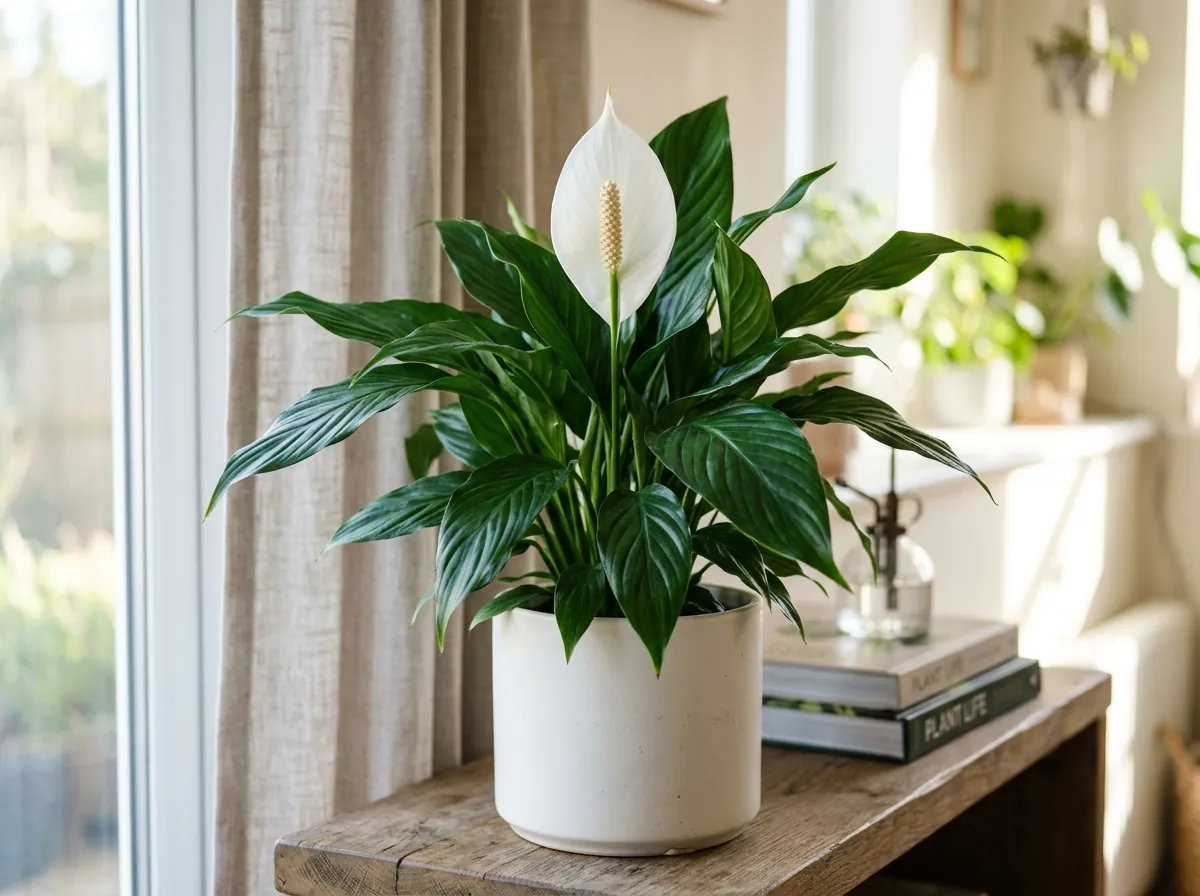
Peace Lily
Also known as: Spathiphyllum, Mauna Loa Lily, Spath
Contains insoluble calcium oxalate crystals that cause immediate oral irritation, drooling, and vomiting. Peace lilies do NOT cause the acute kidney failure seen with true lilies (Lilium/Hemerocallis), but require veterinary attention for symptom relief.
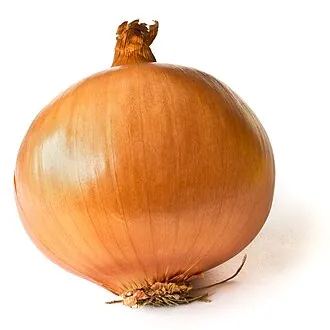
Onions & Garlic (Alliums)
Also known as: Shallots, Chives, Leeks, Garlic Powder, Onion Powder
Contains thiosulfates that break down feline red blood cells, causing severe hemolytic anemia. Garlic is 5x more potent than onion.

Chocolate & Cocoa
Also known as: Dark Chocolate, Milk Chocolate, Baking Cocoa, Cocoa Nibs
Contains theobromine and caffeine. Dark and baking chocolate present the highest toxic risk.
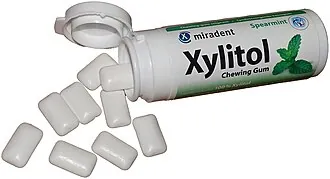
Xylitol & Artificial Sweeteners
Also known as: Birch Sugar, E967, Sugar-Free Gum, Keto Baked Goods
Xylitol causes severe hypoglycemia and liver failure in dogs; documented cases in cats are extremely rare, but cats should still avoid sugar-free products containing xylitol as a precaution.

Alcohol & Ethanol
Also known as: Beer, Wine, Liquor, Alcoholic Beverages
Feline liver and kidneys cannot metabolize alcohol. Even small amounts cause severe intoxication, coma, or respiratory failure.
Acetaminophen / Tylenol
Also known as: Tylenol, paracetamol, APAP, painkiller, fever medicine
Cats lack key liver enzymes (glucuronyl transferase) to metabolize acetaminophen. Even a fraction of a single human tablet causes methemoglobinemia and fatal liver failure.
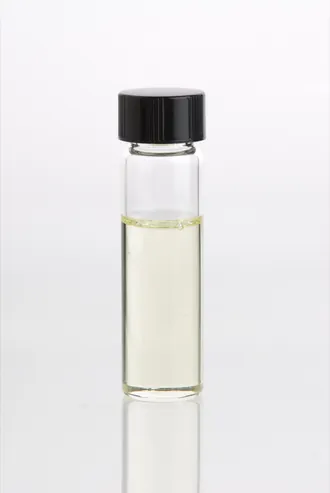
Essential Oils & Concentrates
Also known as: tea tree oil, melaleuca oil, peppermint oil, eucalyptus oil, cinnamon oil, wintergreen oil, diffuser oil
Concentrated plant phenols and terpenes are toxic to feline liver pathways. Severity depends on oil type, concentration, exposure route (ingestion, skin contact, active diffusion), and whether the cat can exit the room.
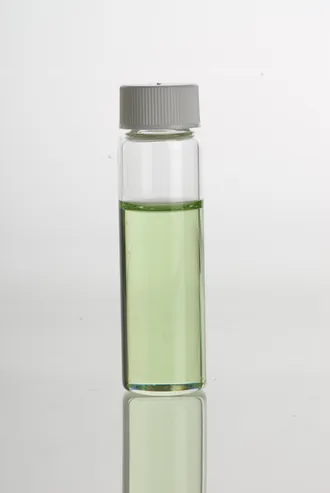
Citrus Essential Oils & Concentrates
Also known as: orange essential oil, lemon oil, limonene, linalool, citrus extracts
Concentrated citrus oils contain high levels of d-limonene and linalool, which cats cannot metabolize. Direct contact or ingestion can cause central nervous system depression and liver damage.
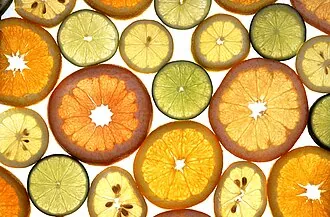
Citrus Fruit, Peel & Plant Material
Also known as: oranges, lemons, limes, grapefruit, citrus peel
Citrus fruit flesh and peels contain citric acid and trace essential oils. While not as lethal as concentrated oils, peels and seeds can cause digestive upset, vomiting, or diarrhea.
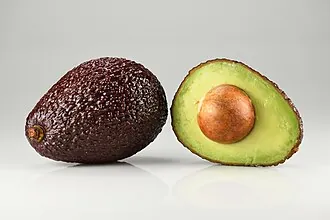
Avocado Plant, Pit & Large Amounts
Also known as: avocado pit, avocado leaf, guacamole, persin
Avocado leaves, bark, and pits contain persin. While persin is primarily toxic to birds and livestock, avocado pits present a severe choking/intestinal obstruction hazard for cats, and high-fat flesh can cause gastroenteritis. A minor lick of plain flesh is not an acute poisoning emergency.
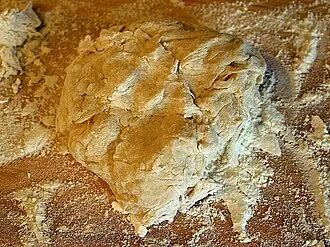
Unbaked Raw Yeast Dough
Also known as: bread dough, pizza dough, rising dough, unbaked dough, yeast dough
Presents two major life-threatening hazards: (1) expanding dough in the warm stomach causes severe gastric distension/bloat, and (2) fermenting yeast produces ethanol absorbed into the bloodstream, causing acute alcohol poisoning.

Caffeine, Coffee & Tea
Also known as: coffee grounds, espresso, black tea, energy drinks, caffeine pills
Cats are significantly more sensitive to caffeine than humans. Methylxanthines stimulate the central nervous and cardiovascular systems, leading to life-threatening arrhythmias.
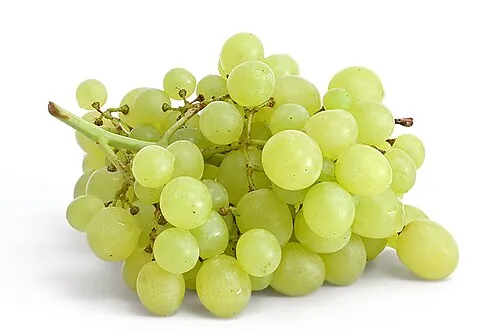
Grapes & Raisins
Also known as: Sultanas, Currants, Raisin Paste
Toxicity mechanism remains under investigation (tartaric acid), but ingestion is linked to acute renal injury in felines.
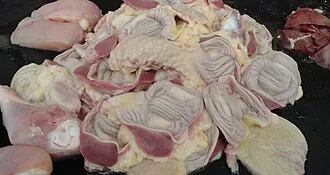
Raw Eggs & Raw Meat
Also known as: Raw Chicken, Raw Beef, Raw Pork
Risk of Salmonella or E. coli contamination. Raw egg whites also contain avidin, which inhibits biotin absorption.
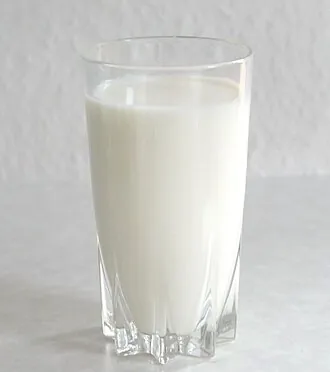
Cow's Milk & Dairy
Also known as: Whole Milk, Heavy Cream, Cheddar Cheese, Ice Cream
Most adult cats are lactose intolerant. Milk does not cause toxicity, but frequently causes digestive upset.
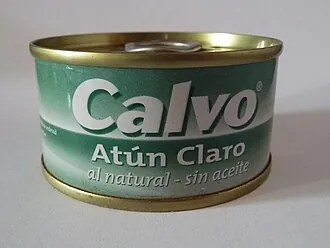
Canned Tuna (In Oil/Human Grade)
Also known as: Chunk Light Tuna, Albacore Tuna in Oil
Human canned tuna lacks essential feline nutrients (taurine, vitamin E). Heavy consumption can lead to steatitis (yellow fat disease) or mercury accumulation.
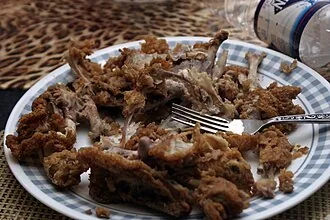
Cooked Bones
Also known as: Chicken Bones, Fish Bones, Pork Rib Bones
Cooked bones splinter easily, posing high risk of esophageal blockage, stomach perforation, or intestinal tears.
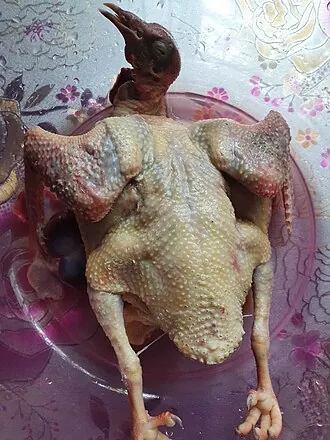
Plain Unseasoned Cooked Chicken
Also known as: Boiled Chicken Breast, Steamed Chicken
Not known to be toxic. Plain cooked chicken breast (skinless, boneless, without onion/garlic seasoning) is frequently recommended for bland digestive recovery diets.
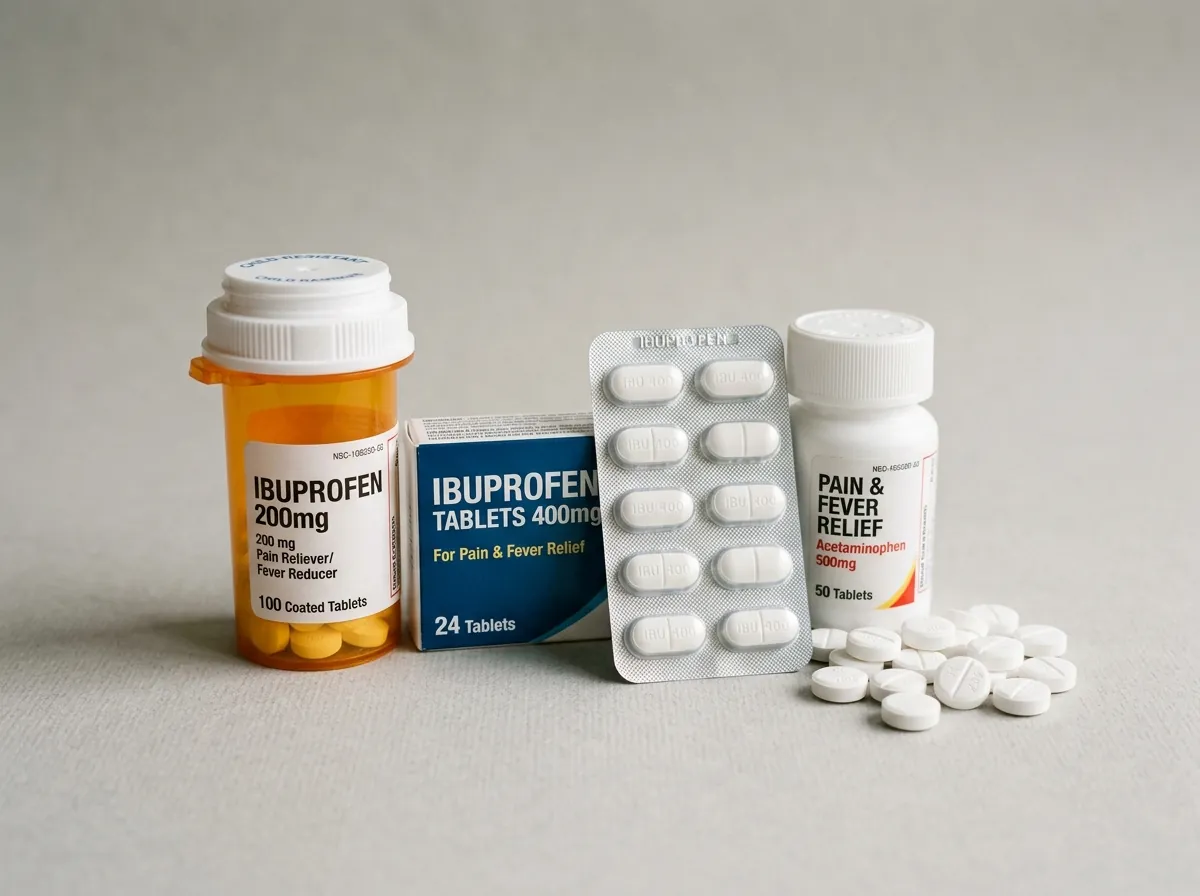
NSAIDs & Human Painkillers
Also known as: Ibuprofen, Advil, Motrin, Naproxen, Aleve, Aspirin, human pain medicine
Non-steroidal anti-inflammatory drugs (NSAIDs) are toxic to cats even in microscopic doses. Felines lack metabolic pathways to detoxify NSAIDs, leading to rapid gastric ulceration, acute renal failure, and intestinal perforation.
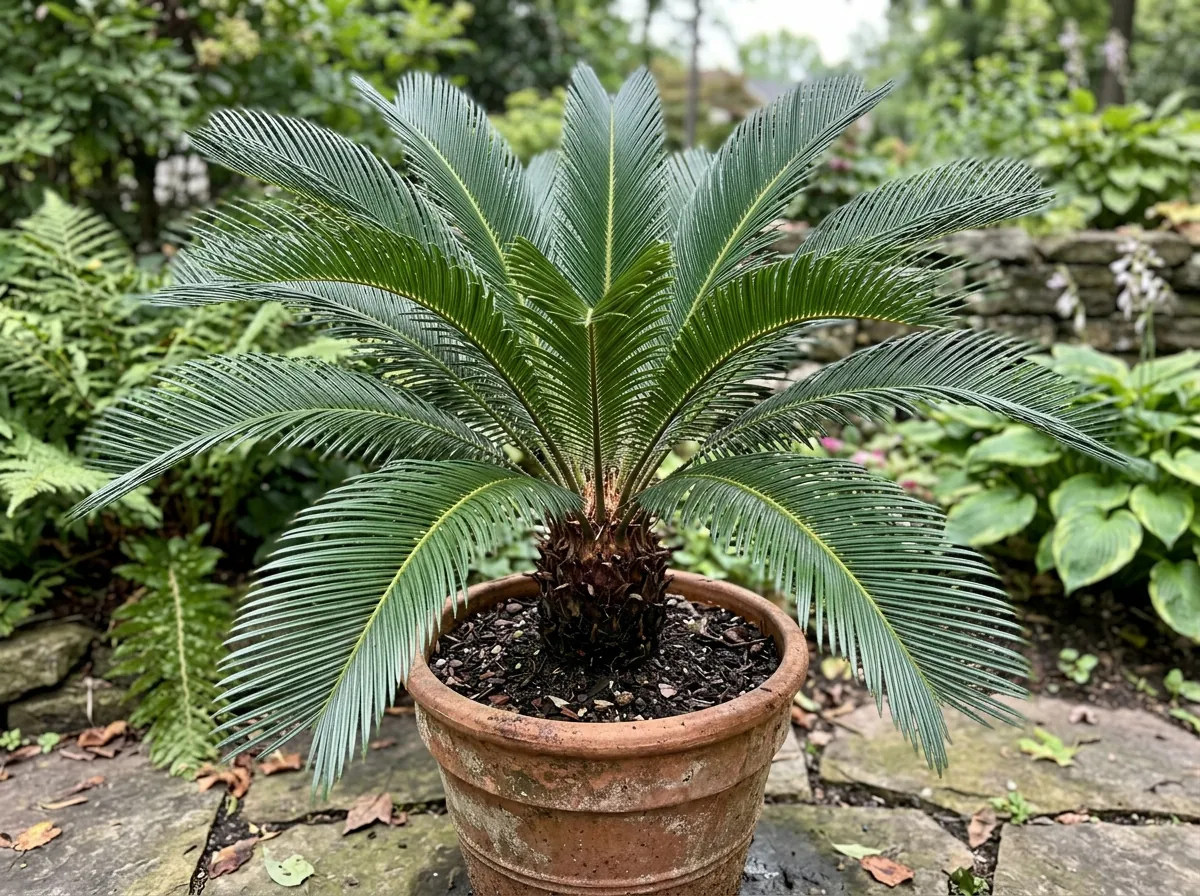
Sago Palm (Cycads)
Also known as: Cycas revoluta, Coontie palm, Cardboard palm, Cycad
Extremely toxic ornamental plant. All parts of the Sago Palm contain cycasin, but the seeds (nuts) carry the highest concentration. Ingestion causes acute liver failure, severe gastroenteritis, and high mortality rates in cats.

Tulips & Daffodils
Also known as: Tulipa, Narcissus, Daffodil Bulbs, Tulip Bulbs, Jonquil
Contains toxic alkaloid lycorine (daffodils) and tulipalin A/B (tulips). Toxic compounds are concentrated primarily in the underground bulbs. Chewing or digging up bulbs causes intense gastrointestinal distress, drooling, and potentially cardiac arrhythmias.
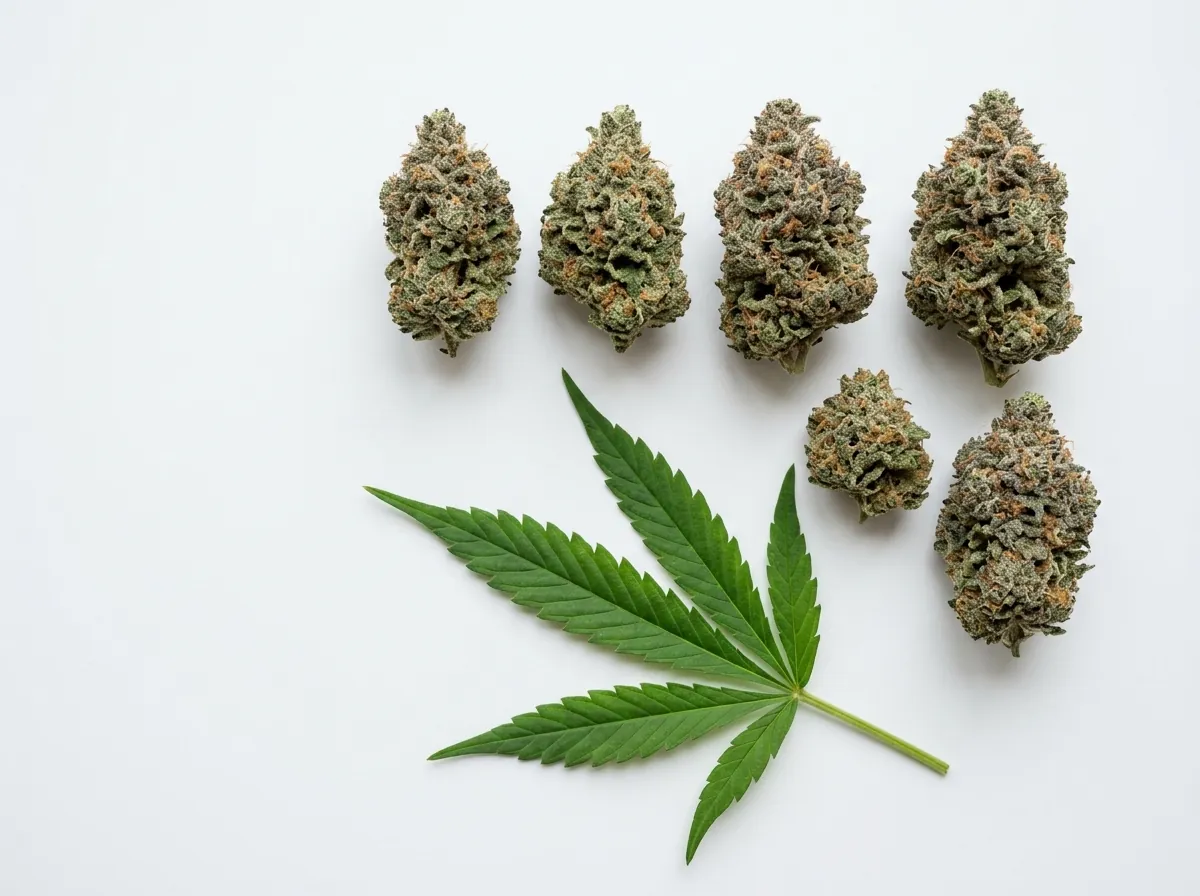
Cannabis & THC Edibles
Also known as: Marijuana, THC, Weed, Pot, Cannabis Edibles, CBD Oil (High-THC)
Tetrahydrocannabinol (THC) affects feline cannabinoid receptors significantly more intensely than human receptors. Ingestion of plant material, smoke exposure, or THC edibles causes severe neurological depression, ataxia, and urinary incontinence.
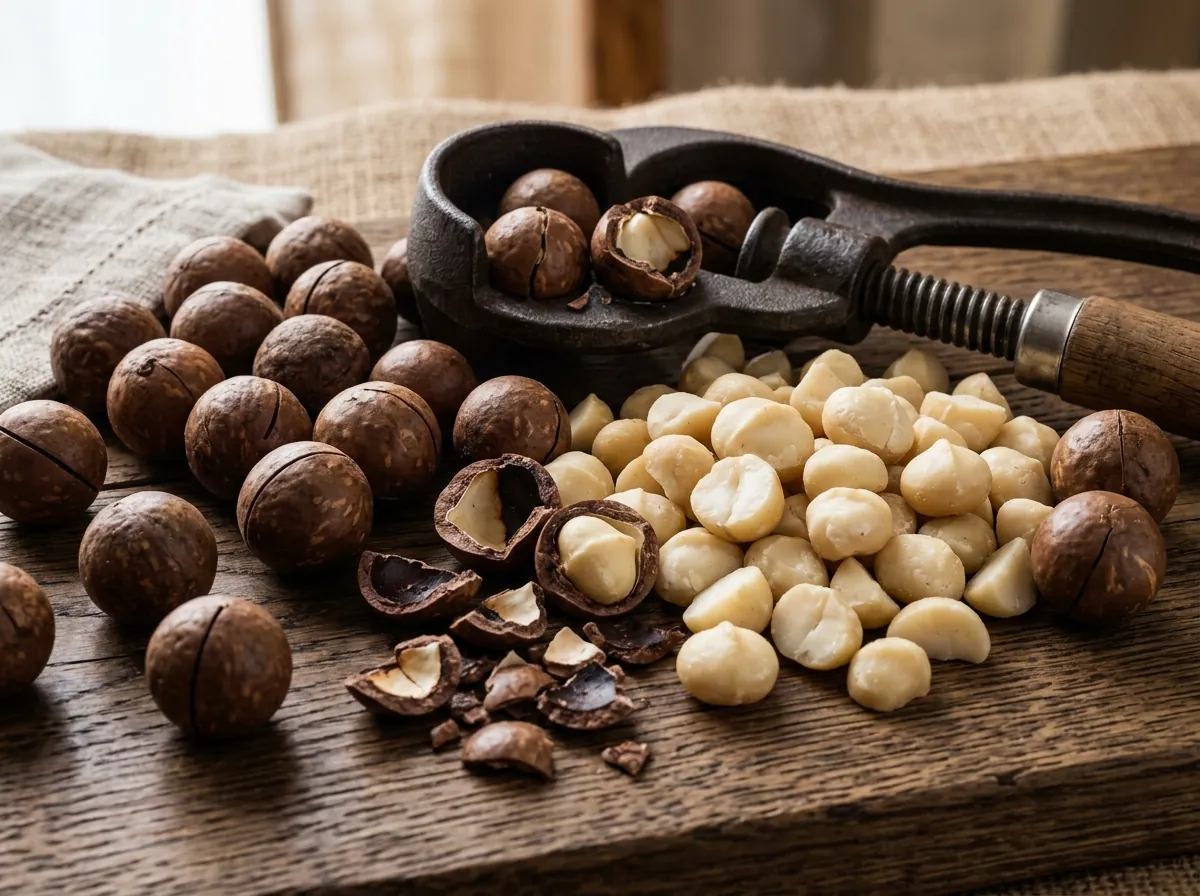
Macadamia Nuts & Tree Nuts
Also known as: Macadamia, Queensland nut, Walnuts, Pecans
Macadamia nuts contain an unidentified toxin that causes weakness, depression, and hyperthermia in companion animals. High fat content in all tree nuts also triggers acute gastroenteritis and pancreatitis in cats.
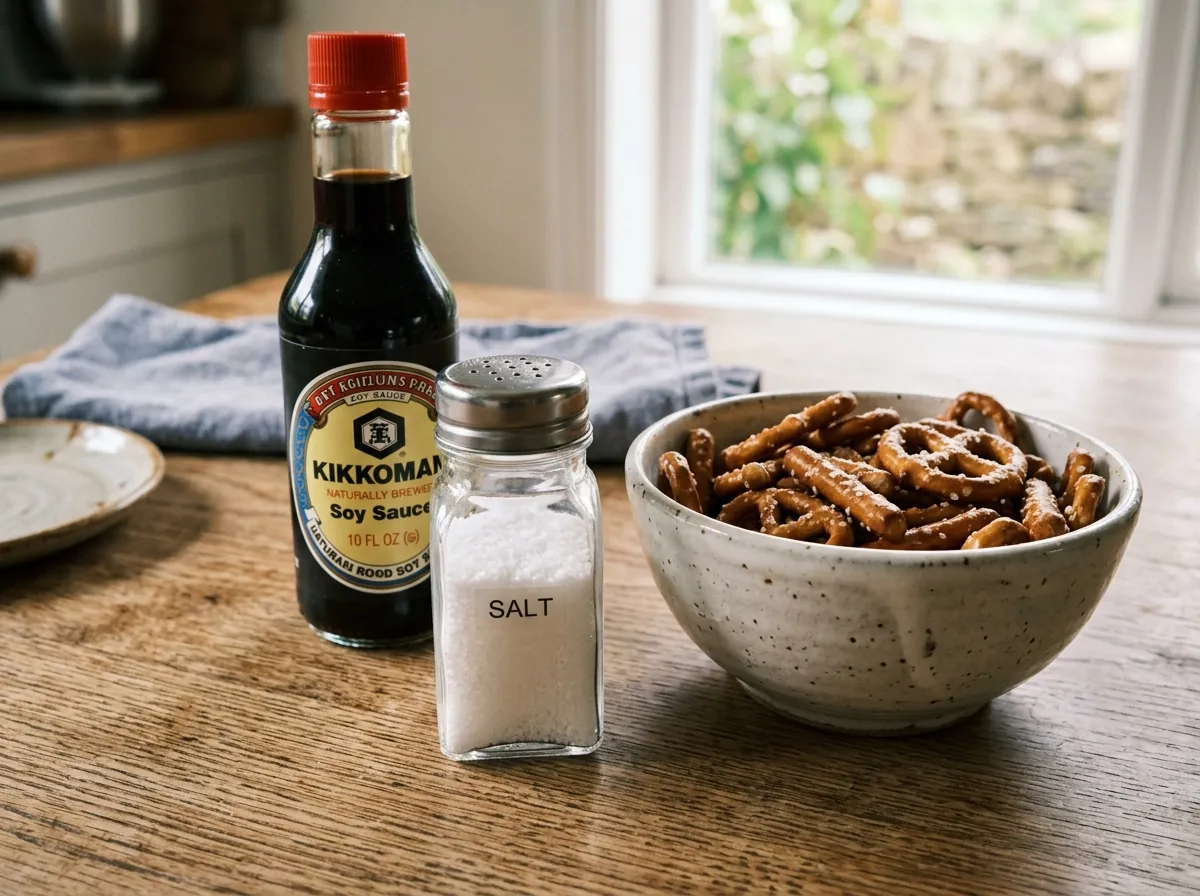
Excess Salt & Soy Sauce
Also known as: Table salt, Soy Sauce, Salted pretzels, Rock salt, Saline solutions
Large amounts of sodium chloride disrupt feline electrolyte balance, pulling fluid from brain cells and causing cellular dehydration. Heavy intake of soy sauce, salty snacks, or rock salt causes sodium ion poisoning.
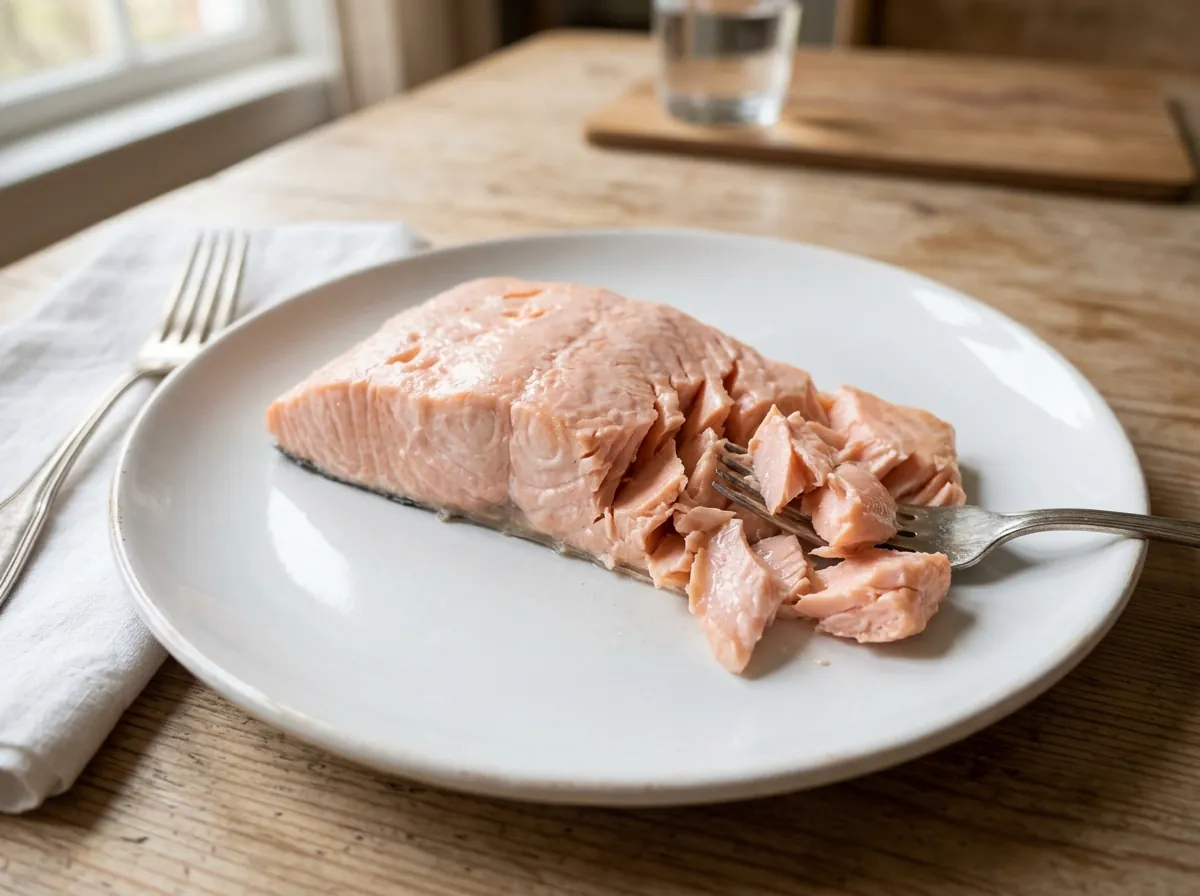
Plain Unseasoned Cooked Salmon
Also known as: Baked Salmon, Steamed Salmon, Cooked Salmon Fillet
Not known to be toxic. Plain cooked salmon (boneless, skinless, unseasoned without garlic or onion) provides high-quality protein and beneficial omega-3 fatty acids for cats.
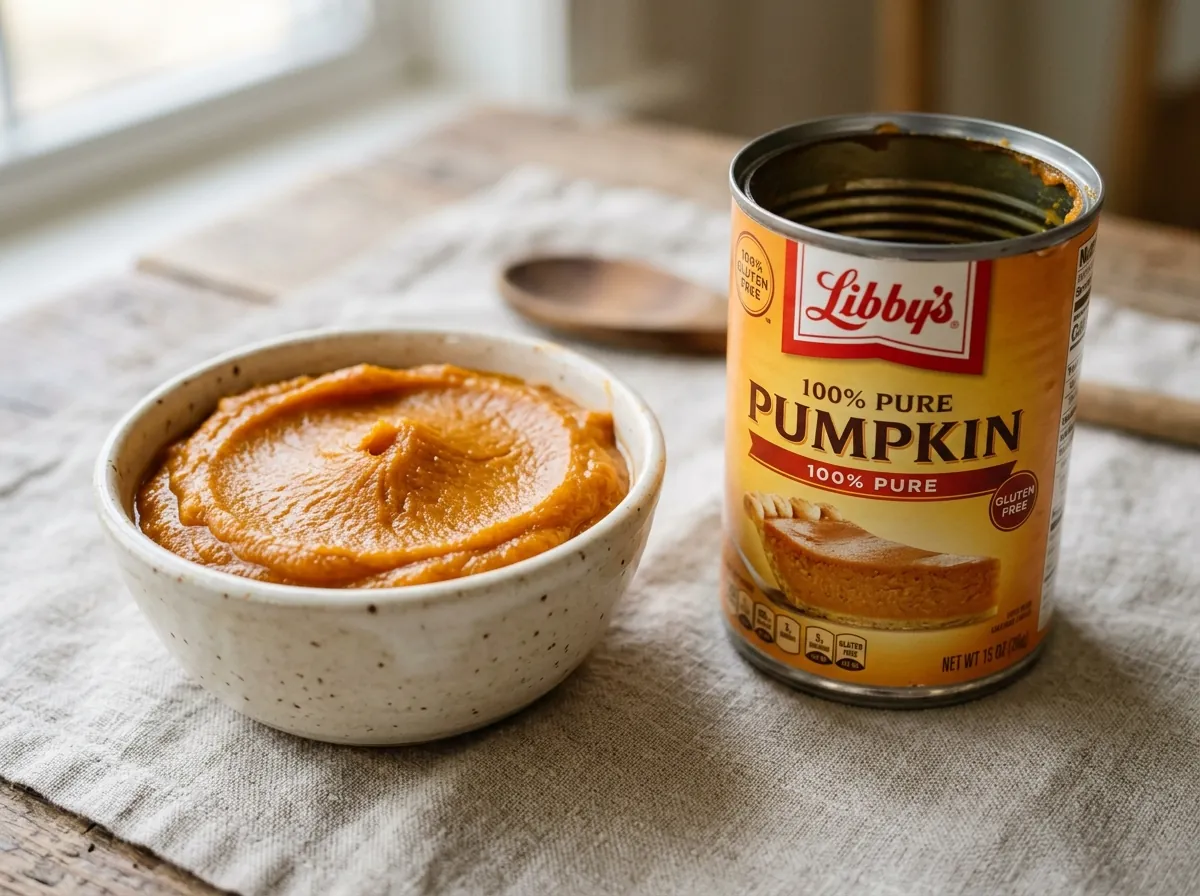
Plain Canned Pumpkin Puree
Also known as: Pureed pumpkin, 100% Canned pumpkin, Cooked pumpkin
Not known to be toxic. 100% plain canned pumpkin puree (without added sugar or pie spices) is rich in soluble fiber and frequently recommended by veterinarians to assist with mild constipation or hairballs.
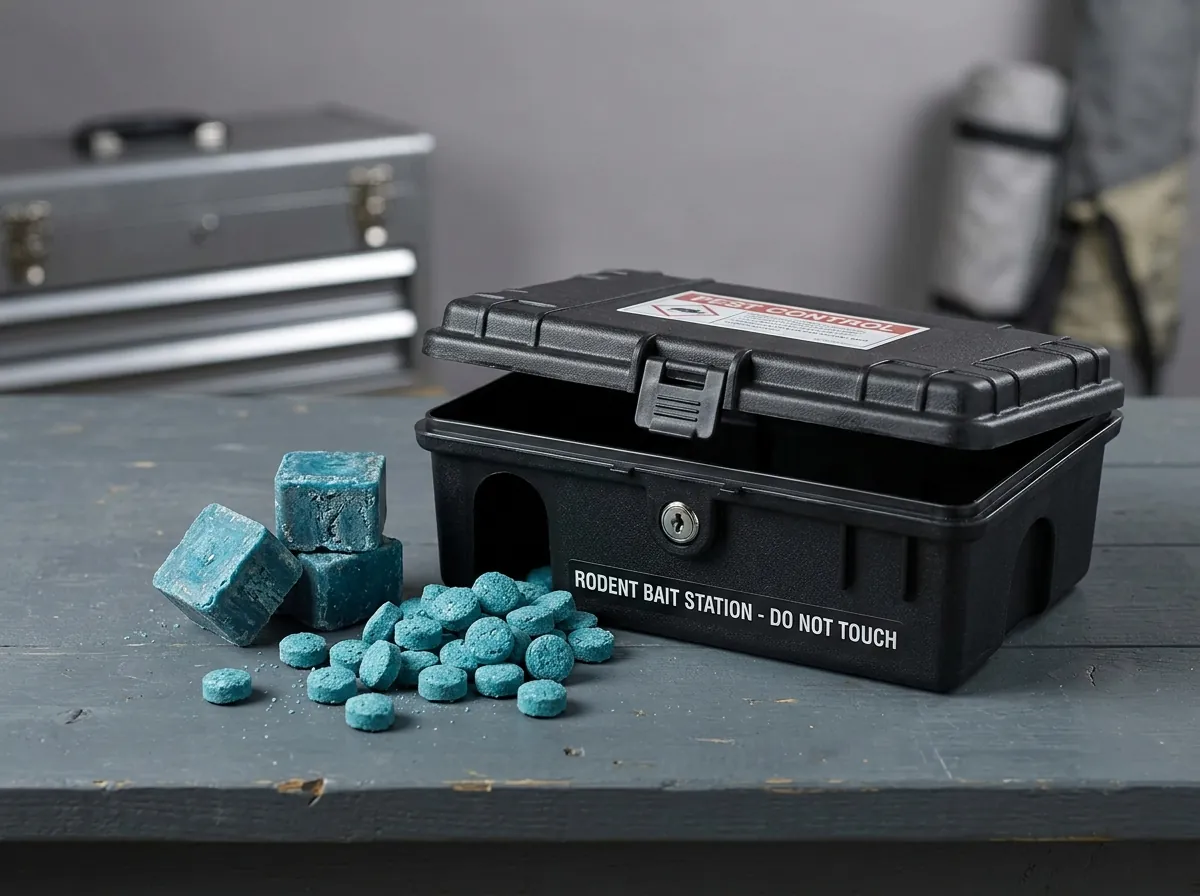
Rat Poison & Rodenticides
Also known as: Rat poison, Mouse bait, D-Con, Bromethalin, Warfarin, Cholecalciferol bait
Extremely lethal feline emergency. Rodenticides work via anticoagulation (causing severe internal hemorrhage), bromethalin (causing fatal cerebral edema), or cholecalciferol (causing acute renal calcium intoxication). Secondary poisoning can also occur if a cat eats a poisoned rodent.
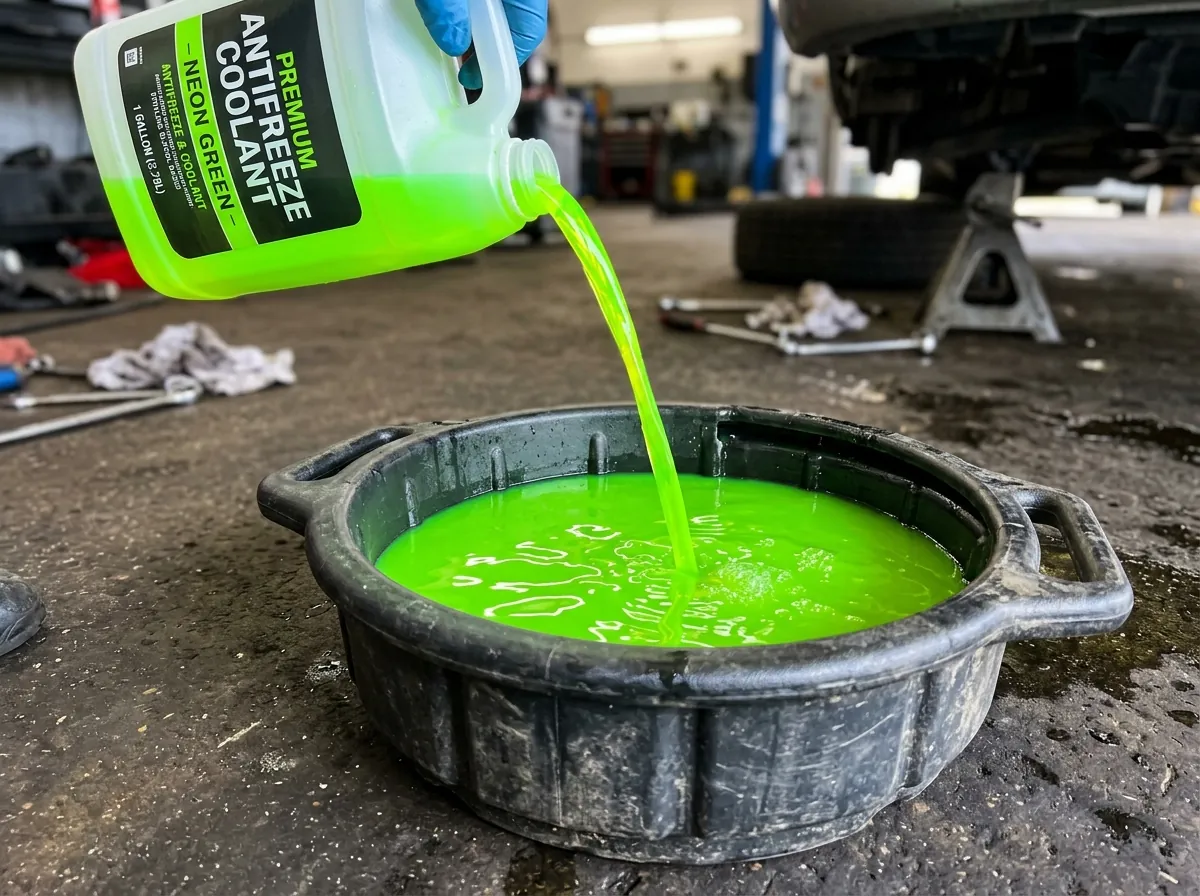
Antifreeze & Ethylene Glycol
Also known as: Antifreeze, Radiator coolant, Ethylene glycol, De-icer
One of the most rapidly fatal toxins for cats. Ethylene glycol tastes sweet to animals, but as little as a single teaspoon (4 mL) metabolized by the feline liver produces toxic oxalic acid, causing irreversible acute renal failure and death within 12 to 24 hours.

Poinsettia, Holly & Mistletoe
Also known as: Poinsettia, Holly berries, Mistletoe, Christmas plants
Popular holiday plants carry varying levels of toxicity. Poinsettia sap causes mild oral irritation and drooling. Holly leaves and berries contain saponins causing severe gastroenteritis. Mistletoe contains lectins and phoratoxins that cause gastrointestinal upset, low blood pressure, and cardiovascular collapse.
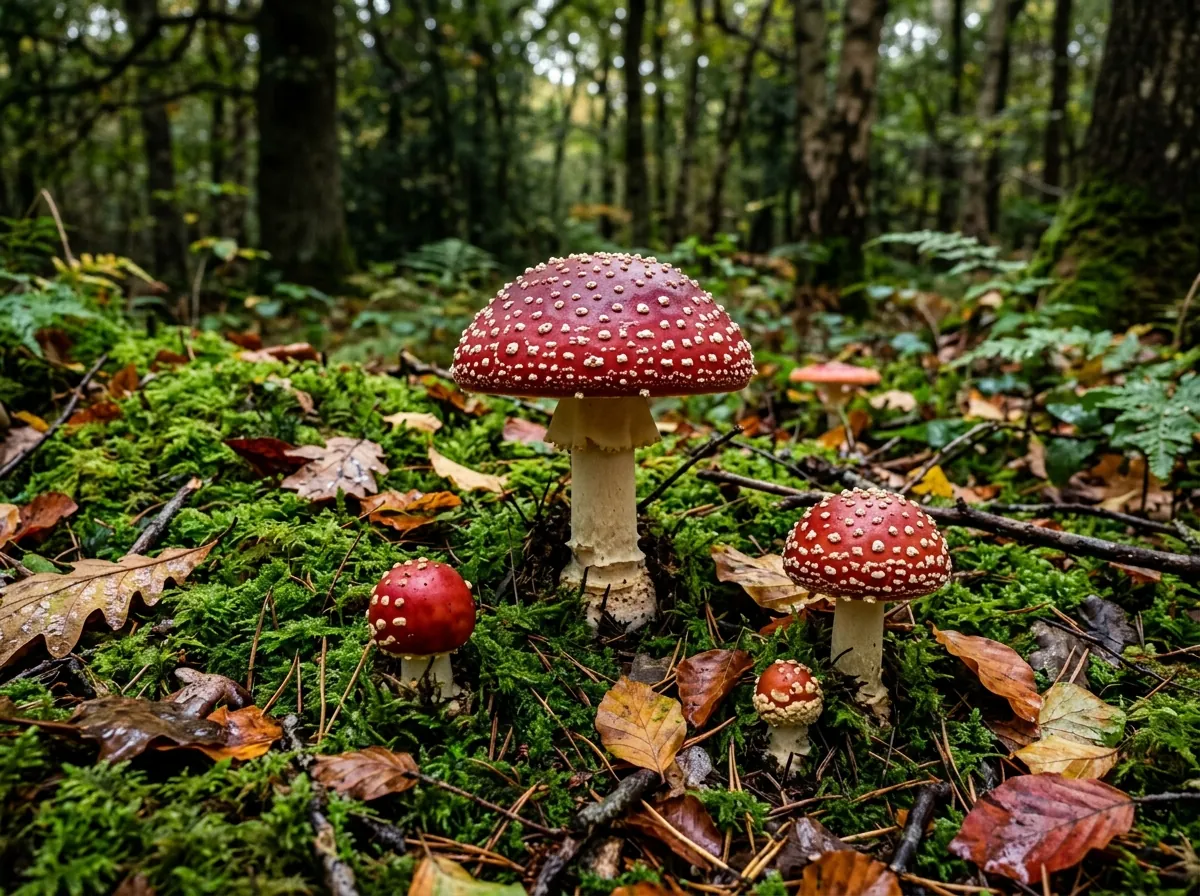
Wild Toxic Mushrooms
Also known as: Wild mushrooms, Amanita, Death cap, Fly agaric, Toadstools
Wild mushrooms found in yards or forests contain toxins like amatoxins, muscarine, or ibotenic acid. Amatoxins cause fulminant hepatic necrosis and kidney failure, while muscarinic species trigger severe SLUDGE syndrome (salivation, lacrimation, urination, defecation, GI distress).
Human ADHD & Antidepressant Meds
Also known as: Adderall, Ritalin, Vyvanse, Prozac, Zoloft, SSRIs, Amphetamines
Prescription stimulant (ADHD) and antidepressant (SSRI/SNRI) medications are extremely toxic to cats. Ingestion causes serotonin syndrome, severe hypertension, tachycardia, tremors, hyperthermia, and fatal seizures.

Rhubarb Leaves & Starfruit
Also known as: Rhubarb stalk, Rhubarb leaf, Star fruit, Carambola
Rhubarb leaves and starfruit contain high concentrations of soluble calcium oxalates. Ingestion binds systemic blood calcium, causing acute hypocalcemia and precipitation of oxalate crystals in kidney tubules, leading to acute renal injury.

Permethrin & Dog Flea Spot-Ons
Also known as: Permethrin, Dog flea medicine, Spot-on flea treatment, Advantix (dog formula)
Concentrated permethrin found in dog spot-on flea products is toxic to cats because felines lack the glucuronidation enzymes needed to break down pyrethroids. Applying dog flea medicine to cats or grooming a treated dog causes severe neurotoxicity.
Moldy Foods & Mycotoxins
Also known as: Moldy bread, Spoiled cheese, Compost material, Tremorgenic mycotoxins, Penitrem A
Moldy foods, spoiled cheese, nuts, or garbage contain tremorgenic mycotoxins (such as Penitrem A and Roquefortine C) produced by Penicillium fungi. Ingestion triggers severe central nervous system stimulation and violent tremors.

Plain Fresh & Cooked Blueberries
Also known as: Blueberries, Fresh blueberries, Steamed blueberries
Not known to be toxic. Fresh or plain cooked blueberries are safe for cats in moderation, providing antioxidants, vitamin C, and dietary fiber.

Plain Steamed Carrots
Also known as: Boiled carrots, Cooked carrot slices, Steamed carrots
Not known to be toxic. Plain soft-steamed carrots (unseasoned, cut into small bite-sized pieces) provide beta-carotene, fiber, and potassium for cats without causing choking hazards.
Need a printable reference?
Print the one-page toxic foods chart for the fridge, shelters, or foster homes.
Frequently Asked Questions
Recommended Safety & Health Guides
Can Cats Drink Broth? Yes, If It's Sodium-Free and Onion-Free
Unsalted, onion-free and garlic-free broth can be a tempting way to boost your cat's hydration. Learn how to serve it safely, how much to offer, and when to skip it.
Can Cats Eat Beef? Safe Feeding Tips for Cat Owners
Plain, cooked, unseasoned beef can be a safe occasional treat for healthy cats. This guide covers lean cuts, safe cooking methods, and portion sizes that fit a cat's daily treat budget.
Can Cats Eat Broccoli? Steamed and Plain
Yes, cats can eat plain, steamed broccoli in small pieces. It is not a necessary part of their diet, but it can be a safe low-calorie treat when prepared properly.