The short answer
Cats stare at walls for a handful of everyday reasons: they might be tracking a tiny insect or a sound you can’t hear, indulging their natural hunting instincts, or simply relaxing while their mind wanders. In most cases, wall-staring is perfectly normal feline behavior. However, if your cat stares at walls frequently and shows other signs like confusion, circling, or changes in appetite, it could point to a cognitive or medical issue worth a vet visit.
Why cats are so good at noticing things we miss
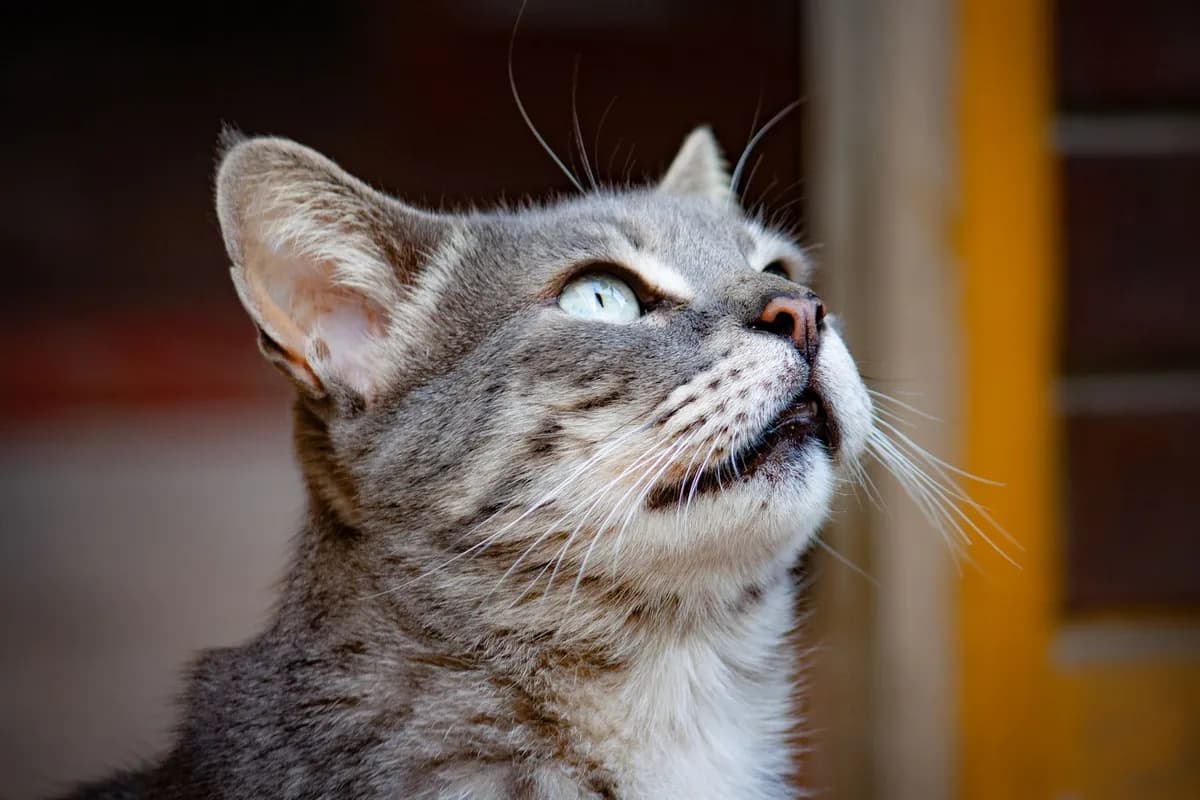
Cats have evolved as predators with remarkably sharp senses. Their hearing covers a much wider frequency range than ours—they can detect ultrasonic sounds from rodents and insects that are completely inaudible to humans. Their eyesight is also tuned for motion and low-light hunting, and they have a wider field of view than we do. So when your cat stares at a blank wall, they may actually be listening to something inside the wall—like mice or plumbing—or watching a tiny dust mote or bug that you’d never notice. Their whiskers can even pick up subtle air currents. In short, your cat’s “staring” is often just them using their superior senses to gather information about their environment.
But there’s more to it. Cats are also crepuscular, meaning they’re most active at dawn and dusk—times when their senses are especially sharp. Their eyes have a higher concentration of rod cells, which excel at detecting motion and working in dim light. They also have a reflective layer behind the retina called the tapetum lucidum, which boosts their night vision. So a wall that looks blank to you might be full of subtle shadows, moving dust particles, or even a tiny spider that’s nearly invisible to the human eye.
Common reasons for wall-staring
Let’s break down the most common explanations for this quirky behavior. Keep in mind that each cat is an individual, and their reasons can vary.
| Possible reason | What it looks like | What you can do |
|---|---|---|
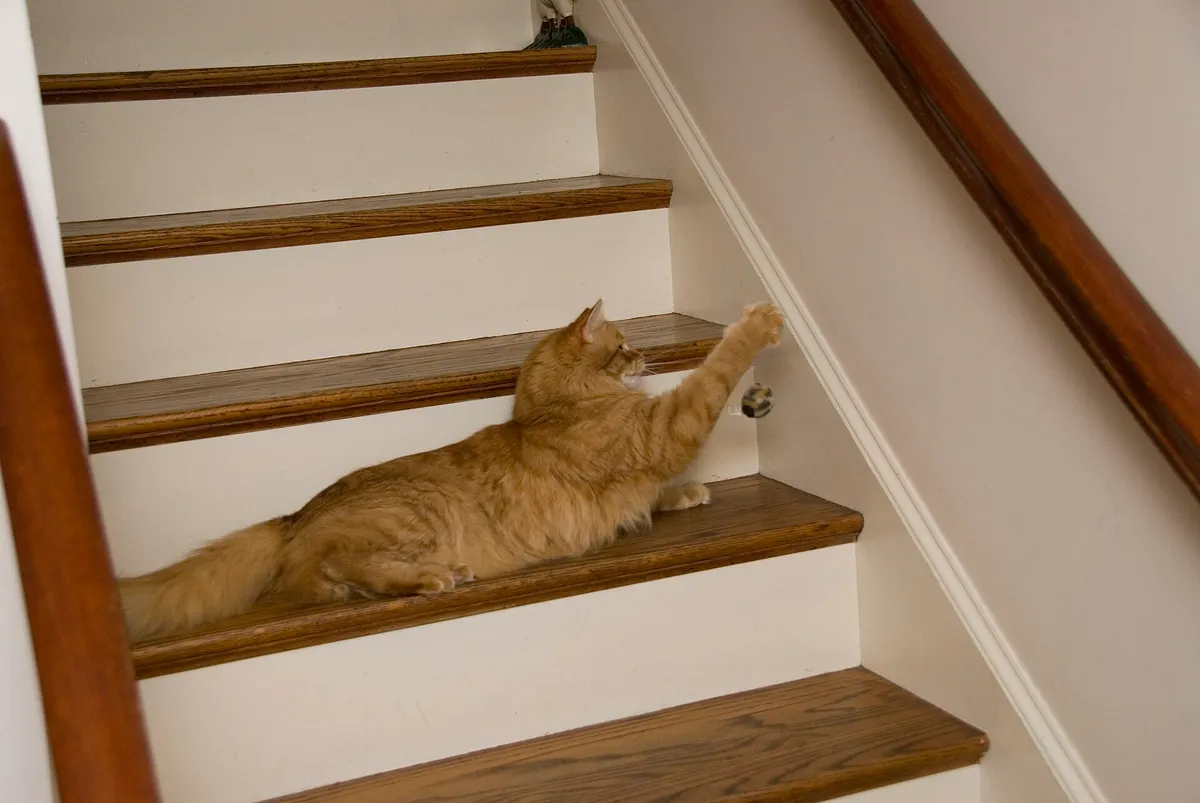
| Hunting instincts | Staring intently at a specific spot, sometimes with a twitching tail or dilated pupils | Let them investigate; provide puzzle toys or treat-dispensing games to channel their prey drive |
| Hearing or sensing something | Ears swiveling, head tilting, staring at a wall near a pipe or baseboard | Check for pests or drafts; if you hear nothing, it’s likely just your cat’s superior hearing |
| Daydreaming / relaxation | Staring with a relaxed body, slow blinking, no tension | Nothing to do—your cat is just chilling |
| Visual curiosity | Watching dust motes, light reflections, or shadows | Enjoy the show; it’s harmless entertainment |
| Boredom or stress | Repetitive staring, often accompanied by pacing or excessive grooming | Increase playtime and environmental enrichment; consider a feline pheromone diffuser if stress is suspected |
| Cognitive dysfunction (senior cats) | Staring at walls, especially in older cats, along with disorientation, wandering, or changes in sleep | Consult your vet for a senior wellness check |
As you can see, most wall-staring is harmless and even entertaining. But the last row—cognitive dysfunction—warrants a closer look.
The difference between normal and concerning staring
So how do you know if your cat’s wall-staring is just a quirky habit or a sign of something more? The key is to look at the context and any accompanying behaviors.
Normal staring is usually:
- Occasional, not constant
- Accompanied by a relaxed body posture
- Interrupted easily (your cat will look away when you call them)
- Not associated with other signs of distress
Concerning staring might be:
- Frequent, obsessive, or lasting for long periods
- Accompanied by confusion, disorientation, or aimless wandering
- Paired with changes in appetite, sleep, or litter box habits
- Seen in older cats (over 10 years) who also show signs of cognitive decline
If you notice any of the concerning signs, it’s worth a veterinary check-up. Early detection of issues like feline cognitive dysfunction or high blood pressure can make a big difference in your cat’s quality of life.
When to see a vet
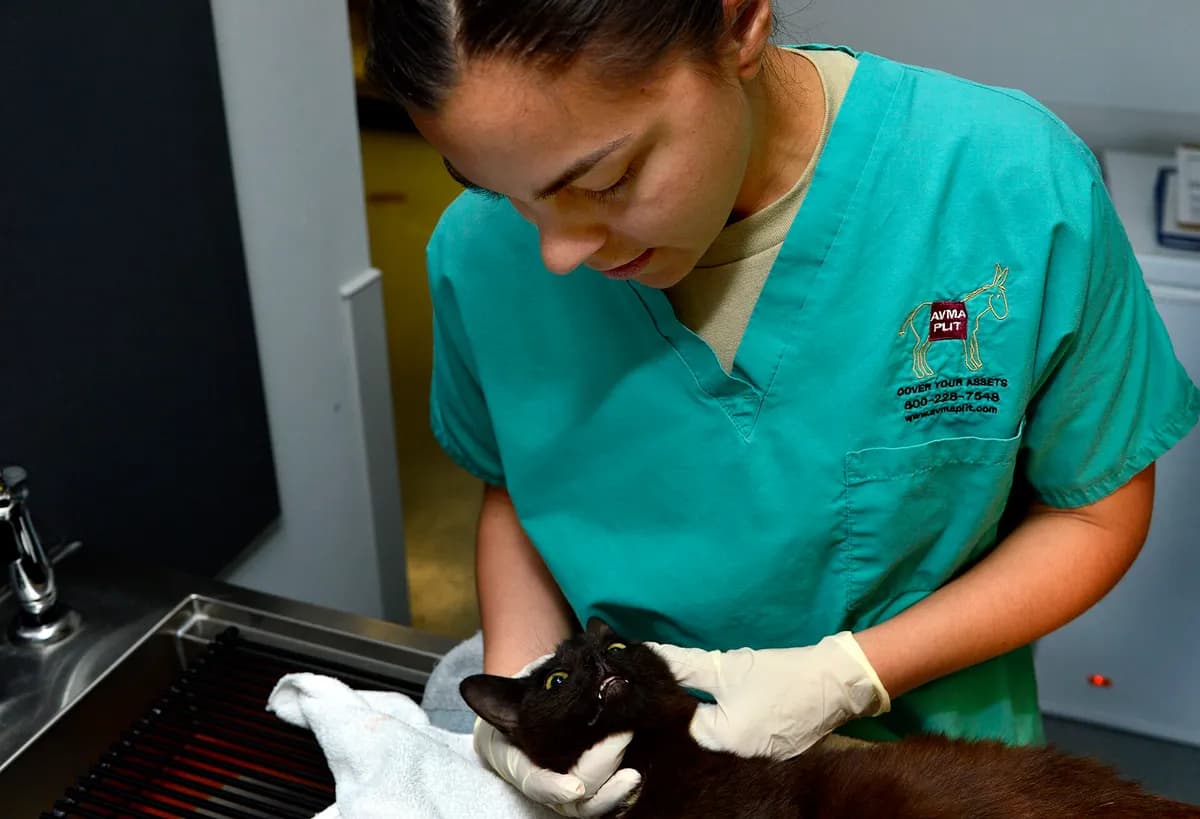
While occasional wall-staring is normal, frequent and compulsive staring, especially in senior cats, can be a sign of feline cognitive dysfunction (FCD), a condition similar to dementia in humans. FCD is more common in cats over 10 years old. Other signs include:
- Getting lost in familiar surroundings
- Vocalizing more, especially at night
- Changes in sleep-wake cycles
- Litter box accidents
- Reduced interest in play or social interaction
If your cat shows these signs alongside wall-staring, it’s worth a veterinary check-up. Your vet can rule out medical issues like vision problems, high blood pressure, or neurological conditions. Early intervention can help manage symptoms and improve your cat’s quality of life.
If your cat suddenly starts staring at walls and also shows signs of distress, disorientation, circling, seizures, or a sudden change in behavior, seek veterinary care promptly. These could indicate a medical emergency.
That said, for most cats, wall-staring is just another quirky behavior that makes them so endearing. It’s often their way of engaging with the world in a way we can’t fully perceive.
How to enrich your cat's environment to reduce obsessive staring
If your cat’s wall-staring seems tied to boredom or stress, you can take steps to make their environment more engaging. Cats are natural hunters, and they thrive when they have opportunities to express those instincts. Here are some ideas:
- Interactive toys: Puzzle feeders, treat-dispensing balls, and feather wands can keep your cat mentally and physically stimulated.
- Window perches: Give your cat a safe spot to watch birds, squirrels, and passing cars—a much more interesting view than a blank wall.
- Vertical space: Cat trees, shelves, and wall-mounted perches allow your cat to climb and survey their territory.
- Rotate toys: Keep a selection of toys and rotate them weekly to maintain novelty.
- Play sessions: Schedule regular play sessions (at least 15 minutes twice a day) to burn off energy and reduce stress.
- Feline pheromone diffusers: If you suspect stress, products like Feliway can help create a calming environment.
By providing plenty of enrichment, you can reduce the likelihood of obsessive staring while also improving your cat’s overall well-being.
Frequently Asked Questions
Q: Is it normal for my cat to stare at a wall for hours?
A: Occasional staring is normal, but if your cat is fixated on one spot for extended periods and seems unresponsive, it’s worth monitoring. If they also show other concerning signs, consult your vet.
Q: Can cats see ghosts or spirits?
A: There’s no scientific evidence that cats can see ghosts. Their behavior is better explained by their acute senses—they may be hearing or seeing something we can’t, or simply daydreaming.
Q: My cat stares at a specific corner. Should I be worried?
A: It depends on the context. If your cat is relaxed and only does it occasionally, it’s likely harmless. If it’s accompanied by other symptoms like confusion or changes in appetite, a vet visit is a good idea.
Q: Do kittens stare at walls more than adult cats?
A: Kittens are naturally curious and may stare at anything new or interesting. As they grow, the behavior often becomes less frequent, but some cats retain the habit.
Q: How can I tell if my cat’s staring is a problem?
A: Look for accompanying signs like disorientation, changes in eating or sleeping, pacing, or vocalizing. If you notice any of these, or if the staring becomes obsessive, it’s time to see your vet.
Key Takeaway
Cats stare at walls for a variety of reasons, most of which are perfectly normal. They might be hunting, listening, or just relaxing. Trust your cat’s instincts—they’re often more in tune with their environment than we are. But if the staring is paired with other worrying symptoms, especially in an older cat, a veterinary check-up can provide peace of mind and early intervention if needed.
Share this guide
Help another cat parent find it.