The short answer
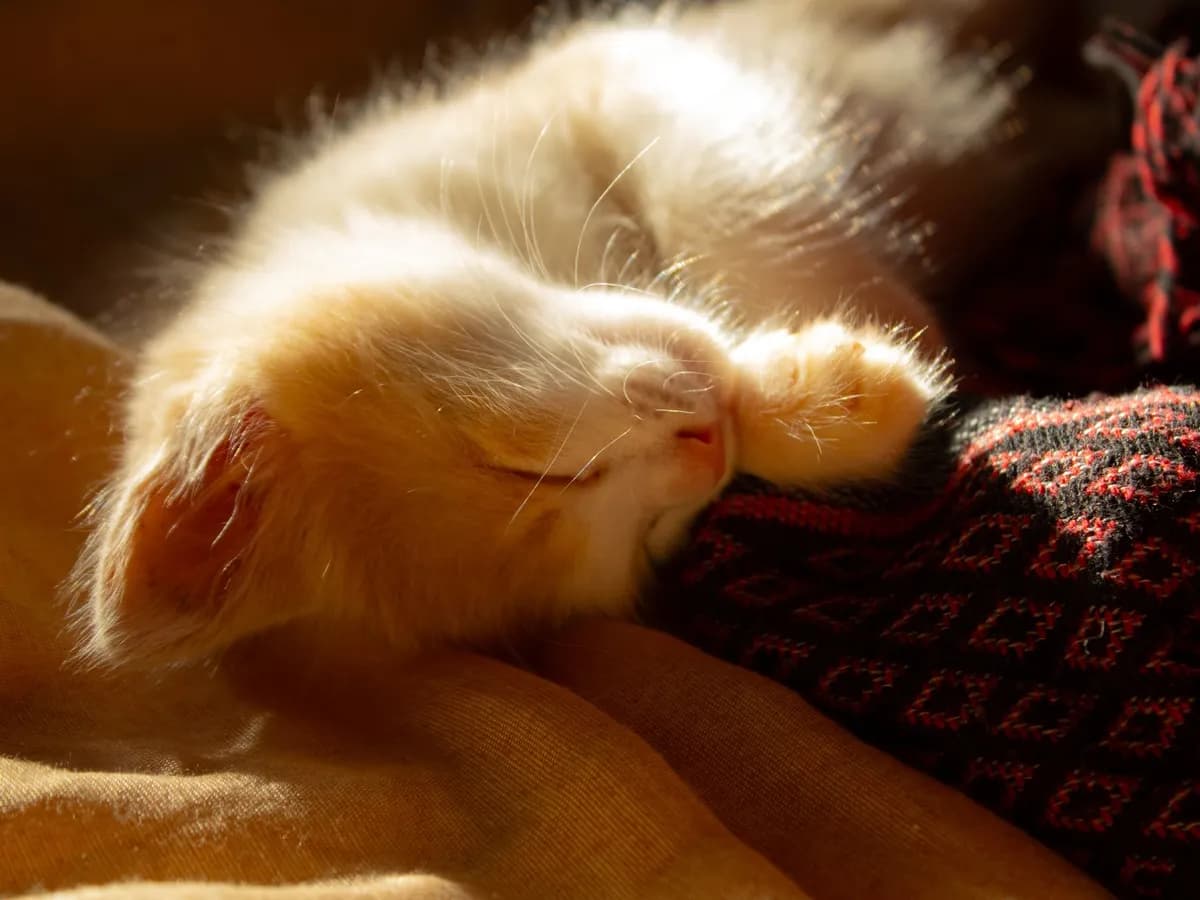
Cats love sleeping in the sun because a warm patch of sunlight delivers exactly what their bodies are wired to want: free warmth, low energy cost, and a feeling of safety. Cats have a higher body temperature and a higher "thermoneutral zone" than humans, meaning they feel comfortable in rooms we would find stuffy. Lying in a sunbeam lets a cat soak up radiant heat, so it doesn't have to burn calories to stay warm. That simple biological bargain is why your cat abandons a perfectly good bed to squeeze into a tiny square of light on the floor. Sunbathing also supports deep, restful sleep and is a normal, comforting behavior. Think of it as your cat's version of a heated blanket. One popular idea — that cats sunbathe to stock up on vitamin D — isn't true, though. Cats get vitamin D from food, and sunbathing does not meaningfully raise their levels.
Cats Run Warmer: Warmth, Deep Sleep, and Energy Saving
To understand sun-seeking, start with temperature. A cat's normal resting body temperature sits around 100.5 to 102.5°F (38 to 39°C) — higher than a human's 97 to 99°F (36 to 37°C). Cats also prefer a warmer environment than we do. Their thermoneutral zone — the temperature range in which the body doesn't have to work to heat or cool itself — is roughly 86 to 97°F (30 to 36°C), according to veterinary references. In a typical 68°F (20°C) living room, your cat is already below its comfort zone and quietly spending energy to hold its temperature up.
That's where the sun comes in. Radiant heat from sunlight warms a cat's skin and fur directly, like a gentle heating pad. A cat stretched in a sunbeam can keep its body temperature in its comfort zone while spending almost no extra calories. For an animal descended from desert hunters, where conserving energy was a survival skill, a sunny spot is one of the best deals in the house.
Warmth also sets the stage for sleep. Cats sleep a lot — typically 12 to 16 hours a day for adults — and a warm body relaxes muscles and reduces the energy needed to maintain core temperature, making it easier to drift into deeper stages of rest. In the wild, a warm spot was also likely a safer spot: a basking cat could warm up while staying alert enough to respond to threats. The result is "solar tracking": many cats follow the sun from room to room through the day, moving to the east-facing window in the morning and the west-facing patch in the afternoon. This isn't restlessness or indecision — it's a cat reading its environment and choosing the warmest, most comfortable spot available. Want more ideas for keeping an indoor cat engaged? See our guide to feline enrichment for indoor cats.
The Vitamin D Myth: Sun Doesn't Fuel It for Cats
It's easy to assume that cats sunbathe for the same reason humans do: to let sunlight trigger vitamin D production in the skin. In some species, that's exactly how it works. But cats are different. Feline skin produces little if any meaningful vitamin D in response to ultraviolet light, and a thick coat blocks most of the sun from the skin anyway. Biologists believe cats evolved to get vitamin D almost entirely from their diet — from the animal tissues their ancestors ate.
In practical terms, this means a cat lounging in a bright window all day is not "refilling" vitamin D. A healthy cat on a complete commercial diet gets all the vitamin D it needs from food. Conversely, if a cat is low in vitamin D, more sunbathing won't fix it — the answer is a veterinary-guided diet or supplement plan, not extra sun time. So when your cat sprawls in the sun, you can enjoy the moment for what it is: thermal comfort, not a photosynthesis health ritual.
Sun-Seeking Is Learned, Comforting Behavior
Cats are creatures of habit, and sunbathing is partly learned. A kitten who discovers a warm windowsill will return to that spot at the same time each day, sometimes for years. The behavior is self-reinforcing: the warmth feels good, so the cat repeats it. Sun spots also often sit near windows with a view, social activity, or birds to watch, which makes them doubly appealing.
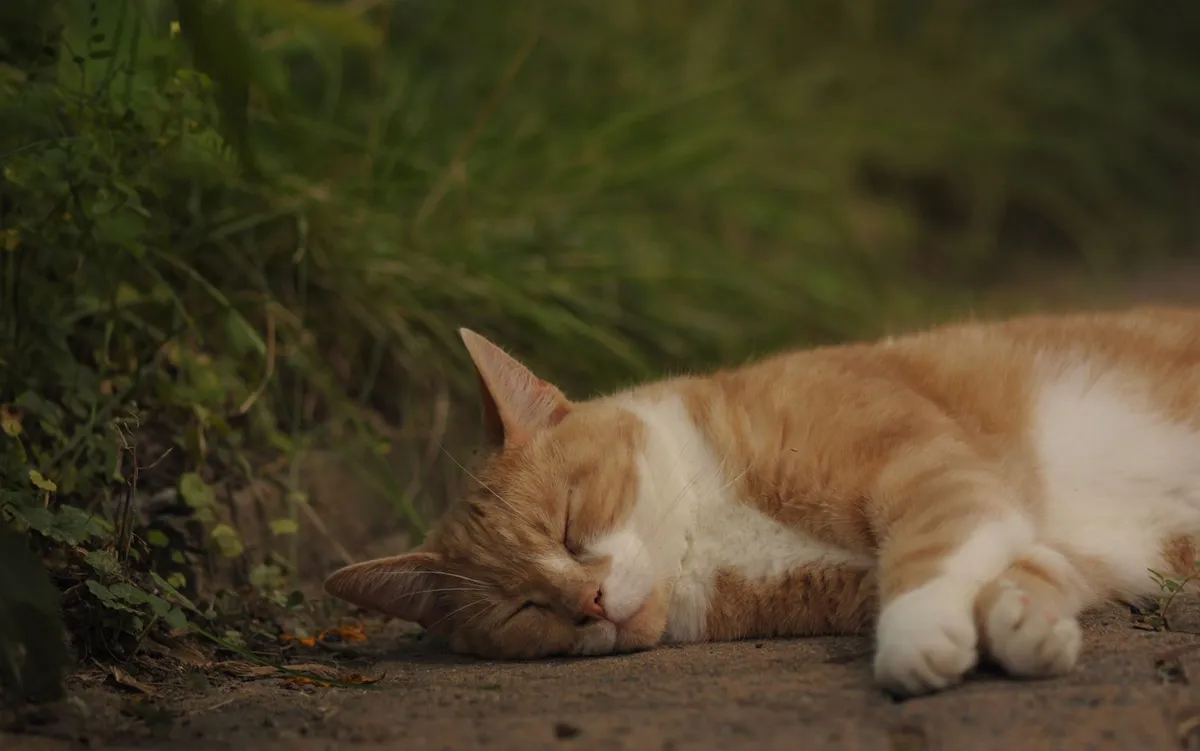
It's important not to read too much into a sunbathing cat. A cat sleeping in the sun isn't being "lazy," depressed, or spiteful — it's simply choosing the most comfortable place in the house. Cats conserve energy by design; their wild ancestors needed bursts of energy for hunting, not endurance. If your cat is active, eats well, and uses the litter box normally, hours of sunbathing are a sign of a content cat with good taste in real estate.
Sunbathing Risks: Sunburn and Overheating
Sun time is mostly good for cats, but it's not risk-free. Cats can develop sunburn, especially on areas with thin fur and light pigment: the ear tips, the nose, and the eyelids. Pale, white, or hairless cats are at the highest risk. Repeated sun exposure on the ears can cause solar dermatitis, which over time can progress to a form of skin cancer called squamous cell carcinoma. It's worth checking pale-eared cats regularly for redness, flaking, or crusty spots.
Overheating is the other concern. Cats regulate heat well, but a cat trapped in direct sun with no escape route can overheat, especially in a small, unventilated room with strong window light. Watch for these differences in behavior:
| What you notice | Comfortable sunbathing | Possible overheating |
|---|---|---|
| Body position | Loose, sprawled or curled, eyes half-closed | Stiff, restless, keeps shifting |
| Breathing | Quiet, slow, deep | Open-mouth panting or fast, noisy breaths |
| Mouth and gums | Pale pink, moist | Bright red, dry, or excess drooling |
| After moving to shade | Settles and naps | Keeps panting, wobbles, seems weak |
Never leave a cat shut in a sunroom or small room with intense direct sun and no way out. Behind glass, heat can build to dangerous levels quickly. Always provide a shaded escape route and fresh water nearby. If your cat pants persistently, drools, or seems weak or disoriented after sunning, move them to a cool space, offer water, and call your vet right away — these can be signs of heatstroke.
How to Give Your Cat the Best Safe Sun Spot
You don't have to discourage sunbathing — just manage it. A little planning turns a simple sunbeam into a cozy, low-risk nap spot.
- Give sun a comfy frame. A padded window perch or a soft bed placed in the sunbeam lets your cat enjoy warmth with joint-friendly cushioning.
- Always offer an escape. Place the sunny bed next to a shaded bed or a box, so your cat can move in and out of the warmth without leaving the room.
- Keep water close. A bowl near the sunny spot encourages drinking, which helps with heat management.
- Watch pale ears. For white-eared or hairless cats, ask your vet about cat-safe sunscreen for the ear tips and nose. Never use human sunscreen — products with zinc oxide are toxic to cats.
- Block the harshest rays. UV-filtering window film can cut the most intense ultraviolet light while letting the warmth through.
- Keep screens in windows. An open window is tempting to an exploring cat; a secure screen prevents falls.
Frequently Asked Questions
Can cats get vitamin D from sunlight?
No. Unlike humans, cats can't synthesize meaningful amounts of vitamin D in their skin from sun exposure. They get vitamin D from their diet, so a complete commercial food is the right source — not longer sunbathing sessions.
Why does my cat follow the sun from room to room?
That's solar tracking. Cats learn where the warm spots are at different times of day and move to chase them. It's a sign your cat knows its territory and enjoys optimizing its comfort.
Can cats get sunburned through a window?
Yes, over time. Standard window glass blocks most UVB but lets through a lot of UVA. Pale, thin-haired areas like ear tips can still burn, which is why UV-blocking film or cat-safe sunscreen is a good idea for vulnerable cats.
How hot is too hot for a cat in the sun?
If the surface feels hot to your hand or the room feels uncomfortably warm to you, it's too hot for safe sunbathing. A cat should always be able to leave the sun spot easily. When in doubt, offer the shade.
Is it unhealthy for my cat to sleep in the sun all day?
Usually not, as long as your cat eats, drinks, uses the litter box, and acts normally when awake. If you notice panting, restlessness, or a sudden change in behavior, step in with shade and call your vet if it doesn't resolve.
Key Takeaway
Cats love sunbathing because it's warm, energy-cheap, and comforting — a behavior shaped by their biology and their desert ancestors. Sunlight does not, however, provide vitamin D for cats, and it comes with real risks like sunburn and overheating for vulnerable cats. The ideal approach is simple: let them have the sun, but give them shade, water, an escape route, and a watchful eye. A cat with a safe sunny spot is a very happy cat.
Share this guide
Help another cat parent find it.