
The short answer
A scared cat is usually overwhelmed, not being difficult. The quickest way to help is to give your cat a space that feels like a sanctuary. That means a quiet room with food, water, a litter box, a bed, and a place to hide, plus a daily rhythm your cat can predict. Add synthetic pheromones to lower the stress signal, and then let the cat set the pace. If you remove the pressure and give your cat choices, most fearful cats start to relax within days to weeks.
Start with a safe room
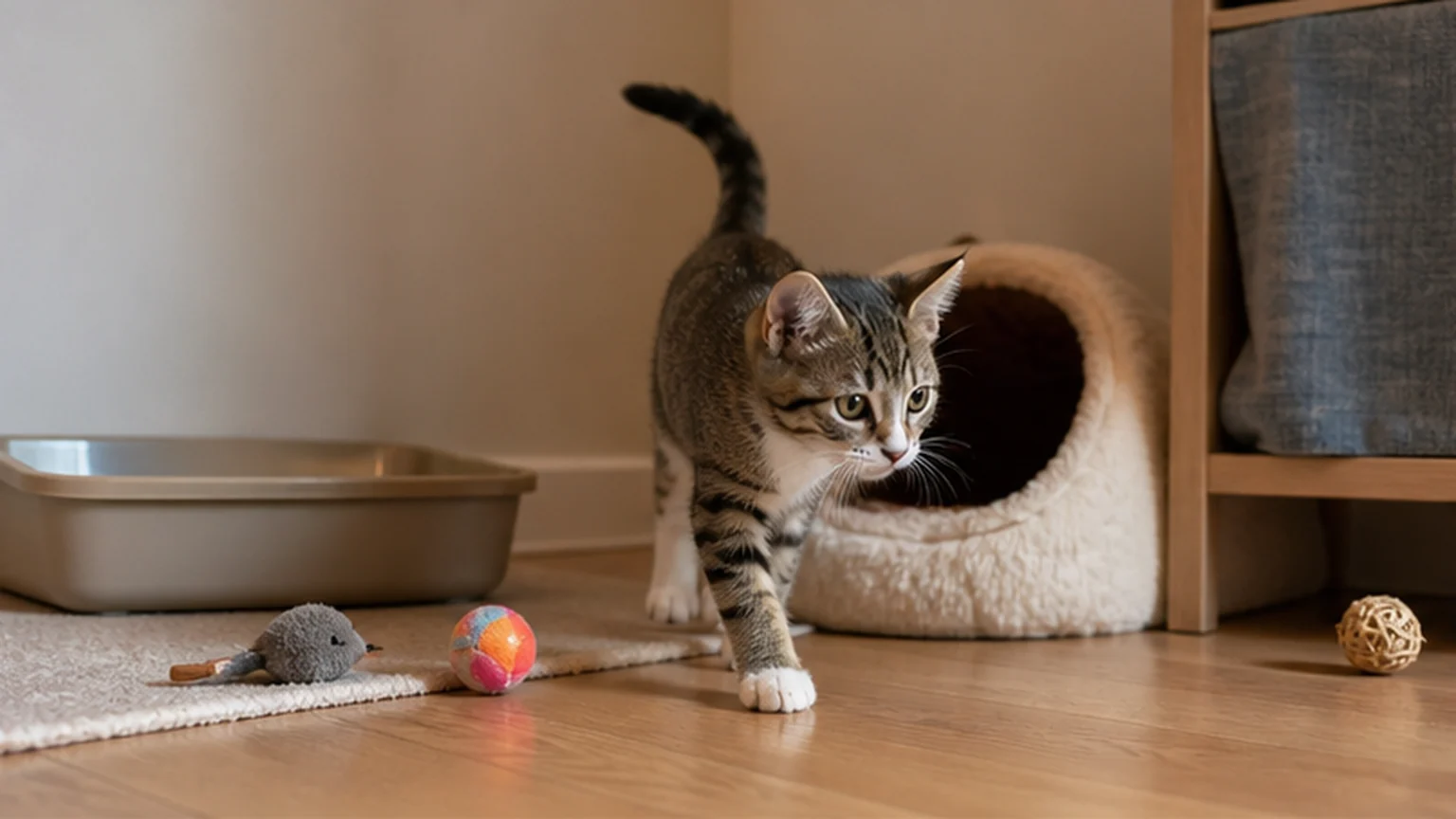
Whenever you bring a new cat home, or after a stressful event like moving, set up a 'safe room' before you open the carrier. A spare bedroom, a bathroom, or a quiet home office works well. The room should include:
- A litter box on one side and food and water on the opposite side.
- A soft bed, a cardboard box lined with a towel, and maybe an open cat carrier with a bed inside.
- A scratch post and a toy or two.
- A window perch if the window is safe and secure.
Why keep food and litter apart? Cats naturally avoid elimination near their food, and placing them far apart prevents stress. Also, the safe room should have one main entrance and exit, but the cat should never feel trapped. Place a baby gate ajar if needed, or simply shut the door and let the cat know you'll knock before entering.
Spend quiet time in the safe room every day without expecting contact. Bring a book, sit on the floor, and speak in a soft voice. This teaches your cat that your presence means nothing bad happens.
Give hiding spots top priority
Hiding is not a sign that a cat is 'broken.' It is the opposite: hiding is a healthy coping strategy that helps a scared cat feel safe. When a cat hides, its stress hormones drop. If you force a cat out of hiding, you teach it that hiding doesn't work, which can increase fear.
Provide multiple hiding options in every room the cat uses. Good choices include:
- Cardboard boxes with a doorway cut into the side.
- Cat tunnels and igloo-style or covered beds.
- Under-bed clearance: use a storage box to block off part, leaving a private gap.
- Tall cat trees with an enclosed cubby or perch.
Let your cat choose where to go. If your cat hides under the bed, leave a bowl of water and a couple of treats near the edge of the bed. Never reach under or drag your cat out. Instead, sit on the floor nearby and offer a slow blink or a favorite toy.
Use pheromone products wisely
Synthetic pheromones mimic the facial pheromones cats release when they rub their cheeks on objects. Those messages mean 'this area is safe and familiar' to many cats. Pheromone diffusers plug into the wall and spread the signal through the room. Sprays can be applied to a carrier, blanket, or bed. To use them well:
- Start the diffuser at least 30 to 60 minutes before a stressful event.
- Place the diffuser in the room where the cat spends the most time. Avoid hiding it behind furniture; let the air flow.
- Use one diffuser per large room; a 20-25 m² unit is typical for one room.
- After applying spray to fabric, wait 10 to 15 minutes before letting the cat touch it.
Keep in mind that pheromones are not a sedative and do not treat pain or illness. They add a layer of calm, but they can't do the whole job alone.
Here's a quick look at common product formats:
| Product type | How it works | Typical use |
|---|---|---|
| Diffuser | Plugs into a wall socket and releases pheromone into the air | Long-term support in the main resting room |
| Spray | Apply directly to bedding, carriers, or a new room | Travel, vet visits, new spaces |
| Wipes | Wipes release a similar signal and can be used on surfaces | Carriers, scratching posts, door frames |
Always follow the manufacturer's instructions on placement. Using more than recommended does not increase the effect.
Build a gentle daily routine
Cats are creatures of habit. A predictable routine lowers stress because your cat learns what will happen next. Try to keep the same times for meals, play, and quiet time each day. A good structure looks like:
- Morning: eat, then a short grooming or play session.
- Midday: quiet time; maybe a puzzle feeder with a treat scattered around.
- Evening: play with a wand toy to mimic hunting, then a meal following the play.
- Late evening: a quiet snuggle session if your cat approaches.
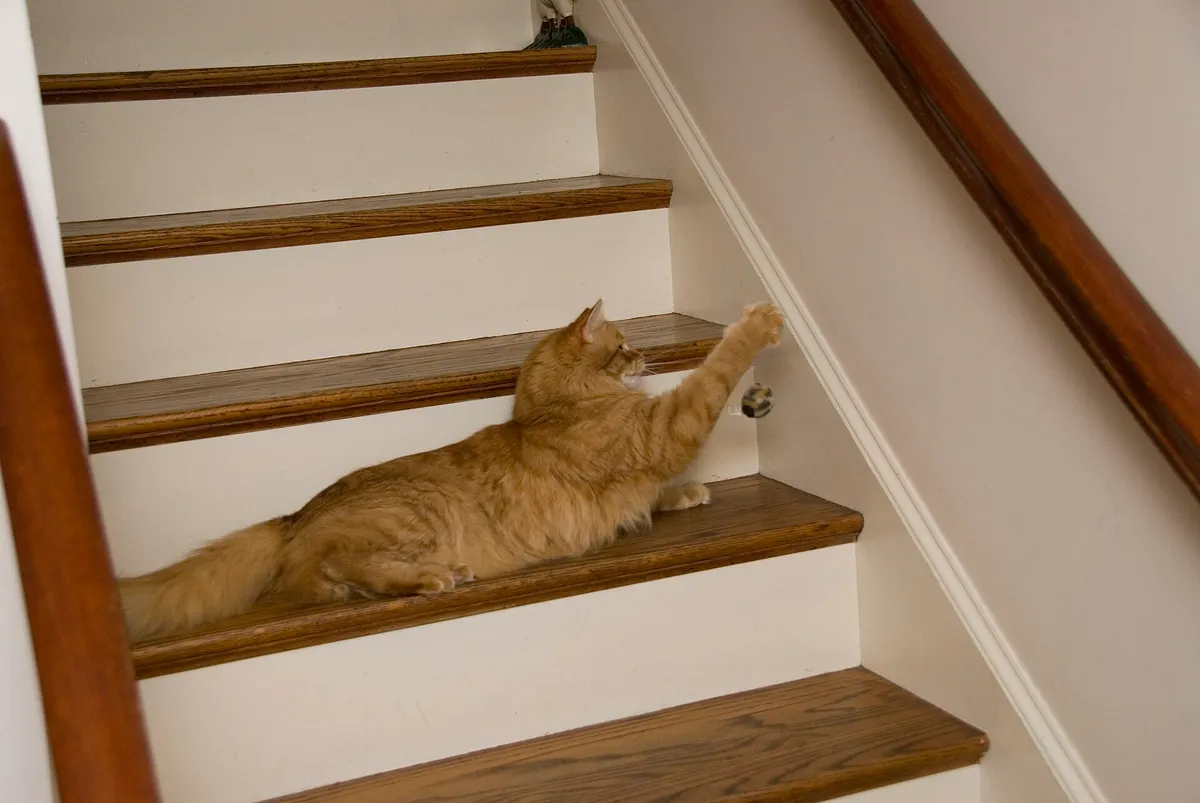
Play is one of the strongest tools for rebuilding confidence. Use a wand toy and let your cat 'catch' it every few minutes. Then feed a meal. This mirrors the natural hunt-catch-eat sequence and can shift a cat's focus from fear to fun.
If your cat is too scared to play, start with a puzzle feeder or a treat scatter. The simple act of foraging for food can lower anxiety.
Read cat body language
Learning to read a scared cat's body language lets you adjust before the cat feels cornered. Common signs of fear include:
- Ears flattened sideways or backward.
- Pupils large and dilated, with a pin-holed look in bright light.
- Tail tucked under the body or curled tight around it.
- Crouched posture with legs under the body.
- Hissing, growling, yowling, or freezing.
- Hackles raised along the back and tail.
A slow blink is a signal of trust in cat language. If your cat is looking at you from a hiding spot, give a slow blink and then look away. Over time, your cat may blink back, which is a good sign.
Do not approach a scared cat face-on or reach over its head. Instead, sit sideways, lower yourself, and let the cat decide to come to you. If the cat backs away, you are too close. Move farther away and try again.
What to avoid when a cat is scared
A few common mistakes can undo your progress:
- Picking up or grabbing a scared cat. This destroys trust and can lead to a bite.
- Chasing a cat to catch it. That confirms the threat.
- Punishing hissing, growling, or hiding. Hiding is a coping strategy, not defiance.
- Forcing eye contact or crowding the hiding spot.
- Leaving the cat in a confined carrier or a closet as a 'time-out.'
Also schedule calm visits. Let visitors know to ignore the cat completely until the cat chooses to investigate.
If you have other pets, do not let them chase or corner the new cat. Introduce them slowly with a closed door between them, and give every cat access to a private room. If a scared cat suddenly stops eating, begins vomiting, or seems painful, stop home-based calming advice and contact your veterinarian. Hiding can mask illness, so watch for changes in appetite and litter box use.
Frequently Asked Questions
How long does it take for a scared cat to calm down?
It varies. Some cats show improvement in a few days, while others need a few months of consistent routine and safe hiding places. The key is to reduce stressors and avoid forced contact.
Should I let my cat hide or should I pick him up?
Let your cat hide. Forcing contact usually raises fear. It is better to let your cat choose when to emerge, and then reward brave moments with treats or soft words.
Do calming pheromones actually work?
Evidence is mixed, but many cats appear to benefit from them. They are safe and easy to use when paired with environmental changes. They work best as part of a full calming plan, not as a stand-alone product.
How do I help a rescued or previously abused cat feel safe?
Create a predictable home with safe rooms, hiding spots, and gentle routines. Give the cat even more time to approach. Avoid sudden movements, loud voices, and overwhelming introductions. If needed, work with a certified behaviorist.
Key Takeaway
A scared cat feels safer when it controls its environment. Provide a quiet safe room, plenty of hiding spots, and a steady routine. Use pheromones as a helpful extra, and always respect the cat's choices. With patience and consistent gentleness, most scared cats eventually choose to come out, purr, and even seek your company.
Sources & Scientific References (3)
Share this guide
Help another cat parent find it.