Can Cats Drink Broth? Yes, If It's Sodium-Free and Onion-Free
Unsalted, onion-free and garlic-free broth can be a tempting way to boost your cat's hydration. Learn how to serve it safely, how much to offer, and when to skip it.
Wet vs dry food choices, daily feeding amounts, and safe vs toxic human foods.

Unsalted, onion-free and garlic-free broth can be a tempting way to boost your cat's hydration. Learn how to serve it safely, how much to offer, and when to skip it.

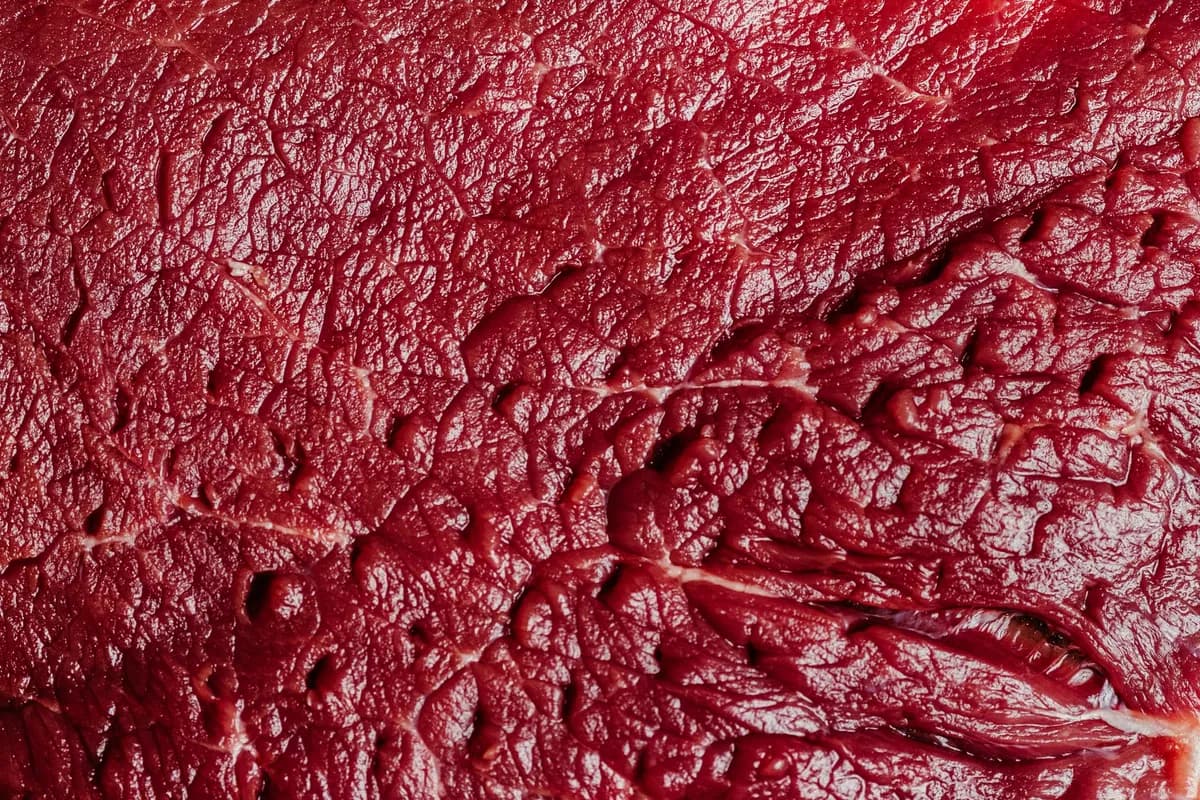
Plain, cooked, unseasoned beef can be a safe occasional treat for healthy cats. This guide covers lean cuts, safe cooking methods, and portion sizes that fit a cat's daily treat budget.
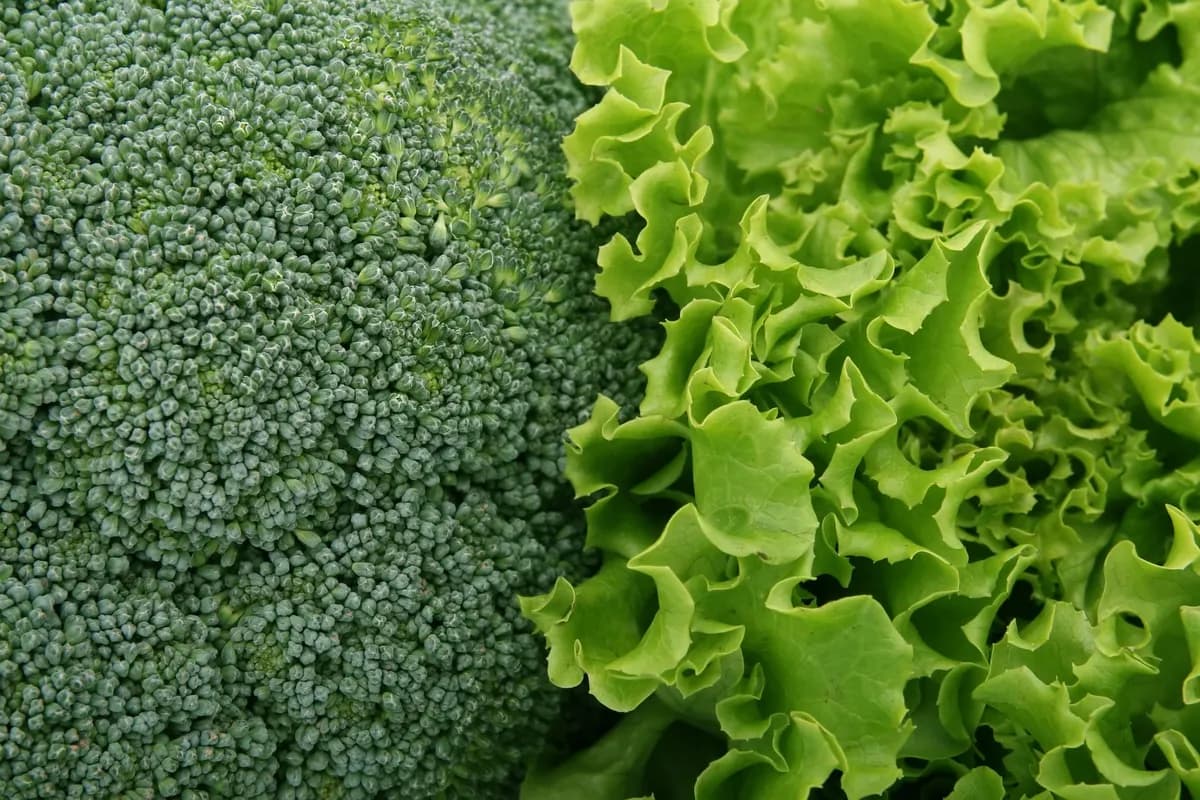
Yes, cats can eat plain, steamed broccoli in small pieces. It is not a necessary part of their diet, but it can be a safe low-calorie treat when prepared properly.

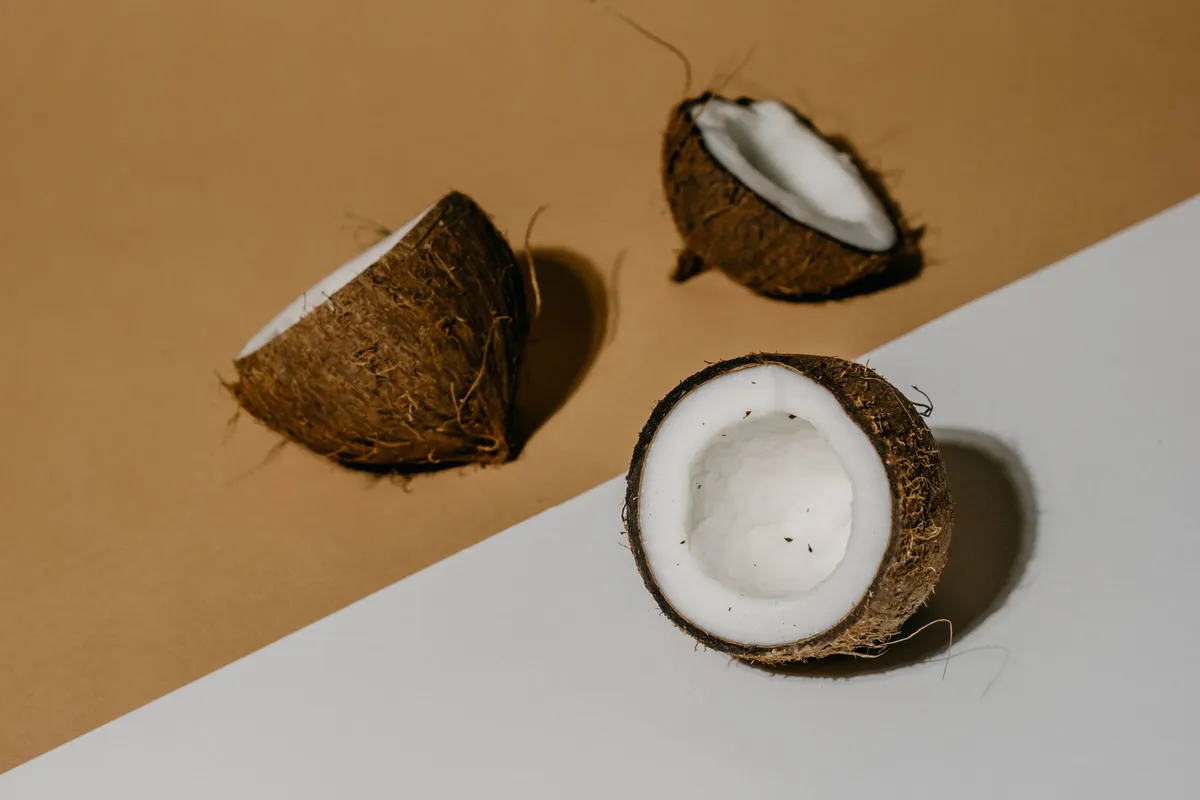
Cats can eat small amounts of fresh coconut flesh, but coconut is high in fat and low in nutritional value. Learn which coconut products are safer, which to skip, and how to offer them without upsetting your cat's stomach.

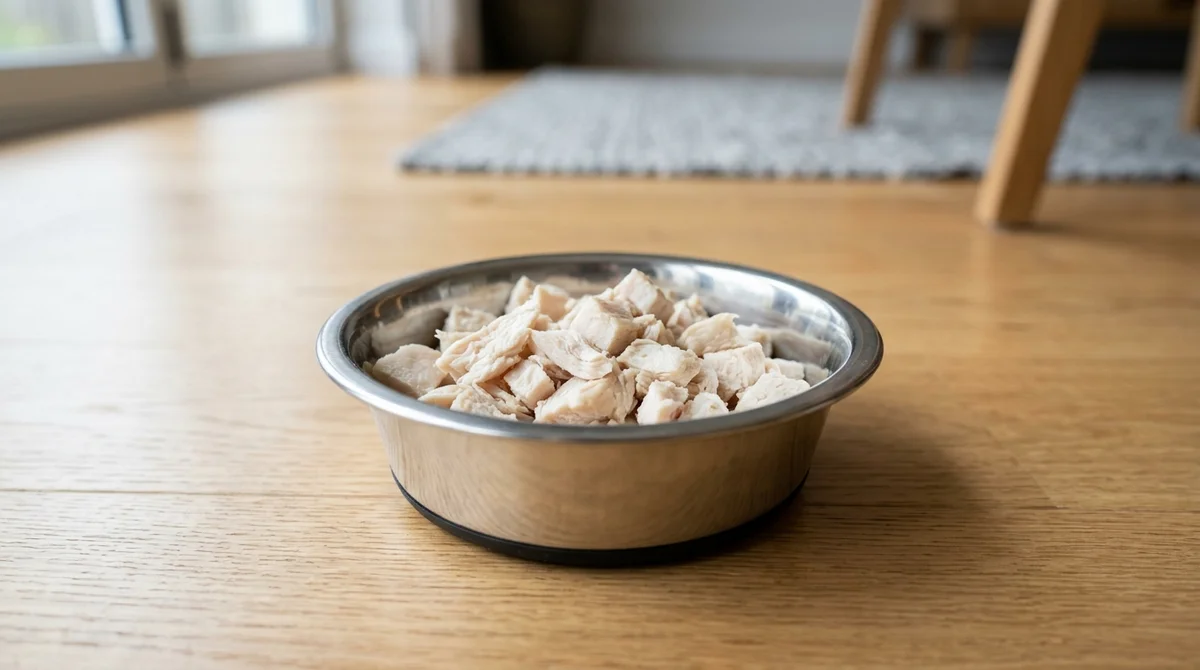
Learn whether cats can eat chicken — plain cooked chicken, raw chicken and pathogen risk, bones, skin, seasonings, and portions. Clear, evidence-informed guidance for a safe treat.

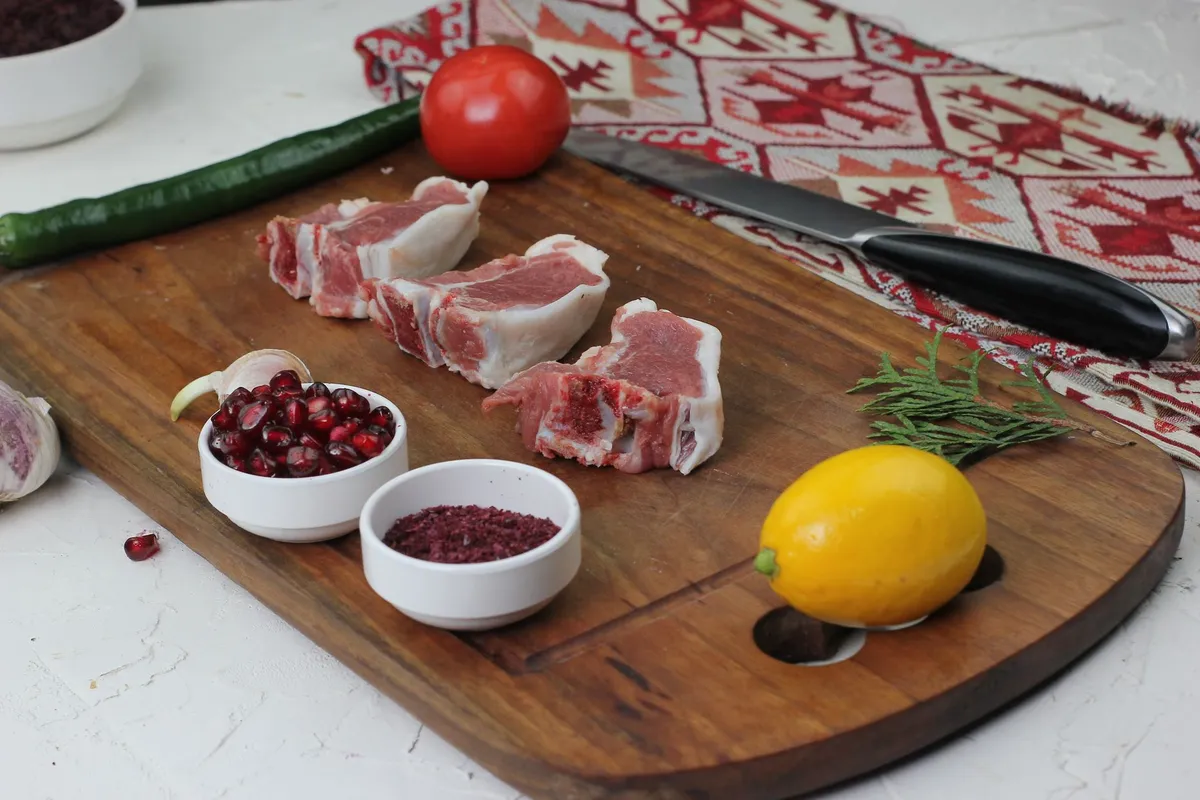
Plain cooked lamb is a safe occasional treat for most cats when served unseasoned and in small amounts. This guide covers portion sizes, the risks of fat trimmings and seasonings, and how to prepare lamb safely.
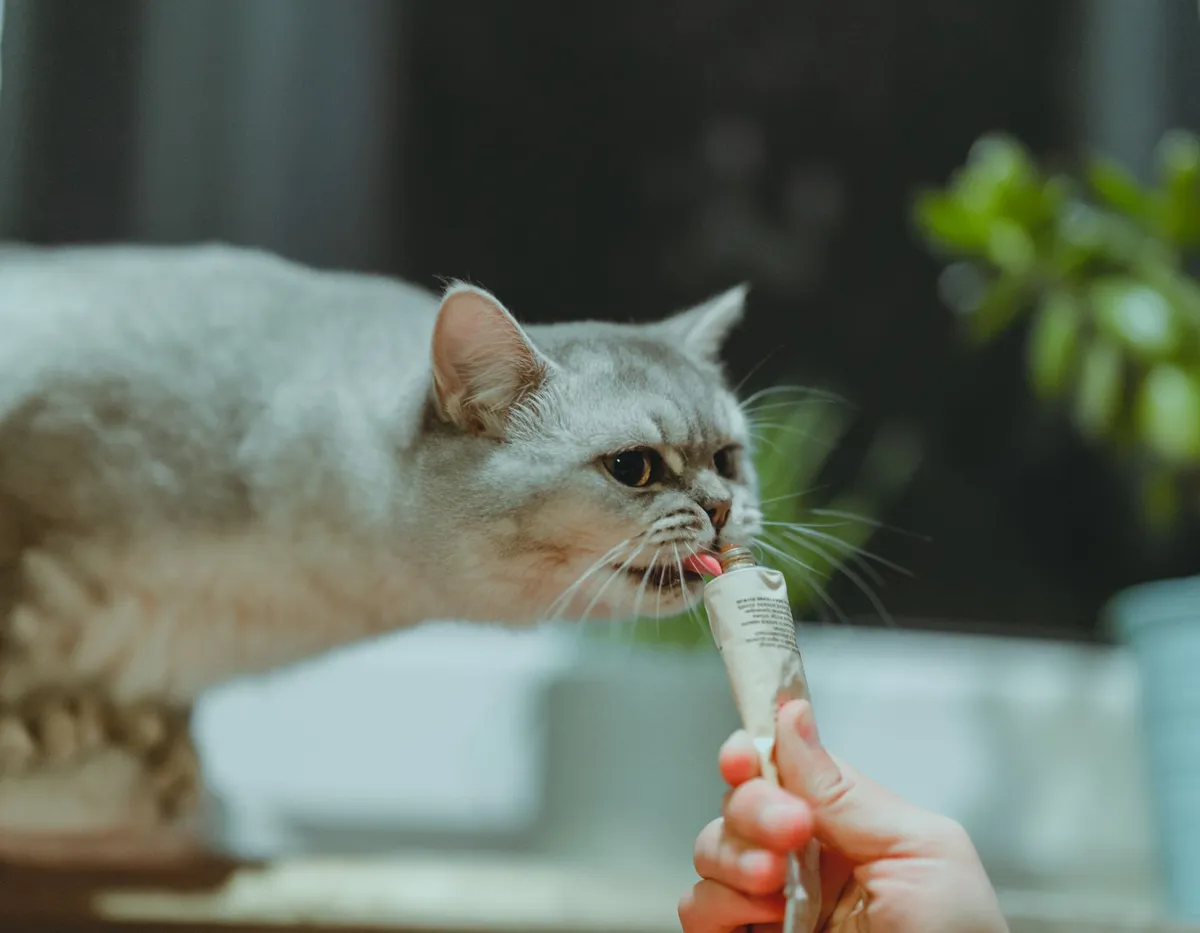
Yes, cats can eat liver as an occasional treat, but portion size matters. This guide explains how much cooked liver is safe, why vitamin A accumulates, and when to check with your veterinarian.
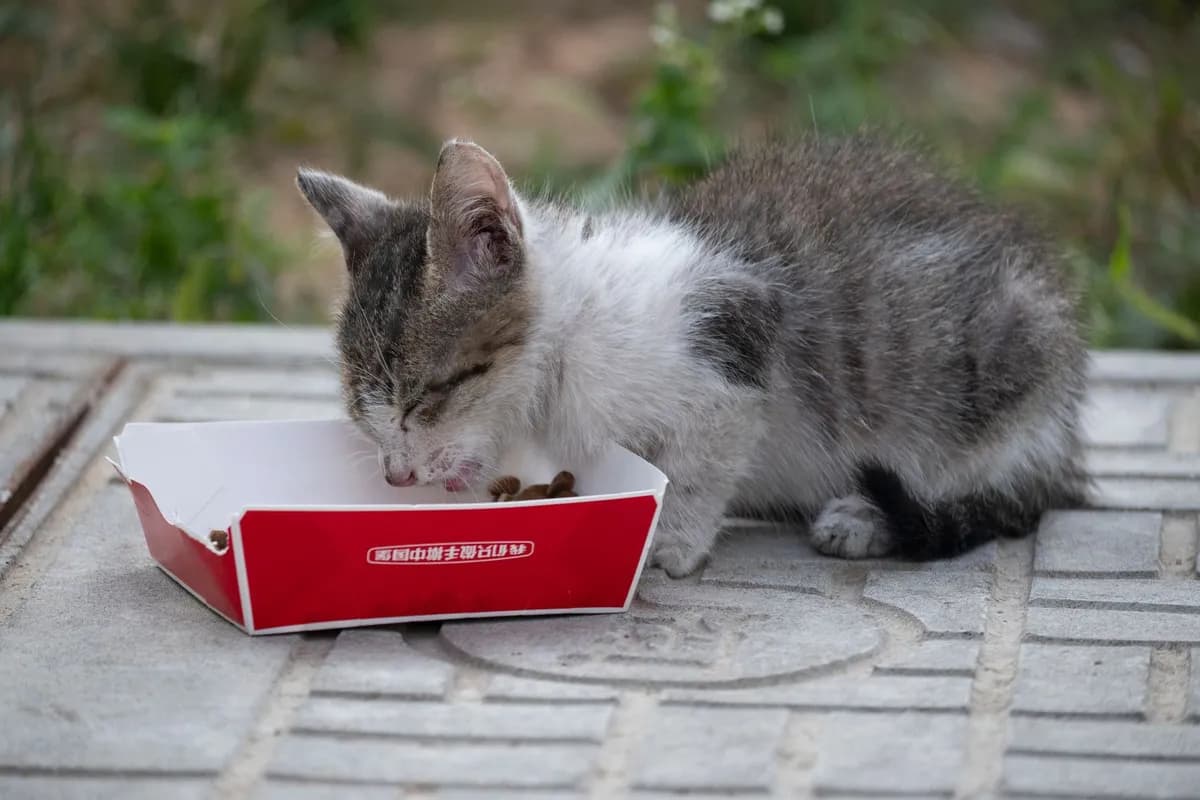
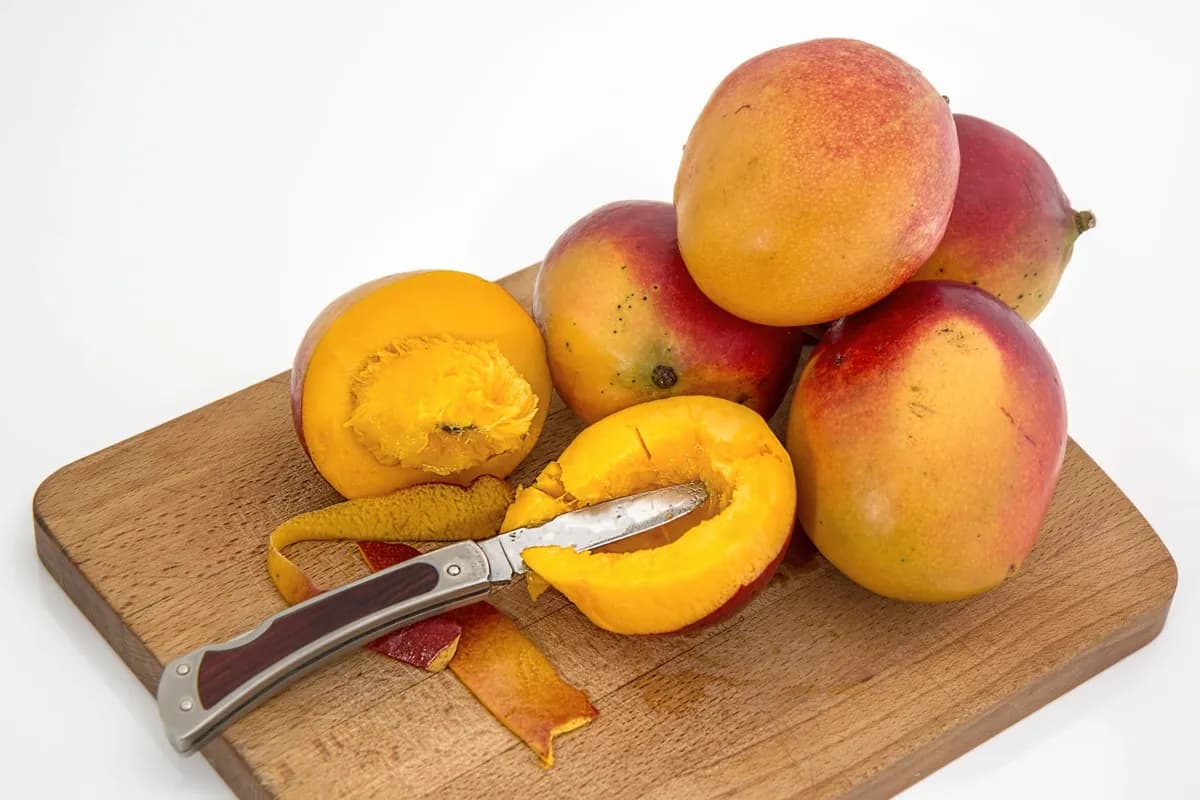
Yes, cats can eat small pieces of ripe mango flesh as an occasional treat, but the skin and pit are unsafe. This guide explains how to serve mango safely and how much is too much.
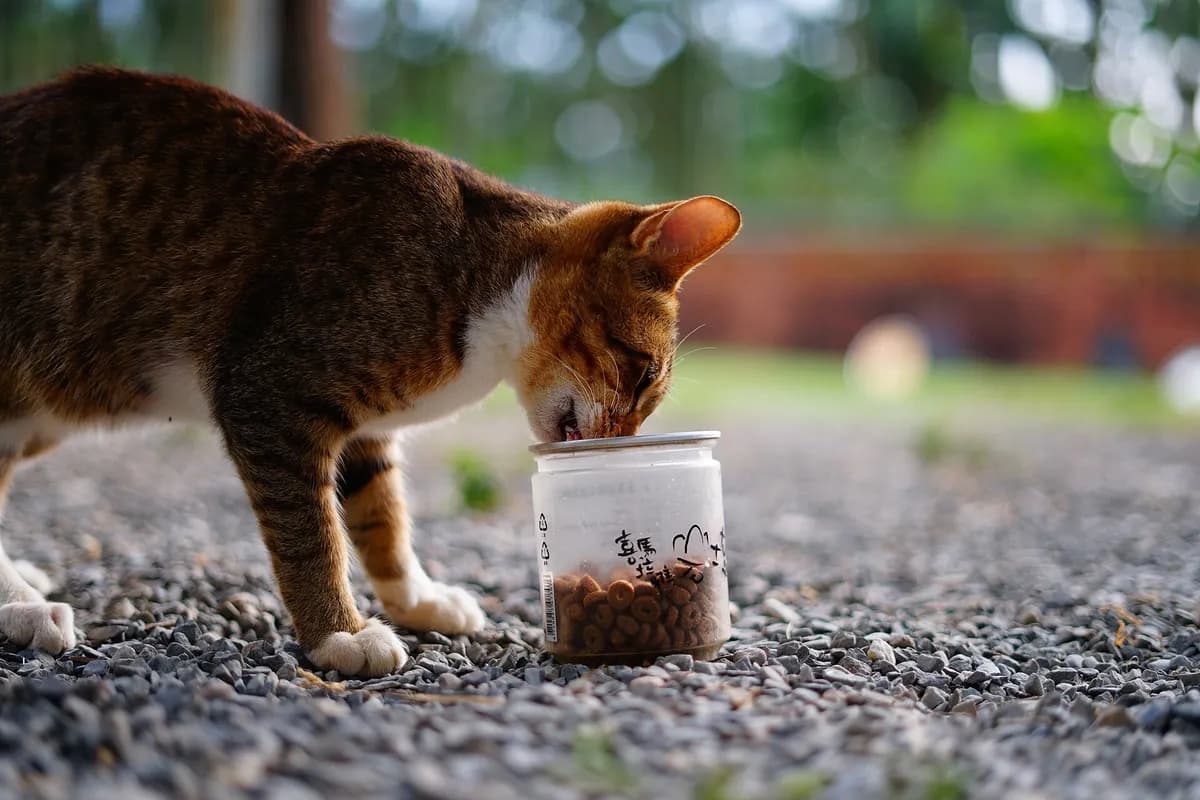
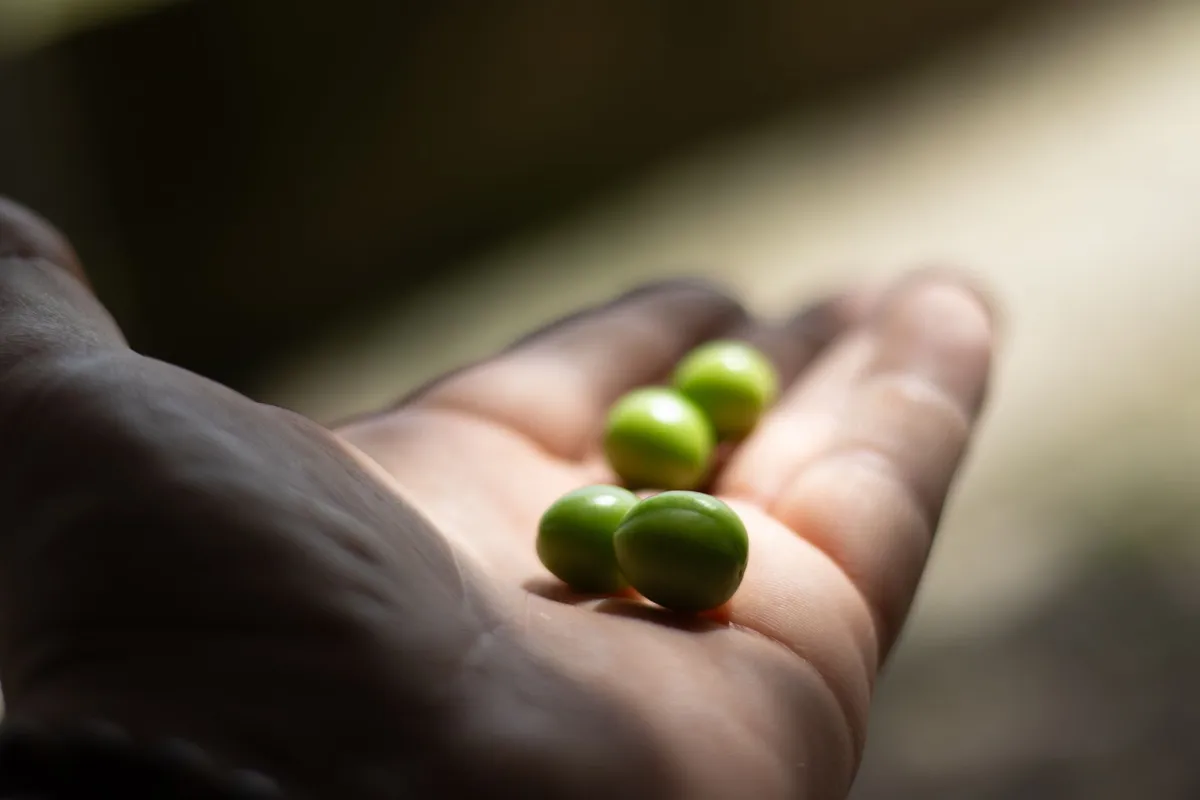
Wondering whether peas are a safe treat for cats? Plain cooked peas can be a safe, fiber-rich snack in small amounts. Learn how to serve them and what to skip.

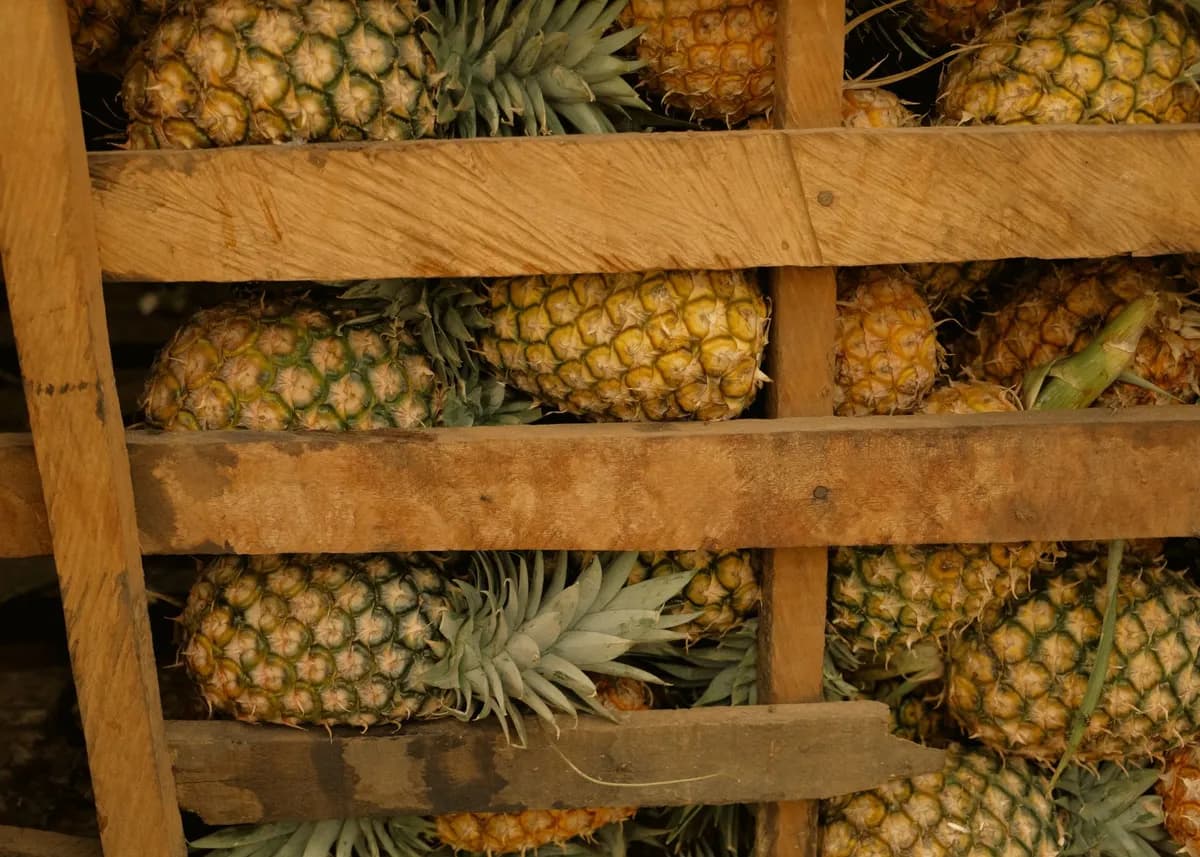
Yes, cats can eat small pieces of fresh pineapple as an occasional treat, but avoid canned versions in syrup. Learn how much is safe, how to prepare it, and what to watch for.

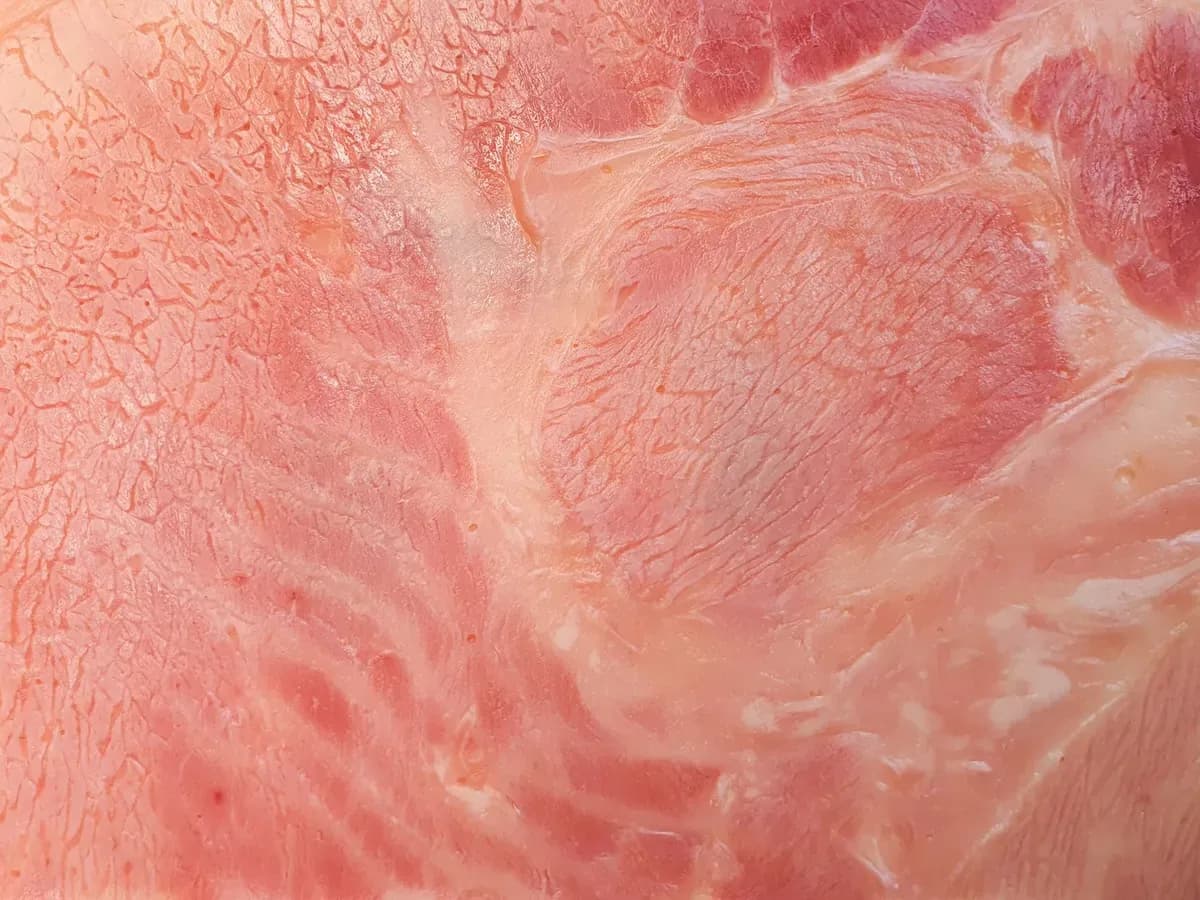
Plain, fully cooked pork can be a safe, occasional treat for cats. Learn how to prepare it, what portions are reasonable, and which pork products to avoid.

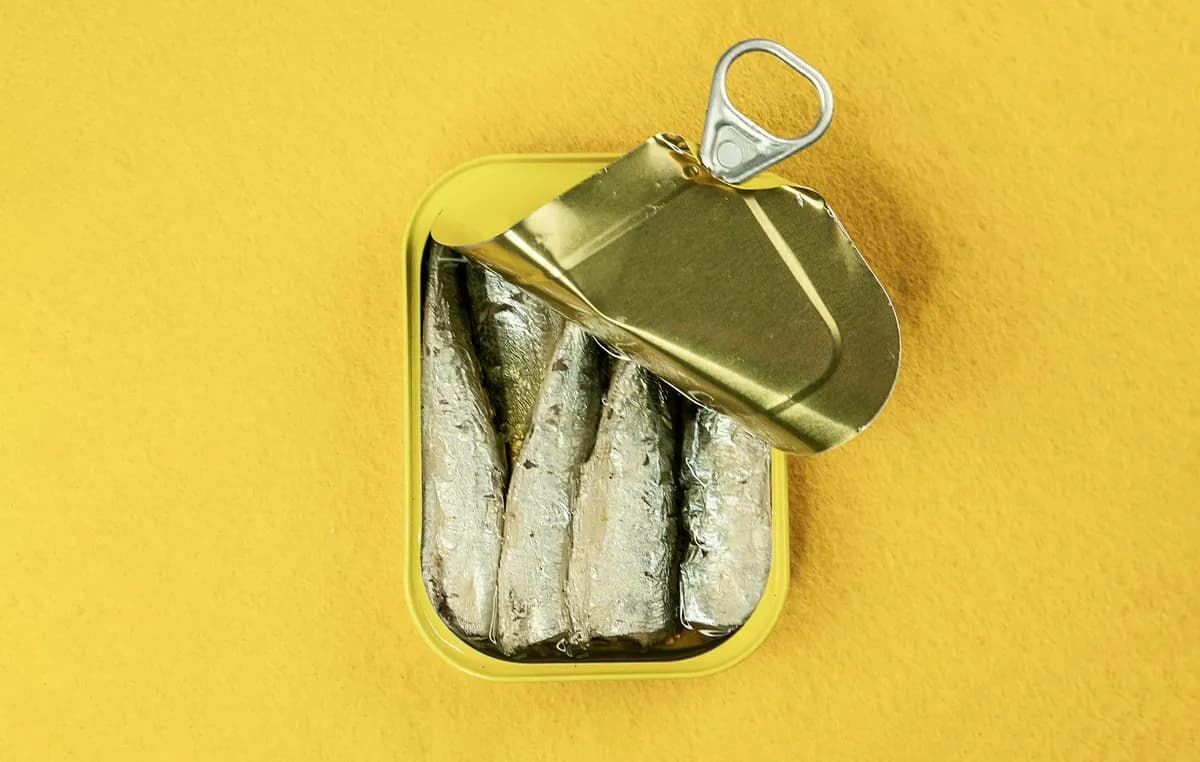
Yes, cats can eat sardines as an occasional treat, but only when the fish are plain, water-packed, boneless, and served in small portions. This guide covers safe serving rules, mercury and salt notes, and portion sizes for your cat.

Learn how to safely offer turkey to your cat, including plain preparation, portion sizes, and which parts to avoid. Get clear, evidence-informed guidance for a worry-free treat.

Wondering if you can share your apple with your cat? Learn which parts are safe, how to prepare them, and how much is too much. Plain flesh only.

Blueberries are a safe, low-calorie treat for cats when served plain, washed, and in small portions. Here's how to feed them without harming your cat's digestion or waistline.

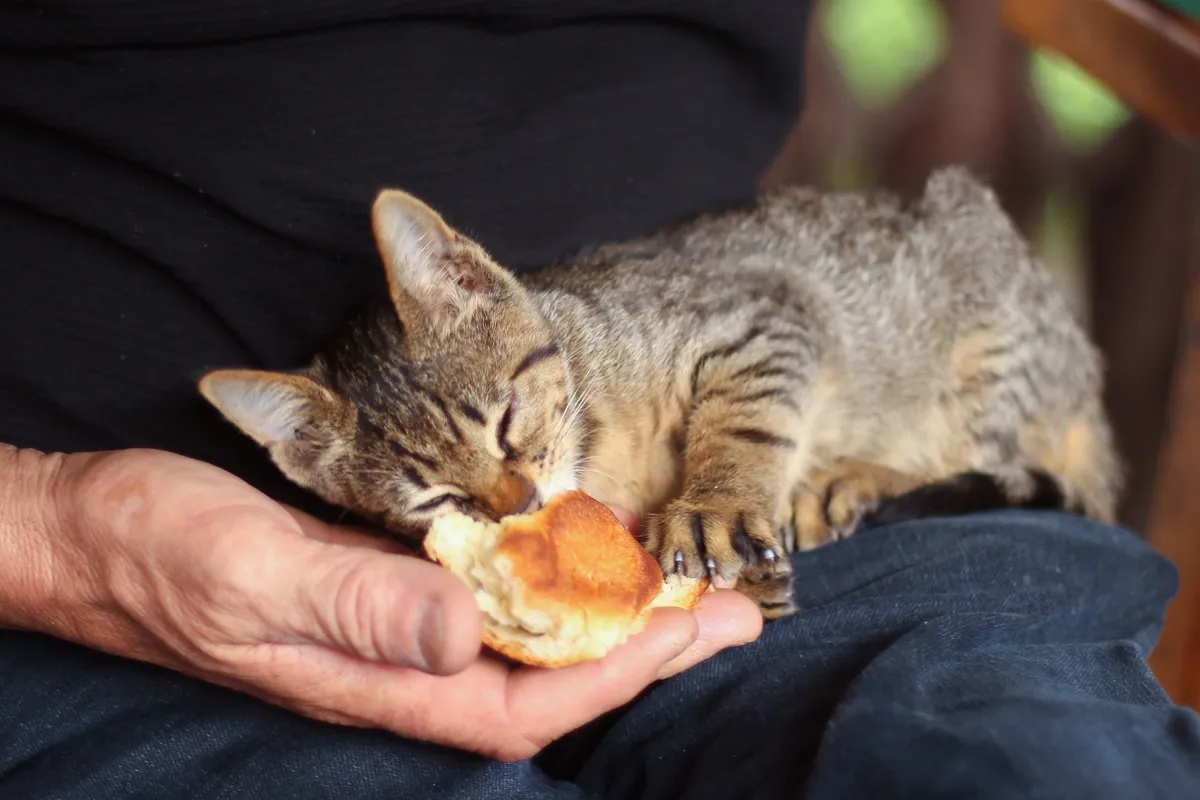
Plain bread is safe for most cats in small bites, but it offers no real nutrition. Learn which breads are unsafe, why raw dough is dangerous, and how to portion treats wisely.

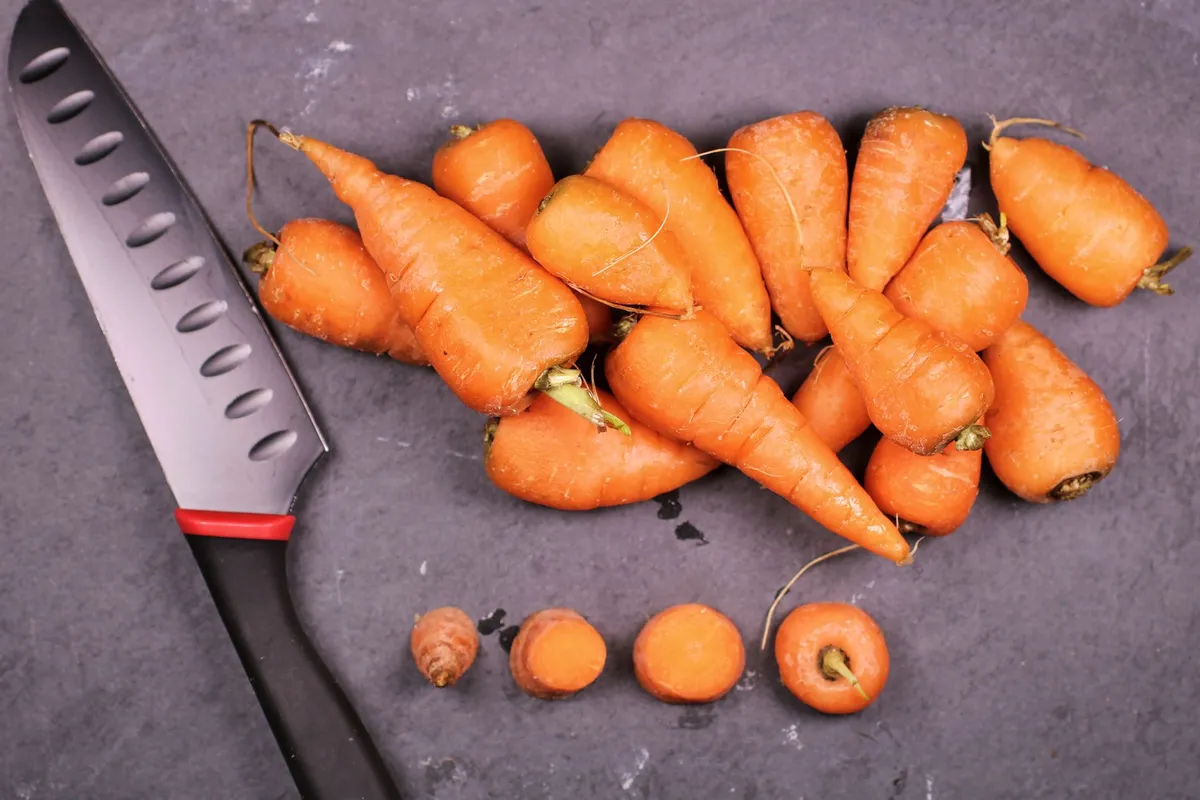
Carrots are safe for cats as an occasional treat when cooked plainly and cut into small pieces. This guide explains the best way to serve carrots and why they cannot replace a meat-based diet.

Plain, small cucumber pieces are generally safe for cats as an occasional treat. Learn how to prepare them, how much to offer, and when to skip them.

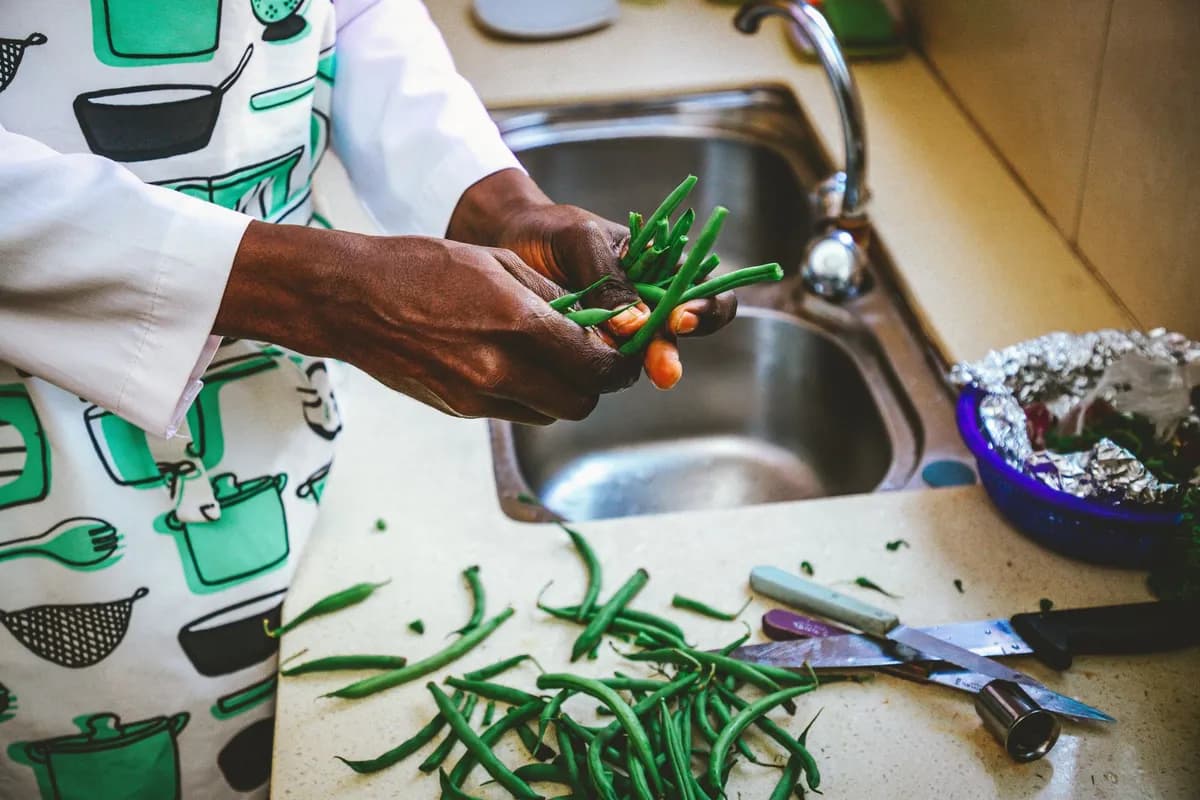
Green beans are safe for most cats when served plain and chopped. Learn safe serving sizes, the best prep methods, and which bean products to avoid.

Wondering if your cat can enjoy a bite of ham or deli meat? Learn why plain, low-sodium, small amounts are the rule, plus which cats should skip lunch meat entirely.

Learn why ice cream is a risky treat for cats because of lactose, fat, and added ingredients, and discover safe, cat-friendly alternatives for a cooling snack.

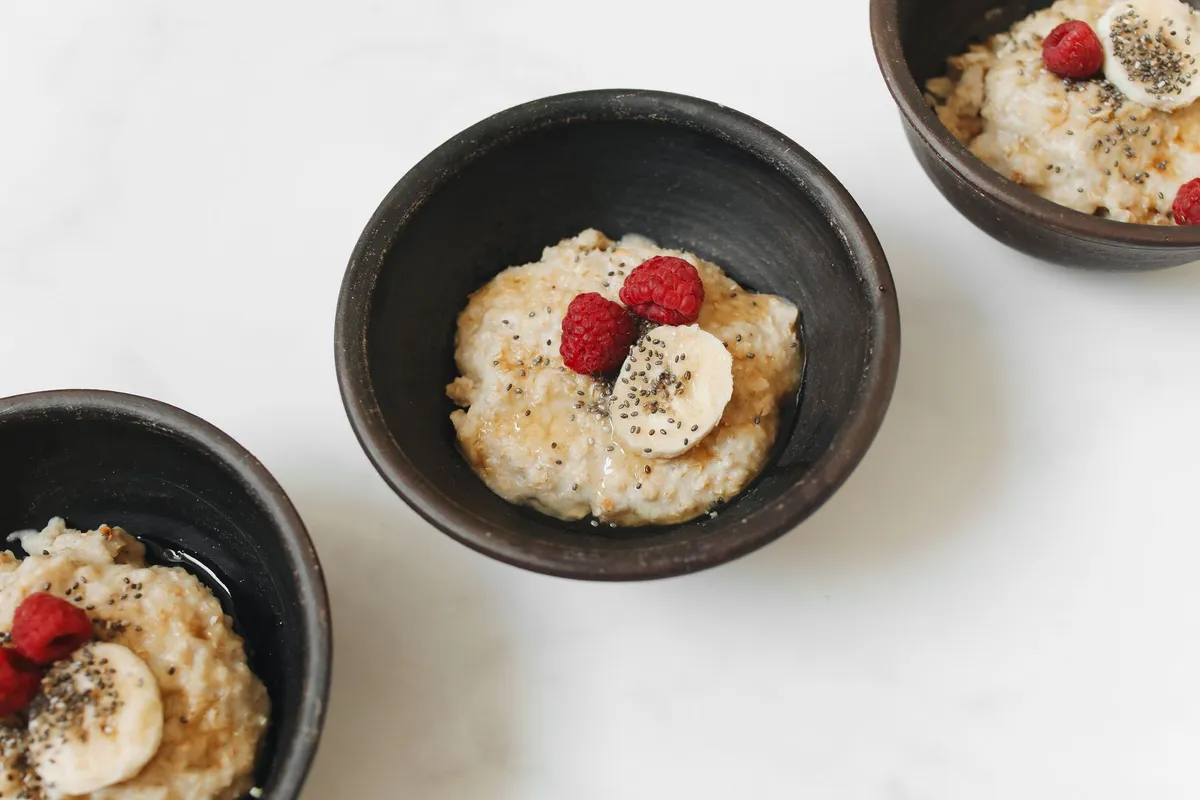
Wondering if cats can eat oatmeal? Learn whether plain cooked oats are a safe occasional treat for cats, how to serve them, and which toppings to avoid.

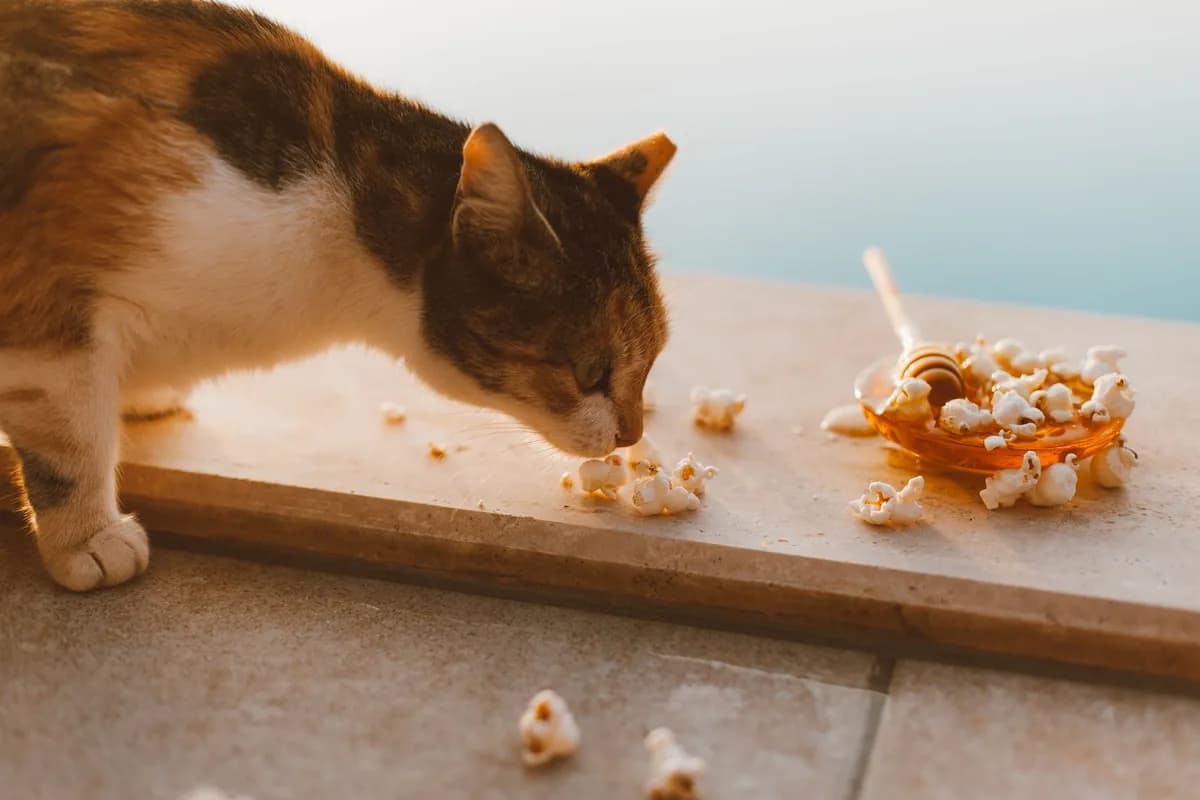
Plain air-popped popcorn is safe as an occasional snack for most cats, but butter, salt, and kernels add real risks. Learn how to share it cleanly and what to avoid.

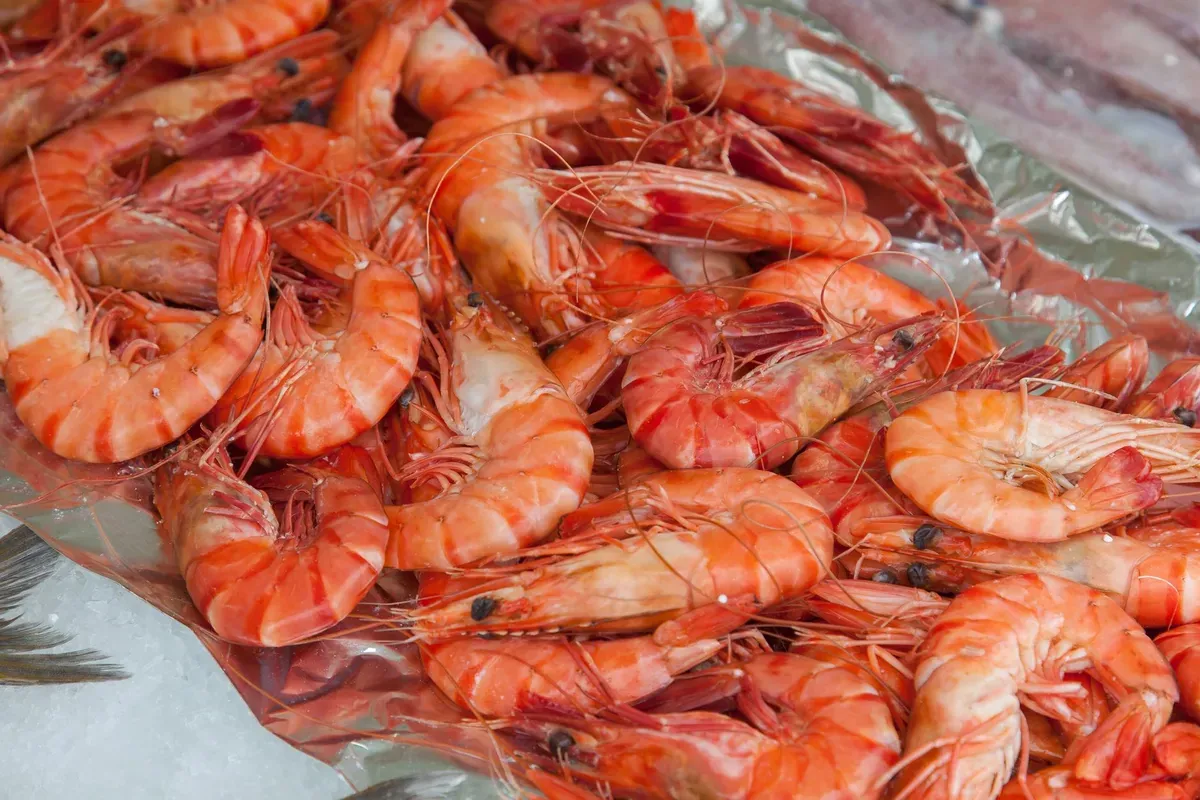
Cats can eat plain cooked shrimp in small pieces, but careful preparation matters. Learn safe serving sizes, risks, and how to offer shrimp as an occasional treat for your cat.

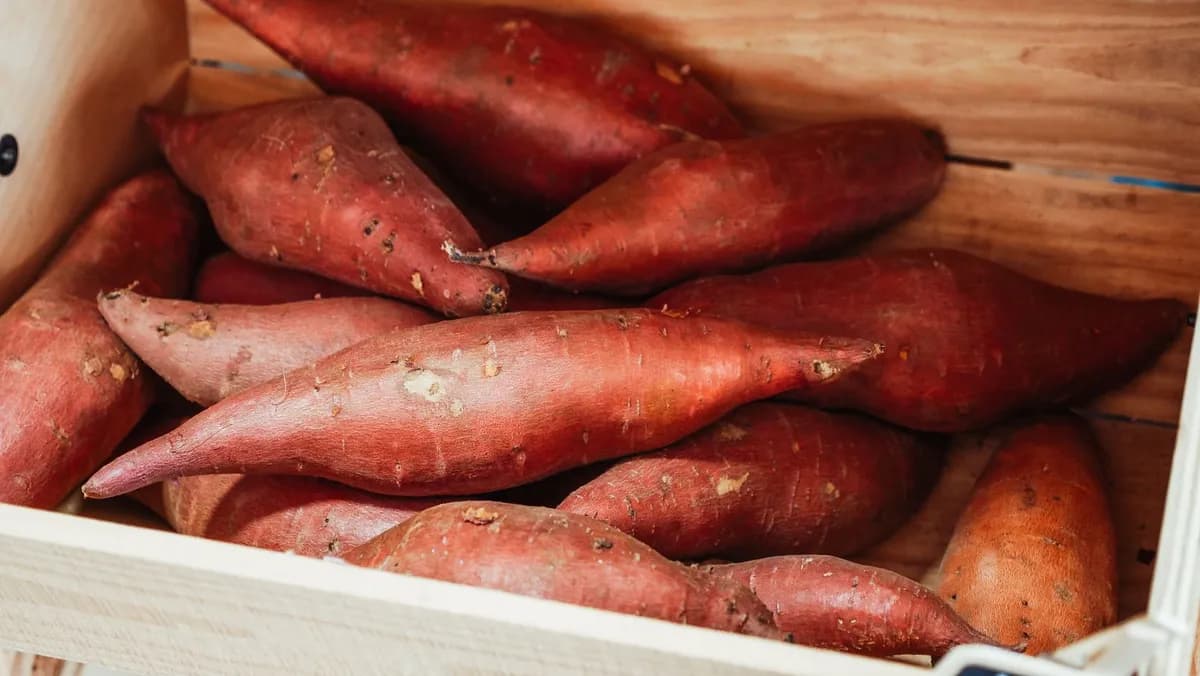
Sweet potatoes are safe for cats as an occasional treat when cooked plain and served in small pieces. Learn how to prepare them and how much to offer.

Wondering if cats can eat bananas? Learn why banana is safe in tiny amounts, which parts are dangerous, and what to offer instead.

Can cats eat rice? Yes — plain cooked white rice is safe as an occasional treat, but it offers little nutritional value for obligate carnivores. Learn serving rules, portion limits, and safety cautions.

Can cats eat salmon? Yes, in small, plain, fully cooked pieces as an occasional treat. Learn about salmon safety, risks, serving sizes, and the best ways to offer this popular fish.

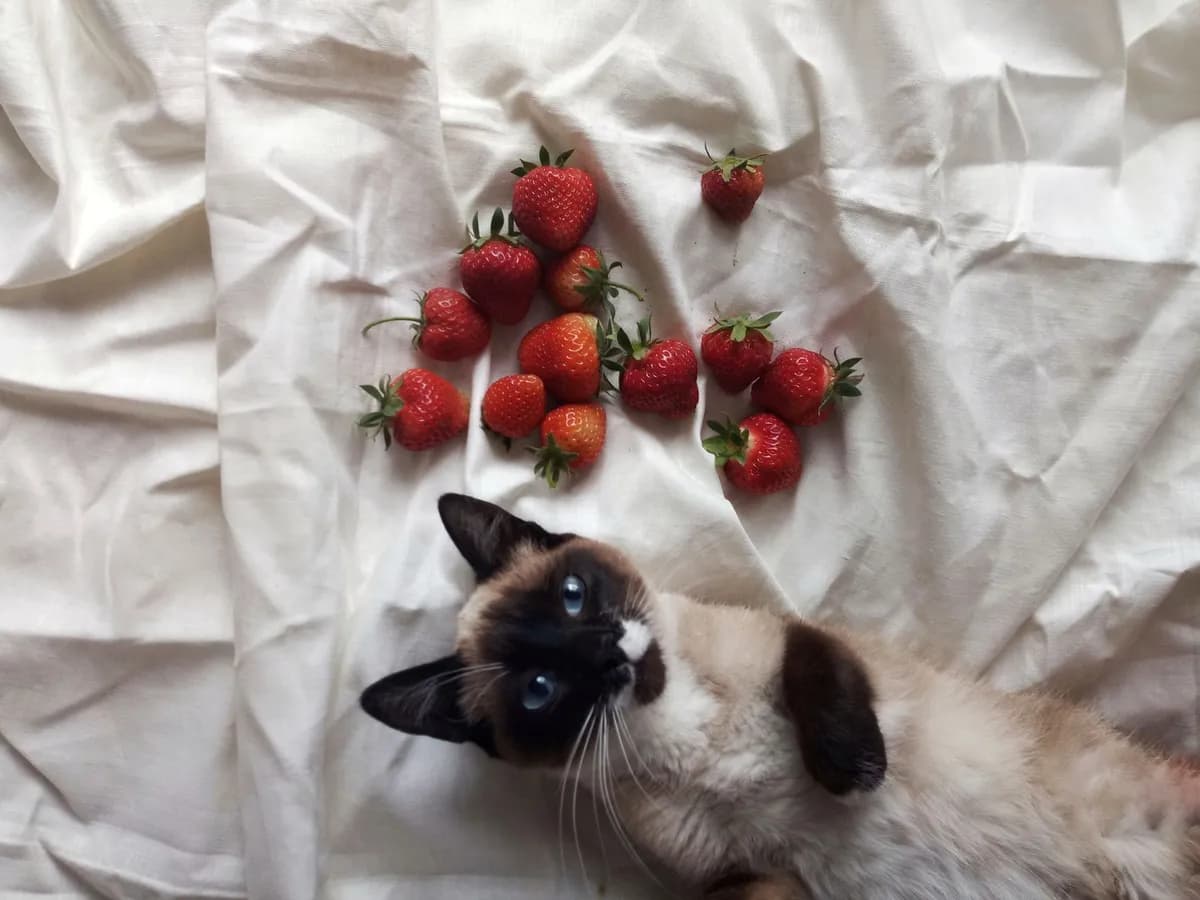
Strawberries are safe for cats to eat in tiny, plain pieces, but they're a treat, not a nutritional need. Learn how to prepare them safely, what to avoid, and which cats should skip fruit entirely.

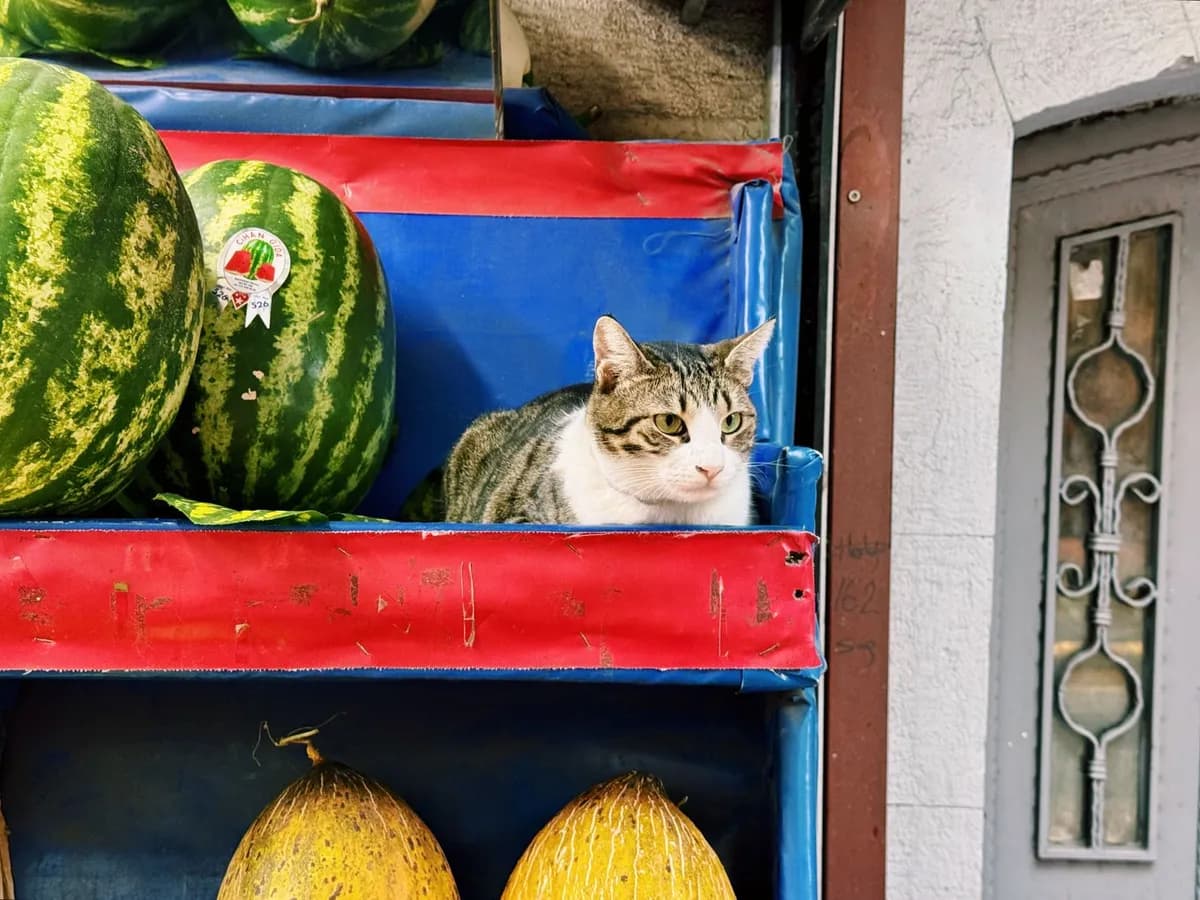
Learn whether cats can safely eat watermelon, which parts to avoid, and how to serve it. Plain watermelon flesh is fine in tiny amounts, but seeds and rind carry real risks.

Wondering whether you can share your morning yogurt with your cat? Most cats can handle a small bite of plain, unsweetened yogurt now and then, but there are real safety rules to know first.

Find out what actually matters when choosing a wet cat food: complete-and-balanced labels, life stage, protein, moisture, calories, and brand quality. This guide helps you read cat food labels with confidence and pick something your cat will truly enjoy.

Learn to choose a complete-and-balanced growth formula for your kitten, how much and how often to feed, and when to switch to adult food — with evidence-informed tips for steady, healthy growth.

Wondering whether cheese is safe for cats? Learn how lactose affects adult cats, which cheeses are lowest in lactose, safe portion sizes, and healthier treat alternatives your cat will love.

Learn whether eggs are safe for cats, how to prepare them, and the risks of raw eggs. Discover the right portion size and frequency for this protein-rich treat.

Plain cooked pumpkin is safe for cats in small amounts and can add fiber and moisture to their diet. Here's how to serve it safely and how much to offer.

Tuna is a common human food that many cats love, but is it safe? This article explains the risks and benefits of feeding tuna to cats, including mercury and thiamine concerns, and offers guidelines for occasional treats.

Most healthy cats on a complete, balanced diet don't need vitamin or mineral supplements. Learn when supplements are truly necessary, how to spot risky products, and how to supplement safely if the vet says yes.

Kitten food and adult cat food differ in more than bag size. Learn why growing kittens need extra protein, fat, and key minerals—and when to make the switch.

Grain-free cat food is hugely popular, but is it actually better for your cat? Here is what the science really says about grains, allergies, heart health, and choosing a diet.

Senior cats have unique nutritional needs that change with age. Learn how to estimate the right portion size, adjust for activity and health, and monitor your older cat's weight.

Raw diets are a hot topic in cat nutrition. Learn what the evidence says about the confirmed benefits, the real safety risks, and how to feed raw safely if you choose to make the switch.

Examine feline lactase enzyme decline after weaning, why cow’s milk causes digestive distress, and safe alternative treats.

Estimate a sensible starting calorie range for your cat and learn how body condition, life stage, activity, and food calorie density can change it.

Estimate a sensible starting portion for an indoor cat and adjust it using activity, body condition, food density, and weight trends.

Learn how to calculate your cat’s daily treat allowance using the 10 percent rule to prevent weight gain and nutritional imbalance.

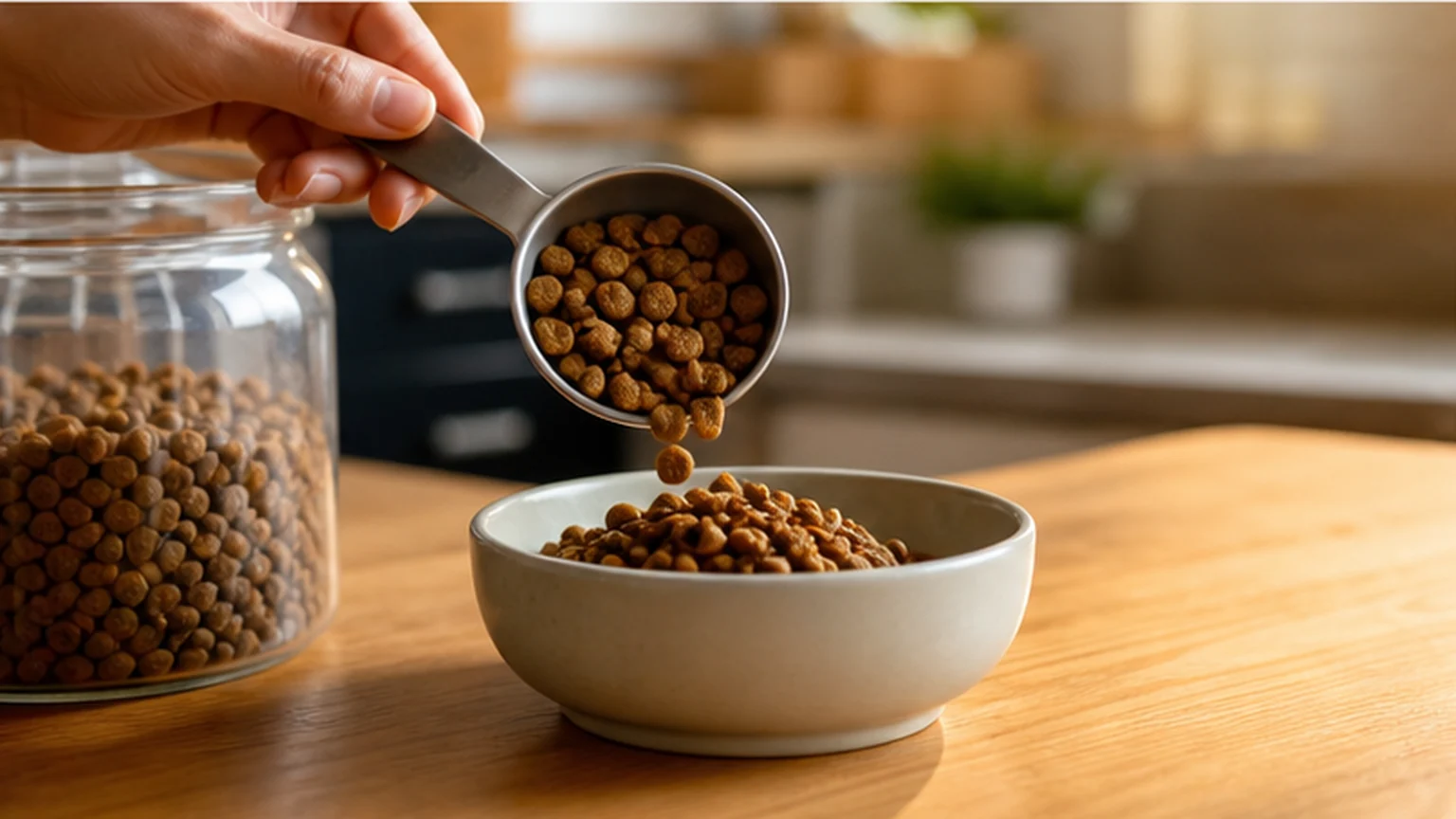
Use calorie density and consistent measuring to build a sensible dry-food starting portion.

A practical, label-based guide to estimating portions, checking trends, and adjusting a cat's feeding routine safely.

Learn how to use growth-appropriate food labels, measured portions, and veterinary monitoring when feeding a kitten.

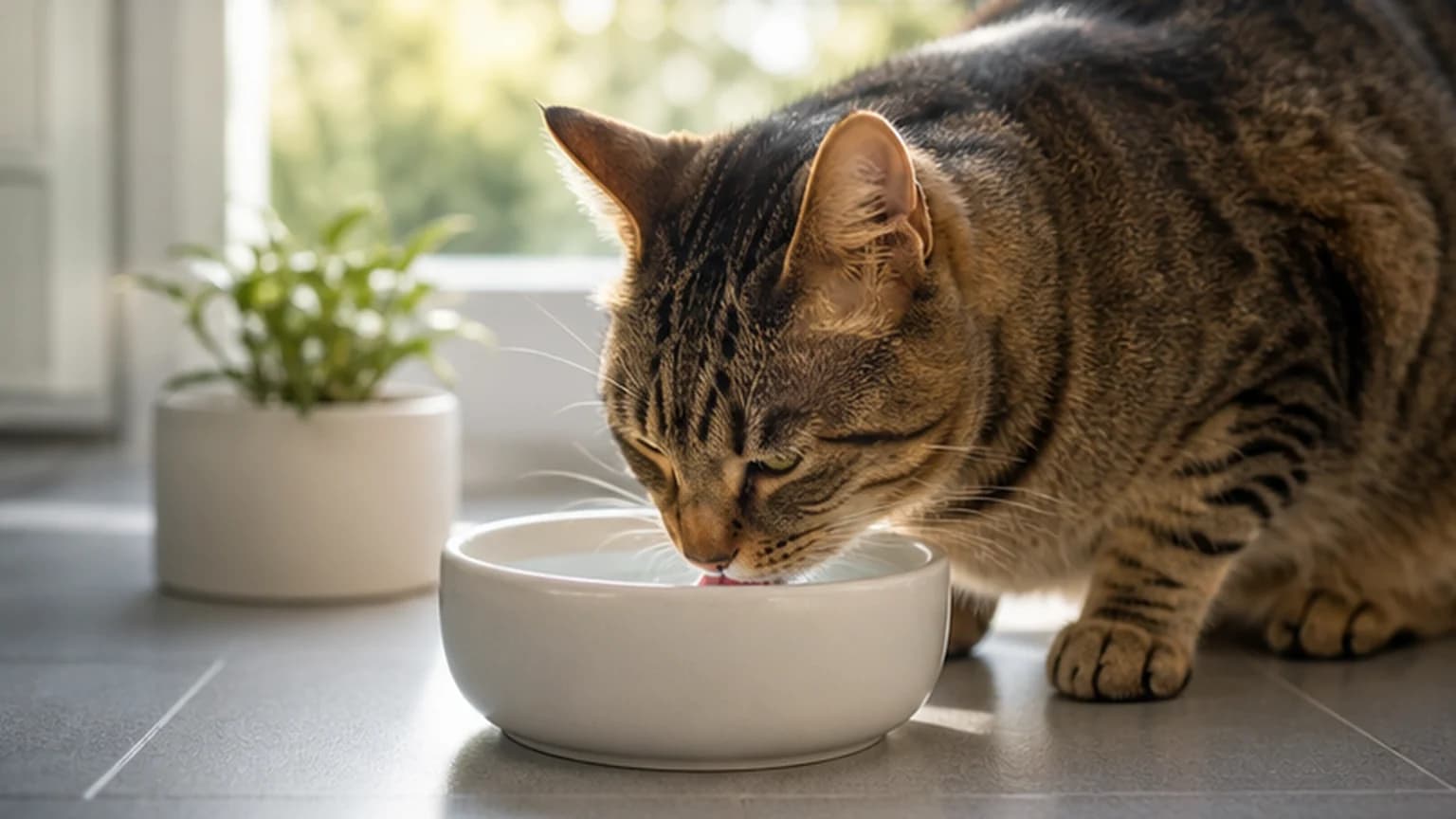
Learn how cats get water from drinking and food, what can change their needs, and when a change deserves veterinary attention.

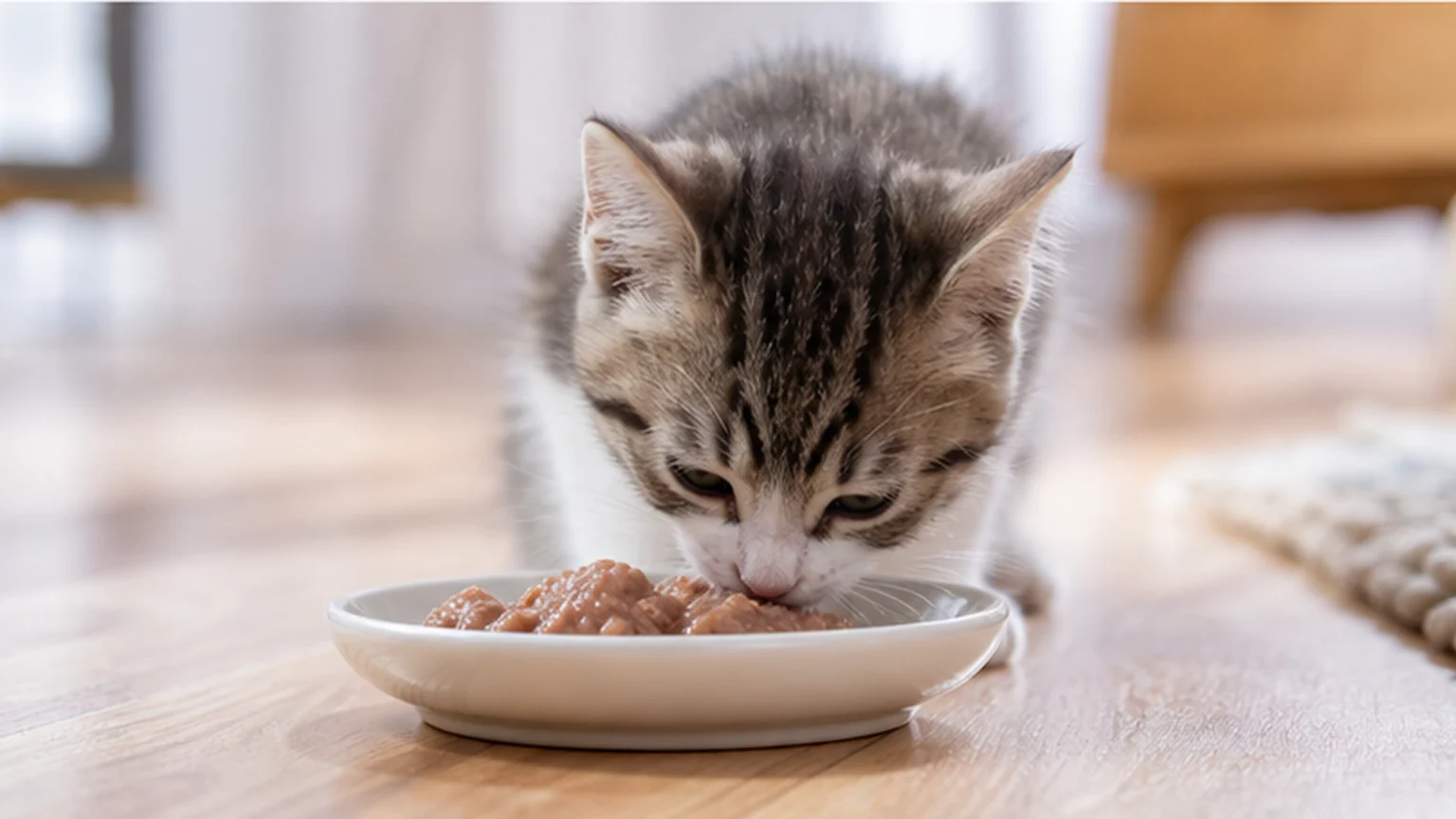
Learn how to turn an estimated daily calorie range into wet-food portions using the label.

Build a consistent feeding routine while keeping daily calories, life stage, food type, and appetite changes in view.

Learn which parts of a cat-food label matter for life stage, calorie calculations, portioning, and everyday comparison.

Evaluate rotational feeding for cats, balancing flavor variety and protein texture rotation against potential digestive sensitivities.

Prevent stomach upset and diarrhea when changing cat food brands with a gradual 7 to 10-day mixing schedule.

Compare the practical characteristics of wet canned food and dry kibble to help you make informed everyday feeding choices.