The short answer
Cats are not acting on a grudge and they do not misbehave out of spite. Most puzzling cat behaviors are normal feline instincts. Kneading, chasing, chattering at birds, sleeping for most of the day, and scratching the furniture all come from the wild cat that still lives inside your house pet, and most have clear meanings. When you understand those meanings, you can respond with the right toys, furniture, and routines. The result is a happier cat and a better bond between you. (For the full breakdown of that paw-pushing habit, see our guide to cat kneading.)
Where cat behavior comes from
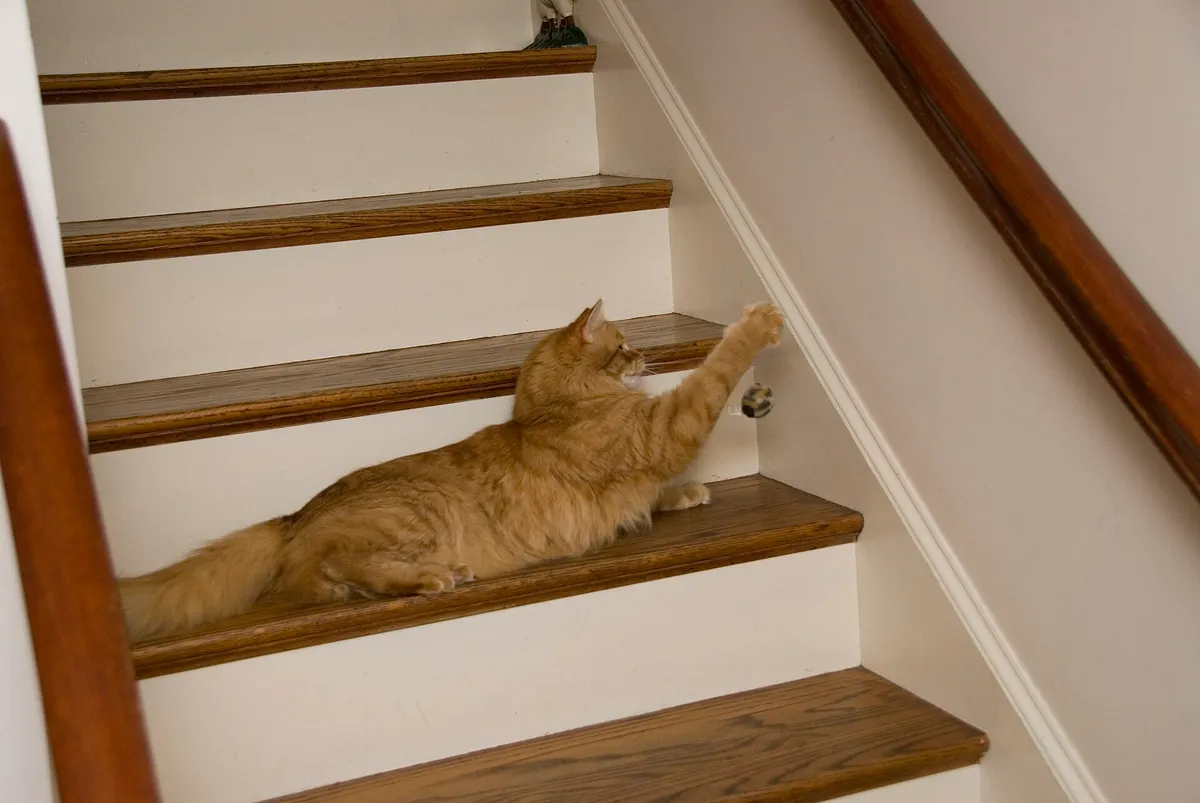
Domestic cats share their ancestry with the African wildcat, a solitary hunter of small prey. That heritage shapes nearly everything your cat does. Hunting behavior matters even for well-fed indoor cats, because the instinct to stalk, pounce, and capture is separate from the need to eat. Territory also matters. Your cat uses scent glands on its face, paws, and tail to leave messages, then checks those messages by rubbing and sniffing. Play is practice. When a kitten pounces on a wand toy, it is rehearsing the same sequence a wild cat uses to catch a mouse: stalk, chase, pounce, grab, bite, and shake.
This explains why cats do not behave like small dogs. Dogs have been bred to work with humans. Cats have been mostly bred to look a certain way, while their behavior has stayed close to that of a solitary wild hunter. That does not make cats unfriendly. It just means they bond through choice rather than through obedience. Building a good relationship with a cat usually involves giving it control over its environment and respecting its space.
Why cats knead
Kneading is the rhythmic push-and-pull of the front paws against a soft surface, often accompanied by purring, drooling, or a dreamy expression. Kittens nurse by kneading their mother's belly, and many adult cats carry the habit into adulthood. For most cats, kneading signals comfort and contentment. A cat that kneads your lap is treating you like a safe, cozy version of a mother cat.
Kneading also releases scent from glands in the paw pads, leaving a familiar odor that says 'this is comfortable and mine.' Some cats knead more when they are especially relaxed, before settling down to sleep. If the kneading hurts because of claws, keep nails trimmed and place a thick blanket on your lap before your cat arrives.
Why cats chatter at birds
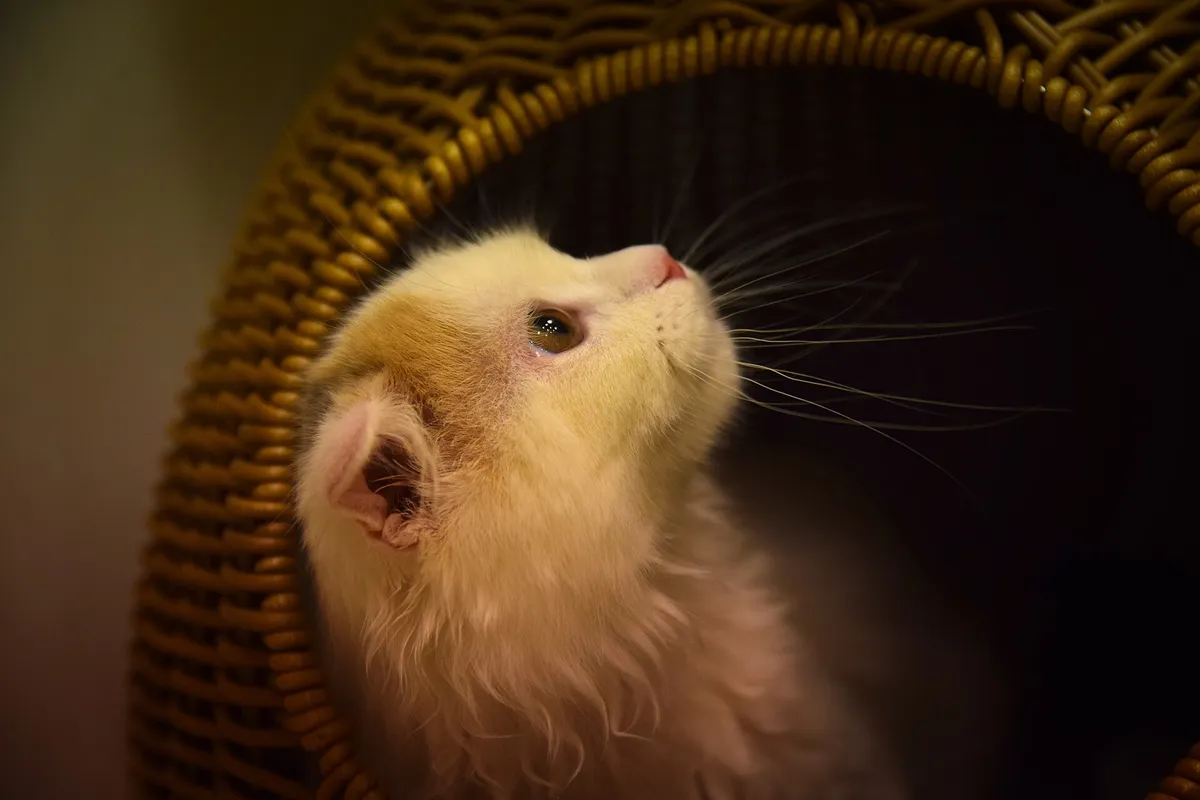
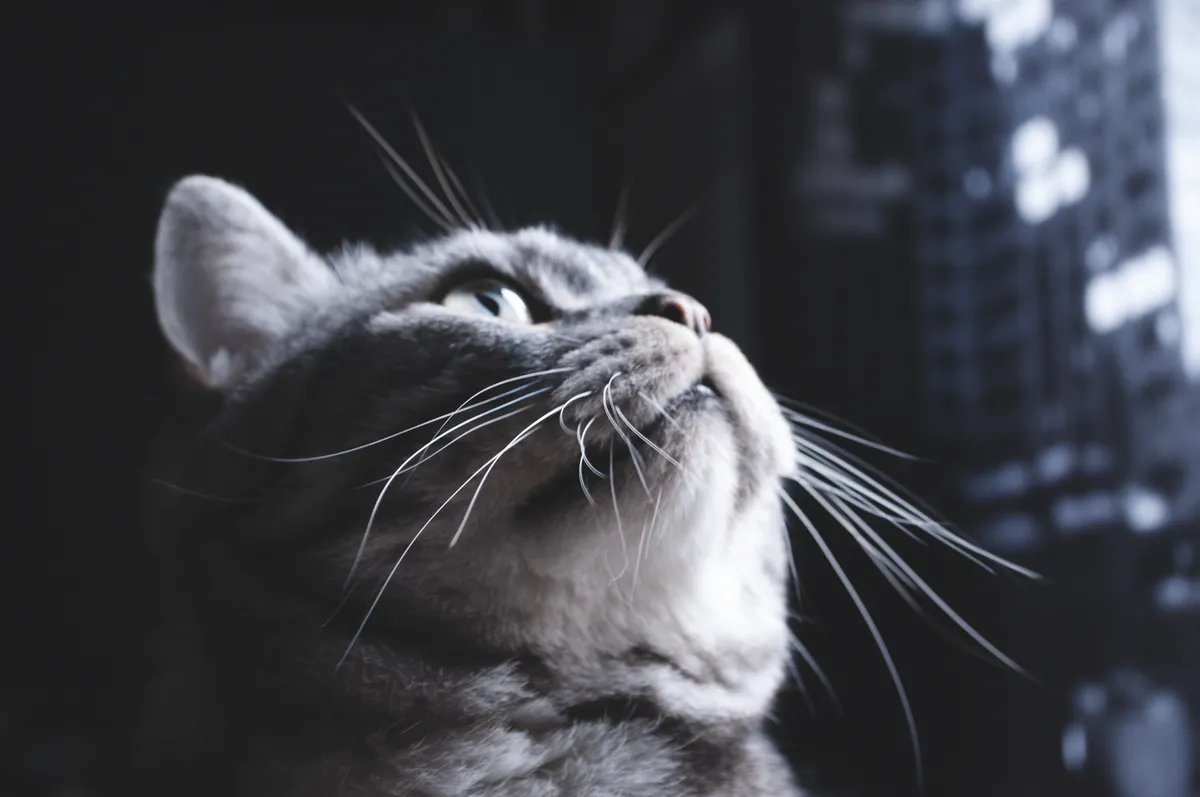
The chattering sound, sometimes called chirping or chittering, happens when a cat watches birds or squirrels from a window. It is not frustration alone, though some experts describe it as an excited response to tempting prey that the cat cannot reach. The rapid jaw movement may be the cat rehearsing the killing neck bite. Researchers have also suggested cats may imitate the sounds of their prey, though this idea is hard to prove. Whether it is excitement or a hunting drill, chattering is normal and harmless. Give your cat a comfortable window perch to enjoy the show safely.
Why cats sleep up to 16 hours a day
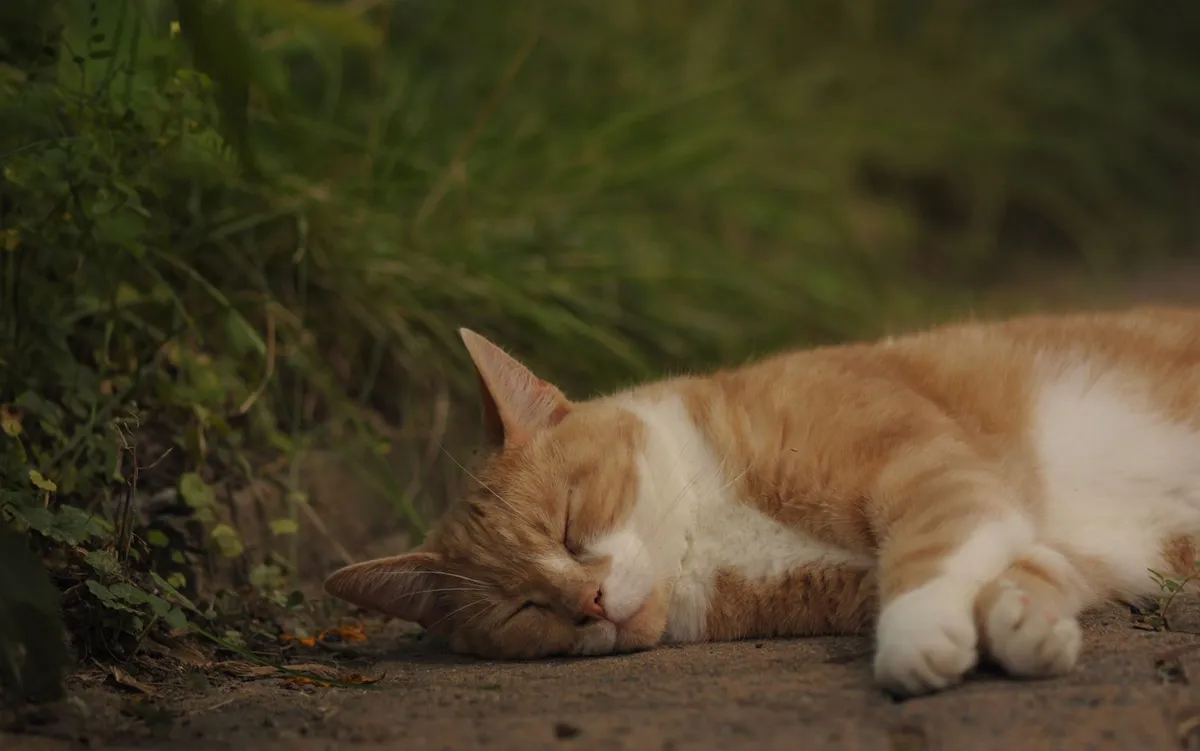
Cats are crepuscular, meaning they are most active at dawn and dusk. Their bodies are built for short bursts of hunting energy followed by long recovery sleeps. A healthy adult cat sleeps roughly 12 to 16 hours a day, and kittens and senior cats may sleep even more. This schedule often bothers owners who want to play at noon and sleep at night, but it is a normal feline rhythm. Rather than trying to change it, you can add play sessions in the early morning and evening to match your cat's natural peaks.
Why cats scratch the furniture
Scratching is not a plot against your couch. Cats scratch to stretch their backs and shoulders, to exercise their front claws, to remove the outer claw sheaths, and to leave scent and visual marks. The marks say 'this territory is mine,' which is why scratching posts in visible places get more use than posts hidden in a corner.
The most useful response is to redirect, not to punish. Offer a tall, stable scratching post covered in sisal or cardboard, place it near the object your cat loves, and praise your cat for using it. You can also protect furniture with double-sided tape or a fitted sheet while your cat learns a new habit. Never punish scratching, because punishment teaches your cat to scratch when you are not looking. Declawing is not a solution; it is an amputation of the last bone of each toe and can cause lasting pain and behavior changes.
Why cats bring you 'gifts'
When an outdoor or indoor-outdoor cat drops a dead mouse or bird at your feet, it is following a hunting instinct, not trying to shock you. Mother cats bring prey to kittens to teach them to hunt, and cats may carry prey to a safe, familiar spot to eat it later. Some experts believe a cat may also bring prey to a person it trusts, treating the human as part of its social group.
Respond calmly. Never punish a cat for bringing prey, since that punishes successful hunting and can confuse the cat. If your cat brings live prey, remove it as calmly as possible. Keep your cat indoors or supervise time outside if you prefer to avoid the gifts. Praise and redirect attention work far better than scolding.
Why cats head-bump you
When your cat presses its forehead into your hand or rubs against your legs, it is marking you with scent glands around the cheeks, chin, and forehead. Head-bumping, or bunting, is friendly territorial behavior. Your cat is literally adding you to its familiar map. Return the courtesy by offering a slow blink and a quiet, gentle chin scratch if your cat leans into it.
| Behavior | What it usually means | How to respond |
|---|---|---|
| Kneading | Comfort and contentment, plus scent marking | Let it happen; trim nails; offer a blanket |
| Chattering at birds | Excitement and hunting rehearsal | Let your cat watch from a window perch |
| Scratching furniture | Territory marking, stretching, claw care | Provide a post nearby; never punish |
| Bringing prey | Hunting instinct and trust | Remove calmly; do not scold |
| Head-bumping | Friendly scent marking | Respond with calm affection |
How to respond when behavior becomes a problem
Most 'problem' behaviors are normal instincts aimed at the wrong target. The solution is usually to redirect natural behavior to an acceptable outlet. Play with a wand toy twice a day to satisfy hunting drive. Provide puzzle feeders so your cat works for food. Add high perches, window seats, and hiding spots so your cat can use vertical space. Keep food, water, and litter boxes in separate, quiet locations.
Punishment, yelling, or spraying with water damages trust and often makes the behavior worse. Instead, interrupt calmly and guide your cat to the right activity.
Sudden behavior changes can be a sign of illness. A cat that begins hiding, urinating outside the litter box, or acting aggressive when touched may have a medical problem, not a training problem. Schedule a veterinary visit before assuming the cause is behavioral. Never touch or pick up a suddenly aggressive cat; use a thick blanket or leave the room and let the cat settle.
What the research says
Experts at the Cornell Feline Health Center and International Cat Care describe most of these behaviors as normal feline communication rooted in hunting and territory. The advice to avoid punishment and use environmental enrichment is common across veterinary and welfare organizations.
Frequently Asked Questions
Is kneading a sign my cat is happy?
Usually yes. Kneading often appears when a cat is relaxed and content, and it is a leftover behavior from nursing. Some cats also knead to mark a soft surface with their scent.
How can I stop my cat from scratching the sofa?
Place a tall, sturdy scratch post right next to the sofa, use the type of material your cat prefers, and reward its use. Protect furniture temporarily with vinyl or double-sided tape. Never punish.
Do cats get lonely without another cat?
Some cats do, but many prefer to be the only cat in a home. Cats are not pack animals like dogs. If you adopt a second cat, introduce them slowly and provide separate food, water, and litter.
Why does my cat sleep on my head?
Cats choose warm, safe, and familiar spots. Your head offers warmth, your scent, and protection from the cat's point of view. It is a compliment, even if it is inconvenient.
Key Takeaway
Nearly every strange cat behavior is a natural instinct with a purpose. When you stop asking 'why is my cat doing this to me?' and start asking 'what is my cat trying to communicate?', you will be able to meet its needs with scratching posts, play, and perches instead of punishment. If behavior changes suddenly, always check with a veterinarian first.
Share this guide
Help another cat parent find it.