The short answer
Yes, you can leash-train a cat, and it can be a wonderful way to give your indoor cat safe outdoor enrichment. The key is patience, positive reinforcement, and using a properly fitted harness—never a collar. Training usually takes a few weeks, with short sessions that respect your cat's comfort level. Not every cat will enjoy walking, and that's okay; the goal is to let your cat set the pace.
Why Leash-Train Your Cat?
Indoor cats often miss out on the mental and sensory stimulation that outdoor life provides. Leash training allows them to sniff grass, watch birds, and feel the breeze while staying safe from cars, predators, and disease. It also strengthens your bond and provides much-needed exercise, especially for high-energy or overweight cats. However, leash training is not a substitute for supervised outdoor time—always keep your cat on a harness and close at hand.
Choosing the Right Equipment
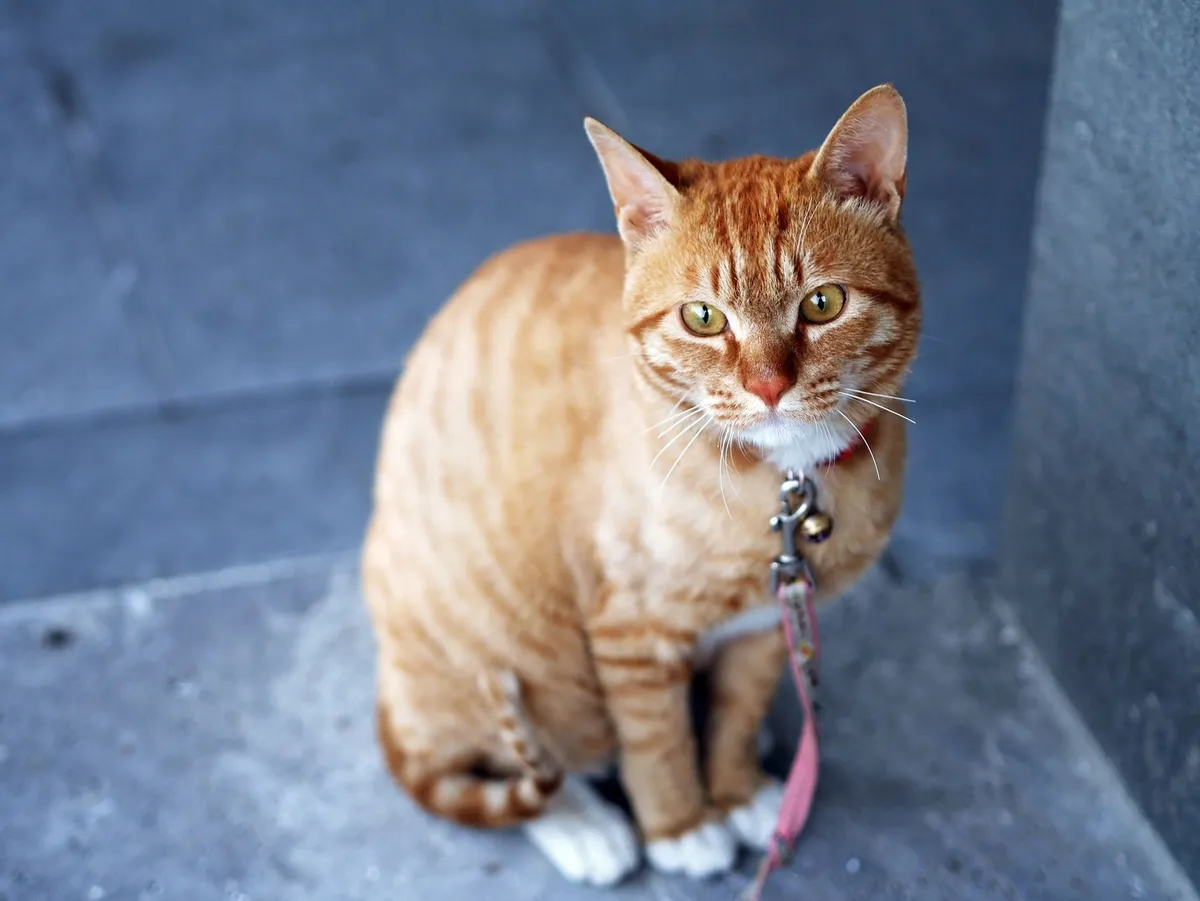
The most important piece of gear is a well-fitted harness. Never attach a leash to a collar; cats have fragile necks, and a collar can cause injury or escape. Look for a harness designed specifically for cats, such as a vest-style or H-style harness that distributes pressure across the chest and back. It should be snug but not tight—you should be able to slide two fingers between the harness and your cat's body. The leash should be lightweight and about 4 to 6 feet long, with a sturdy clip that attaches to the harness's D-ring.
Never use a retractable leash for cats. They can cause sudden jerks and make it difficult to control your cat's movements. Always use a fixed-length leash.
Step-by-Step Leash Training
Training should be gradual and always positive. Below is a typical timeline, but adjust it based on your cat's personality. Some cats take a few days, others a few weeks.
| Step | Duration | Frequency | Goal |
|---|---|---|---|
| 1. Introduce the harness | 5 minutes | 2–3 times/day | Cat tolerates harness lying nearby |
| 2. Let cat sniff and inspect | 5 minutes | 2–3 times/day | Cat shows curiosity without fear |
| 3. Place harness on for short periods | 5–10 minutes | 2–3 times/day | Cat wears harness indoors without stress |
| 4. Attach leash indoors | 10 minutes | 2 times/day | Cat walks with leash dragging indoors |
| 5. Practice walking indoors | 10–15 minutes | 2 times/day | Cat follows treats or toys while on leash |
| 6. Try a quiet outdoor spot | 10 minutes | 1 time/day | Cat explores calmly with you holding leash |
Start each step only when your cat is relaxed and happy. Use high-value treats, such as small pieces of cooked chicken or commercial treats, to create positive associations. If your cat shows signs of stress—flattened ears, hissing, or trying to escape the harness—go back a step and slow down.
Step 1: Harness Introduction
Place the harness in your cat's favorite resting area so it becomes a familiar scent. Reward your cat for showing interest with treats and praise. This step helps your cat associate the harness with positive experiences.
Step 2: Sniffing and Inspecting
Let your cat sniff and paw at the harness. Offer treats while it's near. This builds curiosity and reduces fear. You can also rub the harness with a towel that smells like your cat to make it more familiar.
Step 3: Wearing the Harness
Gently place the harness on your cat, but don't fasten it yet. Let your cat wear it loosely for a few minutes while you play or give treats. Gradually fasten it, ensuring a proper fit. Stay with your cat and distract with toys or food. If your cat tries to remove it, gently redirect attention. Keep sessions short and always end on a positive note.
Step 4: Attaching the Leash
Once your cat is comfortable wearing the harness, attach the leash and let it drag behind while your cat moves around indoors. Supervise to prevent tangling. Reward your cat for walking normally. This step accustoms your cat to the feeling of the leash without pressure.
Step 5: Indoor Walking Practice
Pick up the leash and follow your cat, giving gentle, consistent tension. Use treats or a toy to guide your cat in the direction you want. Never pull or drag your cat; instead, lure with positive reinforcement. Practice in a quiet room with few distractions. Gradually increase the distance and duration.
Step 6: Outdoor Adventures
Choose a quiet, safe location away from traffic, other animals, and loud noises. Start in a backyard or a quiet park. Let your cat set the pace—some cats prefer to just sit and observe. Carry treats and be ready to end the session if your cat seems overwhelmed. Always keep the leash short and stay alert.
Understanding Your Cat's Body Language
Knowing how your cat feels during training is crucial. Here are common signals to watch for:
- Relaxed: Tail held high with a gentle curve, ears forward, eyes soft, and a slow blink. Your cat may purr or rub against you.
- Curious: Ears forward, whiskers extended, and slow, deliberate movements. Your cat may sniff the ground or look around.
- Stressed: Ears flattened sideways or back, tail thrashing or tucked, crouched posture, dilated pupils, hissing, or growling. Your cat may try to hide or escape.
- Overwhelmed: Panting, drooling, or excessive meowing. These are signs to stop immediately and return indoors.
If you notice any stress signals, end the session and give your cat space. Pushing a frightened cat can damage trust and make future training harder.
Safety Tips for Outdoor Walks
- Always use a harness, never a collar.
- Check the harness fit before each walk; a loose harness can slip off.
- Keep the leash short (4–6 feet) to maintain control.
- Avoid walking during extreme weather—too hot or too cold.
- Watch for signs of stress and stop if your cat seems uncomfortable.
- Bring water and a portable bowl for longer outings.
- Ensure your cat is microchipped and has an ID tag, just in case.
- Choose quiet times of day, such as early morning or late evening, when there are fewer distractions.
Even with a harness, outdoor walks carry risks. Cats can be startled by dogs or sudden noises, and they may scratch or bite if frightened. Always stay alert and be ready to pick your cat up and carry them to safety. Never force a walk if your cat is clearly distressed.
Troubleshooting Common Issues
My cat refuses to move. This is common. Some cats freeze when they first feel the harness. Try placing your cat on a familiar surface like a lawn or a bench, and use a treat to encourage a few steps. If your cat remains immobile, it may not enjoy walking—consider alternative enrichment like a catio or supervised time in a secure garden.
My cat flops over and won't walk. This is a classic reaction to the harness. Distract with a favorite toy or a trail of treats. Some cats need several sessions before they feel comfortable moving. You can also try a different harness style; some cats prefer a vest-style over an H-style.
My cat tries to wriggle out of the harness. Ensure the harness is snug but not tight. If it's too loose, your cat can slip out. Check the fit and adjust the straps. Some cats are escape artists, so always test the harness indoors first. If your cat consistently escapes, consider a harness with a belly strap or a more secure design.
My cat is scared of the outdoors. Start by simply sitting with your cat on your lap near an open door, then gradually move to a porch. Use treats to create a positive association. If your cat remains fearful, respect that and try again another day. Some cats are just not suited to outdoor walks.
Alternatives to Leash Walking
If your cat shows no interest in leash training, or you live in an area that's not safe for walks, there are other ways to provide outdoor enrichment:
- Catio: A secure outdoor enclosure lets your cat enjoy fresh air and sunshine safely.
- Window perches: Place a comfortable perch by a window so your cat can watch birds and passing activity.
- Supervised yard time: If you have a fenced yard, you can sit with your cat while they explore on a harness but without walking far.
- Indoor enrichment: Puzzle feeders, climbing trees, and interactive toys can provide mental stimulation without leaving the house.
The goal is to enrich your cat's life, not to force a specific activity. Leash training is just one option.
Frequently Asked Questions
Can I use a collar instead of a harness?
No. Collars can injure a cat's neck and are easy to slip out of. Always use a properly fitted harness designed for cats.
How long does it take to leash-train a cat?
It varies. Some cats take a few days, others a few weeks. Patience and consistency are key. Never rush your cat; let them set the pace.
Should I let my cat off-leash during a walk?
No. Even a well-trained cat can be spooked and run off. Keep your cat on a leash at all times.
What if my cat doesn't like walking?
That's perfectly fine. Not all cats are natural walkers. You can still provide outdoor enrichment with a catio, a window perch, or supervised time in a secure yard.
Can I walk my cat in a busy area?
It's best to avoid busy streets, parks with many dogs, and loud environments. Choose quiet, low-traffic areas to reduce stress.
Key Takeaway
Leash training is a rewarding way to enrich your indoor cat's life, but it requires patience, the right gear, and a willingness to follow your cat's lead. Start indoors, use positive reinforcement, and always prioritize safety. If your cat shows no interest, respect that and find other ways to bring the outdoors in.
Share this guide
Help another cat parent find it.