The short answer
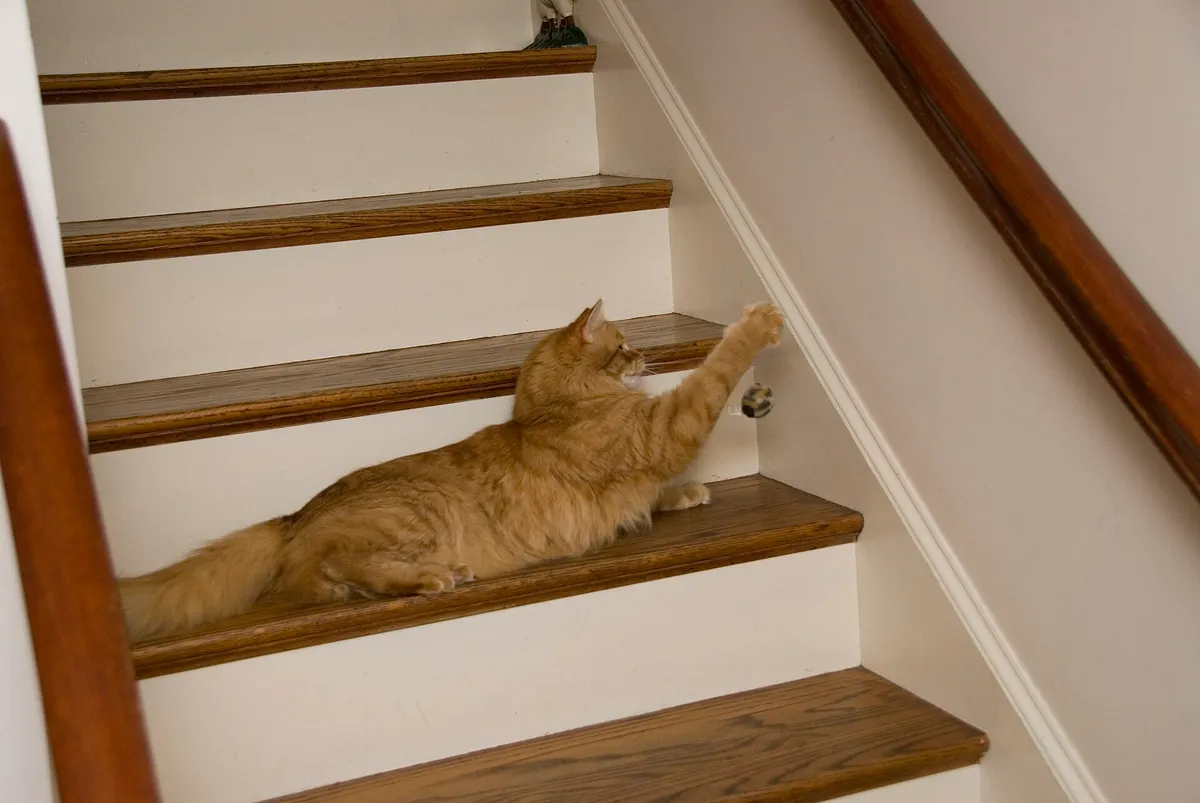
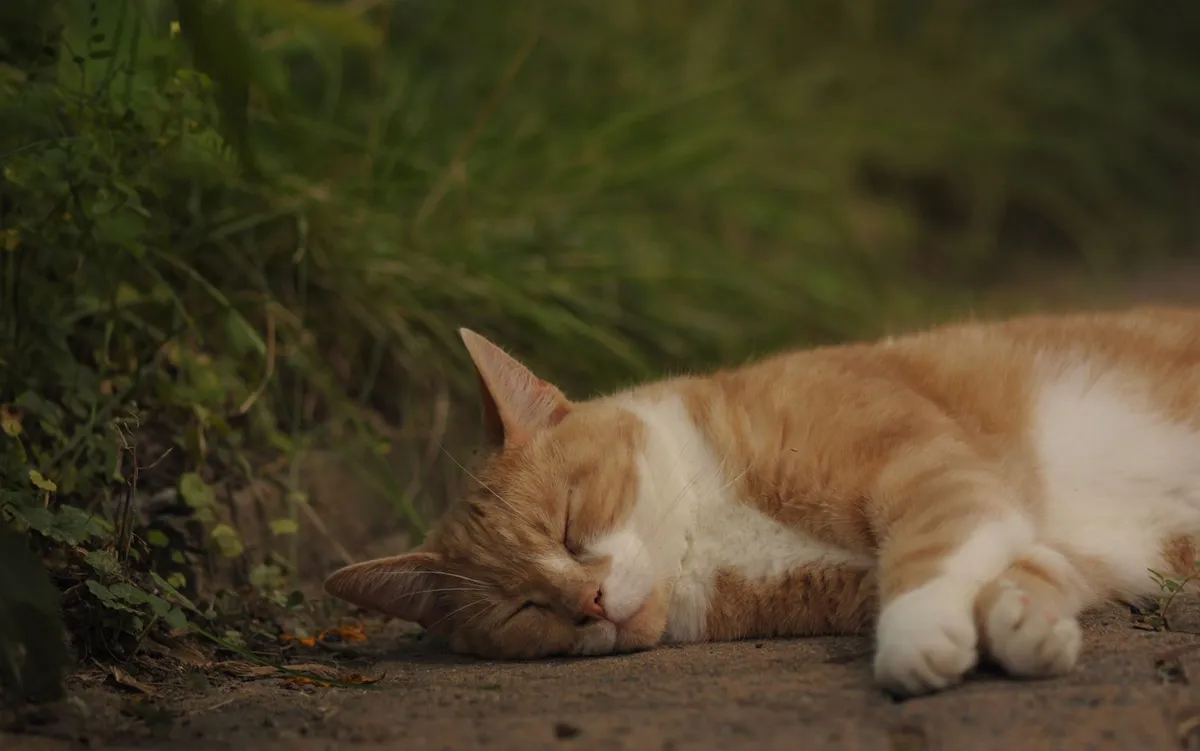
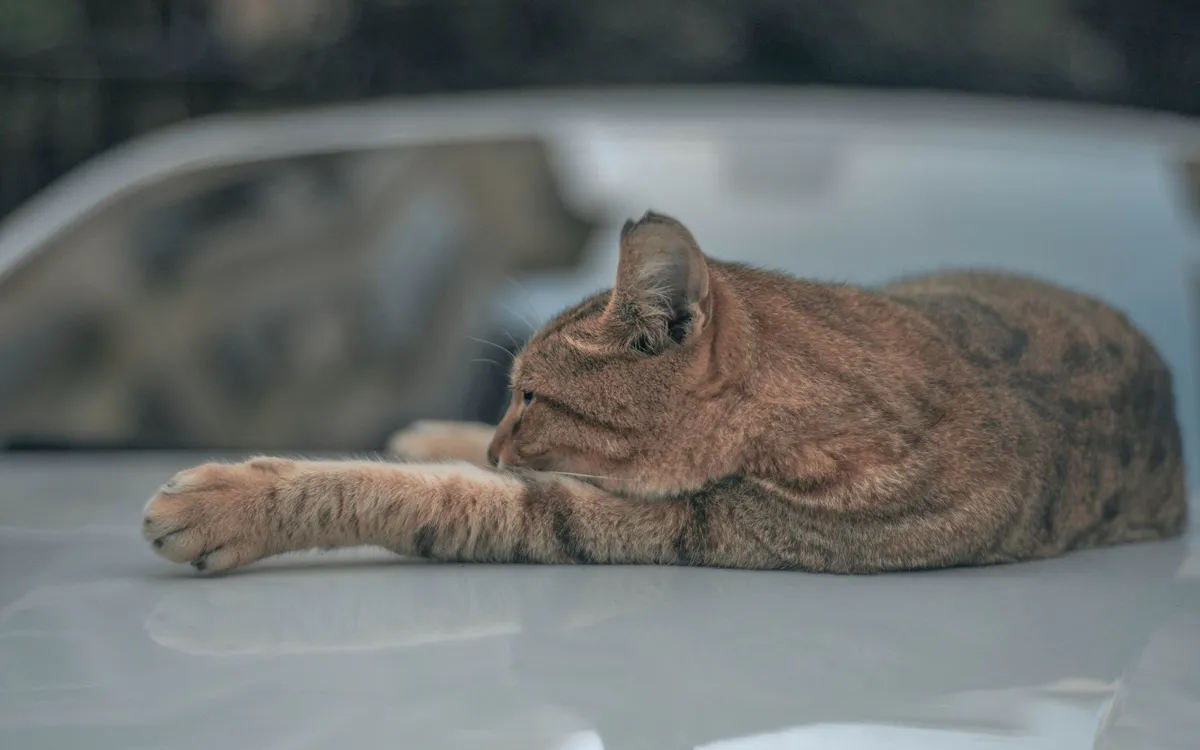
Cats stretch so much because it's a built-in, instinctive behavior that serves several important purposes. Stretching wakes up their muscles after rest, improves blood flow, keeps joints flexible, and even helps them communicate with their environment. It's a normal, healthy part of being a cat—one that you'll likely see many times a day, especially after a nap or before a burst of activity.
What stretching does for your cat's body
When your cat stretches, it's not just showing off flexibility. This simple movement triggers a cascade of physical benefits:
- Muscle wake-up call: After sleeping, a cat's muscles are stiff and relaxed. A full-body stretch sends a signal to the nervous system to increase blood flow and oxygen to those muscles, preparing them for action. This is why you often see a big stretch right after your cat wakes up.
- Joint lubrication: Stretching helps distribute synovial fluid, the natural lubricant in joints. This keeps the joints moving smoothly and reduces stiffness, especially in older cats.
- Improved circulation: The long, slow extension of muscles helps move blood from the extremities back toward the heart, improving overall circulation and delivering fresh oxygen to tissues.
- Flexibility maintenance: Regular stretching helps maintain a cat's incredible range of motion, which is essential for hunting, climbing, and escaping predators—even if your indoor cat's only hunting is a feather toy.
In the wild, a cat that couldn't stretch properly might miss a critical pounce or fail to escape a threat. For domestic cats, stretching is a leftover evolutionary advantage that keeps their bodies primed for whatever comes their way.
Stretching as communication
Beyond the physical benefits, stretching is also a form of communication. Cats have scent glands in their paw pads, and when they stretch, they often extend their claws and press their paws into surfaces. This action releases those scents, leaving a chemical message that says, "I was here." Combined with scratching, stretching helps cats mark their territory in a way that's invisible to us but crystal clear to other cats.
Stretching can also be a social signal. When your cat stretches in front of you, it might be a sign of comfort and trust. In feline body language, exposing the belly and stretching out is a vulnerable position. If your cat does this in your presence, it's often a way of saying, "I feel safe with you." This is different from a defensive posture, where a cat might roll over to protect its belly with claws ready. A relaxed stretch is accompanied by soft eyes, a slow blink, and a calm tail.
When stretching happens
Cats don't stretch randomly—there are specific moments when you're more likely to see this behavior:
- After waking up: The most common time. A cat will often do a full-body stretch, sometimes with a yawn, to transition from sleep to alertness.
- Before play or hunting: Just like a human athlete, a cat may stretch to prepare its muscles for a sudden sprint or pounce. You might see a stretch before your cat attacks a toy or dashes across the room.
- After a meal: Some cats stretch after eating, possibly to aid digestion or simply because they feel content.
- During greetings: When you come home, your cat might stretch as part of a greeting ritual. This can be a sign of relaxation and recognition.
Common stretching behaviors and what they might mean
The table below breaks down typical cat stretches and their likely meanings:
| Stretch type | Description | Possible meaning |
|---|---|---|
| Full-body stretch | Front legs extended forward, hind legs back, back arched slightly | Waking up, preparing for activity, feeling relaxed |
| Front stretch | Only front legs extended, hind legs standing | Stretching the shoulders and chest, often after a nap |
| Back stretch | Back arched high, tail up | Often seen during play or excitement; can also be a defensive posture if accompanied by hissing |
| Paw press | Extending one paw and pressing it into a surface, sometimes with claws | Scent marking, claiming territory |
| Stretch with roll | Stretching then rolling onto the back | Comfort, trust, sometimes an invitation to play |
| Yawn-stretch combo | Stretching while yawning | A typical wake-up routine, increases oxygen intake |
Remember, context matters. A stretched posture with flattened ears, dilated pupils, or a twitching tail might indicate fear or aggression, not relaxation.
Is there such a thing as too much stretching?
For most cats, stretching frequently is completely normal. However, if you notice a sudden increase in stretching, or if your cat seems to stretch excessively and also shows signs of discomfort, it could be a red flag. Excessive stretching can sometimes be a response to joint pain, arthritis, or an injury. A cat in pain might stretch more often in an attempt to ease stiffness, or it might stretch less because movement hurts.
If your cat's stretching is accompanied by limping, reluctance to move, vocalization, loss of appetite, or changes in litter box habits, consult your veterinarian. Stretching itself is harmless, but it can be a symptom of an underlying medical issue when paired with other signs.
Also, be aware that some cats stretch excessively as a way to self-soothe when they're stressed. If you notice your cat stretching more than usual and you've recently moved, added a new pet, or made other changes, stress could be a factor. In that case, offering extra enrichment and a quiet space can help.
How to support your cat's natural stretching
You don't need to do anything special to encourage stretching—it's instinctive. But you can make it more comfortable and rewarding for your cat:
- Provide scratching posts: Scratching is a form of stretching for the front legs and claws. A sturdy vertical post lets your cat stretch fully while marking its territory.
- Give plenty of space: Cats like to stretch in open areas where they can extend fully. Avoid blocking off rooms or cluttering the floor with obstacles.
- Warm, comfortable resting spots: Cats often stretch after waking from a good nap. A warm, soft bed encourages deep sleep, which leads to satisfying stretches.
- Playtime: Interactive play sessions give your cat opportunities to stretch before and after pouncing. This keeps the behavior natural and fun.
Frequently Asked Questions
Do cats stretch because they're happy?
Sometimes. A relaxed stretch in your presence can indicate contentment and trust. But cats also stretch for physical reasons, so it's not always about emotion. Look at the whole body—if your cat stretches and then approaches you with a slow blink, it's likely a positive sign.
Why do cats stretch when they see you?
This can be a greeting behavior. Your cat may stretch to show it's relaxed and not threatened by your presence. It's a sign that your cat feels safe and comfortable around you.
Is stretching a sign of pain in cats?
Not usually. Normal stretching is a healthy behavior. However, if stretching becomes compulsive, or if your cat stretches and then seems unable to move normally, it could be related to pain or stiffness. Watch for other symptoms like limping or reduced activity.
Can I stretch my cat for them?
No, you should never force a cat into a stretch. Cats will stretch on their own when they need to. Forcing a stretch could cause injury or make your cat uncomfortable. Instead, provide opportunities for natural stretching like scratching posts and play.
Why does my cat stretch and then roll over?
This is often a sign of trust and relaxation. Rolling over exposes the belly, which is a vulnerable area. If your cat does this near you, it's likely feeling secure. It might also be an invitation to play, especially if the cat's body is loose and not tense.
Key Takeaway
Stretching is a fundamental, healthy behavior for cats. It keeps their bodies limber, improves circulation, and serves as a form of communication and territory marking. As long as your cat is stretching normally and doesn't show other signs of distress, there's no reason to worry. In fact, you can take it as a good sign—your cat is comfortable, relaxed, and ready for whatever the day brings.
By understanding why cats stretch, you can better appreciate this everyday behavior and know when to pay extra attention to your feline friend's health.
Share this guide
Help another cat parent find it.