The short answer
Cats lick their owners for a variety of reasons, most commonly as a form of social bonding, grooming, and scent marking. It's often a sign of affection and trust, but it can also be a way to seek attention, taste something interesting on your skin, or even self-soothe. Understanding the context and your cat's overall body language helps you interpret the behavior correctly.
Why Cats Lick: The Main Reasons
Licking is a natural behavior for cats, rooted in their kittenhood. When kittens are born, their mother licks them to clean them, stimulate digestion, and create a bond. That early association carries into adulthood, and your cat may lick you as a way to extend that familial grooming ritual to you. But the reasons go deeper than simple habit. Let's break down the most common motivations behind this behavior.
Grooming and Bonding
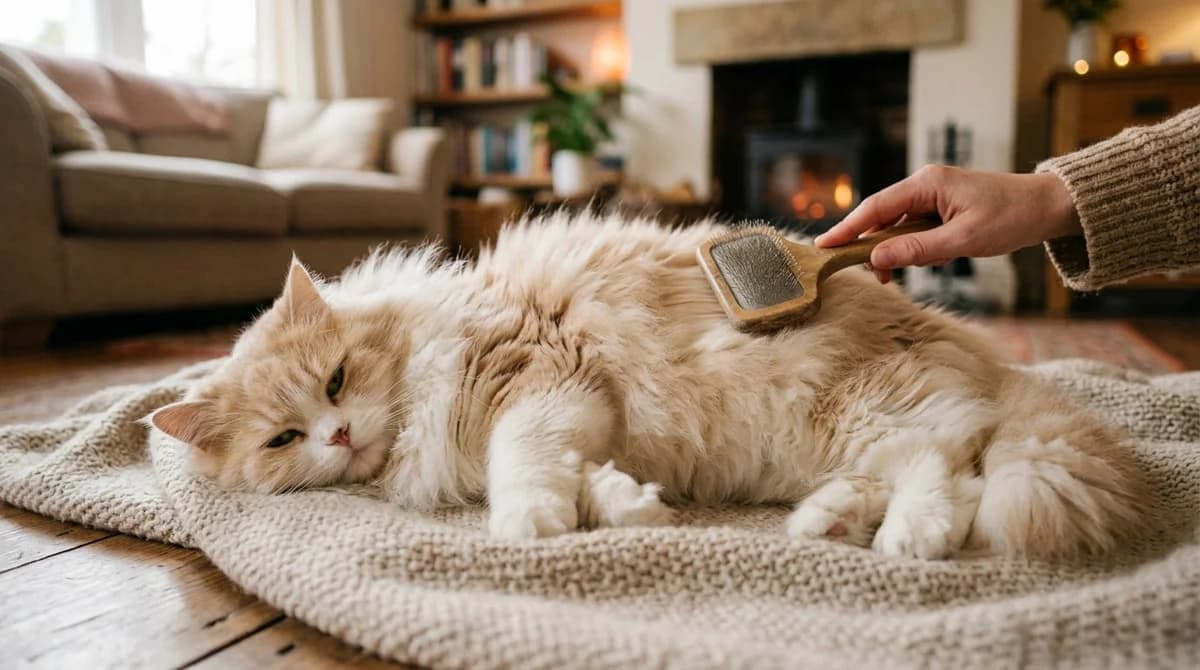
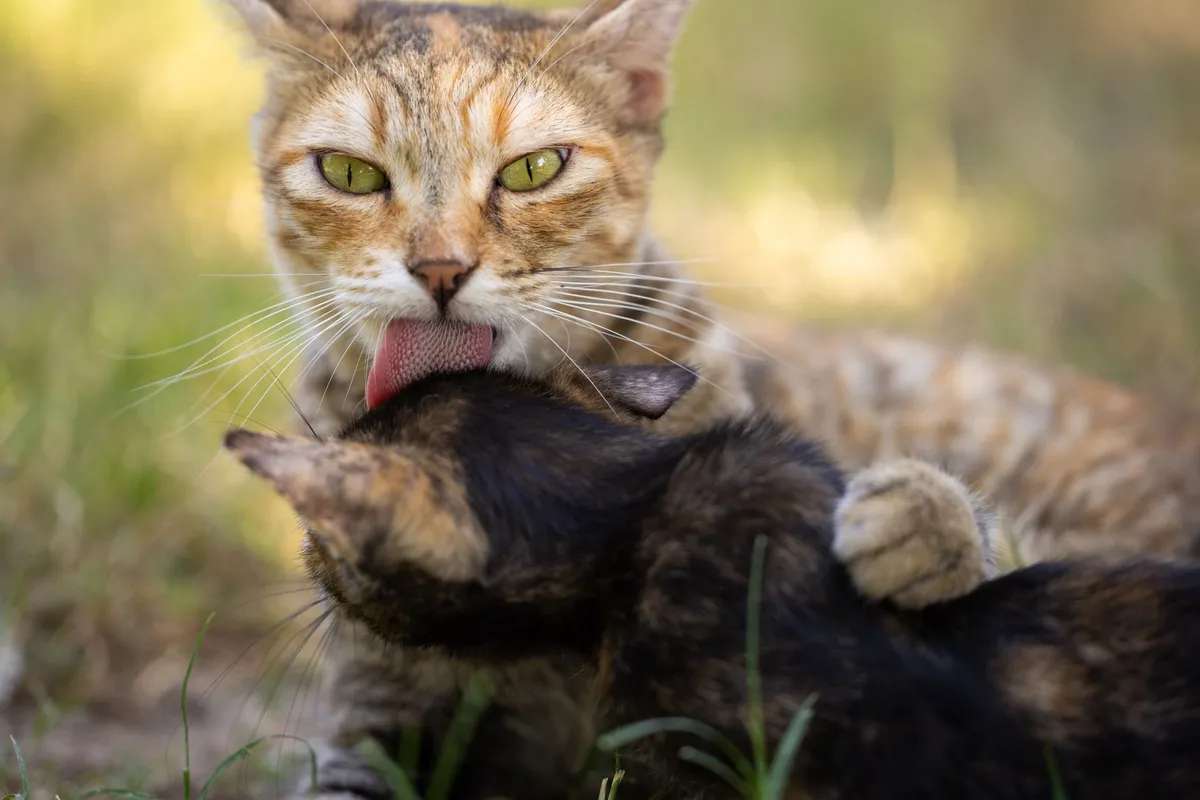
In multi-cat households, cats often groom each other—a behavior called allogrooming. This mutual grooming strengthens social bonds and reinforces a sense of belonging. When your cat licks you, they are essentially treating you as part of their social group. It's a sign that they feel safe and comfortable with you, and they're returning the care you give them. The rough texture of a cat's tongue also helps remove loose fur and debris, so your cat might be trying to keep you clean in their own way.
Scent Marking: Claiming You as Their Own
Cats have scent glands in their cheeks, paws, and the base of their tail, but they also have glands on their tongue. When your cat licks you, they deposit their scent onto your skin. This is a subtle way of marking you as part of their territory. In the feline world, scent is a powerful communication tool, and by leaving their smell on you, your cat is signaling to other animals that you belong to them. It's a compliment, really—they're claiming you as family.
Taste and Texture: Why Your Skin Is Interesting
Sometimes the reason is far simpler: your skin tastes good. Cats may lick you to sample the salt from your sweat, the residue of a lotion or soap, or even the lingering flavor of food you handled. Certain lotions, creams, or even the natural oils on your skin can be appealing to a curious cat. If you've just exercised or cooked, your cat might be more inclined to lick you. This is especially common if you've handled food with strong aromas—your hands become a tasty puzzle.
Attention-Seeking and Communication
Cats quickly learn that licking gets a reaction. If you respond by petting them, talking to them, or giving them treats, they'll repeat the behavior to get your attention. Licking can be a form of communication, a way of saying "Hey, I'm here, notice me." Some cats also lick as part of a greeting ritual when you come home, combining the behavior with purring, rubbing, and tail-up postures. It's their way of saying hello and re-establishing the bond after a period of separation.
Stress and Anxiety: When Licking Becomes Compulsive
While licking is usually a positive behavior, it can also be a sign of stress or anxiety. Cats that are bored, anxious, or under-stimulated may develop compulsive licking habits. This can be directed at you, themselves, or even objects. If your cat licks you excessively and seems unable to stop, or if they also over-groom themselves (causing bald patches or skin irritation), it may indicate an underlying issue. In such cases, it's important to evaluate their environment, enrichment, and overall well-being.
How to Respond to Your Cat's Licking
In most cases, the best response is to simply enjoy it. Licking is a normal, affectionate behavior, one of several affectionate greetings alongside headbutting. However, you can shape how it plays out. If you enjoy the licking, you can reinforce it with gentle praise or a calm pet. If you'd rather your cat not lick you, you can gently redirect them by offering a toy or moving your hand away. Consistency is key—cats respond well to predictable cues.
If your cat's licking becomes too intense or uncomfortable, consider whether they might be seeking more attention or enrichment. Interactive play sessions, puzzle feeders, and vertical spaces can help reduce anxiety-driven licking. Always avoid punishing your cat for licking; it will only create confusion and stress.
When to Be Concerned
Occasional licking is nothing to worry about. However, if your cat's licking becomes obsessive, interferes with their normal activities, or is accompanied by other signs like hair loss, skin sores, or changes in appetite, it's time to consult your veterinarian. Compulsive licking can sometimes signal an underlying medical issue, such as allergies, pain, or neurological problems. Your vet can help rule out physical causes and recommend behavioral interventions if needed.
Table: Common Reasons for Licking and How to Respond
| Reason | Typical Signs | How to Respond |
|---|---|---|
| Grooming/Bonding | Relaxed posture, purring, slow blinks | Enjoy it; offer a gentle stroke |
| Scent marking | Licking then rubbing against you | Accept it as a compliment |
| Taste | Licking after you apply lotion or eat | Rinse off strong scents if unwanted |
| Attention-seeking | Licking then looking at you, meowing | Give attention or redirect with a toy |
| Stress/anxiety | Constant licking, also over-grooming self | Provide enrichment; consult vet if severe |
If your cat licks an open wound, cut, or surgical site on you, gently discourage them. A cat's mouth contains bacteria that can cause infection. Also, if your cat's licking shifts from affectionate to compulsive, or if they start pulling out their own fur, seek veterinary advice—it may signal a health or behavioral problem.
Frequently Asked Questions
Why does my cat lick me then bite me?
This often happens during grooming sessions. The licking is grooming, and the bite—usually a gentle nip—can be a sign of overstimulation or a request to stop. It can also be a playful behavior. Watch your cat's body language; if their tail is twitching or ears are flattened, give them space.
Is it safe to let my cat lick my face?
In general, it's safe, but there are some risks. Cats carry bacteria like Pasteurella and Bartonella in their mouths, which can cause infection if you have any broken skin. If you're immunocompromised, it's best to avoid letting your cat lick your face or any open wounds. Otherwise, a quick lick is unlikely to cause harm.
Why does my cat lick me especially after a shower?
Your skin may have residual water, soap, or lotion that tastes interesting. Cats are also drawn to the natural oils and salt on your skin. After a shower, your skin's scent may be more pronounced, making it more appealing to your cat.
Should I let my cat lick me if I have allergies?
If you're allergic to cat saliva or dander, licking can worsen your symptoms. Cat saliva contains proteins that are common allergens. If you notice increased sneezing, itching, or hives after your cat licks you, it's best to gently discourage the behavior and wash the area.
Can licking be a sign of a medical problem in my cat?
Excessive licking—especially if it's aimed at themselves or objects—can indicate pain, skin allergies, or anxiety. If the licking is persistent and you notice hair loss, redness, or changes in behavior, schedule a veterinary checkup to rule out underlying issues.
Key Takeaway
When your cat licks you, it's usually a sign of affection, trust, and a desire to bond. It's a natural behavior that connects back to their kittenhood and serves multiple purposes, from grooming to scent marking. By paying attention to the context and your cat's overall demeanor, you can respond in a way that strengthens your relationship. And if the licking ever seems excessive or concerning, don't hesitate to seek professional advice—your cat's well-being is always worth it.
Share this guide
Help another cat parent find it.