The short answer
Cats don't scratch your sofa to spite you — they scratch because it's a lifelong instinct that keeps claws healthy, stretches muscles, and marks territory. The goal isn't to make a cat stop scratching; it's to redirect it to surfaces you can accept. The proven formula: place irresistible scratching posts where the cat already scratches, temporarily make the furniture feel wrong under their paws, and reward every scratch on the approved surface. Punishment and declawing don't belong in the plan — they worsen behavior and can harm your cat's health. With the right setup, most cats switch from sofa to post within a couple of weeks.
Why cats scratch (it's not revenge)
Before you change the behavior, understand what scratching does. Cats scratch for several reasons, often at once.
Claw maintenance. The outer sheath of each claw peels as it grows; scratching removes the dull layer and exposes a sharper nail. You'll find little claw-shaped husks near your cat's favorite spot.
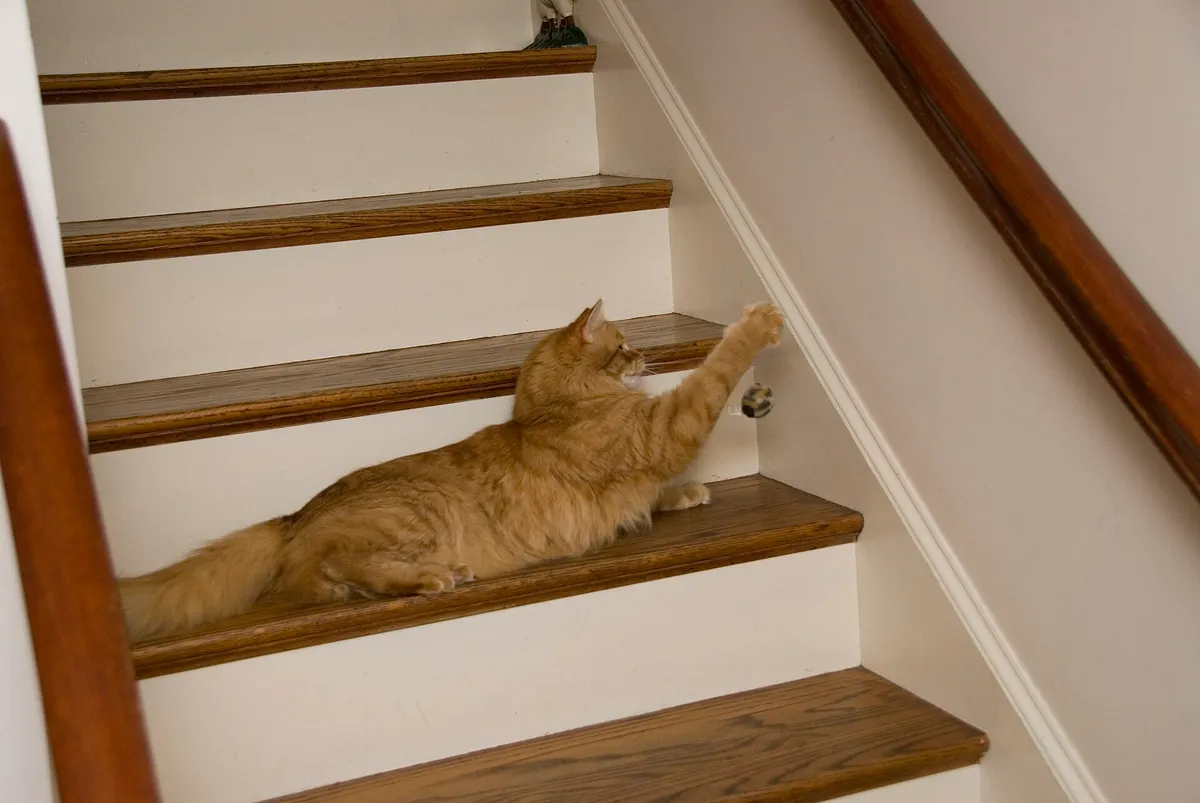
Stretching. Watch a cat scratch a tall post and you'll see a full-body stretch — front claws hooked in, back arched, body pulling downward. It exercises the spine, shoulders, and paw muscles.
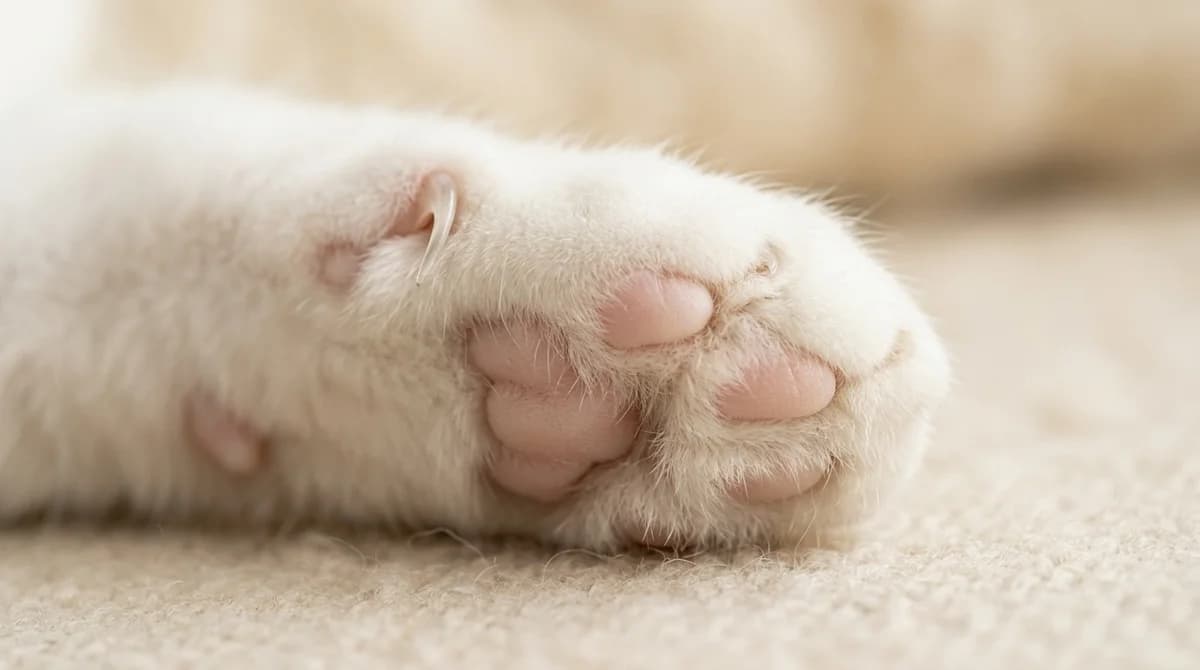
Scent marking. Glands between the paw pads deposit pheromones, while the visible scratch marks signal "this territory is occupied" and reinforce familiarity.
Emotional regulation. Cats scratch more when excited, stressed, or reassuring themselves. A cat who scratches right when you come home is likely greeting you and re-marking a safe space, not having a tantrum.
The key point: scratching isn't misbehavior. Cats don't do it out of spite or revenge at your schedule. Treating it as "anger" usually leads to punishment, which backfires. It's a natural need your house hasn't offered a good outlet for yet.
Match the scratcher to your cat
Cats are individuals about surfaces. Some are vertical scratchers: they pull down on sofa arms, chairs, and curtains. Others prefer horizontal scratching on rugs. Texture matters too — some love sisal rope, others prefer corrugated cardboard, carpet, wood, or upholstery fabric. A post that doesn't match your cat's preference will be ignored.
The fastest way to read their preference: watch which items they scratch, and how. A cat shredding the sofa arm needs a tall, stable vertical post; a cat shredding the doormat needs a horizontal pad. Position matters just as much as the post itself.
| Scratcher type | Best for cats who… | Where to place it |
|---|---|---|
| Tall sisal or fabric post | Claw at sofa arms or chair backs | Right beside the furniture they scratch |
| Horizontal cardboard or sisal pad | Claw at rugs or carpets | Near the sleeping area or a busy doorway |
| Cat tree with tall posts | Like to stretch high or climb | In a main living area with a view |
| Wall-mounted or angled post | Scratch vertical surfaces but you have little floor space | At their stretch height, in a visible spot |
| Natural wood or log post | Claw at wooden furniture or door frames | Next to the wooden item they target |
Whatever type you pick, three rules decide success.
Make it tall and stable. A wobbly post is a dealbreaker. Cats need a solid anchor to pull against. Aim for a post at least as tall as your cat stretched up on their hind legs — roughly 60–90 cm (2–3 ft) — with a heavy base.
Place it where they already scratch. The most common reason a new post is ignored is location. The post must be within paw's reach of the furniture you're protecting, plus near their favorite sleeping spot, because many cats want to scratch right after waking.
Make it smell like them. Rub a towel along your cat's cheeks, then wipe the post. If your cat enjoys catnip, sprinkle a little on the surface; some cats who ignore catnip respond to silver vine instead. A familiar scent invites investigation.
Protect the furniture while you retrain
You can't depend on the new post alone — the sofa still smells familiar and remains a habit. The second half of the plan is to temporarily make the furniture unrewarding.
Change the surface texture. Cats love hooking their claws into fabric. Double-sided sticky tape in vertical strips on sofa arms, or clear anti-scratch sheets, make the surface unpleasant to catch onto. A temporary slipcover, a flipped rug, or a sheet of vinyl draped over the spot works too.
Alter the sound. Some cats avoid surfaces that crinkle or feel slippery — aluminum foil or thick plastic worked over the arm of a chair is a classic deterrent. Remove it gradually as the post becomes the habit.
Block access. If one specific chair is the target, move it, turn it around, or close the room door for a couple of weeks. Once the post is established, bring the furniture back.
Keep claws trimmed. Shorter claws do far less damage even if the cat tests the furniture, and duller tips snag less in fabric. Most cats need a trim every one to two weeks; ask your vet or a veterinary technician to show you the technique first.
Reward the new habit, generously at first. When you see the cat use the post, deliver a treat or a quick wand-toy game. If they won't engage, dangle the wand toy over the post so they rake the surface during play — then reward. Positive reinforcement is what cements the swap.
What to avoid: punishment and declawing
It's tempting to scold a cat who's shredding the couch, but punishment backfires. A shout or a spray of water may interrupt one episode, but it doesn't teach where to scratch instead — it teaches that scratching, or you, is scary. Since scratching relieves stress, an anxious cat often scratches more, just out of sight.
Also avoid grabbing your cat's paws and forcing them onto the post. This "pawing" feels controlling and can turn the post into the scary thing — the opposite of your goal.
Never punish a cat for scratching, and never consider declawing. Declawing (onychectomy) is not a nail trim — it is surgical amputation of the last bone of each toe, banned or restricted in many countries. It can cause lasting pain, nerve damage, arthritis, and litter-box avoidance. Use humane deterrents, proper posts, and claw trims. Training a cat never requires pain or fear.
A two-week plan to switch the habit
- Days 1–2 — Observe. Note which surfaces your cat scratches, in what position (vertical or horizontal), and at what time of day.
- Days 3–4 — Buy and place. Choose a tall, sturdy post matching their preference, set it within paw's reach of the target furniture, and cover the furniture with tape, a slipcover, or plastic.
- Days 5–7 — Make it irresistible. Rub cheek-scent onto the post, sprinkle catnip if it works for your cat, and reward every interaction.
- Days 8–12 — Reward and trim. Reward every post-scratch, and trim claws if you've learned how. If the post is ignored, relocate it or swap the surface texture.
- Days 13–14 — Test. Remove one small section of furniture deterrent. If the sofa wins, re-cover and keep rewarding; if the post wins, remove more deterrent gradually.
Maintenance matters. A worn post still works for many cats, but if it tips or frays into loops that could snag a claw, replace or repair it. Keep posts in the rooms where people actually spend time — a post hidden in a corner is a post unused.
Frequently Asked Questions
My cat only scratches the couch when no one is home — is she being sneaky?
Not sneaky — just routine. That sofa arm is familiar, smells like family, and is positioned for a good stretch. The fix is the same: a post in that room, a deterrent on the couch, and rewards when the post is used. Cats don't feel spite or guilt about scratching.
Does spraying a cat with water stop the scratching?
No. It might interrupt a single moment, but it teaches nothing and raises stress, which can cause more scratching. Calmly redirect to the post and reward the right behavior instead.
Why does my cat scratch more right after a nail trim?
Newly trimmed nails may feel different, or the cat may simply want the stretch and scent-marking that come with the ritual. Keep trimming — it still reduces damage — and keep rewarding post use.
We have two cats. How many scratching posts do we need?
Scratching is partly territorial. With multiple cats, spread several surfaces around the house rather than relying on one post in one room. A common guideline: one acceptable scratching surface per cat, plus one extra.
Can I put a scratching post right next to the sofa?
Yes — that's the ideal place during training. Cats choose the spots they like; meet them there. Once the post is an established habit, you can shift it a few centimetres per day if you need the floor space back.
Key Takeaway
Scratching is natural, necessary behavior — your job is to make the couch lose and the post win. Put a sturdy, inviting post next to the furniture your cat already scratches, temporarily make that furniture unattractive, and reward every use of the post. Skip punishment and never consider declawing. With two weeks of consistency, most cats happily trade the sofa for sisal — and your furniture survives to enjoy the victory.
Sources & Scientific References (3)
Cornell Feline Health Center: Feline Health Topics (Scratching)
Cornell Feline Health Center • Accessed 2025-05-16
International Cat Care: Advice for Cat Owners (Scratching Behaviour)
International Cat Care • Accessed 2025-05-16
AAFP Cat Friendly Homes: Behavior Resources for Owners
American Association of Feline Practitioners (Cat Friendly Homes) • Accessed 2025-05-16
Share this guide
Help another cat parent find it.