The short answer
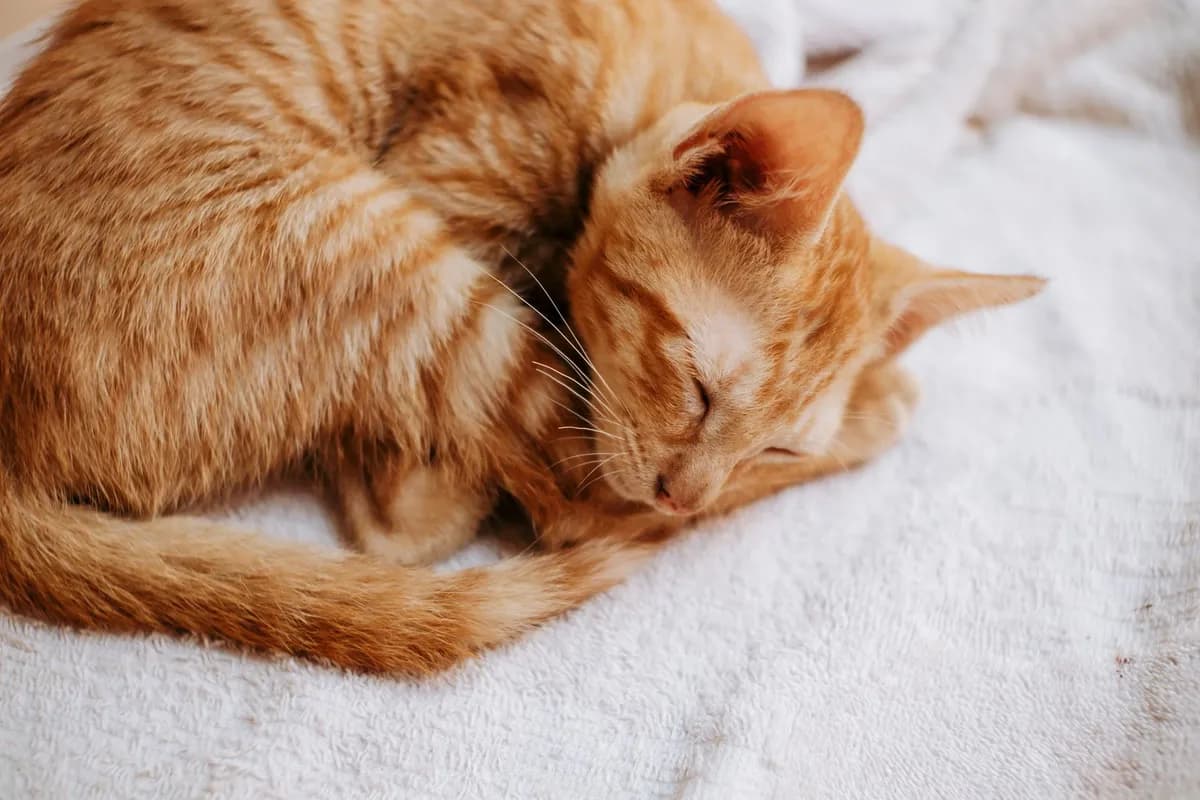
Cats cover their face when sleeping for three main reasons: warmth, comfort, and sensory shutdown. By tucking their face under a paw or tail, they trap body heat, block out light and noise, and feel safely hidden. This natural posture, sometimes called the 'face-plant' or 'catnap curl,' helps cats rest more deeply while staying ready to respond. It is not a sign of illness or sadness. It is simply your cat's way of building a cozy, secure den. Some cats press their nose into a soft blanket, while others drape a paw across both eyes. Whatever version you observe, the motivation is the same: your cat is creating a private, comfortable sleep cocoon.
Why Warmth Makes Cats Tuck Their Face
Cats evolved in hot climates, and their resting body temperature hovers around 102 degrees Fahrenheit, several degrees above ours. Even so, a sleeping cat loses heat from its extremities, including ears, paws, and the nose. Covering the face with a paw or tail creates a small pocket of warm air that stays close to the skin. This is especially helpful when the room is cool or when your cat sleeps on a bare floor. In multi-cat households, you will often see littermates sleeping together; a solo cat uses her own body to do the job. The face-cover curl reduces the surface area exposed to air, much like tucking your hands under a blanket. It is a clever energy-saving strategy, because keeping warm uses calories. For an animal that sleeps up to 16 hours a day, every little conservation trick matters.
A Paw-Over-the-Eyes Blindfold for Light and Noise
Cats are crepuscular, meaning they are most active at dawn and dusk, and their sleep cycles are short. They wake easily to movement, bright light, and sound. Placing a paw over the eyes blocks sharp light, and the pressure helps muffle small noises. It acts as a simple, built-in sleep mask. Whiskers also play a role: they are extremely sensitive and can become overloaded by constant input, so nestling the face against a soft surface gives them a break. In a bright room, a cat may also bury her face in her own fur or a blanket to create darkness. This sensory shutdown helps your cat drop into a deeper, more restful sleep. Rather than being a sign of distress, it is a clever self-made solution to a world that may otherwise be a little too loud and too bright for rest.
The Hidden-Face Security Instinct
In the wild, cats are both hunters and prey. They instinctively look for spots that conceal them from larger animals. Sleeping with the face covered hides the most vulnerable and expressive part of the body, the eyes, nose, and mouth. For a domestic cat, this posture turns a sunny windowsill into a private den. When your cat hides her face, she is showing that she feels safe enough to switch off her watchful gaze. It isn't a sign of fear; it means she trusts her space. Many cats only do this after they have settled into a favorite spot and confirmed there is no danger. Providing quiet hiding spots, such as a cardboard box or a covered bed, honors this natural instinct and helps your cat relax even faster.
Why Cats Sometimes Use Their Tail as a Blanket
In colder months, you may see your cat sleeping with her tail draped over her muzzle. This is the same face-cover behavior with a built-in blanket. The tail is one of the few parts of the body a cat can move without fully waking, and it makes an excellent shield. The thick fur traps warm air, while the position gives the nose a soft pillow. Feral and barn cats use this trick to survive frosty nights, and your indoor cat does it simply because it is cozy. If your cat curls into a crescent with her tail over her nose, she is maximizing warmth without needing a human blanket. For this reason, many cat beds are round; they support the natural circular sleeping shape that helps cats stay warm and tucked in.
How This Position Helps Cats Sleep Deeper
Cats alternate between light sleep and REM sleep, the stage when dreams happen. During REM, the body relaxes and the face goes slack. Covering the face may help maintain a warm, dark, quiet environment, making it easier for the brain to cycle into deeper stages. The curled shape also keeps vital organs warm and protected. After a face-cover nap, many cats wake up slowly and stretch, a sign that they have achieved satisfying rest. The posture can also be a way to preserve body heat when napping in short stretches through the day. Some cats start in a curled ball, then stretch out as their body temperature rises. This gentle shift is normal. What matters is that your cat gets uninterrupted rest, and face-covering is one of the tools she uses to ensure that.
When the Posture Changes: Reading Comfort Levels
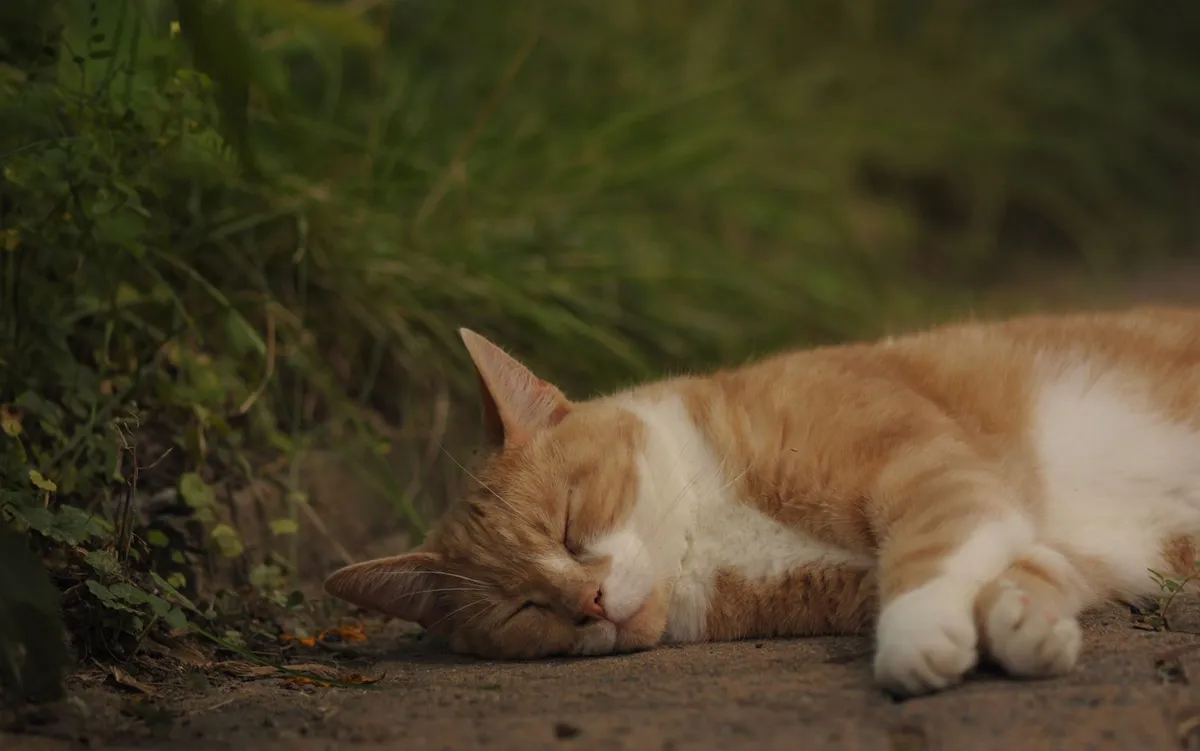
Not every cat sleeps with a covered face. Some sprawl on their side, some loaf with paws tucked, and some use a human as a pillow. These are all preferences, and they can shift with temperature, mood, and age. A kitten might sleep face-planted, while senior cats often stretch out more. If your cat changes her usual sleeping position, it is usually just because the weather changed or she found a new favorite spot. A change in posture alone is just part of a cat's daily rhythm. Enjoy the variety, and keep offering plenty of comfortable, quiet places to nap.
Never uncover a sleeping cat's face just to peek or take a photo. Waking a cat suddenly can startle her and damage trust. Let sleeping cats lie.
Building a Cozy Nap Environment at Home
To help your cat enjoy face-cover naps, think like a cat. Warm, enclosed spaces feel like dens. The table below shows common nap poses and the environment that supports each. You can create these microclimates with simple touches around the house.
| Nap posture | What it likely signals | Supporting setup |
|---|---|---|
| Face buried in paws | Warmth and sensory shutdown | A soft, slightly padded bed |
| Curled in a tight ball | Heat conservation | A heated bed or a blanket |
| Side sprawl | Deep confidence and relaxation | A cool, draft-free resting area |
| Loaf with chin down | Light rest, ready to leap | A perch with a view |
These are general tendencies, not fixed rules. Watch what your cat chooses on warm and cool days, and adjust accordingly. A sunny spot in winter might become a favorite; a shaded corner might win in summer. The goal is to give your cat choices so she can regulate her own comfort.
Frequently Asked Questions
Is it bad if my cat always covers her face when sleeping?
No, it is a completely normal sleeping posture. As long as she seems comfortable, eats normally, and is active during waking hours, there is no reason for concern.
Why does my cat cover her face with her paws?
Paws do double duty: they trap warmth and block light. The face and paw area also carry scent, so the posture may help your cat surround herself with familiar-smelling fur.
Do cats cover their face when they are sad?
No. Humans often read human emotions into cat behavior, but covering the face is about comfort, not mood.
Should I move my cat's paw from her face so she can breathe?
No. Cats are experts at arranging themselves for comfortable breathing. Moving her paw may startle her and interrupt a good nap.
What should I do if my cat suddenly stops covering her face?
Sleeping postures naturally change with age, temperature, and comfort. Some cats switch up their poses from nap to nap, so enjoy the variety.
Key Takeaway
When your cat covers her face while sleeping, she is doing something cats have done for thousands of years: wrapping herself in warmth, shutting out the world for a few minutes, and feeling completely safe. Let her sleep. It is one of the highest compliments she can give you.
Share this guide
Help another cat parent find it.