The short answer
Yes, cats can feel lonely, but not in the same way humans do. Cats are naturally solitary hunters, yet many domestic cats form deep bonds with their people and can show signs of distress when left alone for long periods. Whether a cat feels lonely depends on their personality, age, history, and environment. The good news is that you can take simple, practical steps to keep your cat content and engaged, even when you're away.
What Does Loneliness Look Like in Cats?
Cats are masters of hiding discomfort, but loneliness often shows up in subtle behavior changes. It's important to distinguish between loneliness and boredom – they can look similar, but the underlying need is different. Loneliness stems from a lack of social connection, while boredom comes from a lack of mental stimulation. Both can be addressed, but the solutions may differ.
Common signs that a cat might be feeling lonely include:
- Excessive meowing or yowling – especially when you leave or return. Some cats vocalize as a way to call for their human.
- Destructive behavior – scratching furniture, knocking things over, or over-grooming. This can be a sign of stress or an attempt to self-soothe.
- Changes in appetite – eating less or more than usual. Stress can suppress appetite in some cats and trigger overeating in others.
- Litter box issues – urinating outside the box. While this often signals a medical problem, it can also be a stress response.
- Withdrawal – hiding more, sleeping more, or losing interest in play. A lonely cat may become apathetic.
- Clinginess – following you from room to room and demanding attention when you're home. This can be a sign that they miss you when you're gone.
It's crucial to remember that these signs can also indicate underlying health issues. Always rule out medical causes with a vet before assuming loneliness is the culprit.
| Behavior | Possible Meaning | What to Try |
|---|---|---|
| Excessive meowing | Seeking attention or expressing distress | Structured play sessions, puzzle feeders |
| Destructive scratching | Boredom or anxiety | Provide scratching posts, cat trees, and toys |
| Over-grooming | Stress or boredom | Increase enrichment, consider pheromone diffusers |
| Hiding more | Feeling overwhelmed or lonely | Create safe spaces, gradual alone-time training |
| Litter box accidents | Stress or medical issue | Vet check first, then clean box more often |
Why Some Cats Are More Prone to Loneliness
Not every cat will feel lonely. Many factors influence a cat's social needs:
- Personality – Some cats are naturally independent and content with their own company. Others are "social butterflies" and crave constant interaction. A cat that follows you everywhere and chirps for attention is more likely to miss you when you're gone.
- Age – Kittens are often more energetic and may miss playmates. Senior cats may become more attached as they slow down and rely more on you for comfort.
- History – Cats that were previously rehomed, lived in a multi-cat household, or lost a companion may be more sensitive to being alone.
- Environment – A boring, unstimulating home can amplify feelings of isolation. Indoor-only cats, in particular, depend on their human for entertainment and social interaction.
Every cat is an individual. The best approach is to observe your cat's behavior and respond to their unique needs. Some cats are perfectly happy being the only pet, while others thrive with a feline companion.
How to Help a Lonely Cat
If you suspect your cat is lonely, you don't necessarily need to adopt a second cat. Start with these practical strategies to enrich their life and reduce feelings of isolation.
1. Enrich the Environment
A stimulating home keeps a cat's mind busy and provides outlets for natural behaviors. Consider:
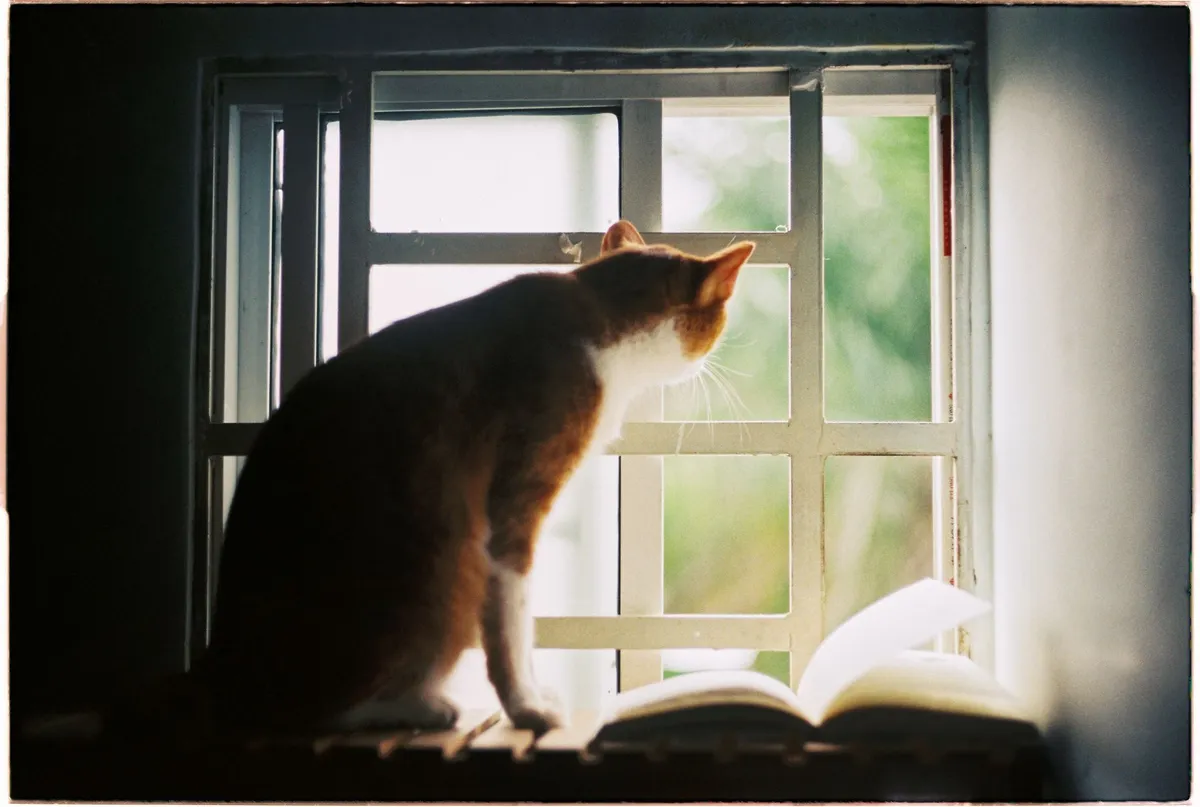
- Window perches with a view of birds, squirrels, or passing cars. This provides visual entertainment and mental stimulation.
- Interactive toys that mimic prey, such as wand toys and laser pointers. Use these during play sessions – not just leaving them out, as they require your participation. Rotate toys to keep them novel.
- Puzzle feeders that dispense treats as your cat works for them. These encourage problem-solving and slow down fast eaters.
- Cat trees and shelves for climbing, scratching, and perching. Vertical space is essential for a cat's sense of security.
- Cat grass or safe plants – some cats enjoy nibbling on wheatgrass or catnip, which can be a fun addition.
2. Create a Predictable Routine
Cats thrive on routine. Feed, play, and spend quiet time at the same times each day. This structure helps your cat feel secure, even when you're away. A consistent schedule reduces anxiety because your cat knows what to expect.
3. Practice Alone-Time Training
If you're away for long hours, gradually get your cat used to your absence. Start with short departures – just a few minutes – and reward calm behavior when you return. Leave a worn t-shirt or blanket with your scent; it can be comforting. Over time, increase the duration. This can help reduce separation anxiety.
4. Consider a Pet Sitter or Cat Cam
For extended trips, a professional pet sitter can visit to play, feed, and socialize with your cat. A cat camera lets you check in and even talk to your cat – some cats enjoy hearing your voice. This provides reassurance for you and a little extra interaction for your cat.
5. Try Pheromone Products
Synthetic feline facial pheromones (like Feliway) can help reduce stress and create a sense of calm. They come as diffusers or sprays and are widely available. While not a cure, they can be a useful addition to an enrichment plan.
If your cat's behavior changes suddenly – especially if they stop eating, become lethargic, or show signs of pain – do not assume it's just loneliness. Schedule a veterinary exam to rule out medical conditions like urinary tract infections, dental disease, or arthritis. Early diagnosis is key to a happy, healthy cat.
When a Second Cat Might Help
Adding another cat isn't a cure-all. Some cats are happiest as only cats, and introducing a new cat can cause stress for both animals. However, if your cat has previously lived with other cats and seems to miss the companionship, a carefully planned introduction might work.
Before adopting a second cat, consider:
- Your cat's temperament – Are they friendly toward other animals? Do they show signs of wanting a playmate? A cat that hisses at other cats is unlikely to enjoy a new companion.
- Your home setup – Do you have enough space, litter boxes (rule of thumb: one per cat plus one), and separate feeding areas? Resources must be plentiful to avoid competition.
- Your budget – Double the food, vet bills, and supplies.
- The introduction process – Slow, gradual introductions are essential. Never just toss two cats together. Start with scent swapping, then visual contact, then supervised meetings.
If you decide to adopt, work with a rescue or shelter to find a cat with a compatible personality. A slow introduction over weeks – using scent swapping, separate rooms, and supervised meetings – gives both cats the best chance of becoming friends. Patience is key.
Frequently Asked Questions
Q: How long can I leave my cat alone?
A: Most adult cats can handle 8-12 hours alone, but longer stretches can lead to loneliness and boredom. If you work long hours, consider a midday check-in or a pet sitter.
Q: Do indoor cats get lonelier than outdoor cats?
A: Indoor cats depend more on their humans for stimulation, so they may show more signs of loneliness if left alone frequently. Outdoor cats have more environmental stimulation, but they also face risks. The key is providing enrichment indoors to compensate.
Q: Will getting a second cat solve the problem?
A: Not always. Some cats prefer being the only cat. A second cat can create conflict and stress. It's better to first enrich your current cat's environment and see if that helps. If you do adopt, follow a slow introduction plan.
Q: Are there breeds that are more prone to loneliness?
A: Some breeds, like Siamese and Orientals, are known for being social and attached to their people. But individual personality matters more than breed. Even within the same breed, cats vary widely.
Q: What if my cat seems lonely even with toys and enrichment?
A: If you've tried enrichment and your cat still shows signs of distress, consult your vet or a feline behaviorist. They can help rule out medical issues and create a tailored plan.
Key Takeaway
Cats can feel lonely, but it's not inevitable. By understanding your cat's unique personality and providing a stimulating, predictable environment, you can help them feel secure and content – even when you're not home. Pay attention to behavior changes, rule out medical causes first, and always approach your cat's social needs with patience and empathy.
Share this guide
Help another cat parent find it.