The short answer
The zoomies — also known as “frenetic random activity periods,” or FRAPs — are sudden bursts of frantic running, leaping, and racing that many cats do at least once a day. They are a normal, healthy part of feline behavior. Cats are predators built for short explosive bursts of energy, and a zoomie session is usually just that energy being released. In a healthy cat, the zoomies typically last a few minutes and end as suddenly as they started.
What do the zoomies look like?
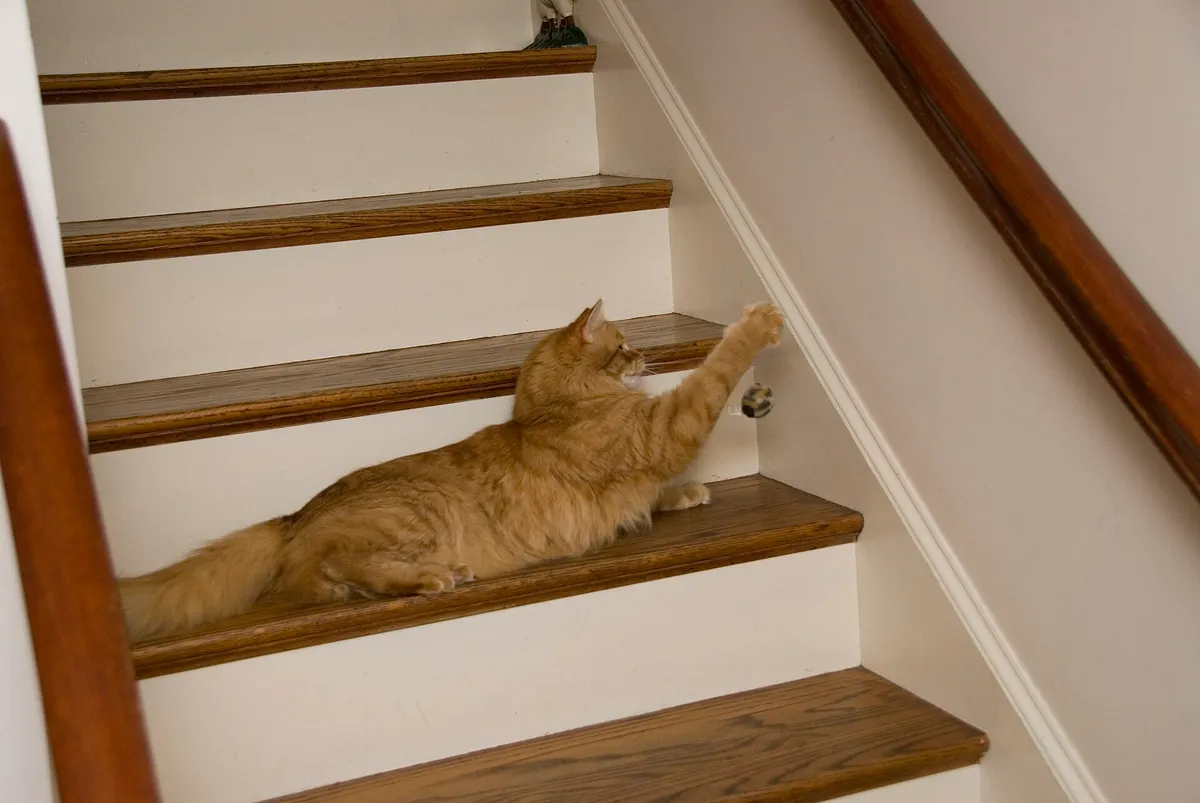
A cat with the zoomies might tear across the living room, bounce off furniture, skid around corners, and race up and down the stairs. Some cats add a “sideways crab” hop or a sudden pounce on an invisible target. Others announce the burst with a distinctive yowl before takeoff. The pattern looks chaotic, but it is actually a natural sequence: stalk, chase, pounce, catch. When the burst ends, your cat will usually settle quickly, groom, and then nap.
Zoomies are most common in kittens and young cats, but adult cats and even seniors can have them too. Most sessions last anywhere from one to fifteen minutes. They can happen anywhere, but owners most often notice them in long hallways, around corners, and during the quiet hours of the evening.
Why do cats get the zoomies?
There is no single cause. Several instincts and physical factors work together, and understanding them makes the behavior much less mysterious.
Pent-up hunting energy
Cats evolved to hunt in short bursts rather than long chases. A wild cat's day is built around stalking, chasing, pouncing, and catching prey — then eating and resting. Indoor cats rarely get to complete that full sequence. A day of sleeping, waiting, and watching means that when a cat's body says “time to move,” it moves. The zoomies are a way of spending that stored hunting energy.
A built-in body clock
Cats are crepuscular, meaning they are most active around dawn and dusk. In the wild, these are the hours when prey is most available. An indoor cat who sleeps much of the day may wake into a peak of alertness precisely when you are relaxing — which is why the zoomies so often arrive in the evening. This is not your cat trying to annoy you; it is an ancient schedule written into feline DNA.
The mystery of the poop zoomies
Many owners notice a sprint right after the litter box. One commonly offered explanation is that passing stool stretches the vagus nerve, which runs from the brain through the chest and abdomen. Stimulation of this nerve can cause a drop in heart rate and blood pressure, which some animals seem to experience as a light, elated feeling — and then they burn it off with a burst of running. This effect is not unique to cats; many mammals show a similar post-toilet burst. While this explanation has not been proven in cats, the behavior itself is common and harmless.
Waking up
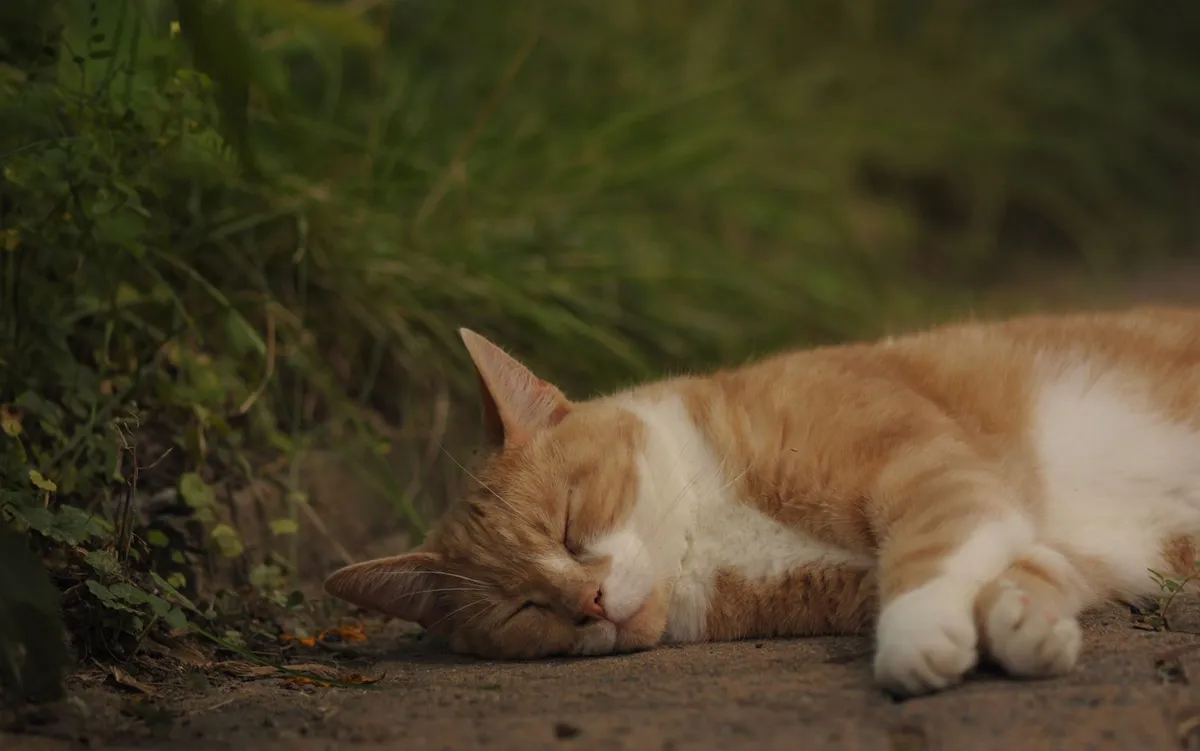
Cats sleep about twelve to sixteen hours a day. When they surface from a deep sleep, they sometimes come up swinging — or sprinting. A burst of activity right after waking is a way of shaking off sleep and checking the environment for anything that changed. You may notice this version of the zoomies right after a long nap in a sunny spot.
Kitten development and play
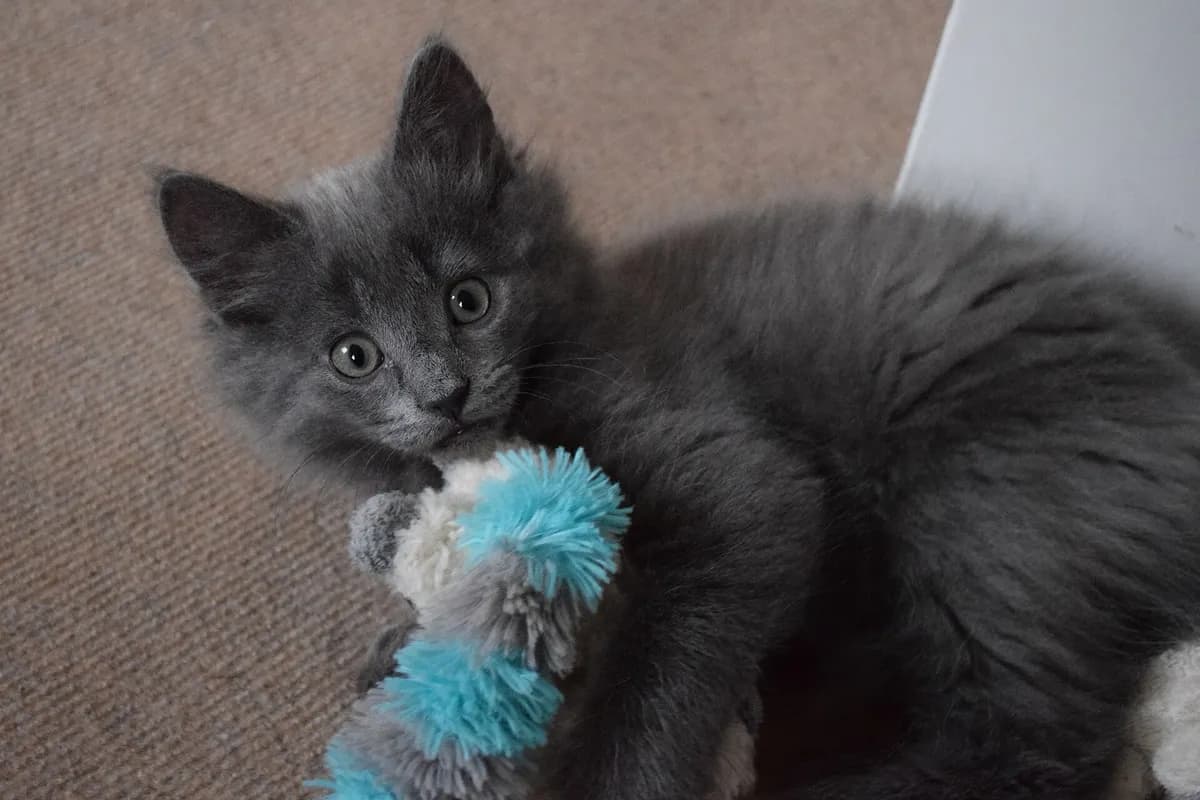
Kittens use zoomies as practice. All that charging around develops coordination, muscle strength, and hunting skill. Because kittens are still learning how to brake and turn, these sessions can look especially ridiculous, with failed jumps, tumbles, and skidding stops. As the cat matures, zoomies usually become shorter and less frequent — though some adult cats keep a zest for them for life.
Are the zoomies ever a concern?
By themselves, zoomies are not a problem. But because a burst of running can be triggered by discomfort, it is worth paying attention to the details.
Consult your veterinarian if the zoomies are accompanied by:
- Scratching, biting at the skin, or hair loss, which can point to fleas or skin disease.
- Vocalizing in pain, hiding, or resisting touch.
- A sudden dramatic increase in activity in an older cat, especially with weight loss or a bigger appetite — these can be signs of hyperthyroidism.
- Zoomies that are so frequent they interrupt normal rest or seem compulsive.
In most cases, a few zoomie episodes a day are simply a sign that your cat has energy to spend.
Let the zoomies run their course. Do not chase your cat during a zoomie session. Chasing can turn play into a game of being hunted, which can raise stress or encourage even more frantic running. Make sure the zoomie runway is safe — clear fragile objects, keep doors and windows secure, and check that an excited cat will not knock a hot mug or a lamp into its own path. If your cat regularly seems distressed during or after these bursts, check with your veterinarian.
How to channel the zoomies safely
You cannot fully eliminate the zoomies, and you do not need to. What you can do is give your cat healthy ways to spend the same energy.
Play with a purpose
Two or three focused play sessions a day — about ten to fifteen minutes each — let your cat move like a predator. Use a wand toy to mimic prey: dart it, pause it, let it “hide.” A crucial detail: let your cat catch the toy at the end. The catch is what completes the predatory sequence and brings the session to a calm close. If every chase ends in a miss, the energy does not release fully and can loop back into more zoomies.
Time the evening session
A play session shortly before bedtime can help shift your cat's activity earlier, so the big burst happens before you settle in for the night. Follow the play session with a meal or a small snack. The pattern of hunt, catch, eat, sleep mirrors the natural rhythm and tends to be deeply satisfying for a cat.
Build an interesting home
A cat with an engaging environment produces fewer boredom-driven bursts. Cat trees near windows, shelves for climbing, food puzzles, and toys rotated in and out can all help. A bird feeder visible from a window perch is essentially entertainment that never goes off the air.
Don't punish, don't chase
Zoomies are not misbehavior. A cat in the middle of a FRAP is not being spiteful and is not “trying to wake you up.” Punishment is confusing and can make a cat anxious. If the zoomies arrive at an inconvenient time, the gentle approach is to wait them out, then redirect leftover energy into a toy or a treat puzzle.
Common zoomie triggers at a glance
| Trigger | What is happening | What you can do |
|---|---|---|
| Evening or late night | Natural crepuscular activity peak | Add a play-and-meal session before bed |
| Right after the litter box | Possible vagus nerve response | Nothing needed; it is normal and harmless |
| After a long sleep | Waking burst of alertness | Provide a window perch or toy as an outlet |
| Young kitten age | Practice for hunting skills | Allow safe running space; protect fragile items |
| Boredom mid-day | Unspent hunting energy | Add puzzle feeders, shelves, and rotated toys |
Frequently Asked Questions
How long do the zoomies last?
Usually the intense sprinting lasts anywhere from a few seconds to fifteen minutes. Afterward, most cats groom and settle into a nap. If your cat seems unable to calm down afterward or the bursts regularly go on much longer, it is worth discussing with your veterinarian.
Is my cat happy when it has the zoomies?
In most cases, yes. The zoomies are a release of energy, and cats often show the body language of a focused, playful hunter — ears forward, pupils large, tail up. If your cat's ears are pinned back, it is hiding, or it is vocalizing in pain, that is different and deserves a closer look.
Why does my cat zoom around after using the litter box?
This pattern is common enough to have a nickname: the “poop zoomies.” One theory is that the physical act of passing stool stimulates the vagus nerve, causing a drop in blood pressure that some animals experience as a relief-like rush. The behavior is normal. If you notice straining, blood, or changes in litter box habits, those are separate concerns for a veterinarian.
Do senior cats get the zoomies?
Less often, but they can. A sudden increase in restlessness or zoom-like activity in an older cat — especially with weight loss or a bigger appetite — can be a sign of conditions such as hyperthyroidism, so it deserves a veterinary check rather than being waved off as a quirk.
Should I adopt a second cat so mine has someone to zoom with?
Maybe, but not as a fix for the zoomies. Some cats love a playmate; others find a housemate stressful. The zoomies are better managed with play, enrichment, and routine than by adding a second cat. Adding a cat should be a decision based on your current cat's personality and your home, not on an evening burst of energy.
Key Takeaway
The zoomies are a normal, healthy expression of your cat's predator brain. They are most common in kittens and young cats, tend to peak around dawn and dusk, and are rarely a cause for concern. Instead of interrupting them, let them happen safely — and give your cat regular play sessions that end with an actual “catch.” That simple routine will burn off the same energy in a way your cat, your furniture, and your sleep will all appreciate.
Sources & Scientific References (3)
Share this guide
Help another cat parent find it.