The short answer
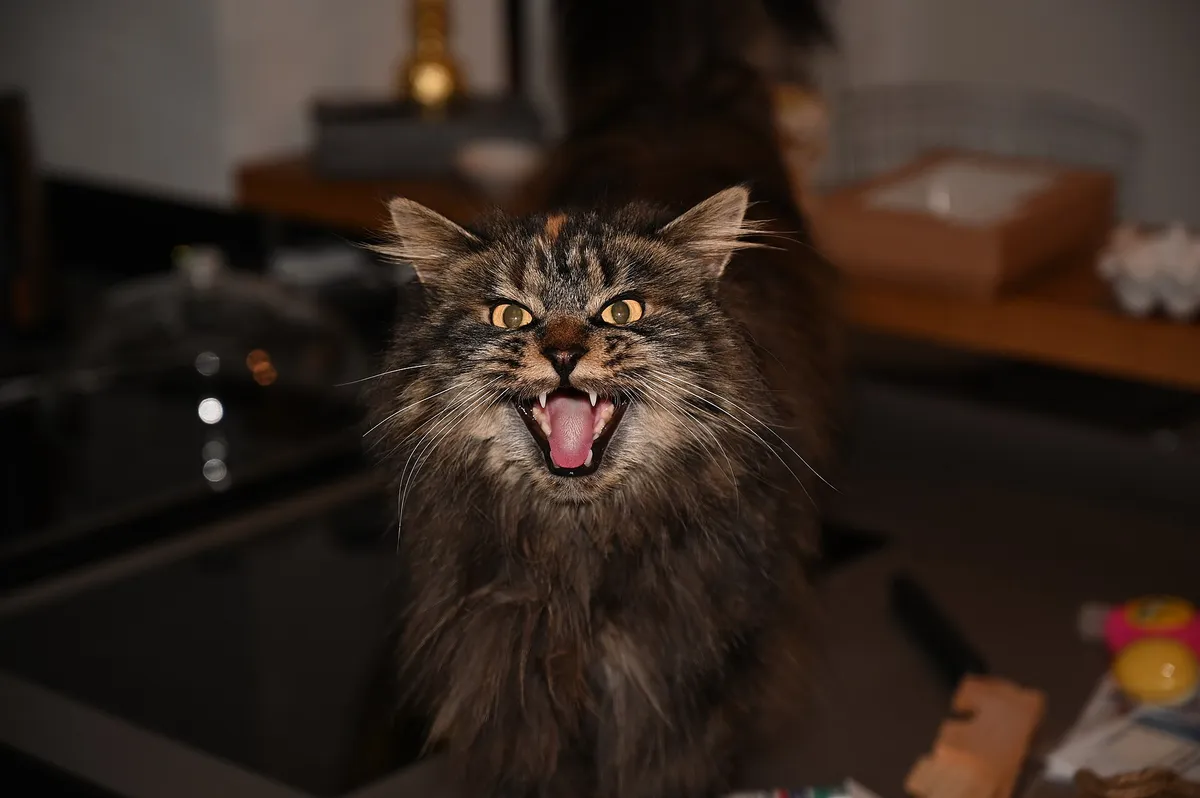
Your cat is meowing for a reason—likely several reasons over time. Adult cats rarely meow at one another; they keep this vocalization almost entirely for humans. When meowing becomes constant, it usually means one of three things: your cat wants something (food, play, attention, or access to a room), your cat is under stress (boredom, anxiety, or a disrupted routine), or your cat feels unwell (pain, high blood pressure, an overactive thyroid, or age-related confusion). Before you try training tricks or assume it is a "bad habit," get a veterinary check to clear the medical explanations. After that, most excessive meowing responds well to a consistent routine and simple changes at home.
Why cats meow at people
Kittens meow to their mothers from their first days of life—a soft squeak that tells the mother where they are and when they are hungry. As cats grow up, they mostly stop meowing at other cats. Instead, adult cats use scent marks, tail position, ear rotation, and body posture to communicate with one another.
Domestic cats take a different path. They discover early that a meow directed at a human often produces food, a door opening, or a head scratch. Because the behavior works, it sticks. Your cat is not plotting to annoy you; they are using a tool that history has taught them is effective. Some breeds are more naturally talkative. Siamese, Oriental Shorthair, and Balinese cats are famously chatty, while Persian and Russian Blue cats tend to be quieter. If your cat has always been vocal, that may simply be their personality—the goal is not to make a cat silent but to keep meowing from escalating into constant crying.
The most common reasons for excessive meowing
The table below summarizes the messages behind the most frequent meow types. Watch the whole situation—not just the sound—because context matters as much as pitch.
| What your cat may want | Typical sound | Other clues |
|---|---|---|
| Greeting | Short, bright, often rising | Runs to the door, tail up |
| Food | Persistent, rising, insistent | Stationed near bowl or kitchen |
| Attention or play | Medium, directed at you | Looks at you, leads you somewhere |
| Boredom | Repeated, meandering | Pacing, knocking objects over |
| Stress or anxiety | Low, frequent, tense | Hiding, flattened ears, over-grooming |
| Age-related confusion | Long, drawn-out yowl, at night | Disorientation, pacing, staring at walls |
| Pain or illness | Sudden yowl, change in tone | Hiding, poor appetite, litter box accidents |
| Mating | Loud, urgent yowl | Intact cat, restless, spraying |
The "feed me" meow
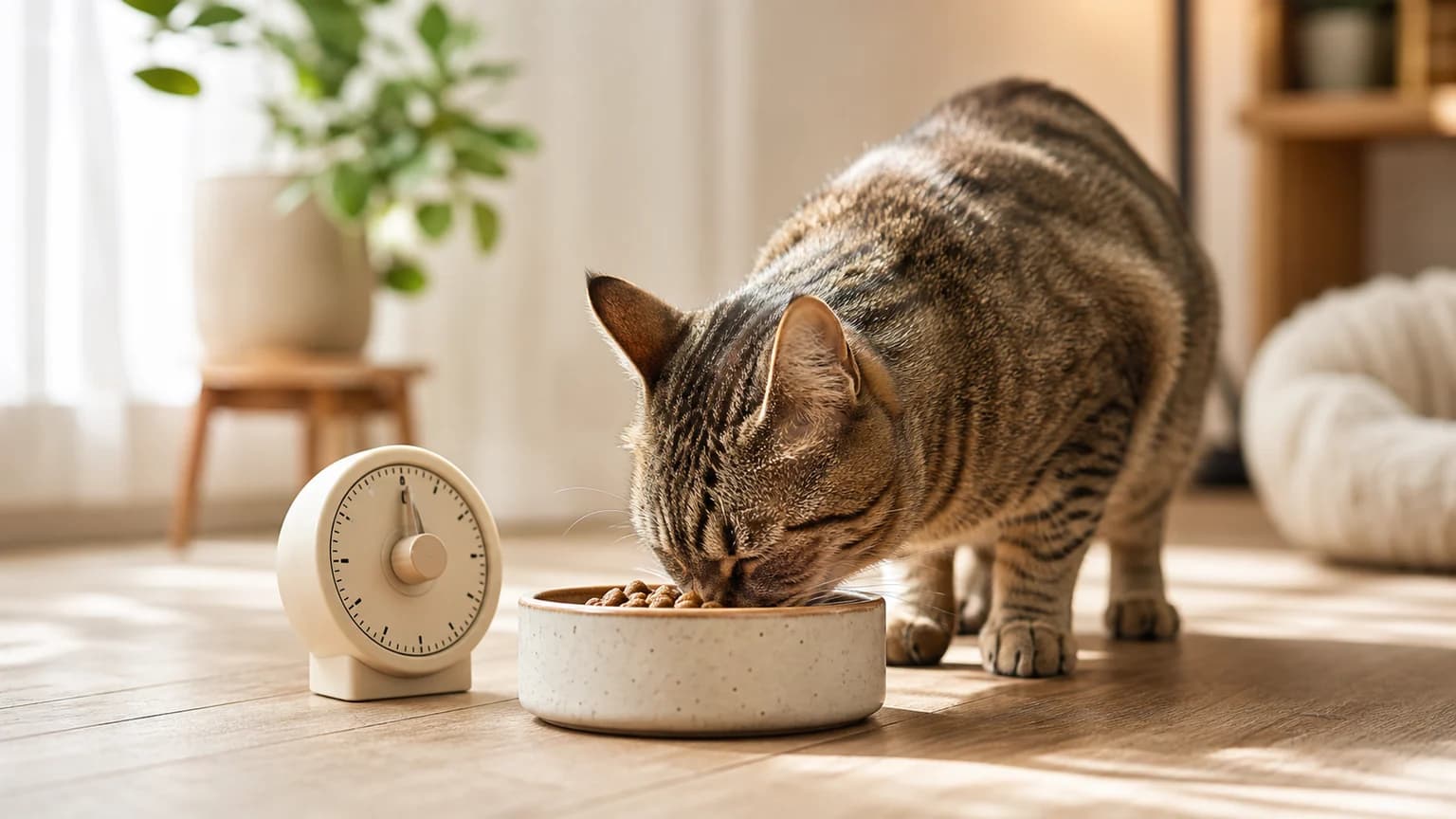
The classic food meow is persistent, rises in pitch, and often aims directly at you while you sit near the kitchen. Cats are creatures of routine: if breakfast appears at 6 a.m., expect a 5
a.m. performance. The key is separating true hunger from learned expectation. Check that you are feeding the correct portion and that your cat is maintaining a healthy body condition. If the portions are right and your vet is happy, the fix is scheduling and patience—feed when the cat is quiet, never mid-meow.Attention and play
Many cats want attention, not food. A cat who leads you to their toy or flops over at your feet while meowing is asking for interaction. Some cats chirp or meow when you come home as a greeting—a short burst that is perfectly normal. The problem starts when every meow gets picked up, petted, or spoken to, because then meowing becomes the most reliable way to engage you. Rewarding quiet, calm approaches instead is the single most effective change you can make.
Boredom and under-stimulation
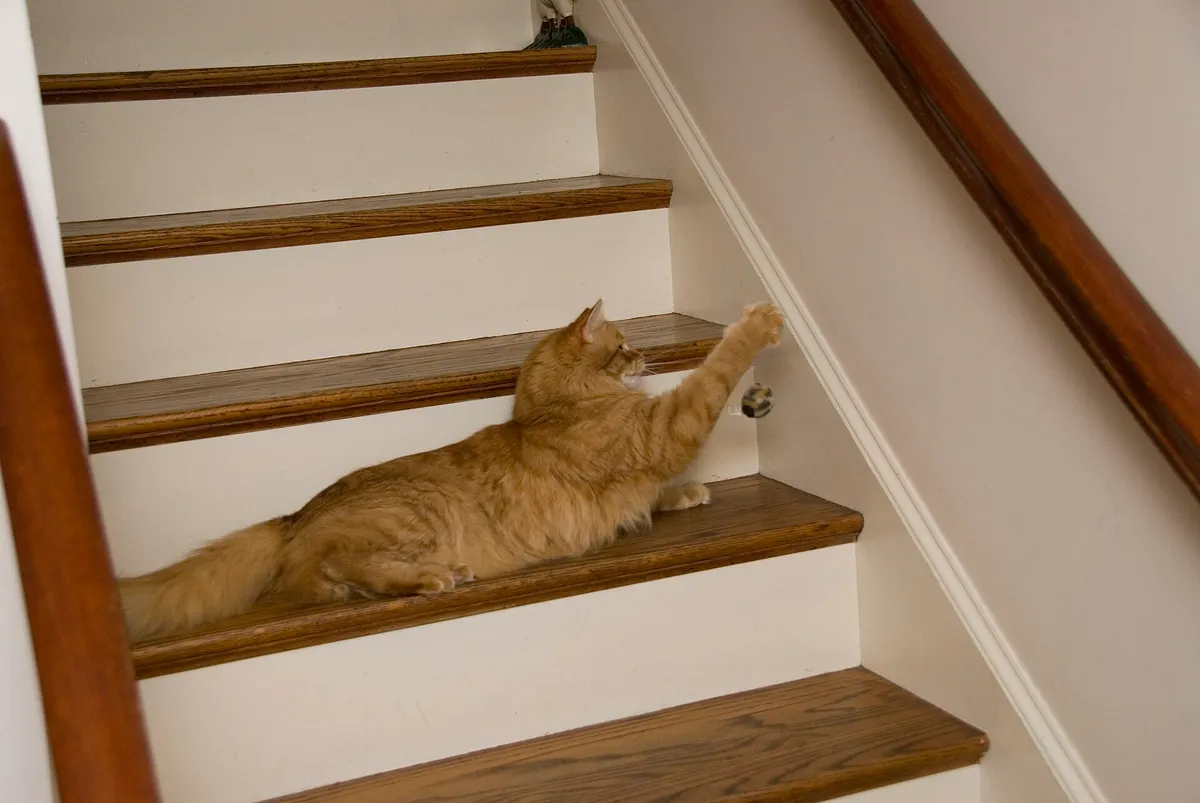
Indoor cats especially meow as an activity request. A cat who sleeps all day while you work may be wide awake and desperate for entertainment in the evening. Interactive play, puzzle feeders, and a perch with a window view can dramatically reduce this kind of vocalization. Give the cat something to do before you expect the meowing to stop.
Stress and routine changes
Relocation, a new pet, a new baby, or even rearranged furniture can spark a meowing phase. Cats feel safe through predictability. During a stressful period, provide a quiet base camp—a room with food, litter, and a cozy bed—and keep the timing of feeding and play as stable as possible.
Aging and cognitive decline
Senior cats sometimes yowl, particularly at night, because of feline cognitive dysfunction—a condition somewhat similar to dementia in humans. They may forget where their food is or feel disoriented in the dark. Leaving a nightlight, keeping food and litter in easy reach, and maintaining a stable routine help. But because many medical conditions look similar, a senior yowler needs a veterinary check before you assume it is just age.
Rule out a medical problem first
A sudden increase in meowing, a change in the quality of the sound, or night-time yowling in an older cat is a veterinary matter. These vocal changes can signal hyperthyroidism, high blood pressure, deafness, kidney disease, arthritis pain, or feline cognitive dysfunction. Never assume it is "just attention-seeking" until a vet has checked your cat.
Older cats in particular deserve a careful workup. Hyperthyroidism can cause excessive vocalization alongside weight loss and a ravenous appetite. High blood pressure can produce a vacant, loud yowl. Deaf cats often call out because they cannot hear themselves. Cognitive dysfunction leads to confusion, especially at night. Pain from arthritis can make a cat cry when moving or being picked up. In younger cats, sudden excessive meowing is less commonly medical, but a new behavior that appears out of nowhere still deserves a vet visit before you start a behavior plan.
How to respond: meet the need, not the noise
The most common mistake owners make is giving in after a few minutes of nagging. If your cat meows for food and you feed them after ten minutes, you have just trained them to meow for ten minutes, and next time it will be fifteen. Instead, try these strategies:
- For food-related meowing: feed on a schedule, not on demand. If portions are already correct and the cat still begs, consider a puzzle feeder so eating becomes a game. If you free-feed, switch gradually to measured meals—check your cat's calorie requirements first.
- For attention-seeking meowing: ignore the meow completely—no talking, no eye contact—and reward the first silent moment with attention, play, or a treat. Consistency matters more than the length of any single session.
- For boredom meowing: enrich the environment with perches, window seats, scratching posts, and two short interactive play sessions a day. Many indoor cats meow simply because nothing is happening.
- For night meowing: hold a vigorous play session before bed, then offer a small meal. If the cat meows at night, do not get up to feed and do not talk to them. Responding once is enough to make the 3 a.m. concert a nightly event.
- For stress meowing: keep feeding, play, and litter routines predictable. If a change has occurred, give the cat a safe room with familiar items and let them adjust at their own pace.
Never yell at or spray a cat for meowing. Punishment raises anxiety, which typically makes vocalization worse and damages trust.
When to see a vet without delay
Make an appointment soon if you notice any of the following: the meow suddenly sounds different; your cat cries while using the litter box; there is vomiting, weight loss, increased thirst, or a change in appetite; your cat seems disoriented; meowing is paired with hiding or refusal to be touched; or your cat is intact and yowling persistently. For senior cats, any new night-time yowling deserves a veterinary check even if everything else looks normal.
Frequently Asked Questions
Why does my cat meow at night?
Night-time meowing usually has one of four causes: boredom (the cat slept all day), a female in heat calling for mates or an intact male responding, a learned "if I cry, food arrives" routine, or cognitive decline in senior cats. Active play shortly before bed, a bedtime meal, and a silent, nonresponsive night solve most cases in young adult cats.
Why does my cat meow in a different room?
Some cats announce that they have "caught" something—they may yowl while carrying a toy. Others are checking that you are still paying attention, and senior cats may meow in another room because they feel lost. If yowling is accompanied by confusion or hearing loss in an older cat, a veterinary visit is wise.
Are some cats simply born talkative?
Yes. Breed plays a role—Siamese, Oriental Shorthair, and Balinese cats are notoriously vocal—and so does personality. A naturally chatty cat is not a problem unless the meowing signals distress or has become excessive even for that individual cat.
Does ignoring a meowing cat teach them anything?
It teaches the opposite of what many owners fear. When you ignore meowing and reward quiet, the cat gradually learns that quiet behavior earns your attention. The process takes weeks, and your response must be consistent every single time—occasional rewards for meowing make the behavior stronger, not weaker.
Can pain make a cat meow more?
Yes, and it is one of the reasons excessive meowing should never be dismissed as a pure behavior problem. Arthritis, dental disease, urinary disorders, and other painful conditions can cause cats to cry out. If the meowing is new and appears alongside hiding, poor grooming, or litter box accidents, see a vet before starting any behavior plan.
Key Takeaway
Meowing is the main way your cat talks to you. When it becomes excessive, read it as a message, not a nuisance. First, have a vet check for pain, thyroid problems, high blood pressure, deafness, and cognitive issues. Then look at the environment: is your cat bored, hungry on an unpredictable schedule, or being rewarded for demanding? Adjust the routine, reward quiet, enrich the home, and stay consistent. With medical causes off the table, most cats settle back to a conversational level of meowing—and your bond with them grows stronger for it.
Share this guide
Help another cat parent find it.