The short answer
Yes — plain, fully cooked lamb is safe for cats to eat in small amounts. It works best as an occasional treat rather than a regular meal, because treats of any kind should only make up a small slice of your cat's daily calories. A few bite-sized pieces of unseasoned lamb, with visible fat removed, is something most cats will happily accept. What you need to avoid is everything that makes lamb special for humans: fat trimmings, cooking oils, salt, and seasonings such as onion and garlic. Those extras can upset your cat's stomach or cause more serious harm, which is why 'can cats eat lamb' deserves a careful answer rather than a simple yes.
Why lamb can be a healthy occasional treat
Lamb is a protein-rich meat that delivers what cats are built to use: amino acids. Cats are obligate carnivores, meaning their bodies expect to get nutrients from animal tissue rather than plants. Lamb supplies high-quality protein, B vitamins, and minerals such as zinc and iron. It also contains taurine, an amino acid cats cannot produce in adequate amounts on their own and that plays an essential role in heart health, vision, and digestion.
However, this matters: the nutrient balance in a piece of cooked lamb is not the same as a complete commercial cat food. Feeding lamb as a treat is fine; feeding lamb as a diet is not. Commercial foods are formulated to meet the precise nutritional profile cats require, including the right calcium-to-phosphorus ratio, added vitamins, and balanced amino acids. A treat is a bonus, not a replacement.
Why fat trimmings are the risky part
Cats can handle some fat, and a little does them no harm. But concentrated amounts of fatty meat — exactly what lamb trimmings are — can overwhelm a cat's digestive system. A sudden rich, fatty snack is one of the things that can trigger gastrointestinal upset, including vomiting and diarrhea, and in more severe cases it can inflame the pancreas, a condition called pancreatitis. Pancreatitis is painful and may require veterinary care, so the 'trim the fat' rule is worth taking seriously.
Choose lean cuts, cut away white fat, and skip the drippings. If your cat sneaks a bit of fat off your plate, a single small incident is usually not an emergency — but it is a reason to watch for signs such as vomiting, loss of appetite, or a tender belly, and to check in with your veterinarian if those appear.
The seasoning problem: what makes lamb unsafe
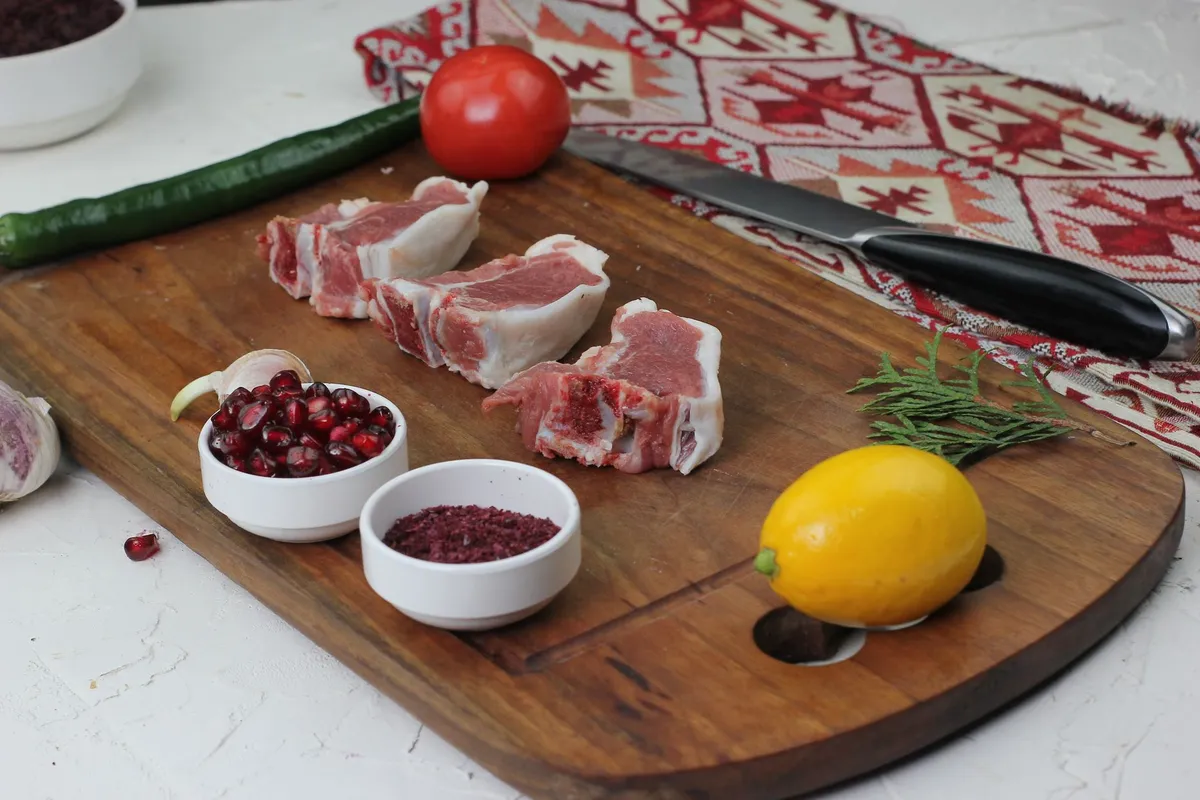
Cats do not taste or process food the way we do. Onion and garlic — both common in lamb rubs, marinades, and gravies — are especially risky for cats and can damage red blood cells. Even in powder form, they are a concern. Salt, pepper, rosemary, and herb rubs are unnecessary and can irritate a cat's stomach, and many lamb dishes include butter or oil that adds far more fat than a cat should eat.
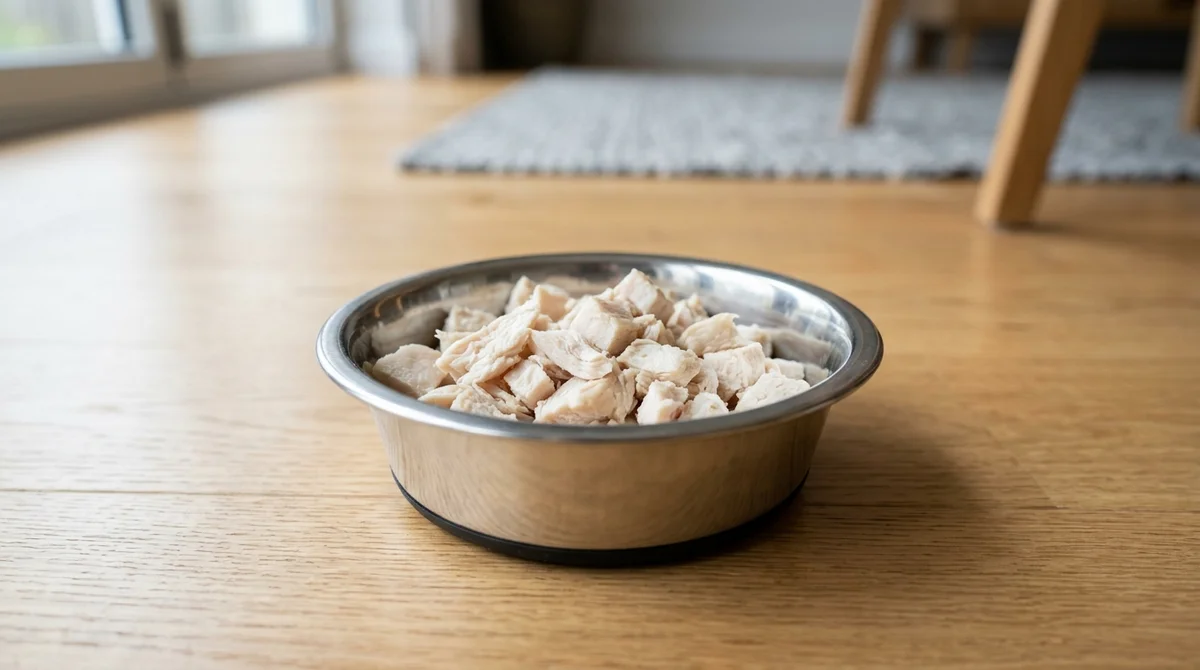
The safest preparation is the most boring one: lamb boiled, baked, or grilled with nothing added — no salt, no oil, no sauce, no rub. If you want to make it a special occasion, cook a small piece separately from the family meal, or set aside a plain piece before seasoning the rest.
Cooked bones deserve their own warning. Cooked lamb bones become brittle and can splinter, creating a choking hazard and a risk of damage to the mouth, throat, or intestines. Remove meat from the bone before offering it to your cat, and never offer the bone itself.
Onion and garlic, even in small amounts and even in powder form, are unsafe for cats. If your cat has eaten seasoned lamb containing them, call your veterinarian for advice rather than waiting for symptoms to appear.
How to serve lamb safely
When you decide to offer lamb, the details matter. Follow this checklist:
- Cook it fully. Aim for no pink in the middle, since undercooked meat carries bacteria.
- Keep it plain. Boil, bake, or grill with nothing added — no salt, oil, butter, marinade, or sauce.
- Trim the fat. Remove visible fat and gristle after cooking.
- Cut it small. Pieces about the size of a pea or a small dice are easiest for a cat to handle.
- Serve it cool. Let the meat cool to about room temperature so it does not hurt your cat's mouth.
- Keep it occasional. Treats should stay under about 10% of daily calories; for an average cat that means just a few small pieces a few times a week.
| What you might be tempted to share | Safe for cats? | Why, or why not |
|---|---|---|
| Plain cooked lean lamb, no seasoning | Yes, in small pieces | High-quality protein; fine as an occasional treat |
| Lamb fat trimmings or drippings | No | Too much fat; can cause vomiting, diarrhea, or pancreatitis |
| Lamb cooked with onion, garlic, or salt | No | Onion and garlic are unsafe for cats; excess salt is a risk |
| Raw or undercooked lamb | Not recommended | Bacteria such as Salmonella and parasites are a real risk for cats and people |
| Cooked lamb bones | No | Bones splinter and can cause choking or internal injury |
What about raw lamb?
Some owners are drawn to raw meat because it seems more natural. The evidence points in a different direction. Raw meat, including raw lamb, can carry bacteria such as Salmonella and E. coli, as well as parasites. Cats can become ill from these, and so can the humans who handle the raw meat or scoop the litter box afterward. Veterinary organizations, including the American Veterinary Medical Association, advise against raw or undercooked meat for pets, partly for the animal's safety and partly for public health.
If raw feeding is something you are seriously considering, it is worth a conversation with your veterinarian, who can explain the specific risks and, if you decide to proceed, the safest handling protocols. For most cats, fully cooked plain lamb is the safer choice.
Raw and undercooked meat carries bacteria that can make both cats and people ill. Cook lamb until no pink remains, and wash your hands and any surfaces that touched raw meat.
Lamb in commercial cat foods
You may notice lamb on the ingredient list of many commercial cat foods. That is a different situation from table scraps. When lamb appears in a complete commercial diet, it is cooked, ground, and combined with precisely measured vitamins, minerals, and other ingredients so the final food meets every feline nutritional requirement.
Lamb is also a common 'novel protein' in foods designed for cats with certain food sensitivities. Choosing one of those diets is something to do with veterinary guidance, not a label-reading guessing game — a lamb-based veterinary diet is a treatment plan, while a cooked treat from your kitchen remains a snack.
Frequently Asked Questions
Can kittens eat lamb?
Kittens can have a tiny taste of plain cooked lamb, but their digestive systems are still developing and their growth needs are very specific. Kittens should eat a complete kitten formula as their main diet, and treats of any kind should be limited. For a kitten under six months, check with your veterinarian first and keep the portion to a single small piece.
What if my cat ate lamb cooked with onion or garlic?
Do not wait for symptoms. Call your veterinarian or a pet emergency helpline and tell them what your cat ate, roughly how much, and when. Onion and garlic are unsafe for cats, and a quick phone call is always the right move.
How much lamb can I give my cat?
Treats of any kind should stay under about 10% of daily calories. For an average 4–5 kg cat, that means a few small pieces — roughly a teaspoon to a tablespoon of chopped meat — a few times a week, not every day. If your cat is on a special diet, ask your veterinarian first.
Is lamb good for cats with sensitive stomachs?
Every cat is different, and there is no guarantee that lamb will agree with your cat just because it worked for another. Because lamb is a single-ingredient protein that many cats have not eaten before, some owners find it is well tolerated. But a sensitive stomach can have many causes, so introduce lamb carefully: start with one small piece and watch your cat for 24 hours. If digestive issues are ongoing, work with your veterinarian rather than self-diagnosing.
Can cats eat lamb bones?
No. Cooked bones splinter easily and can lodge in the mouth or throat or damage the digestive tract, and raw bones carry bacterial risks. Remove all meat from the bone before offering it to your cat, and skip the bone itself entirely.
Key Takeaway
Plain, fully cooked, unseasoned lamb in small pieces is a safe occasional treat for most healthy adult cats. Trim the fat, skip the seasonings, never offer bones, and keep treats to about 10% of daily calories. When in doubt about your individual cat, ask your veterinarian — because every cat's health history is different.
Check a food before you guess
Search the PurrWise food checker for a specific ingredient and review the recommended safety action.
Share this guide
Help another cat parent find it.