The short answer
Yes, cats can eat cooked sweet potato, as long as it is plain — no salt, butter, oil, sugar, or spices — and offered in very small amounts. For most healthy adult cats, a bite or two of soft, cooked sweet potato makes a safe occasional treat. However, "can eat" is not the same as "should eat." Sweet potato is not a biologically meaningful food for cats, and it should never take the place of meat-based meals or nutritionally complete cat food. Think of it as a novelty snack: fine every now and then, unnecessary in every other way.
Why sweet potato doesn't fit a cat's nutritional blueprint
Cats are obligate carnivores. Unlike dogs, who are omnivores and can draw value from a wide range of plant foods, cats have evolved to meet almost all their nutritional needs from animal tissues. They need amino acids like taurine and arginine that are found naturally in meat, and they cannot manufacture these efficiently from plant sources. A cat's short digestive tract and enzyme profile are designed for protein and fat, not for digesting large amounts of carbohydrate.
That doesn't mean a little carbohydrate is harmful. Most commercial cat foods contain carbohydrates, often in the form of grains or vegetables, because they help hold the food together and provide energy. But a cat does not require carbohydrate in its diet. Sweet potato, specifically, offers complex carbohydrate, fiber, potassium, and some vitamins, but cats convert beta-carotene (the plant form of vitamin A) poorly, so the vitamin A in sweet potato is largely inaccessible to them. In short, sweet potato won't hurt a healthy cat in sensible portions, but it also won't deliver any nutrient your cat can't already get better from muscle meat, organ meat, and a complete cat food.
How to prepare sweet potato for a cat
Preparation is the whole game. The way humans usually eat sweet potato — roasted in oil, mashed with butter and syrup, or baked with salt — is not the way your cat should eat it. Follow these steps:
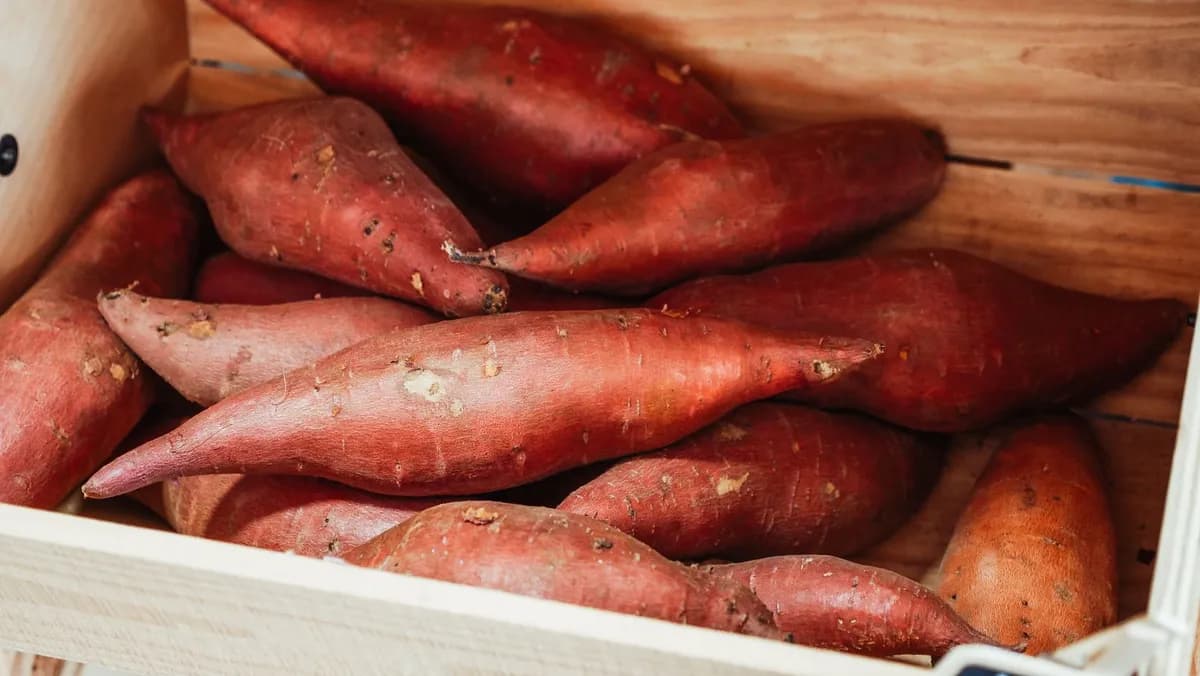
- Choose a fresh, firm sweet potato. Wash the skin well.
- Cook it until completely soft by boiling, steaming, or baking. No seasonings at any stage.
- Let it cool, then peel off the skin. Cooked skin is chewy and can be hard for a cat to manage, so removing it reduces the choking risk.
- Mash or cut the flesh into tiny, pea-sized pieces.
- Offer no more than a teaspoon or two to an adult cat. Supervise the first attempt so you can see how your cat chews and swallows it.
Serve it at room temperature, never piping hot. And remember: a treat should always be voluntary. If your cat sniffs it and walks away, that's a perfectly normal response — most cats have little interest in plant foods, and they don't need them.
How much sweet potato can a cat eat?
The general rule for cat treats is that they should make up no more than 10 percent of a cat's daily calories. An average adult cat weighing about 4 to 5 kilograms (9 to 11 pounds) needs roughly 200 to 250 calories per day, which means a treat budget of about 20 to 25 calories. A tablespoon of mashed sweet potato contains roughly 25 calories — that's your cat's entire treat allowance for the day. Keep portions accordingly.
Here's a practical serving guide:
| Cat | Serving size | Frequency |
|---|---|---|
| Healthy adult cat | 1–2 teaspoons, mashed | 1–2 times per week |
| Senior cat | 1 teaspoon, mashed | Occasionally |
| Kitten under 1 year | Not recommended | — |
| Overweight or inactive cat | Skip it | Choose a cat treat instead |
When in doubt, smaller is better. The goal is a curious nibble, not a meal. If you offer a little too much, don't be surprised if your cat's digestion complains; plant fiber in excess can lead to gas or loose stools in some cats.
Sweet potato forms that are unsafe for cats
Not every sweet potato product is cat-friendly. Some versions are outright unsafe, and others are simply a choking hazard.
- Raw sweet potato: hard, starchy, and difficult to digest. It's also a choking risk. Always cook it first.
- Sweet potato skin: tough and chewy even when cooked; peel it before serving.
- Mashed sweet potato with butter, cream, syrup, or marshmallows: high in fat and sugar, which cats don't need and may not tolerate well.
- Sweet potato fries or chips: fried, salted, and fatty. Not a cat snack.
- Candied yams or casseroles: almost always contain sugar, butter, and sometimes spices.
- Sweet potato baby food: only safe if the ingredient list is 100 percent sweet potato with nothing added. Many brands add lemon juice or other ingredients.
Two more things to know. First, garlic and onion — often added to savory sweet potato dishes — are unsafe for cats even in small amounts, so never share leftovers from a seasoned meal. Second, "yam" is sometimes used interchangeably with sweet potato in stores; if you're offering a true yam, the same rules apply: cooked, plain, and tiny.
Commercial sweet potato treats for cats
Some pet treat brands sell sweet potato-based chews or freeze-dried sweet potato for cats. These can be convenient because the processing controls for safety and portion size, but they're still carbohydrate treats. Read the ingredient label: the ideal product contains sweet potato and nothing else, or sweet potato plus other pet-safe ingredients. Treats marketed for cats should be designed with feline nutrition in mind, and they should still be counted within the 10 percent treat allowance. Homemade plain sweet potato is generally the simplest, cheapest option — just remember that kitchen prep comes with seasoning risks, so keep it boring on purpose.
Possible upset after a treat
Most cats handle a small bite of cooked sweet potato without issue. But every cat is an individual. If your cat has a sensitive stomach, the extra fiber or starch can cause mild digestive upset. Watch for signs like gassiness, loose stools, or simply acting uninterested in food afterward.
If that happens, stop offering sweet potato and stick to your cat's normal diet until everything settles. If any digestive upset seems severe or doesn't resolve, contact your veterinarian. And if your cat has a diagnosed health condition — for example, diabetes, kidney disease, or food sensitivities — check with your veterinarian before adding any treat, including sweet potato, to the menu.
Sweet potato must be cooked, served plain, and given in very small amounts. Never offer raw sweet potato, skin, or any seasoned preparation. Butter, salt, sugar, garlic, and onion are all unsuitable for cats, and garlic and onion can be genuinely unsafe. For cats with health conditions, or if you're simply unsure, ask your veterinarian before introducing any new treat.
Frequently Asked Questions
Can kittens eat sweet potato?
It's best not to. Kittens grow quickly and need a precise balance of protein, fat, calcium, and other nutrients. Treats can crowd out the complete food they need, so most veterinarians recommend keeping kittens on a proper kitten diet and skipping extras like sweet potato.
Why is sweet potato in some cat foods?
Some commercial cat foods include vegetables such as sweet potato as a source of carbohydrate. That doesn't mean sweet potato is essential — carbohydrate isn't a dietary requirement for cats. When manufacturers include it, the amount is carefully calculated by nutritionists to keep the diet balanced. Home-prepared sweet potato is a different matter; it can't claim the same nutritional guarantees.
Can cats eat sweet potato baby food?
Only if the label lists nothing but sweet potato, with no added onion, garlic, salt, or lemon juice. Baby food is generally smooth, which makes it easy to swallow, but it's still a treat and should still be limited to a teaspoon or two. Many baby foods add citric acid or vitamin C, so read the label every time.
What should I do if my cat ate a seasoned sweet potato dish?
A single small bite of a dish with a little butter or salt is unlikely to cause a problem, but garlic and onion are a bigger concern. Take note of what was in the dish and how much your cat ate, then call your veterinarian for advice. It's always better to ask than to wait.
Key Takeaway
Cooked, plain sweet potato is safe for most healthy adult cats as an occasional treat, but it's nutritionally optional. Portion control is the key: a teaspoon or two, a couple of times a week, never replaces meat-based meals or balanced cat food. Skip raw sweet potato, peel the skin, keep every seasoning out of the bowl, and when in doubt, ask your veterinarian. Your cat's diet should be built on animal protein — sweet potato is at most a tiny, occasional footnote.
Check a food before you guess
Search the PurrWise food checker for a specific ingredient and review the recommended safety action.
Sources & Scientific References (3)
Share this guide
Help another cat parent find it.