The short answer
Yes, cats can eat shrimp, but only with careful preparation. Plain, fully cooked shrimp in small pieces is safe for most healthy adult cats as an occasional treat. Shrimp is not a superfood or a dietary necessity — it is a snack. It should never replace a complete and balanced commercial cat food. The catch is that everything depends on how the shrimp is prepared. Unseasoned, boiled, steamed, or grilled shrimp without shells or tails is a fine reward. Raw shrimp, seasoned shrimp, or shrimp cooked with butter, oil, salt, garlic, or onion can be unsafe and cause digestive problems. If your cat has a medical condition, especially kidney or heart disease, check with your veterinarian before sharing shrimp.
Why shrimp can be a good treat
Cats are obligate carnivores. Their bodies are wired to get energy and nutrients from animal protein, and shrimp fits that biological pattern. It is high in protein, naturally low in carbohydrates, and contains no added sugars. For that reason, shrimp is a more species-appropriate treat than many soft commercial treats that rely on wheat, corn, or artificial flavors to hold their shape. Shrimp also offers omega-3 fatty acids and vitamin B12, which support the nervous system and coat health. You may even notice your cat doing the happy face — head-butting your hand, purring, and licking — when shrimp appears. The unique smell of shrimp also makes it an effective lure to coax a shy cat into a carrier.
But here is the nuance: a treat is the opposite of a staple. A complete, commercially prepared cat food is formulated with precise amounts of taurine, arginine, vitamin A, arachidonic acid, and calcium. Shrimp does not contain that balance. If a cat fills up on shrimp, it will miss out on essential nutrients. Protein treats also add extra calories; every shrimp has calories that need to be accounted for. Shrimp is best used as a high-value reward for training, medication time, or the occasional bonding session, not as a side dish to dinner.
How to prepare shrimp safely
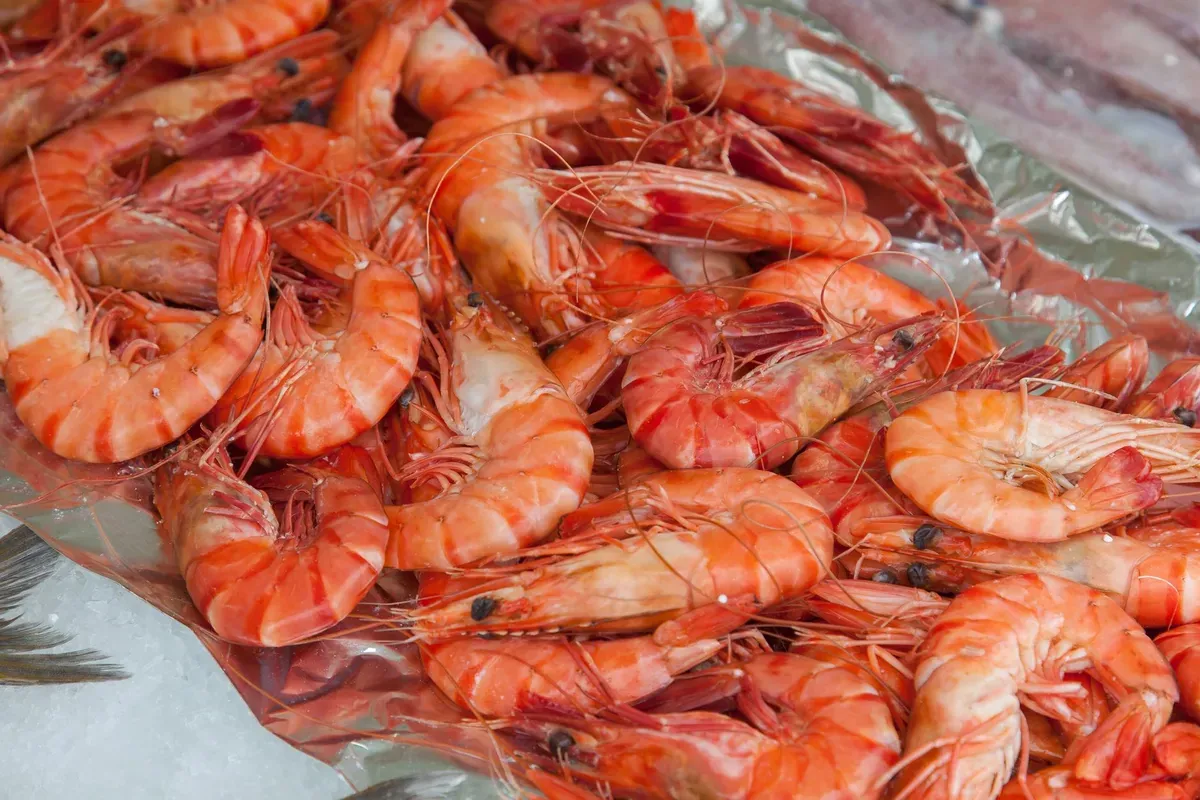
Preparation starts with the ingredient itself. Choose fresh or frozen shrimp that has been thawed completely in the refrigerator. Cook it in a way that adds nothing: boiling, steaming, or grilling with water is fine. Do not use butter, oil, or cooking spray. Do not add salt, pepper, garlic, onion, or any dried seasoning. Garlic and onion, even as powders, can harm a cat’s red blood cells, and extra salt increases the workload on the kidneys. Once cooked, let the shrimp cool thoroughly, and then remove the shell, the tail, and the dark vein that runs along the back. The shell and tail are not digestible; they can cause choking or a blockage in the intestines.
Next, cut the shrimp into pieces that match your cat’s mouth size. A thumbnail-sized amount is a good guideline for an average adult cat. If your cat is a gulper, use even smaller pieces. Serve the shrimp at room temperature or slightly warm, never hot. Hot shrimp can burn a cat's mouth and esophagus. Finally, handle leftovers with care. Cooked shrimp spoils quickly, so keep uneaten portions in the fridge and discard after 24 hours. Do not let shrimp sit at room temperature for more than two hours. A spoiled shrimp snack can cause vomiting and diarrhea, which is no fun for either of you.
Only offer your cat plain, fully cooked shrimp. Never give raw shrimp, shrimp with the shell or tail attached, or shrimp that includes salt, garlic, onion, butter, oil, or any marinade. These can trigger digestive upset, kidney strain, or more serious issues. When in doubt, leave it out.
How much shrimp can a cat eat?
The 10% rule is a reliable guide for all cat treats. A treat should never account for more than 10% of a cat’s daily calorie requirement. A typical adult cat weighing about 4 kg (8.8 lbs) needs roughly 200 to 250 calories each day. That means treats should total no more than 20 to 25 calories daily. A single small plain cooked shrimp contains roughly 7 to 10 calories. So two small pieces once or twice a week is a comfortable limit for most healthy adults. This dilution of other, more nutritious food is minimal while still giving your cat the experience of a seafood reward.
| Cat's weight | Approx. daily calories | Safe shrimp treat amount |
|---|---|---|
| 3 kg (6.6 lbs) | 150–200 | 1 small piece, 1–2 times per week |
| 4 kg (8.8 lbs) | 200–250 | 1–2 small pieces, 2 times per week |
| 5 kg (11 lbs) | 250–300 | 2 small pieces, 2 times per week |
| 6 kg (13.2 lbs) | 300–330 | 2 small pieces, up to 2 times per week |
These numbers are estimates. A very active, lean cat can handle closer to the high end, while a sedentary neutered cat should stay closer to the low end. The easiest strategy: keep shrimp as a very occasional treat, and don't worry if some weeks have none. If your cat is on a weight-control plan, calculate treat calories carefully or skip shrimp altogether. If you are unsure about your cat's daily calorie target, ask your veterinarian or use a reliable online calorie calculator.
Risks and what to watch for
The most common risk with shrimp is overfeeding it. Cats may love the taste, and owners may keep offering more, but too many shrimp can lead to obesity and nutritional imbalance. Another concern is hidden allergens. Shellfish allergy is possible in cats, although less common than beef, fish, or dairy allergies. Watch for symptoms after the first shrimp: intensive itchiness, overgrooming, red or inflamed ears, sneezing, or a bout of vomiting. If you observe any of these, stop giving shrimp and call your veterinarian.
The natural sodium content of shrimp deserves attention, especially for older cats or cats with kidney disease, high blood pressure, or heart issues. Even without added salt, shrimp carries a noticeable amount of sodium. Cats with kidney disease cannot excrete extra sodium efficiently, and that can cause blood pressure to rise. If your cat is on a prescription diet, or if you know they have urinary tract problems, talk to your vet before introducing shrimp. There is also a mechanical hazard: shells, tails, and overly large chunks can get stuck in the airway or intestine. Always cut your shrimp into small, manageable pieces. Remember that every cat has a unique tolerance; introducing any new food should be done gradually and in small amounts.
Can kittens or senior cats eat shrimp?
Kittens have extremely specific nutritional needs. Their growth depends on a careful ratio of calcium to phosphorus, balanced amino acids, and enough calories to fuel development. Filling a kitten's small stomach with shrimp may crowd out the kitten formula food that provides those precise ratios. While one tiny piece of plain cooked shrimp is unlikely to cause an acute problem, it is smart to avoid regular shrimp treats until a kitten reaches roughly one year of age. Kittens also tend to swallow quickly, so choking risk is real.
Senior cats are a different story. Many 11-year-old and older cats begin to develop chronic kidney disease or hypertension. Shrimp's natural sodium content might be too much for their aging kidneys, pushing blood pressure into a dangerous range. Other seniors struggle with dental pain, making chewy or rubbery shrimp difficult to handle. If your senior cat is otherwise healthy and your veterinarian approves, an occasional tiny piece is likely fine. For cats with a diagnosis, choose veterinarian-approved treats instead. Always discuss new treats at the next senior wellness visit. Your veterinarian can guide you on the best treats for your cat's specific life stage.
Frequently Asked Questions
Can cats eat shrimp tails?
No. Shrimp tails are firm and sharp, and they can lodge in a cat’s throat or intestine. Always remove the tail along with the shell before serving shrimp as a treat.
Can cats eat raw shrimp?
No. Raw shrimp can carry bacteria such as Salmonella and Listeria, plus parasites that can make cats sick. It needs to be fully cooked to be considered safe.
How often can I feed my cat shrimp?
Once or twice a week is enough. Check the calorie chart and use the 10% rule. A treats’ calories should never exceed about 10% of your cat's daily intake. For example, a 4 kg cat might get one or two small pieces twice a week, but no more.
What if my cat ate seasoned shrimp?
If it was a single small bite with a little salt, the risk is low, but watch for vomiting, diarrhea, dehydration, or unusual thirst. If the shrimp included garlic, onion, a large amount of butter, or a marinade, call your veterinarian immediately.
Are all cats allergic to shrimp?
No. Some cats are allergic; most are not. Start with a very small piece and observe for symptoms such as itching, ear redness, or digestive upset in the 24 hours afterward.
Key Takeaway
Plain, fully cooked shrimp, served in small pieces without shells, tails, or seasoning, is a safe and protein-rich occasional treat for most healthy adult cats. Respect the 10% calorie rule, introduce shrimp gradually, and monitor your cat's reaction. When in doubt — especially for kittens, senior cats, or cats with health conditions — consult your veterinarian first.
Check a food before you guess
Search the PurrWise food checker for a specific ingredient and review the recommended safety action.
Share this guide
Help another cat parent find it.