The short answer
Yes, cats can eat a tiny piece of plain, low-sodium ham or deli meat as an occasional treat—but it should never become a regular part of their diet. Deli meats are highly processed and packed with salt, preservatives, and fat, all of which can be hard on a cat's body in larger amounts. If you're going to share, the safe approach is a thumbnail-sized piece, offered rarely, and only if your cat has no health conditions that make extra salt or protein risky.
Here is what you need to know before you tear off that corner of sandwich ham.
What's actually in ham and deli meat?
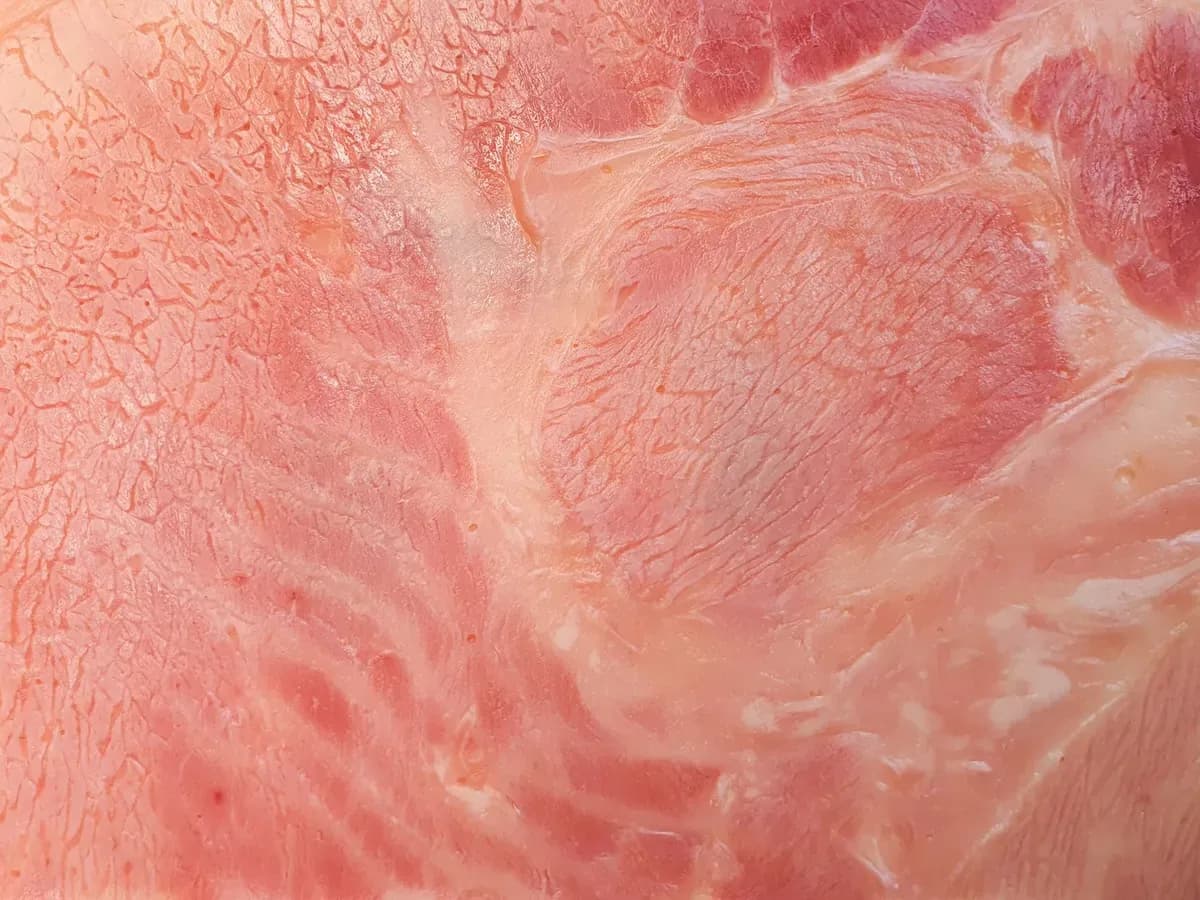
Ham is made from pork leg that is cured, smoked, or both. Deli meat is a broader category that includes turkey, chicken, roast beef, salami, bologna, and other sliced meats. The problem for cats is rarely the meat itself—cats are obligate carnivores and can digest animal protein well. The problem is everything that gets added during processing.
Most commercial deli meats are injected with a brine solution that contains salt, sugar, and often sodium phosphates. They may also contain:
- Nitrates and nitrites to preserve color and prevent bacteria
- Flavorings such as onion or garlic powder
- Smoke flavoring and natural or artificial spices
- High amounts of fat, especially in salami, bologna, and pepperoni
A single slice of ham can contain several hundred milligrams of sodium. For comparison, a healthy 10-pound cat needs only about 40 to 80 milligrams of sodium per day. That means one small slice could blow through your cat's entire daily sodium budget and then some.
The three big concerns: salt, preservatives, and fat
Salt overload
Cats evolved from desert-dwelling ancestors, so their bodies are designed to conserve water and tolerate some salt. But too much sodium at once can lead to excessive thirst and urination, and in extreme cases, it can put stress on the kidneys or heart. Cats with kidney disease, heart disease, or high blood pressure are especially vulnerable, and even a small treat can be too much for them.
If your cat eats a large amount of salty ham, you may notice increased thirst, lethargy, or vomiting. That would be a sign to call your veterinarian. Again, a tiny bite is unlikely to cause serious harm, but it is best to treat salt like the emergency it can become if your cat gets into a whole package.
Preservatives and seasonings
Nitrates and nitrites are used in most deli meats. These compounds are generally recognized as safe for humans in the amounts allowed, but cats are much smaller and have different metabolic pathways. We do not have strong research on how a cat handles a chronic intake of nitrates from processed meat, which is another reason to keep these treats rare and tiny.
Onion and garlic are more concerning. Both are harmful to cats because they can damage red blood cells and lead to anemia. Some deli meats are flavored with onion or garlic powder, so always read the ingredient label. If you see onion, garlic, chives, or any "spice" that could hide those ingredients, skip it.
Fat and calories
Cats need some fat in their diet, but too much can cause digestive upset and, over time, contribute to obesity and pancreatitis. Fatty deli meats like salami and bologna are especially risky. Even lean ham can be extra fatty depending on the cut. A single bite is not going to derail your cat's health, but if you offer deli meat every day, the calories and fat add up quickly.
A quick comparison of common deli meats shows how much variety there is:
| Type of deli meat | Typical sodium per slice (about 1 oz) | Fat per slice | Main concern |
|---|---|---|---|
| Oven-roasted turkey breast | 250-400 mg | 1 g or less | Sodium |
| Honey ham | 300-500 mg | 2-3 g | Sodium and added sugar |
| Salami | 400-600 mg | 6-8 g | Fat and sodium |
| Bologna | 300-500 mg | 8-10 g | Fat and sodium |
| Roast beef | 200-350 mg | 2-4 g | Sodium and possible seasonings |
These numbers are rough averages based on common brands. Always check the package label because sodium can vary wildly between brands and even between batches.
If you do offer a treat, how to do it safely
If you decide to share a little deli meat with your cat, follow these rules every single time:
- Choose plain, low-sodium meat. Look for "low-sodium" or "no-salt-added" versions. Plain roasted turkey or chicken breast is usually a better choice than ham because it tends to be lower in fat and sugar.
- Read the ingredient list. Make sure there is no onion, garlic, or mysterious "natural flavoring" in the mix.
- Cut it into tiny pieces. A piece about the size of your pinky fingernail—roughly a quarter to half a teaspoon—is plenty. Offer no more than once or twice a week.
- Do not make it a meal. Deli meat is a treat, not a substitute for a complete and balanced cat food. It lacks essential nutrients like taurine in the amounts cats need, and it should never replace their regular food.
- Watch how your cat reacts. Some cats have sensitive stomachs and may get soft stools or vomiting after a new food. If that happens, stop offering it and check with your vet.
Do not feed deli meat to kittens under one year old, senior cats, or any cat with kidney disease, heart disease, diabetes, high blood pressure, or a history of pancreatitis. These cats have reduced tolerance for salt and fat, and even a small treat can trigger a health crisis. When in doubt, ask your veterinarian before offering any human food.
Which cats should skip deli meat entirely?
While a healthy adult cat can handle a tiny occasional nibble, there are some cats who should never eat ham or deli meat. These include:
- Cats with chronic kidney disease. Their kidneys are already struggling to filter waste, and extra sodium can speed up the damage.
- Cats with heart disease. Sodium can contribute to fluid retention and make the heart work harder.
- Cats with pancreatitis or a sensitive stomach. Fatty meats can trigger a painful flare-up.
- Overweight or obese cats. Treats should be low-calorie, and even a few pieces of deli meat can tip the daily calorie balance.
- Cats on a prescription diet. Any additional food, even a tiny treat, can interfere with the carefully balanced mineral and protein levels in therapeutic diets.
If your cat falls into any of these categories, it is not worth the risk. There are plenty of other ways to show affection that do not involve processed meat.
Healthier alternatives to deli meat
If you want to give your cat a meaty reward, there are safer options that are lower in salt and free of preservatives:
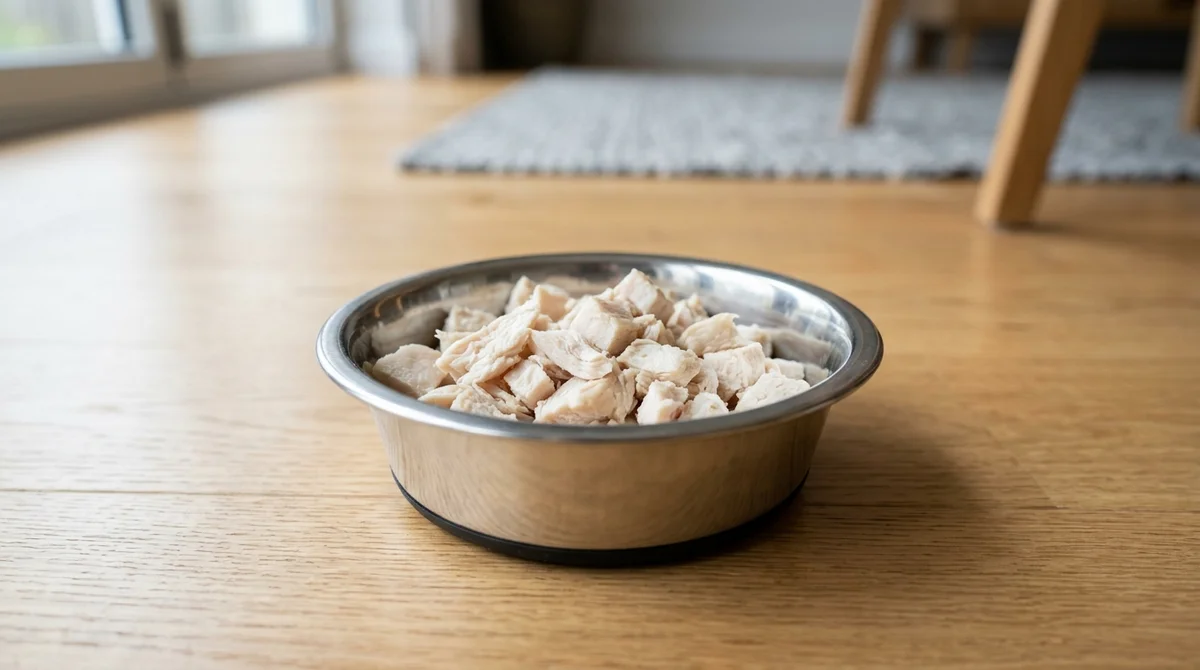
- Plain cooked chicken or turkey. Boil or bake a piece of chicken breast with no salt, oil, or seasoning. Shred it into small bits.
- Plain cooked fish. Canned tuna or salmon packed in water, rinsed, is a good occasional treat. Avoid oil-packed or seasoned fish.
- Freeze-dried meat treats. Look for single-ingredient treats that list only chicken, turkey, or fish as the ingredient.
- Small pieces of plain scrambled egg. Cooked egg is a good source of protein, though it is also rich and should only be a rare treat.
These alternatives still need portion control, but they skip the sodium and additives that make deli meat less ideal.
Frequently Asked Questions
Can cats eat ham every day?
No. Ham and deli meats are high in sodium and processed additives, and they do not provide complete nutrition. Even a healthy cat should only get a tiny piece once or twice a week at most. Daily treats of any kind should make up no more than 10% of your cat's daily calories, and ham is too salty to be a regular part of that 10%.
Is cooked ham safer than deli ham?
Plain, cooked, unseasoned ham is generally less processed than deli ham, but it is still a cured meat unless you cooked it yourself from a fresh pork roast with no salt. Fresh cooked pork that is plain and low in sodium is a slightly better option, but you still need to keep portions tiny. Never give your cat ham that has been glazed, honey-cured, or seasoned with spices.
What should I do if my cat ate a whole slice of ham?
A single slice of ham is unlikely to cause serious harm in a healthy adult cat, but it could cause mild digestive upset or lethargy. Watch for vomiting, diarrhea, excessive thirst, or a very quiet cat. If any of these develop, call your veterinarian. If your cat got into a large portion or a package of deli meat, contact your vet or a pet poison helpline right away.
Are turkey and chicken deli slices safer than ham?
Plain, low-sodium turkey or chicken breast is usually lower in fat than ham, but it can still be high in sodium. The key is reading the label and picking a version with the lowest sodium and no onion or garlic powder. No deli meat is truly "safe" in unlimited amounts, so always treat it as a tiny occasional snack.
Can kittens eat deli meat?
Kittens have very specific nutritional needs for growth, and their kidneys are still developing. They also have smaller bodies, which makes salt and additives more concentrated per bite. It is best to avoid giving deli meat to kittens entirely. Stick with a high-quality kitten food and offer kitten-safe treats instead.
Key Takeaway
Cats can eat ham and deli meat only in very small amounts, and only when it is plain, low-sodium, and free of onion and garlic. A pinky-nail-sized piece once or twice a week is a reasonable limit for a healthy adult cat. But for cats with health conditions, kittens, or anyone on a prescription diet, the safest amount is none at all. When in doubt, ask your veterinarian, and when you can, choose a plain cooked meat or a single-ingredient freeze-dried treat instead.
Check a food before you guess
Search the PurrWise food checker for a specific ingredient and review the recommended safety action.
Share this guide
Help another cat parent find it.