The short answer
Yes, cats can eat tuna, but only as an occasional treat — never as a regular meal. Tuna is high in protein and many cats adore its strong smell and taste, but it also carries risks like mercury exposure, thiamine deficiency, and nutritional imbalances if fed too often. The safest way to offer tuna is as a small, infrequent reward, choosing canned tuna packed in water with no added salt or oil, and never as a replacement for a complete and balanced cat food.
Why Cats Love Tuna
Cats are obligate carnivores, meaning they thrive on animal-based protein. Tuna is a rich source of protein and has a potent aroma that appeals to many cats. This is why you'll often find tuna in commercial cat foods and treats. However, the tuna you eat from a can is not the same as the specially formulated tuna in balanced cat diets. Human-grade tuna lacks the essential vitamins, minerals, and amino acids (like taurine) that cats need in specific amounts.
Nutritional Benefits of Tuna for Cats
Tuna provides high-quality protein, which supports muscle maintenance and energy. It also contains omega-3 fatty acids, which can benefit skin and coat health. In small amounts, tuna can be a tasty and nutritious snack. But the benefits come with caveats that every owner should understand before sharing their sandwich filling.
Risks of Feeding Tuna to Cats
Mercury Contamination
Tuna is a predatory fish that accumulates mercury in its tissues. Larger species like albacore (white) tuna have higher mercury levels than smaller ones like skipjack (chunk light). Chronic exposure to mercury can lead to neurological issues in cats, including tremors, incoordination, and even kidney damage. Because cats are small, even moderate amounts of tuna can push mercury levels to unsafe thresholds. The U.S. Food and Drug Administration (FDA) advises humans to limit albacore tuna consumption, and cats are far more sensitive due to their size.
Thiamine Deficiency
Tuna contains an enzyme called thiaminase, which breaks down thiamine (vitamin B1) in the body. Thiamine is essential for carbohydrate metabolism and neurological function. If a cat eats large amounts of raw tuna or tuna as a primary diet, it can develop a thiamine deficiency, leading to symptoms like loss of appetite, muscle weakness, and seizures. Cooking destroys thiaminase, but canned tuna is still not a complete food and lacks other vital nutrients.
Nutritional Imbalance
Tuna is not a complete and balanced diet for cats. It lacks sufficient taurine, an essential amino acid for cats, and has an inappropriate calcium-to-phosphorus ratio. Feeding tuna as a staple can lead to serious health issues like dilated cardiomyopathy (heart disease) and bone problems. Cats need a precise balance of nutrients that only a formulated cat food can provide.
Sodium and Other Additives
Canned tuna often contains added salt, oil, or flavorings. High sodium can strain a cat's kidneys, especially in older cats or those with kidney disease. Tuna packed in oil adds unnecessary fats and calories, which can lead to obesity and even pancreatitis. Even "low sodium" varieties may still contain more salt than a cat needs.
Addiction and Picky Eating
Cats can become addicted to the taste of tuna, refusing their regular food. This can create a cycle where they only want tuna, making it difficult to provide a balanced diet. Once a cat develops a strong preference, it can be challenging to wean them back onto their normal food.
How to Safely Offer Tuna to Your Cat
If you want to give your cat tuna as a treat, follow these guidelines:
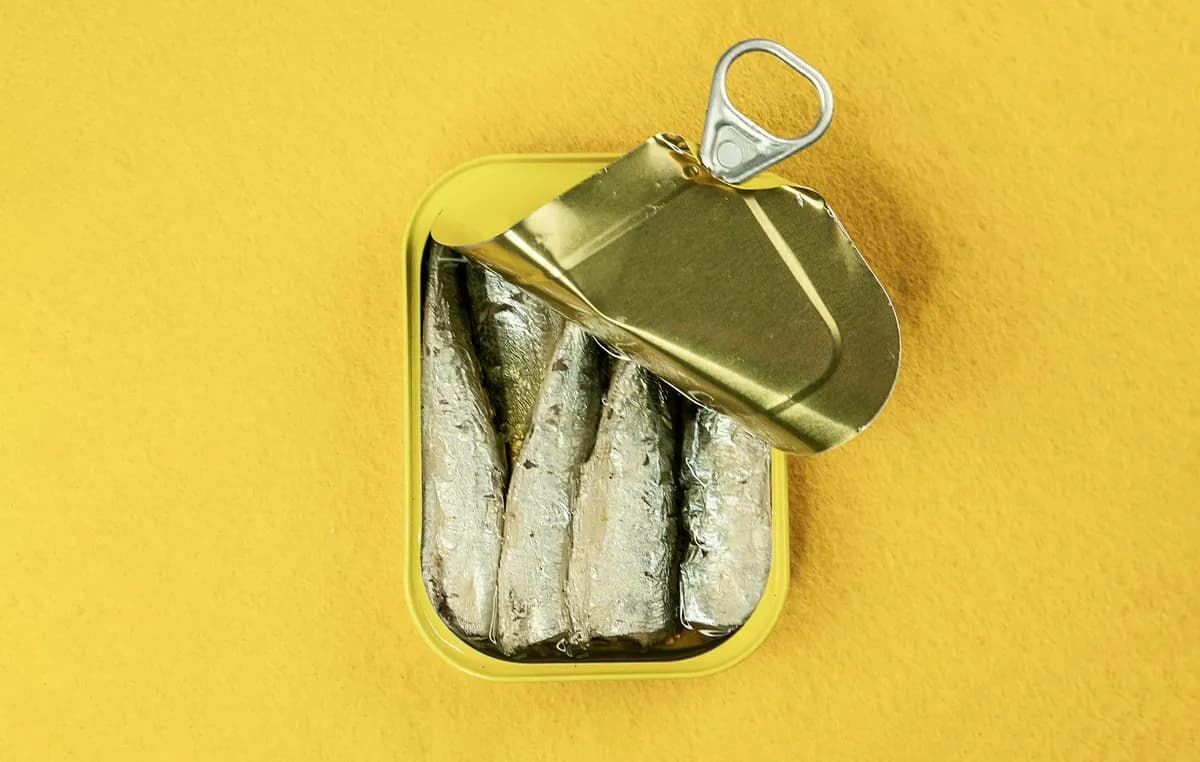
- Choose the right type: Opt for canned tuna packed in water, with no salt added. Avoid tuna in oil or with seasonings like garlic or onion, which are toxic to cats.
- Check the label: Look for "low sodium" or "no salt added." Rinse the tuna under fresh water to remove excess sodium.
- Serve in small amounts: A teaspoon or two of flaked tuna is plenty for an average-sized cat. For a 10-pound cat, that's about 10-20 calories, which should be less than 10% of their daily caloric intake.
- Frequency: Offer tuna no more than once or twice a week, and never as a meal replacement.
- Avoid raw tuna: Raw fish carries risks of parasites and bacteria, and thiaminase activity is higher in raw fish. Stick to cooked or canned.
- Watch for reactions: Some cats may have allergies or digestive upset. If you notice vomiting, diarrhea, or changes in appetite, stop offering tuna and consult your veterinarian.
Tuna Type Comparison Table
| Tuna Type | Mercury Level | Recommended? |
|---|---|---|
| Chunk light (skipjack) | Lower | Yes, occasional treat |
| Albacore (white) | Higher | Avoid or limit severely |
| Yellowfin | Moderate | Limit |
| Bluefin | Highest | Never feed |
| Raw tuna | Variable | Never feed due to parasites and thiaminase |
Tuna in Commercial Cat Food
Many commercial cat foods include tuna as an ingredient. These products are formulated to be complete and balanced, with added taurine, vitamins, and minerals to meet feline nutritional requirements. The tuna used in pet food is also processed to reduce thiaminase activity. So, while human-grade tuna is not a suitable diet, tuna-based cat food is perfectly safe when fed according to the manufacturer's guidelines.
Signs of Tuna Toxicity or Overconsumption
If your cat has eaten too much tuna, watch for these signs:
- Vomiting or diarrhea
- Lethargy or weakness
- Loss of coordination or tremors
- Reduced appetite
- Excessive thirst or urination
These symptoms could indicate mercury toxicity, thiamine deficiency, or simply a digestive upset. If you notice any of these, stop feeding tuna and contact your veterinarian immediately.
Alternatives to Tuna as Treats
If you're looking for healthy treats that cats love, consider these options:
- Commercial cat treats made from fish or meat, formulated for cats
- Small pieces of cooked chicken, turkey, or lean beef (no bones, no seasoning)
- Freeze-dried meat treats specifically for cats
- Small amounts of plain, cooked pumpkin (for fiber, not protein)
Always introduce new treats gradually and in moderation.
Frequently Asked Questions
How much tuna can I give my cat?
A small amount, about a teaspoon per 10 pounds of body weight, once or twice a week. Always treat tuna as an occasional snack, not a dietary staple.
Is canned tuna in oil bad for cats?
Yes, tuna packed in oil is high in fat and calories, which can lead to obesity and pancreatitis. Choose water-packed tuna with no added salt or oil.
Can kittens eat tuna?
Kittens have specific nutritional needs for growth. Tuna is not appropriate for kittens because it lacks essential nutrients and may contain mercury. Stick to a high-quality kitten food.
Is tuna in cat food safe?
Yes, commercial cat foods that list tuna as an ingredient are formulated to be complete and balanced, with added taurine and other nutrients. The concern is with human-grade tuna as a treat.
What should I do if my cat ate a lot of tuna?
If your cat consumed a large amount of tuna, monitor for signs of digestive upset. For chronic overfeeding, consult your vet about potential mercury or thiamine issues.
Key Takeaway
Tuna can be a safe, enjoyable treat for cats when offered correctly: small amounts, infrequently, and always in water-packed, low-sodium form. It should never replace a nutritionally complete cat food. Always prioritize your cat's health by sticking to balanced diets and using tuna as a rare reward.
Never feed tuna to cats with kidney disease, pancreatitis, or other health conditions without veterinary approval. The high sodium and mercury content can worsen these conditions. Always consult your veterinarian before introducing new foods, especially if your cat has a medical history.
Check a food before you guess
Search the PurrWise food checker for a specific ingredient and review the recommended safety action.
Share this guide
Help another cat parent find it.