The short answer
Yes, cats can eat cooked liver, but only as an occasional treat and in very small amounts. Liver is packed with protein, vitamin B12, iron, and other nutrients cats can use. However, it is also one of the richest natural sources of vitamin A. Because vitamin A is stored in the body, feeding liver too often or in large portions can build up to unsafe levels over time. For a typical adult cat, that usually means no more than about one-half to one teaspoon of plain, cooked liver two or three times a week. This keeps the treat enjoyable without turning an everyday food into a vitamin A risk.
Why liver can be part of a cat's diet
Cats are obligate carnivores: their bodies are designed to use nutrients from animal tissues efficiently. Liver has a strong natural smell and taste that many cats find irresistible. It supplies high-quality protein, vitamin A, B vitamins including B12, and minerals like copper, iron, and zinc. In nature, cats would eat the organs of prey, including liver, so it is not an unnatural food for them.
Commercial cat foods sometimes include liver as an ingredient. In those recipes, liver is measured and mixed into a nutritionally complete balance. A treat is different: it is extra on top of a complete diet. Even when a food is nutritious, a cat can get too much of a good thing. That is why portion and frequency matter with liver.
The vitamin A catch: why moderation matters
Vitamin A is essential for vision, skin, immune health, and normal growth. Cats cannot convert plant pigments such as beta-carotene into vitamin A very well; they rely on preformed vitamin A from animal foods. Liver is exactly that kind of food, in concentrated form.
Unlike some vitamins that are flushed out in urine, vitamin A is fat-soluble. The body stores extra vitamin A, mostly in the liver itself. When a cat eats small amounts of liver occasionally, those stores stay within a healthy range. When liver is offered daily, or in large chunks, the stores keep rising. Over weeks or months, excess vitamin A causes a condition called hypervitaminosis A. It is not always obvious right away, but it can lead to bone pain, stiff neck or spine, lameness, poor appetite, and weight loss. This is why the message on liver is caution, not fear.
Liver is not a bad food, but it is very easy to overdo. Treat it like a high-potency supplement rather than a daily food. If your cat has kidney disease, pancreatitis, or another health condition, check with your veterinarian before offering liver treats. For kittens under one year of age, keep portions even smaller and skip treats entirely if your vet is not involved.
How much liver can a cat eat?
The safest approach is to think of liver as a tiny treat, not as a meal. A good starting point for an average 10-pound adult cat is one small piece about the size of a pea or small bean, served once or twice a week. If you like to make food toppers, no more than about half a teaspoon to one teaspoon per week is enough.
| Feeding question | Simple rule |
|---|---|
| How much in one serving? | One pea-sized piece, about 1/4 to 1/2 teaspoon |
| How often? | No more than two or three times per week |
| How should it be cooked? | Plain, fully cooked, no salt, oil, onion, or garlic |
| Can it replace a meal? | No, keep treats under 10 percent of daily calories |
If your cat eats a bigger piece by accident, one time is not an emergency. Watch for stomach upset, but vitamin A problems come from repeated overfeeding, not from a single slipped morsel.
Every cat is an individual. A small 6-pound cat should get less than a 15-pound cat, and a senior cat with health problems may need to avoid liver treats altogether. If your cat is on a prescription diet, that diet is usually complete on its own, and adding liver can upset the balance your veterinarian is working to maintain. The serving sizes here are starting points for healthy adult cats, not medical orders.
What about liver treats from the store and liver in cat food?
Many commercial cat foods list liver as an ingredient. That is not the same as feeding liver as a treat. A complete cat food is formulated so all nutrients, including vitamin A, stay within safe ranges. Freeze-dried liver treats, however, are still concentrated liver. The drying process removes water, so the vitamin A is condensed into a smaller piece. This means you should feed them with the same small-portion mindset as fresh liver. Check the label to see whether the treat is pure liver or a blend. If you are unsure how many pieces to give, follow the product's directions and then subtract those treats from your weekly liver budget. A single treat company cannot know your cat's medical history, so the general 1/4 to 1/2 teaspoon rule is still a useful guide.
Choosing and preparing liver safely
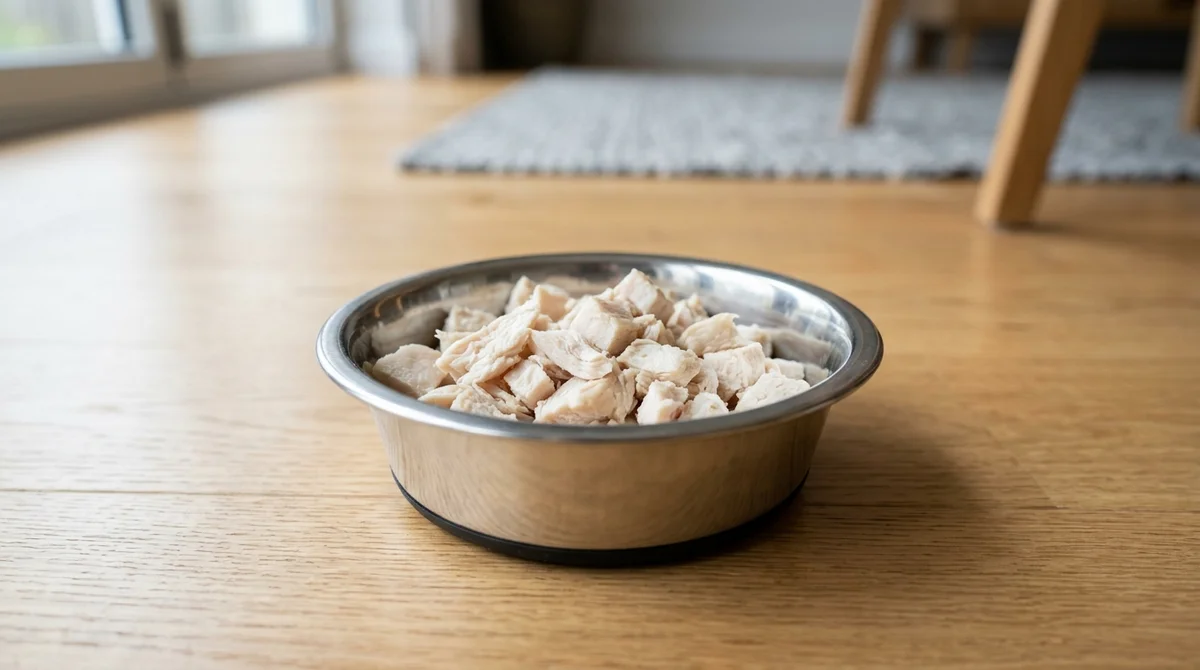
Choose fresh liver from a reliable source. Chicken and beef liver are easy to find; duck and turkey liver are also fine. Cook the liver thoroughly with no added salt, oil, onion, garlic, or spices. Boiling or lightly pan-frying is simple. Let it cool completely, then cut it into pieces small enough that your cat cannot swallow them whole.
Fresh plain liver gives you the most control. Avoid marinated, smoked, canned, or prepared liver products, because they often contain seasonings or added sodium that can be unsafe. If you are following a vet-designed raw diet, use your vet's recipe exactly; for ordinary treats, cooked liver is the safer choice.
Different animal livers differ a little. Chicken liver is smaller, softer, and milder. Beef liver has a stronger taste and comes in larger slices, so you will want to cut it down and maybe make smaller portions. All can be offered in moderation. If you buy a whole piece of liver and freeze it, portion it before freezing so defrosting a large thawed chunk is not a problem. Label the bag with the date and use it within a few months.
Signs your cat may have had too much vitamin A
This concern is about a pattern, not a single meal. If a cat has been getting liver treats daily for a long time, watch for:
- reduced appetite or slow weight loss
- reluctance to jump or play
- stiffness, especially in the neck and shoulders
- muscle pain or lameness
- an unkempt coat
These signs can also be caused by other health issues, so never try to diagnose at home. If you see any of these signs, stop giving liver and contact your veterinarian. Blood tests can measure vitamin A levels and help form a plan.
Frequently Asked Questions
Can kittens eat liver?
Kittens need vitamin A for growth, but they need it in carefully balanced amounts. A tiny piece of cooked liver once a week is probably fine for a healthy kitten, but portions should be even smaller than an adult cat's. Ask your veterinarian first; your kitten's regular food already contains enough vitamin A.
What should I do if my cat eats a large piece of liver?
A single oversized bite is rarely a reason to panic. Watch for vomiting, diarrhea, or belly discomfort over the next 24 hours. The larger concern is regular, repeated overfeeding. If your cat shows signs of distress, call your veterinarian for advice.
Is raw liver better than cooked liver?
For this purpose, no. Cooking lowers the risk of bacterial contamination and does not change the vitamin A picture. Raw liver should only be offered if you are following a professionally designed raw feeding plan. For an occasional treat, plain cooked liver is the safer choice.
Can cats eat beef liver, chicken liver, or duck liver?
Yes, all of them are fine in small amounts. Chicken liver is easier to cut into small pieces and has a milder smell. Beef liver is more strongly flavored and usually needs smaller slices because the pieces are bigger. Duck liver, especially pâté, often comes with added salt or seasonings, so it should be avoided as a treat unless it is plainly cooked at home.
Key Takeaway
Cats can enjoy liver, but only as a tiny, occasional treat. Cook it plainly, keep the portion small, and offer it no more than two or three times a week. Even the most nutritious food can cause problems when it fills the whole diet. When in doubt, ask your veterinarian for a portion size that suits your cat's size, age, and health. A little liver can be a lovely treat; a lot can turn into a vitamin A problem.
Check a food before you guess
Search the PurrWise food checker for a specific ingredient and review the recommended safety action.
Share this guide
Help another cat parent find it.