The short answer
Yes, cats can drink broth — but only plain, unsalted broth made without onions, garlic, or any other alliums. Broth is not a meal replacement, and it should never replace fresh drinking water. But a small amount of warm, low-sodium broth can encourage a reluctant drinker and add fluid to a cat’s day. Think of it as a treat and a hydration helper, not a staple food or a long-term solution.
Why broth can be appealing to cats
Cats are famously low-thirst drinkers. Their wild ancestors obtained most of their water from prey, which is roughly 70 percent water, so they didn’t need a strong drive to visit a watering hole. That heritage stays with modern house cats: many cats simply do not drink enough on their own, especially when their diet consists mostly of dry kibble.
This is exactly where a flavorful liquid like broth can help. The smell and taste of meaty broth can tempt a cat to lap up more fluid than it normally would from a plain water bowl. Broth can be especially handy during warm weather, after an active play session, or for cats that seem to ignore their water dish. Some cats also respond well to the smell of warm food, so a bit of lukewarm broth can serve as a gentle reminder to drink.
But "broth" means many things. Store shelves are loaded with chicken stock, beef stock, bone broth, and cooking liquids seasoned with herbs and spices. Some are fine for human recipes but not safe for cats. The key is to understand exactly what makes a broth safe.
What makes broth safe or unsafe for cats
Watch the sodium
The biggest problem with commercial broths is salt. Cats need some sodium, and a complete diet already provides it. Extra salt from broth can make a cat drink excessively, strain the kidneys, and be especially dangerous for cats with high blood pressure or chronic kidney disease. Even in healthy cats, too much salt can cause temporary electrolyte imbalance.
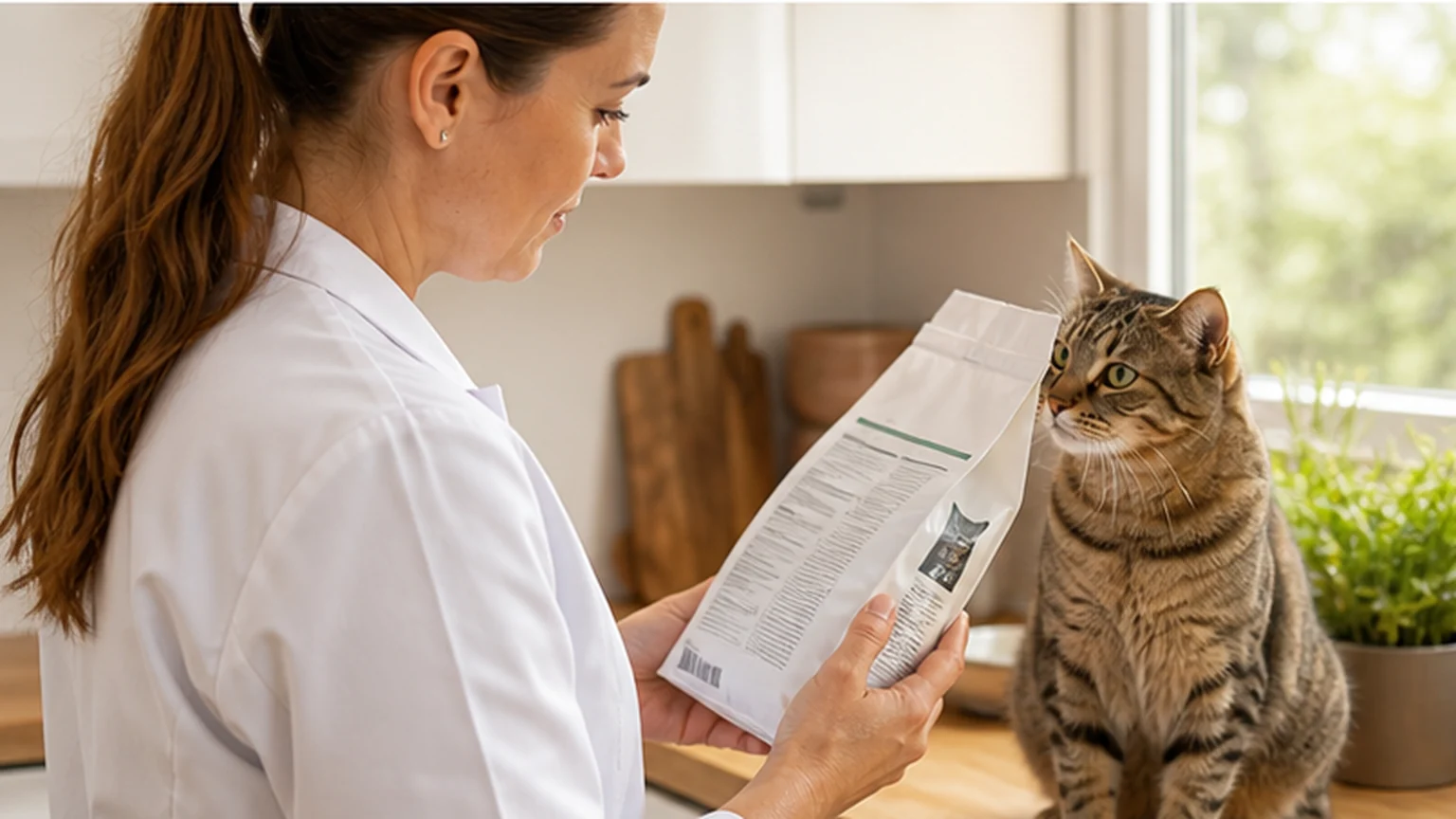
The safest approach is to choose broth labeled "unsalted" or "no salt added." If you make your own, skip the salt and seasonings entirely. If you only have salted broth on hand, dilution with water lowers the sodium but isn't ideal. Reading the nutrition label is mandatory — look at the sodium per serving and aim for the lowest number possible, ideally 0 mg.
No onions or garlic
This is non-negotiable. Onions, garlic, leeks, shallots, and chives belong to the allium family, and they are harmful to cats. These ingredients can damage red blood cells and lead to a form of anemia, even when consumed in small amounts over time. Some broths use onion or garlic powder as a flavor enhancer, often hiding in "natural flavors." Always read the complete ingredient list and avoid anything that lists any allium derivative.
Avoid stocks with added seasonings and vegetables
Some stocks contain celery, carrots, parsley, thyme, and other herbs. While these are not usually dangerous in tiny amounts, they add nothing your cat needs and can cause digestive upset. More importantly, many supermarket stocks include preservatives, yeast extract, and significant salt. The cleanest option is a simple homemade broth or a commercial broth formulated specifically for cats.
| What you’re considering | Safe for cats? | Why |
|---|---|---|
| Homemade plain chicken broth, no salt, no onion/garlic | Yes | Simple, low risk, you control every ingredient |
| Unsalted bone broth with just bones and water | Occasionally | Still a treat, not a meal; no added seasoning needed |
| Commercial chicken stock from the supermarket | Usually no | Almost always contains added salt and often onion or garlic powder |
| Creamed soup or soup base | No | Dairy, fat, sodium, and heavy seasonings |
| Broth labeled "low sodium" but with natural flavor | Check label | If natural flavor can hide onion/garlic, better to skip |
| Commercial cat broth | Yes, in moderation | Made for cats, but still a supplement, not a diet |
How much broth can a cat drink?
Broth should be a treat, not a main dish. For an average 10-pound adult cat, that means about 1 to 2 tablespoons (15-30 mL) per day. You can offer it in a bowl, pour it over food, or freeze it into small cubes for a cold treat on a hot day. The amount should be small enough that it does not displace your cat’s complete, balanced meal.
If you’re using broth to help hydration, offer it once a day and remove leftovers after a few hours. Broth spoils quickly, especially at room temperature, and an old broth can harbor bacteria. Always wash the dish between uses.
Remember that broth still contains calories and minerals. Bone broth, for instance, has more calories than a traditional meat broth. For a cat with kidney disease, heart disease, or hypertension, even unsalted broth may need to be approved by a veterinarian first. If your cat is on a prescription diet, adding anything new can alter the diet’s effectiveness. Unless you have explicit veterinary approval, keep broth to a rare treat.
How to serve broth to your cat
Serving broth is straightforward, but a few details matter.
- Choose the right base: chicken, turkey, beef, or fish all work well if they are plain.
- Check the label for "unsalted" and "no onion, garlic, or allium."
- Warm it gently. Heating the broth releases the aroma and makes it more attractive, but it should be lukewarm, not hot or boiling.
- Use a wide, shallow dish that doesn’t press against your cat’s whiskers.
- Start with a very small amount — a teaspoon or tablespoon — to see how your cat reacts.
If you’re making your own broth, simmer bones or pieces of meat in water without any salt, vegetables, or seasoning. After it cools, skim off excess fat. A little fat is okay, but too much can cause stomach upset or pancreatitis in sensitive cats. Store the broth in the refrigerator for up to three days or freeze it in an ice cube tray for small, ready-to-use servings.
Never give a cat broth that contains onion, garlic, leeks, shallots, chives, or any product containing these alliums. These ingredients are unsafe for cats and can cause serious blood problems. Similarly, avoid salted broths: too much sodium can dehydrate a cat and put extra strain on the kidneys. If you aren’t sure whether a broth is safe, don’t offer it.
When to skip the broth
Broth isn’t a universally good choice. Leave it off the menu if your cat:
- Is on a therapeutic prescription diet
- Is overweight and on a calorie-restricted plan
- Has kidney disease, high blood pressure, or heart disease
- Has a history of digestive sensitivity or food allergies
Also, never use broth as a substitute for veterinary care. If your cat is not eating and not drinking, or is showing signs of dehydration, that is a medical event. Broth may be a tiny part of a vet’s plan, but it is not a treatment.
Even healthy cats can react to a new food. Start with a tiny taste and watch for vomiting, diarrhea, or a change in appetite over the next 24 hours. If any of those happen, stop the broth and mention it at your next vet visit.
Frequently Asked Questions
Can kittens drink broth?
Kittens need mother’s milk or a commercial kitten formula during the first few weeks. Once they are fully weaned (around 6 to 8 weeks), a tiny amount of unsalted, onion-free broth can be given occasionally, but it should never replace kitten food. Kittens have very specific calcium-to-phosphorus ratios and small stomachs, so check with your vet first.
Is bone broth safe for cats?
Bone broth can be safe if it is plain, unsalted, and free of onion and garlic. It is more calorie-dense than regular broth and may contain higher levels of certain minerals, so use it sparingly. Some cats love the taste; others don't care. Always buy a bone broth with no additives or make your own.
Can I mix broth into dry kibble?
Yes. Adding a small amount of unsalted broth to dry kibble softens the food and increases water intake at mealtime. Serve it right away and remove uneaten food after about 30 minutes, because moistened kibble can grow bacteria quickly.
What's the difference between broth, stock, and bone broth?
Technically, stock is made by simmering bones, broth is made from meat, and bone broth is a long-simmered stock. Nutritionally they are similar; for cats, the same rules apply across all three: no salt, no onion, no garlic, no seasonings.
My cat won't drink water. Should I give more broth?
Broth can help temporarily, but it’s not a substitute for fixing the root cause. Try a pet fountain, a wider water bowl, or moving the bowl away from food and litter areas. If your cat is truly drinking very little and shows signs of lethargy, weakness, or sunken eyes, see a vet immediately. Don’t rely on broth alone.
Key Takeaway
Cats can safely drink broth when it is plain, unsalted, and completely free of onion and garlic. Serve it in small amounts as an occasional hydration booster, never as a meal or a replacement for fresh water. Read labels carefully, make your own when you can, and ask your vet before offering broth if your cat has any health concerns. Broth is a useful kitchen tool for encouraging drinks — not a medical treatment.
Check a food before you guess
Search the PurrWise food checker for a specific ingredient and review the recommended safety action.
Share this guide
Help another cat parent find it.