The short answer
Yes, plain, cooked, unseasoned beef is a safe occasional treat for most healthy adult cats. Serve it in small, bite-sized pieces from a lean cut, and make sure there are no bones, no gristle, no visible fat, no salt, and no seasoning. Beef should never replace a complete and balanced cat food, and it should not be a daily habit. If your cat has a medical condition such as kidney disease, pancreatitis, a food allergy, or an allergy to beef specifically, talk with your veterinarian before introducing this treat.
Why beef can fit into a cat's diet
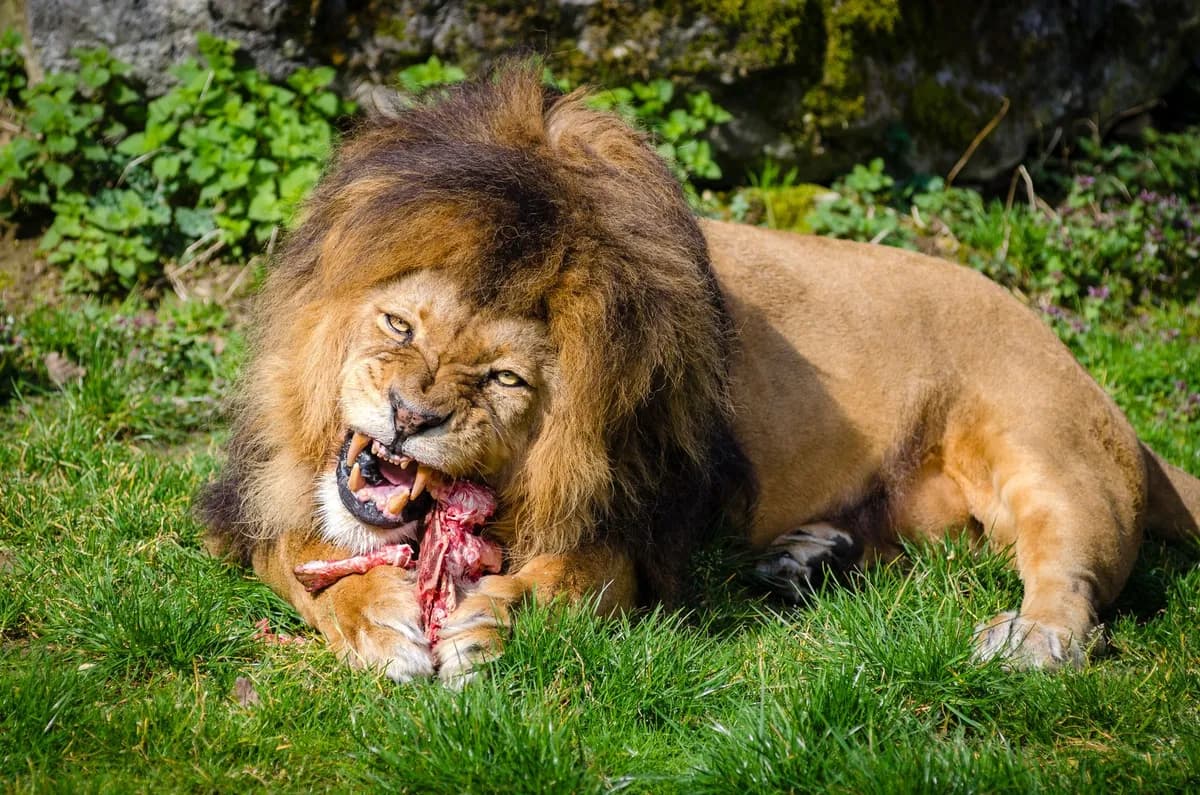
Cats are obligate carnivores, which means their bodies are designed to draw nutrition from animal tissue. Beef is a dense source of animal protein, essential amino acids, B vitamins, iron, and zinc. These natural nutrients are valuable, but they are not the whole story. A cat needs a precise balance of vitamins, minerals, and amino acids that plain muscle meat cannot supply on its own.
That is why beef should be viewed as a treat, not a main dish. Commercial cat foods are formulated to meet the unique requirements of cats, including nutrients that are difficult to get right in a homemade beef recipe. Giving a few bites of plain beef alongside a high-quality commercial diet is a practical way to add variety without putting your cat at risk of nutritional imbalance.
Beef also serves a training purpose. Many cats respond well to a tiny piece of warm meat as a reward, especially when they are learning to use a carrier, tolerate nail trims, or take medication by mouth. Because beef is a high-value, smelly reward, you often need only a very small amount to encourage the behavior you want.
Choosing the right cut: lean first
Not all beef is equally safe for cats. The main problem with many cuts is fat. Cats have a limited ability to handle large amounts of fat in one sitting, and a sudden fatty meal can trigger digestive upset and, in some cases, a serious inflammation of the pancreas. Lean cuts are the safest choice.
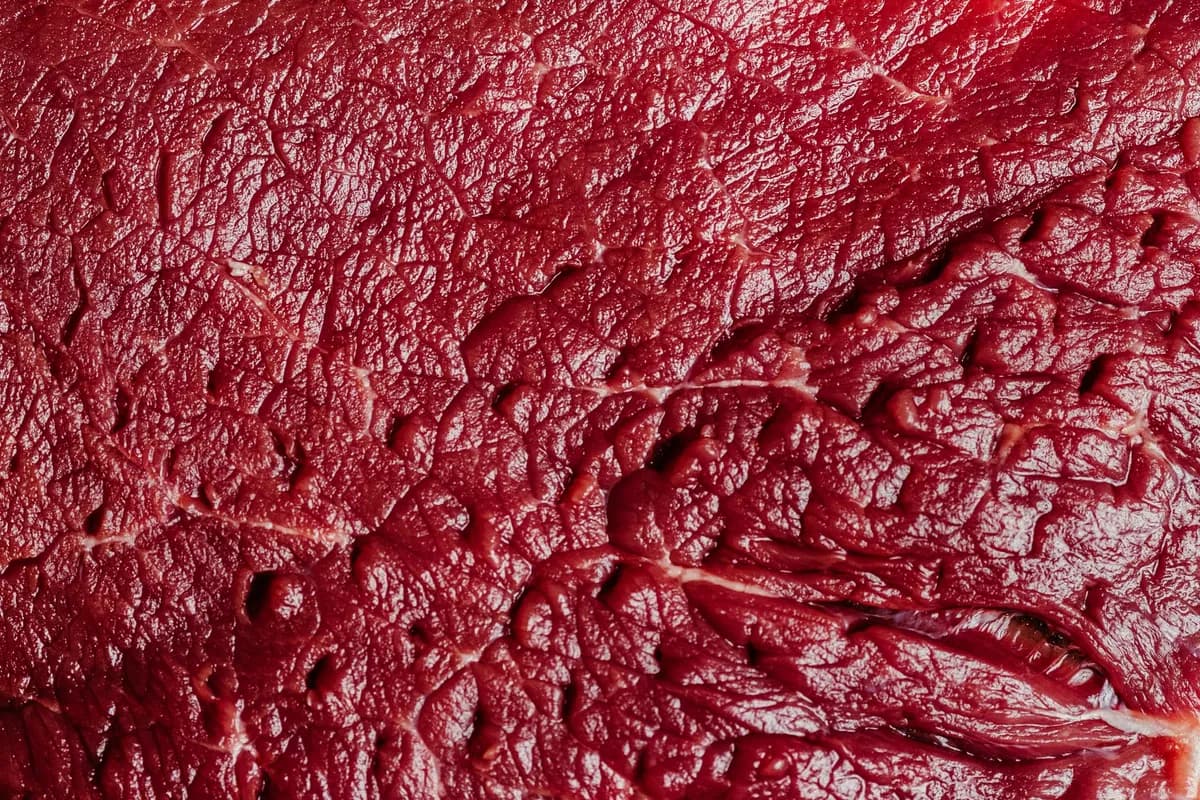
Lean options include sirloin, round steak, flank steak, and 90-percent-lean ground beef. Before cooking, trim away any visible fat and remove connective tissue. Heavily marbled cuts such as ribeye, brisket, or prime rib are poor choices for a cat treat because their fat content is simply too high. Fat can also cling to the mouth and cause an unpleasant texture, though taste is usually not the issue.
Here is a quick reference for common beef cuts:
| Cut | Typical fat level | Best use for cats |
|---|---|---|
| Sirloin | Lower | Occasional lean treat |
| Round steak | Low to moderate | Good choice after trimming |
| 90% lean ground beef | Moderate | Cooked and drained crumbles |
| Chuck roast | Higher | Limit; trim carefully |
| Ribeye or brisket | Very high | Avoid as a treat |
When you choose ground beef, select a lean grind and always cook it thoroughly. After draining the fat, you can crumble the beef into tiny pieces. If you use a cut of steak, cook it first and then slice it against the grain into small bits. This makes it easier for your cat to chew and reduces the chance of choking.
How to prepare beef safely
Cooking beef for your cat is simple: cook plain, cook thoroughly, and season nothing. You can bake, boil, grill, or pan-cook the beef with no added oil. The internal temperature should reach at least 160°F (71°C), the standard safety point for ground meat and many cuts. This cooking step greatly reduces the risk of bacteria such as Salmonella and E. coli.
Never add salt. Cats have a much lower salt tolerance than dogs, and too much sodium can place strain on the kidneys. Similarly, skip garlic and onion. Garlic and onion are members of the Allium family and are known to damage red blood cells in cats, so they are considered unsafe even in small amounts. Spices, barbecue sauce, marinades, and gravy are also off the table because they introduce ingredients a cat's body is not designed to process.
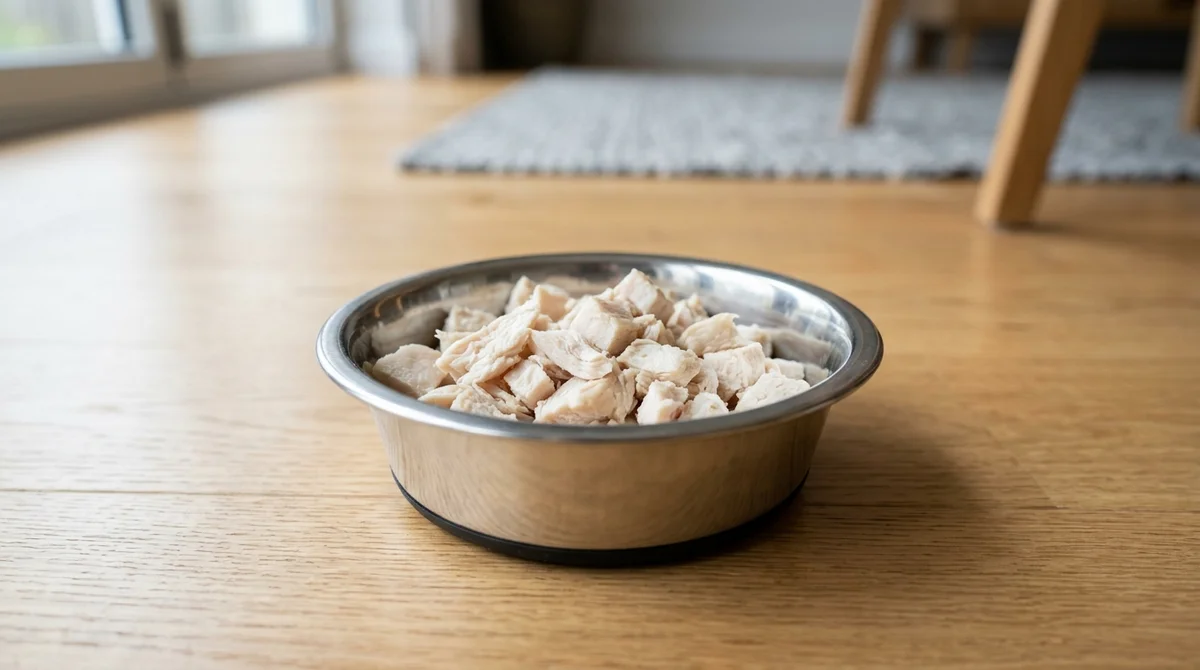
After cooking, let the meat cool until it is warm to the touch, not hot. Cut it into pieces that are roughly the size of a pea or your cat's fingernail. Large chunks can be difficult to chew and may become a choking hazard. Remove any residual bones; cooked bones can splinter and cause internal injury, so they are not a safe item for your cat to gnaw on.
Always serve beef plain and thoroughly cooked. Do not add salt, garlic, onion, or other seasonings, and never offer raw or undercooked beef. Remove all fat, gristle, and bones before giving a bite to your cat. If your cat has a health condition, ask your veterinarian first.
Portion size: treats have a math problem
The common feeding rule for cats is that treats, including human foods, should account for no more than 10 percent of total daily calories. While an active adult cat's exact needs vary, a typical nine-pound indoor cat may need roughly 200 to 250 calories per day. That leaves a treat budget of only about 20 to 25 calories.
Here is where beef gets tricky: one ounce of cooked lean beef contains about 60 to 70 calories. A single ounce is therefore more than the entire treat budget for many cats. You do not need to give your cat a full ounce. A few small bites, about a teaspoon in total, will usually be enough to make the cat happy without pushing their daily calorie total too high.
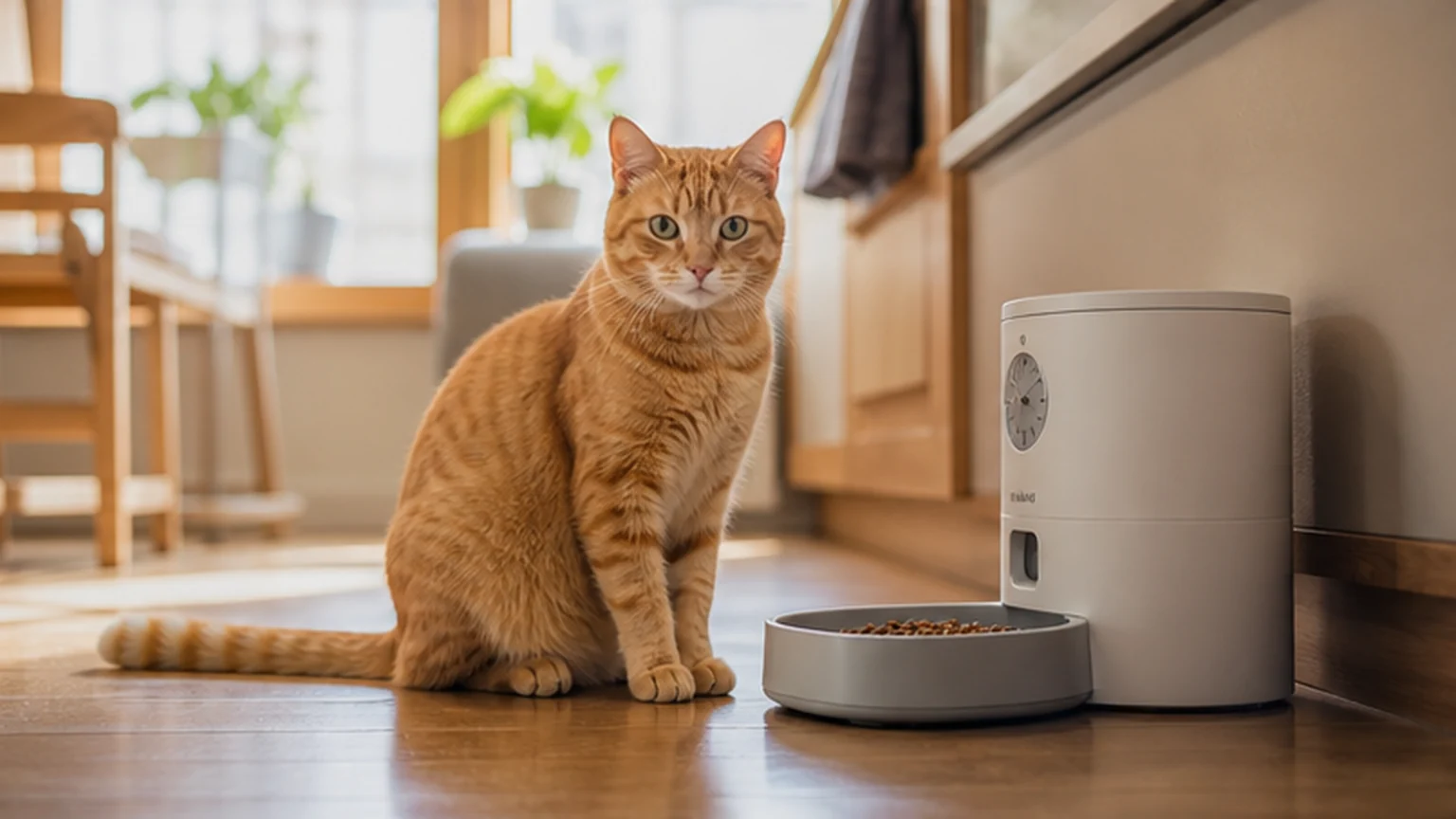
Portion awareness matters even for a cat that seems hungry. Cats are predators and often act as if they are starving even after a good meal. If you overdo the beef, you may crowd out the nutrients from your cat's regular food, and the extra calories can add up quickly. Small cats, in particular, gain weight easily when high-calorie treats are offered too often.
As a general guide, reserve beef for a couple of times per week at most. If your cat is on a veterinary weight-management plan, ask your vet for a specific maximum. Otherwise, keep the portion tiny and adjust their meal slightly if you notice weight gain, though you should never make a significant change to their main diet without guidance.
Can cats eat raw beef?
Raw feeding is a controversial topic among cat owners, but for this article, the answer is clear: do not offer raw beef. Raw or undercooked beef can carry bacteria that cause gastrointestinal upset or more severe illness in both cats and people. Kittens, senior cats, and cats with weakened immune systems are especially vulnerable.
Some owners believe raw meat is more natural, but cooking beef eliminates most pathogens while still leaving the protein that makes beef attractive. If you are considering a raw diet for other reasons, discuss it with your veterinarian and never switch without a complete plan. Raw bones, whether beef or chicken, also pose a serious choking and injury risk, so they should not be part of an occasional treat program.
Frequently Asked Questions
Can cats eat beef every day?
No. A daily beef treat can unbalance a cat's diet and add too many calories. It is best reserved for occasional use, such as once or twice a week, and only in small amounts.
Can cats eat raw beef?
It is not recommended. Raw beef carries a risk of bacteria that can cause serious illness in cats and in the people handling the meat. Thoroughly cooking beef makes it much safer.
Can cats eat beef with salt or seasoning?
No. Salt and seasonings, especially garlic and onion, are unnecessary and potentially harmful. Only plain, unseasoned beef should be offered to your cat.
How much beef can I give my cat?
Offer just a few small bites, about the size of a pea or fingernail. Keep treats under 10 percent of daily calorie intake, which for most cats means no more than a teaspoon of cooked beef per serving.
What if my cat sneaks a large portion of cooked beef?
Watch for vomiting or diarrhea over the next 24 hours. If your cat seems painful, weak, or uninterested in water, or if the symptoms continue for more than a day, contact your veterinarian.
Key Takeaway
Plain, cooked, lean beef is an acceptable occasional treat for healthy adult cats when served in small, unseasoned pieces. It will never replace a complete cat food, and portion control matters. Pay attention to cut, cooking method, and fat trimming to keep the treat safe. When in doubt, ask your veterinarian before adding beef to your cat's routine.
Check a food before you guess
Search the PurrWise food checker for a specific ingredient and review the recommended safety action.
Share this guide
Help another cat parent find it.