The short answer
No — for most healthy adult cats eating a complete and balanced commercial diet, supplements are not needed. The food you buy is already formulated to deliver every essential nutrient, from taurine to zinc, in the right amounts. Supplements become useful only in specific situations: a veterinarian-confirmed deficiency, a diagnosed health condition that responds to a targeted nutrient, or a homemade diet that needs deliberate balancing. For a typical cat on a typical diet, the bigger risk is not a nutrient gap — it's accidental overdose, since several vitamins and minerals are toxic in excess.
What "complete and balanced" actually means
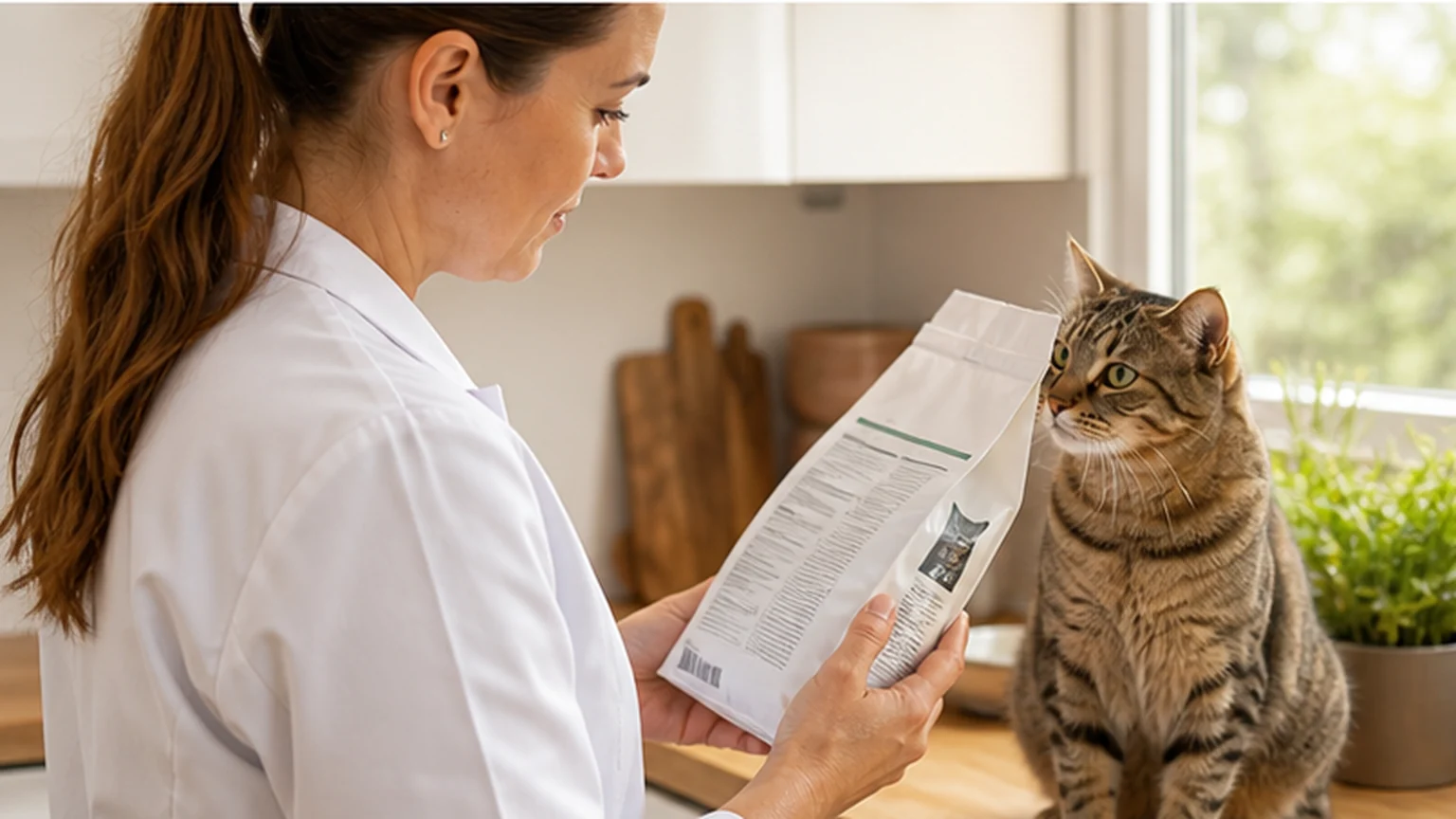
When a cat food label includes a nutritional adequacy statement, it means the recipe was formulated to meet established feline nutrient profiles (in the U.S., the AAFCO profiles). This matters because cats are obligate carnivores with unusual nutritional needs. Unlike dogs or humans, cats cannot make certain nutrients from plant precursors. They require taurine, found only in animal tissues; arachidonic acid, a fatty acid; preformed vitamin A, because they can't convert beta-carotene; niacin; and the amino acid arginine. A deficiency in any of these causes serious illness. Commercial cat foods are deliberately engineered with all of them, and often include extra fortification on top.
This is why "human logic" doesn't transfer well to cat bowls. People take multivitamins to fill the gaps of varied, sometimes processed diets. A cat eating a nutritionally complete food doesn't have those gaps.
When a veterinarian might actually recommend a supplement
Targeted supplementation plays a real role in veterinary medicine. Examples include:
- Omega-3 fatty acids (EPA and DHA) for inflammation, osteoarthritis, skin conditions, and sometimes chronic kidney disease.
- Joint supplements such as glucosamine and chondroitin for arthritic cats, though evidence is mixed.
- Probiotics to support the gut during or after a course of antibiotics, or for chronic digestive upset.
- Potassium or B-vitamin supplementation when blood work reveals a specific deficiency, common in some kidney patients.
- Fiber supplements for hairballs, constipation, or weight management.
Notice the pattern: in every case, a supplement is chosen because a specific cat has a specific diagnosis. The veterinarian prescribes the product, the dose, and the follow-up blood work. That is very different from grabbing a bottle at the pet store because it sounds healthy.
Why guessing can backfire
Supplements are not harmless extras. They are biologically active, and cats are small animals with fastidious metabolisms. A few things go wrong easily.
Fat-soluble vitamins — A, D, E, K — are stored in the body rather than excreted. Excess vitamin A accumulates in the liver and can eventually cause bone and joint problems, poor coat condition, and weight loss. Vitamin D overdose can damage kidneys. These are not hypothetical risks; they are well-documented in cats.
Calcium supplements are another common mistake. Extra calcium can disrupt the delicate balance that controls muscle and nerve function, and it contributes to urinary stone formation. There is no reason to add calcium to a diet that already meets AAFCO standards.
The supplement market for pets is also less regulated than the food market. Products meant to be given to animals generally don't undergo the same pre-market review as drugs, so quality, potency, and purity vary enormously between brands. A poorly manufactured product can contain less than the labeled dose, harmful contaminants, or several ingredients at once — and if something goes wrong, it's hard to know which one caused it. Never add a supplement to a cat already on medication without checking for interactions; fish oil, for example, can affect clotting when combined with certain drugs.
A quick reference table
| Supplement | Common claim | Does the average cat need it? | What to know |
|---|---|---|---|
| Multivitamin | Fills nutritional gaps | Rarely | A complete diet already provides these nutrients. |
| Taurine | Protects heart and vision | Usually no | Already added to virtually all commercial foods; extra is excreted. |
| Vitamin A | Healthy skin and eyes | No | Cats need preformed vitamin A; excess is stored in the liver and can be toxic. |
| Vitamin C | Immune support | No | Cats synthesize their own vitamin C. |
| Omega-3 (fish oil) | Skin, joints, kidney support | Only if a vet recommends it | Dosing matters; avoid cod liver oil because of its high vitamin A content. |
| Joint supplements | Eases arthritis | Sometimes, in older cats | Evidence is mixed; use only under veterinary guidance. |
| Probiotics | Digestive health | Possibly, short-term | Quality varies widely; choose a vet-recommended product. |
| Calcium | Strong bones | Never without a vet | Excess calcium can cause urinary stones and soft-tissue damage. |
Special cases: homemade diets, senior cats, and picky eaters
Three groups deserve extra attention.
Homemade diets are the most common real-world reason for nutrient deficiencies. Even well-intentioned recipes put together from lean meat, rice, and a few vegetables are almost always missing taurine, calcium, and other essentials. If you feed homemade food, the recipe should be designed by a veterinary nutritionist, and any supplements should be part of the formula — added only in the amounts the recipe specifies. Randomly sprinkling in taurine powder or calcium can create a different imbalance.
Senior cats don't automatically need supplements. Their needs do shift — some older cats need more protein, and cats with kidney disease often need lower phosphorus — but commercial senior diets are made with these shifts in mind. Blood work first, supplements second.
Picky eaters need a detective, not a pill. If your cat refuses food, the problem might be medical, environmental, or behavioral, and a supplement won't address it. Always rule out underlying illness before assuming the diet is lacking. The veterinary rule applies here: test, don't guess.
How to choose a supplement if your vet says yes
If your veterinarian does recommend a supplement, keep these habits in mind:
- Ask for the specific product and dose. Request a brand name instead of guessing.
- Look for quality indicators such as the National Animal Supplement Council (NASC) seal on the label.
- Prefer single-ingredient products over blends — if a problem occurs, you'll know the culprit.
- Avoid "human" formulas unless your vet explicitly approves one.
- Tell your veterinarian about every supplement your cat receives, just as you would for medications.
Never give your cat a human supplement without veterinary approval. Human products often contain ingredients that are harmless to people but dangerous to cats, including xylitol, iron, and high doses of vitamin D. Even "natural" products are not automatically safe. Store all supplements out of your cat's reach, and always list them on your cat's medication record at the vet.
Frequently Asked Questions
Will supplements make my cat's coat shinier?
Most of the time, coat quality reflects the diet as a whole, not a missing nutrient. Dull fur can also signal dental disease, parasites, kidney problems, or arthritis that stops a cat from grooming. Ask your vet to investigate before you add an omega-3 bottle.
Is it safe to give my cat human fish-oil capsules?
Only with explicit veterinary direction. Human fish-oil products vary widely in concentration, and some — especially cod liver oil — contain high levels of vitamin A, which builds up in a cat's body over time. Your vet can recommend a feline-appropriate product and dose.
My cat eats homemade food — should I add taurine powder?
Only if the recipe, as written, calls for it. Homemade diets are precisely where deficiencies happen, but the fix is a properly balanced recipe, not one nutrient added on a whim. Work with a veterinary nutritionist to get the whole formula right.
How can I tell if my cat has a nutrient deficiency?
You usually can't from behavior alone. Dull coat, lethargy, poor appetite, and weight loss are non-specific signs that could mean any number of things. Blood work is the only reliable way to detect a deficiency — which is why the guiding rule is "test, don't guess."
Don't all senior cats need extra vitamins?
No. Healthy seniors on a complete senior diet don't have automatic vitamin gaps. When age-related conditions like kidney disease are present, your vet may recommend very specific supplements — but the decision should follow blood work, not age alone.
Key Takeaway
The healthiest approach for almost every cat is simple: feed a high-quality, complete, and balanced diet, keep fresh water available, schedule regular veterinary check-ups, and leave the supplement bottle on the shelf. Supplements have a genuine place in veterinary medicine, but it's a targeted place — reserved for confirmed deficiencies, diagnosed conditions, and nutritionally complex diets. If you're wondering whether your cat needs one, turn that curiosity into a veterinary conversation. It's cheaper, safer, and more effective than guessing your way through the pet-store aisle.
Sources & Scientific References (3)
Share this guide
Help another cat parent find it.