The short answer
Yes, cats can eat broccoli. A small piece of plain, steamed broccoli is safe for most adult cats and can make a fun, crunchy treat. The important thing is to serve it without salt, butter, oils, garlic, or onion, and to cut it into tiny pieces so it’s easy to chew and swallow. Broccoli should never replace a balanced cat food, and your cat doesn’t need it in their diet. But if your cat seems curious about that green floret on your plate, it’s fine to let them try a small, properly prepared bite.
Why broccoli is safe for cats
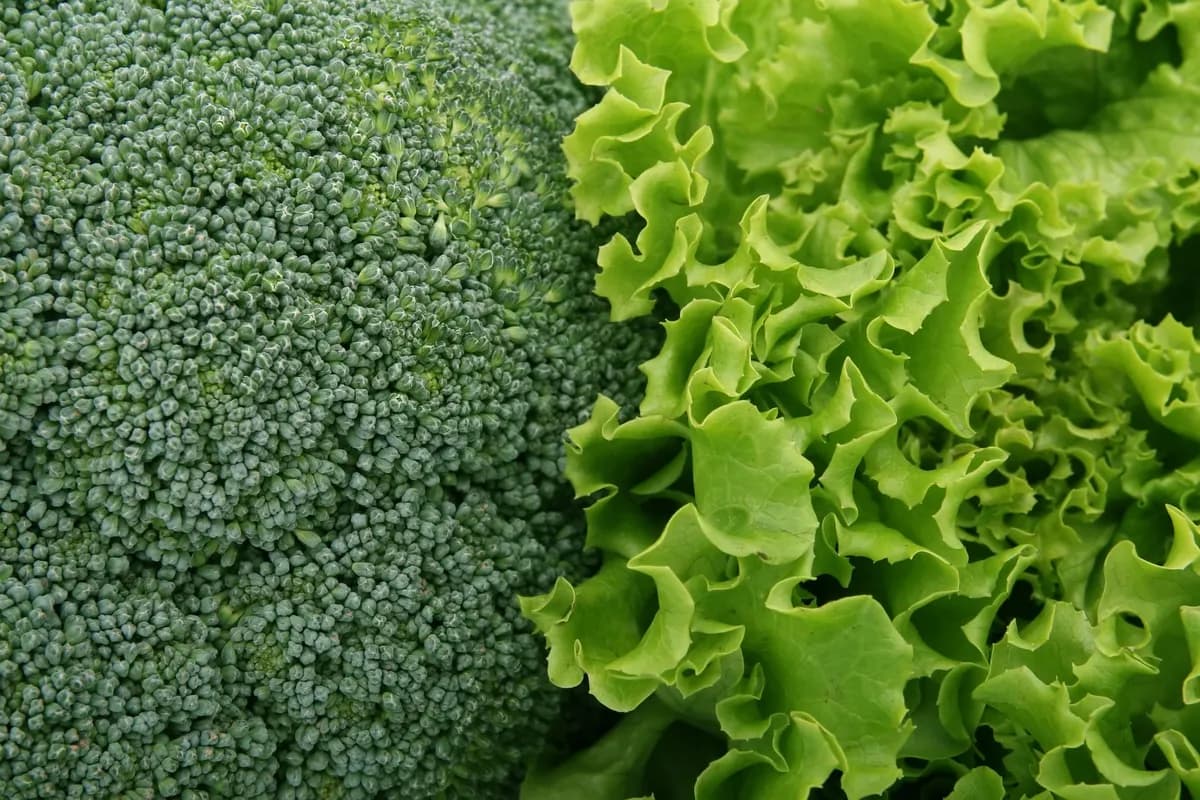
Broccoli is a vegetable from the cruciferous family, and it contains fiber, vitamin C, vitamin K, and a few minerals. Cats are obligate carnivores, which means they are built to get their nutrition from animal sources. Unlike humans, they don’t require carbohydrates or plant vitamins to thrive. So broccoli doesn’t add any essential nutrient to a cat’s diet that can’t already be found in a high-quality commercial cat food.
Still, that doesn’t make broccoli dangerous. The main risk with any human food is almost always in how it is prepared. Plain, cooked broccoli is generally well tolerated by cats because the heat softens the plant cell walls, making the vegetable easier to chew and digest. Raw broccoli is much firmer and can be hard for a cat to bite into, which increases the chance of a cat swallowing a large chunk and choking.
Health benefits and limitations
Broccoli offers some benefits that might make it an interesting treat. It’s low in calories, which is good for cats who need to watch their weight. It also provides fiber, which can help with digestion when given in small amounts. Some cats love the crunchy texture, and offering a tiny piece can be a way to add novelty to your cat’s routine without disrupting their nutrition.
But it’s important to keep expectations realistic. Cats do not have a dietary need for broccoli. They receive all their essential vitamins, minerals, and amino acids from animal proteins in their regular food. Broccoli may offer a little extra fiber and some moisture, but it is not a health food for cats. Think of it as a low-calorie treat, not a nutritional supplement.
How to serve broccoli to your cat
The safest method is to steam or boil broccoli until it’s soft enough to mash with a fork. Then, cut it into small pieces about the size of a dried cat food kibble or a pea. Serve it plain, without any added salt, sugar, butter, oil, or spices. Seasonings like garlic and onion are especially concerning because they are unsafe for cats and can affect red blood cells.
Some cats will eat the florets, while others may prefer the stalk if it’s peeled and cooked thoroughly. Either way, always chop it into small, manageable pieces. Avoid serving raw broccoli on a regular basis, and never offer the hard stem without softening it first. Even when cooked, the stem can be fibrous, so mincing it is a good idea.
If your cat has a sensitive stomach, introduce broccoli slowly. Offer a piece no larger than a pea, then watch for any changes in behavior, appetite, or stool. Every cat is different, and some cats simply don’t tolerate new foods well.
If your cat has a medical condition such as chronic kidney disease, diabetes, or a digestive disorder, or if they are on a prescription diet, talk to your veterinarian before adding broccoli or any new food. Broccoli contains fiber and vitamin K, and these can interact with certain health conditions and medications. As a general rule, treats should make up no more than 10% of your cat’s daily calorie intake, and the rest should come from a nutritionally complete cat food.
How much broccoli can a cat eat?
The 10% rule is a good starting point. For an average 10-pound cat who eats roughly 200 calories per day, that means treats should stay under about 20 calories. A single tablespoon of chopped cooked broccoli has only about 3 calories, so a few tiny pieces are well within a safe range.
That said, calories are not the only concern. Broccoli is plant matter, and a cat’s digestive tract is short and optimized for animal protein. Too much broccoli can lead to gas, bloating, or loose stools. For this reason, broccoli should be an occasional treat rather than a daily side dish. Offering small pieces once or twice a week is plenty for a healthy adult cat.
When broccoli can be a problem
Broccoli is only risky under specific conditions:
- Choking: Raw florets and stems are hard and can lodge in a cat’s throat. Even cooked stalks can be tough. Always cut food into tiny pieces.
- Seasonings: Salt, butter, oil, garlic, and onion are common additions to human broccoli dishes. Garlic and onion are unsafe for cats and should never be given in any form. Salt can cause increased thirst, and excessive amounts can lead to sodium imbalances.
- Digestive upset: Even plain broccoli can cause stomach upset if your cat eats too much. Watch for vomiting, diarrhea, or constipation.
- Stems: The thick stalk is the most difficult part to chew. If you want to share the stem, peel it, cook it until very tender, and then chop it finely.
If your cat happens to snatch a piece of raw broccoli from the floor or counter, don’t panic. A single small bite is unlikely to cause serious issues. Watch your cat closely for signs of choking, drooling, vomiting, or diarrhea. If any of these happen, contact your veterinarian for advice.
Broccoli serving guide for cats
| Form of broccoli | Safe? | How to serve |
|---|---|---|
| Steamed or boiled, plain | Yes | Soft, cut into pea-sized pieces |
| Raw floret, small | With caution | Only if your cat chews well; still a choking risk |
| Raw stem | Avoid | Too hard and fibrous |
| Seasoned or buttery | No | Garlic, onion, salt, and added fats are unsafe |
| Frozen | No | Too cold and hard; can damage teeth |
| In soups, casseroles, or stir-fries | No | Contains other ingredients that are often unsafe |
Can kittens eat broccoli?
Kittens have higher nutritional needs for growth and development, and they should eat kitten food that is specially balanced for those needs. While a tiny nibble of plain, cooked broccoli is unlikely to harm a healthy kitten, it’s not a food worth introducing early. Kittens are more sensitive to stomach upsets, and their smaller throats make them more vulnerable to choking. If you want to offer broccoli at all, wait until your cat is at least six months old, and check with your veterinarian first.
Frequently Asked Questions
My cat ate a large piece of raw broccoli. What should I do?
If your cat is coughing, pawing at the mouth, or having trouble breathing, call your veterinarian or emergency clinic right away, as the piece could be blocking the airway. If your cat swallows it without difficulty, they may still develop mild stomach upset. Watch for vomiting, lethargy, or changes in appetite and bowel movements, and contact your vet if you notice any concerns.
Does broccoli help with hairballs?
Broccoli is not an effective or proven hairball remedy. Fiber can sometimes help move hair through the digestive system, but the effect is not consistent and is not a substitute for professional advice. If your cat vomits hairballs regularly, ask your veterinarian about specific hairball control diets or pastes designed for cats.
Can cats eat broccoli leaves?
Yes, the leaves are softer than the stalks and are generally safe to offer if they are cooked and chopped. The same serving rules apply: keep the pieces small and the serving plain. Most cats prefer the florets, though, and some will ignore leaves entirely.
Is frozen broccoli safe for cats?
No, frozen broccoli is too hard and too cold. It can chip a tooth and is a choking hazard. Always thaw the broccoli and cook it until soft before offering any to your cat.
How do I introduce broccoli to my cat?
Start with one piece about the size of a pea. Place it near your cat’s food bowl or on a clean plate and let your cat sniff it. If they eat it happily and have no signs of stomach upset within 24 hours, you can offer a similar amount again after a few days. If your cat walks away, don’t push it. Cats get plenty of nutrition without vegetables.
Key Takeaway
Broccoli isn’t necessary for cats, but a small piece of plain, steamed broccoli is a safe, low-calorie treat for most healthy adult cats. The three rules are: cook it until soft, cut it into tiny pieces, and serve it completely plain. Keep the portions small and the frequency occasional, and always check with your vet if your cat has health issues.
Check a food before you guess
Search the PurrWise food checker for a specific ingredient and review the recommended safety action.
Share this guide
Help another cat parent find it.