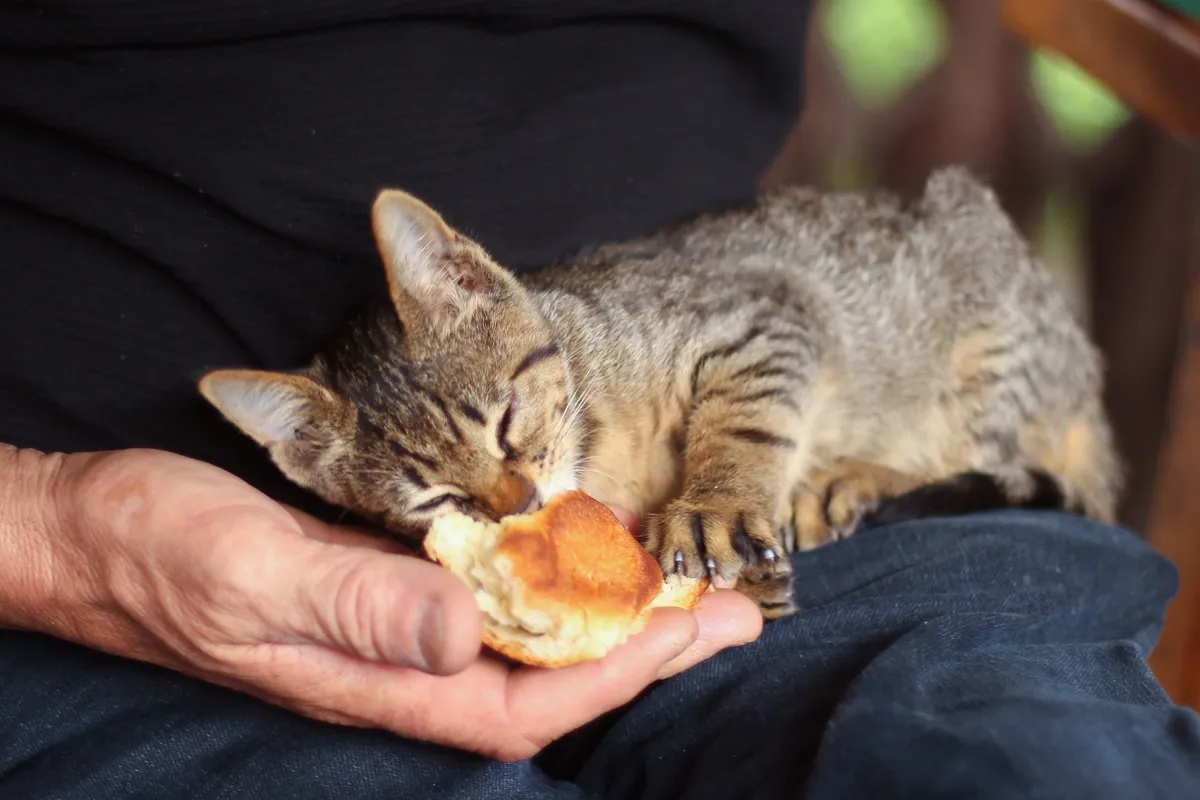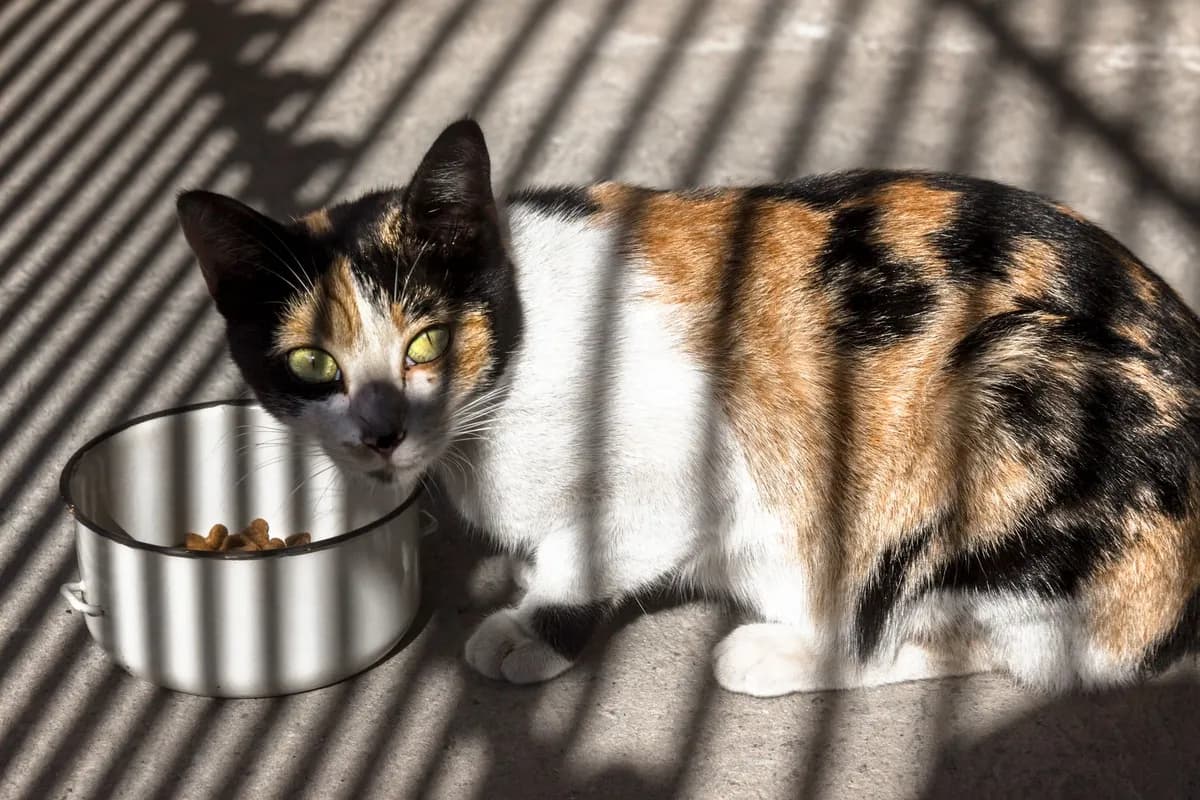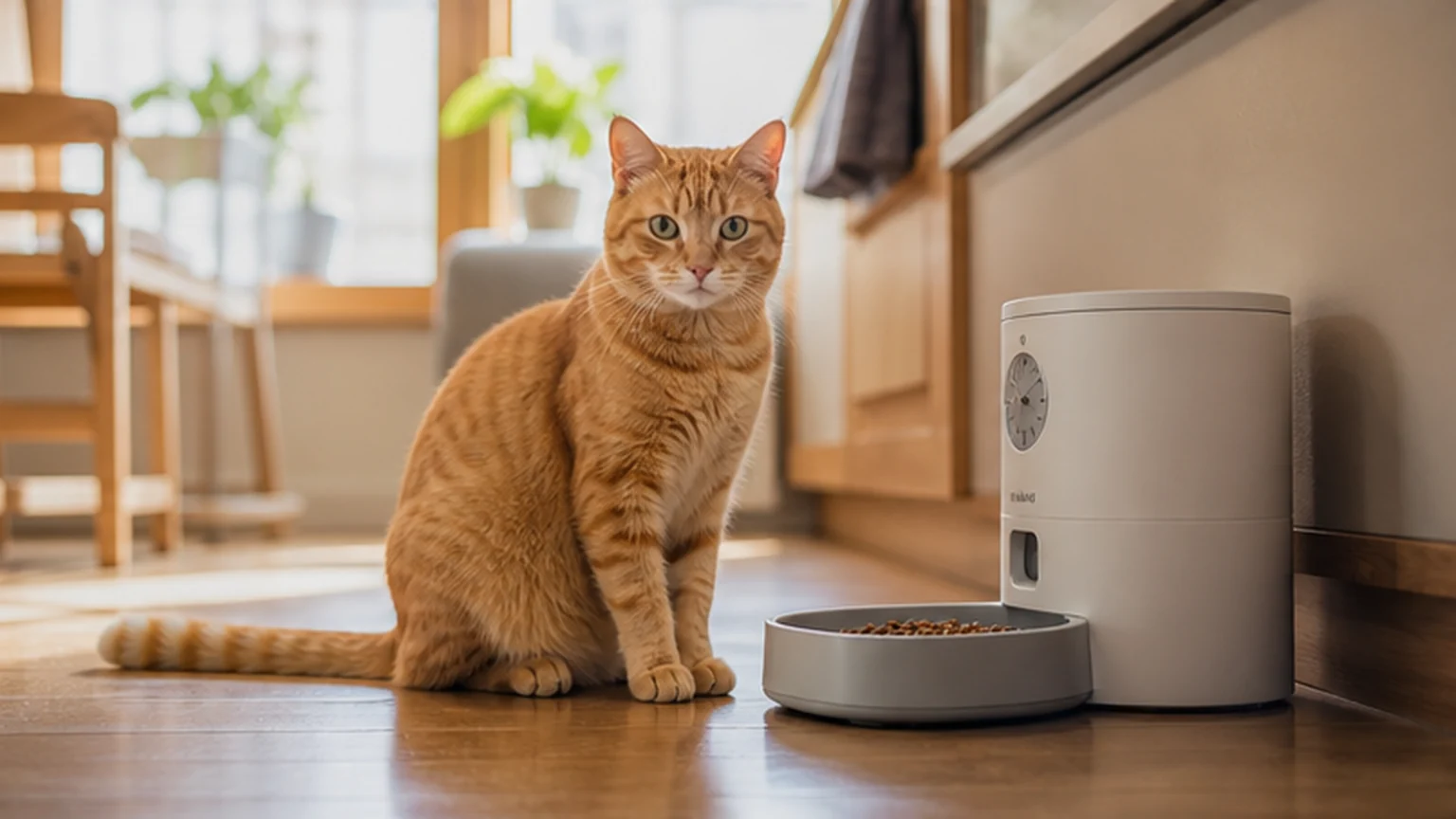
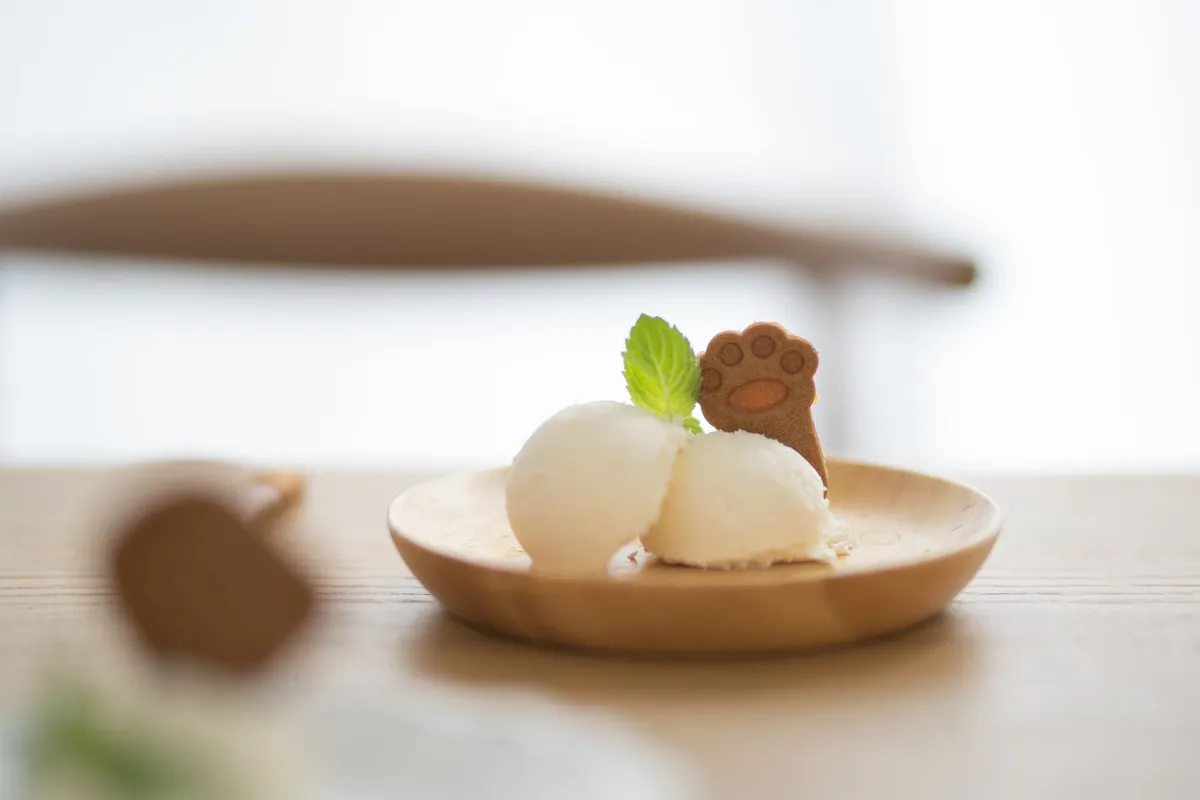
The short answer
No, cats should not eat ice cream as a regular treat. A tiny lick from your cone will probably do no harm, but a small dish can easily cause stomach upset. Most adult cats are lactose intolerant, and ice cream is also loaded with fat and sugar — two things a cat's body does not need. Instead of ice cream, offer a safe, cat-friendly food such as plain cooked chicken or a frozen low-sodium broth cube. If you are ever tempted to share your dessert, remember: your cat may act interested, but that does not mean it is a good idea.
Why cats seem to love ice cream
Cats are attracted to ice cream for the same reasons we are: it is cold, creamy, and smells rich. The fat and milk proteins in ice cream mimic the familiar aroma of mother's milk. This is a scent hardwired into kittens, and many adult cats still perk up when they catch a whiff of dairy. That attraction is not a sign that ice cream is good for them — it is simply a response to an appealing smell. As a predator, a cat's diet should be built around animal protein, not sweet dairy.
The lactose problem
Kittens produce an enzyme called lactase, which breaks down lactose (the natural sugar in milk). Once a kitten is weaned, lactase production usually drops sharply. Many adult cats lose most of their ability to digest lactose, making them lactose intolerant. When lactose is not properly digested, it pulls water into the intestine and ferments in the colon, which can lead to loose stools, gas, and abdominal discomfort.
Ice cream often contains more lactose than an equivalent amount of milk because it uses concentrated milk solids. That makes it one of the worst dairy choices for cats. Even a few tablespoons can trigger digestive upset in a sensitive cat. Every cat is different, and many can handle small amounts without obvious problems. But there is no way to know which cat is which, and tolerance can change over time. Feeding ice cream regularly places stress on the digestive system and can cause recurring loose stools. The safest approach is simply to keep it away from your cat.
Other risks hiding in a scoop
Lactose is only part of the story. Ice cream contains high amounts of fat, sugar, and often artificial ingredients, and the toppings and mix-ins can be even more dangerous.
| Ingredient | Why it is a concern | Safer approach |
|---|---|---|
| Milk and cream | High lactose, can cause vomiting or diarrhea in cats | Avoid dairy entirely |
| Sugar | Contributes to weight gain and dental problems | Choose unsweetened cat treats |
| Chocolate | Contains methylxanthines, which are unsafe for cats | Never allow any chocolate |
| Coffee or tea flavoring | Caffeine is unsafe for cats | Keep all caffeinated desserts away |
| Raisins or grapes | Could be harmful to some cats | Check all ingredients before offering |
| Nuts, especially macadamia | May cause digestive and nerve problems | Do not feed nuts to cats |
| Artificial sweeteners (xylitol) | Can cause a dangerous drop in blood sugar in some pets | Never give sugar-free products with xylitol |
Fat is a particular concern for cats. Healthy adult cats are designed to process protein and fats from animal prey, but a sudden load of dairy fat can overwhelm the system. This can lead to gastrointestinal upset. Over time, overweight cats and cats with pancreatitis are especially at risk. Ice cream is also a source of empty calories. A 1/2-cup serving can contain more than 100 calories, which is a large portion of a typical 10-pound cat's entire daily calorie need (around 200 to 230 calories). Repeatedly giving calorie-dense treats is a quick route to weight gain.
Safe, cold alternatives for a hot day
If you want to give your cat a refreshing treat that feels like an indulgence, there are several safe options that avoid lactose and extra sugar.
Plain cooked meat as a cooling topper
Skinless, boneless chicken or turkey that is fully cooked and free of salt, oil, onions, and garlic is a healthy treat. You can freeze small slivers and give them cold. The chill mimics the cold sensation without any dairy.
Low-sodium broth ice cubes
Make ice cubes from plain low-sodium chicken broth. Fill an ice cube tray with unsalted, onion-free broth and freeze. One cube is usually enough for a few minutes of licking and rolling on a hot day. Always check the ingredient label to make sure it contains no onion or garlic powder.
Commercial cat treats labeled for cats
Many pet food brands sell pouch-style treats or shelf-stable "broth cubes" designed specifically for cats. These are formulated with safe ingredients and are a convenient choice when you want a cold snack. Look for treats that list a high-quality protein as the first ingredient and avoid artificial colors.
A dab of plain water ice
Ordinary water ice cubes are harmless. Some cats enjoy chasing an ice cube on the floor or batting it around. This can be a fun form of hydration and enrichment during warmer weather, but supervise play to keep the cube from staying out too long and melting into a puddle.
For a special summer "ice cream" moment, you can mix a little unsalted fish broth (from low-sodium canned fish packed in water) into an ice cube tray. The fish aroma is irresistible to most cats and the result is much healthier than a scoop of real ice cream.
What if your cat has already eaten ice cream?
If your cat snuck a few licks of your cone, you do not need to panic. Watch for signs of digestive upset such as loose stool, gas, or mild skin itching. Many healthy cats tolerate a small amount of dairy without obvious symptoms.
If your cat develops vomiting or diarrhea that persists beyond a day, or if it seems lethargic, dehydrated, or in pain, contact your veterinarian. If the ice cream contained chocolate, xylitol, coffee beans, or macadamia nuts, call your vet immediately for guidance. The amount and type of ingredient matter, so have the carton or wrapper ready to describe.
Do not feed ice cream to a cat with pre-existing health conditions such as diabetes, kidney disease, or a history of pancreatitis. These cats are far more sensitive to sudden spikes in sugar and fat. When in doubt, skip the treat and talk with your vet about what is appropriate.
Frequently Asked Questions
Is it okay for a cat to have a small bite of ice cream?
A single small lick may not produce any immediately noticeable problem, but it can cause stomach upset in lactose-intolerant cats. Because the risk is unnecessary, it is better to offer a safe alternative like a small piece of cooked chicken.
Why does my cat go so crazy for ice cream?
Cats are drawn by the rich fatty aroma and the creamy texture that reminds them of their mother's milk. This attraction is instinctive, not a sign that their body can digest dairy.
Are there any dairy products that are safe for cats?
Most regular dairy, including milk, cream, cheese, and yogurt, contains significant lactose. Some cats tolerate plain yogurt or aged cheese better, but it is still hit-or-miss. The easiest and safest route is to avoid dairy for adult cats.
What should I do if I think my cat has eaten xylitol in ice cream?
Xylitol is a low-calorie sweetener sometimes used in sugar-free ice cream. It is very dangerous for dogs and can be concerning for cats as well. Contact your veterinarian immediately if your cat ate any amount of a product containing xylitol.
Key Takeaway
Cats do not need ice cream, and feeding it risks digestive trouble, unwanted calories, and exposure to unsafe ingredients. If you want to pamper your cat, choose plain animal protein, a cat-safe commercial treat, or a frozen broth cube. Keep your own dessert to yourself — and enjoy knowing you are protecting your cat's health.
Check a food before you guess
Search the PurrWise food checker for a specific ingredient and review the recommended safety action.
Share this guide
Help another cat parent find it.