The short answer
Cats get water from both drinking and food, so there is no single bowl volume that fits every cat. Wet-food moisture, body size, activity, weather, and health all affect intake.
The most useful approach is to provide several appealing water options and learn your cat's normal pattern. A meaningful change in drinking, urination, appetite, or behavior matters more than trying to make every cat reach one household target.
Where a cat's water comes from
Total water intake includes more than visible trips to a bowl:
- water drunk from bowls or fountains;
- moisture naturally present in wet food;
- water added to food when the cat accepts it; and
- small amounts contained in other foods.
This is why two equally well-hydrated cats may appear to drink different amounts. A cat eating mostly wet food may visit the bowl less often than a cat eating dry food. You cannot judge total intake by the bowl alone without considering diet.
Water in food still counts, but food format should not be used as a home treatment for a diagnosed condition. Cats with urinary, kidney, heart, endocrine, or other medical concerns may need an individualized veterinary plan.
Why water needs vary
No single number fits every cat because intake changes with:
| Factor | How it changes the context |
|---|---|
| Food moisture | Wet food contributes more water than dry food. |
| Body size | Larger and smaller cats do not have identical total needs. |
| Activity | Movement and play can influence water use. |
| Environment | Heat, humidity, and indoor climate can affect drinking. |
| Life stage | Kittens, adults, seniors, and pregnant or nursing cats require different context. |
| Health and medication | Illness and some treatments can alter thirst, urination, or fluid needs. |
| Individual preference | Bowl material, water movement, location, and freshness affect use. |
A general estimate cannot diagnose whether an individual cat is adequately hydrated. Clinical assessment may include history, examination, diet, urine, and other information that a home calculation cannot provide.
Support normal hydration
Offer clean water in more than one quiet location, refresh bowls regularly, and consider a fountain only if your cat prefers it and it is maintained. Wet food can contribute substantial moisture, but do not change diet to manage a medical problem without veterinary advice.
Track changes rather than trying to diagnose dehydration at home. Noticeable increases or decreases in drinking, urination, appetite, or energy are more useful reasons to call a veterinarian than a single missed drink.
Set up appealing water stations
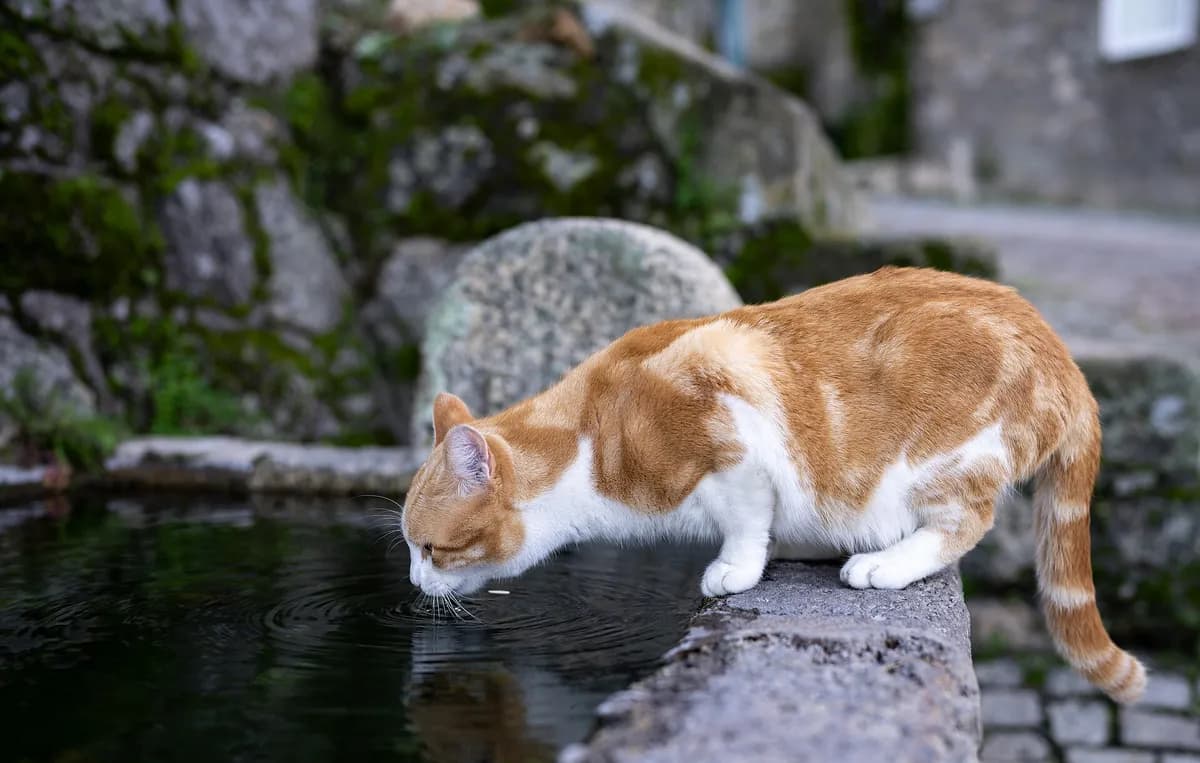
Place water where your cat can approach without feeling trapped or interrupted. Quiet locations away from litter trays, noisy appliances, and busy doorways are often practical. In a multi-level home, provide water on more than one floor; in a multi-cat home, spread stations out so one cat cannot easily guard them all.
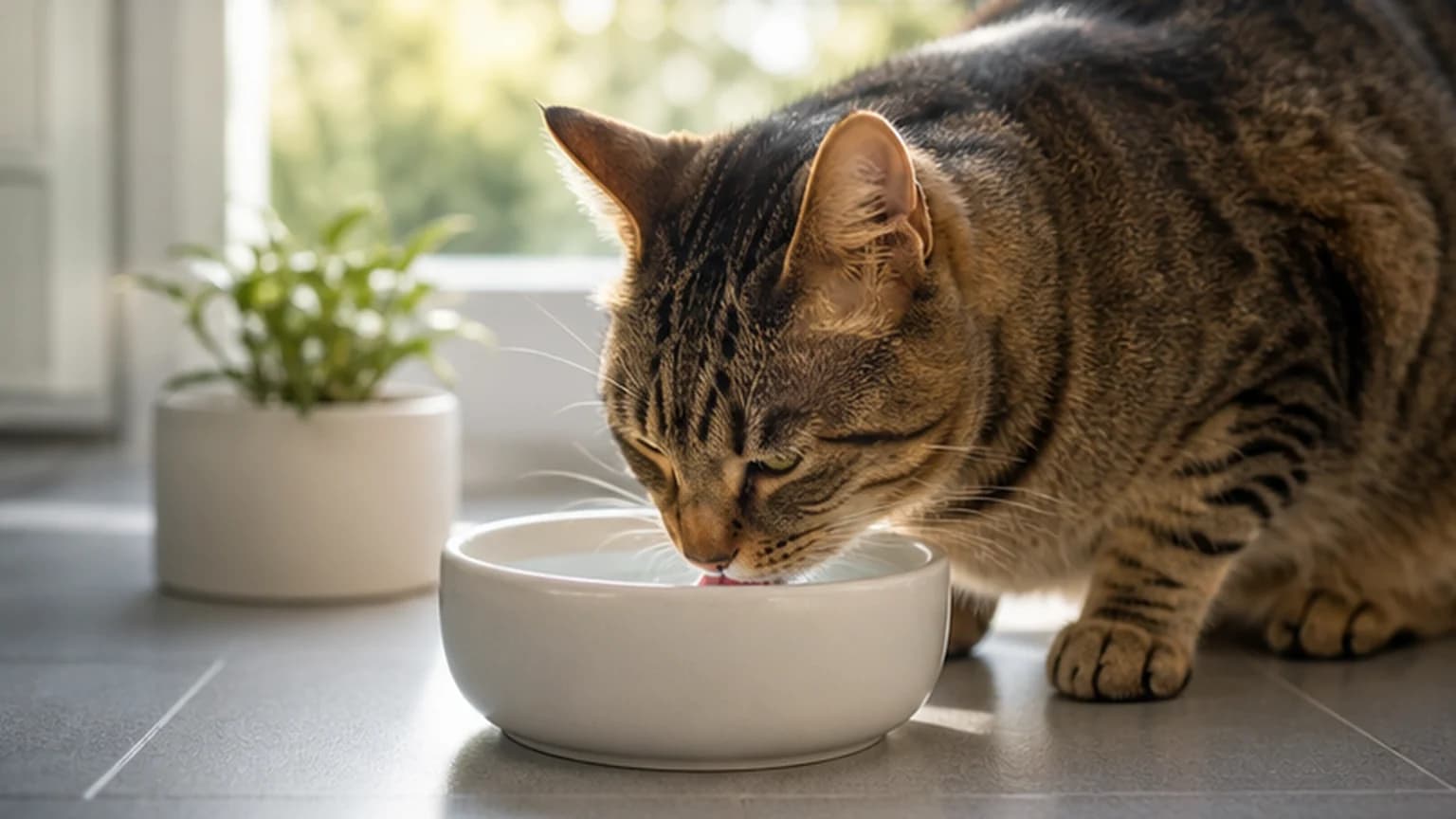
Many cats prefer a wide bowl that does not crowd the whiskers. Ceramic, glass, or stainless-steel containers are easy to inspect and clean when maintained properly. Stability matters too: a bowl that slides or tips may be avoided.
Refresh water at least daily and whenever it contains food, hair, dust, or debris. Wash containers routinely rather than continually topping up old water. Avoid strongly scented cleaning residue and rinse thoroughly.
Fountain versus bowl
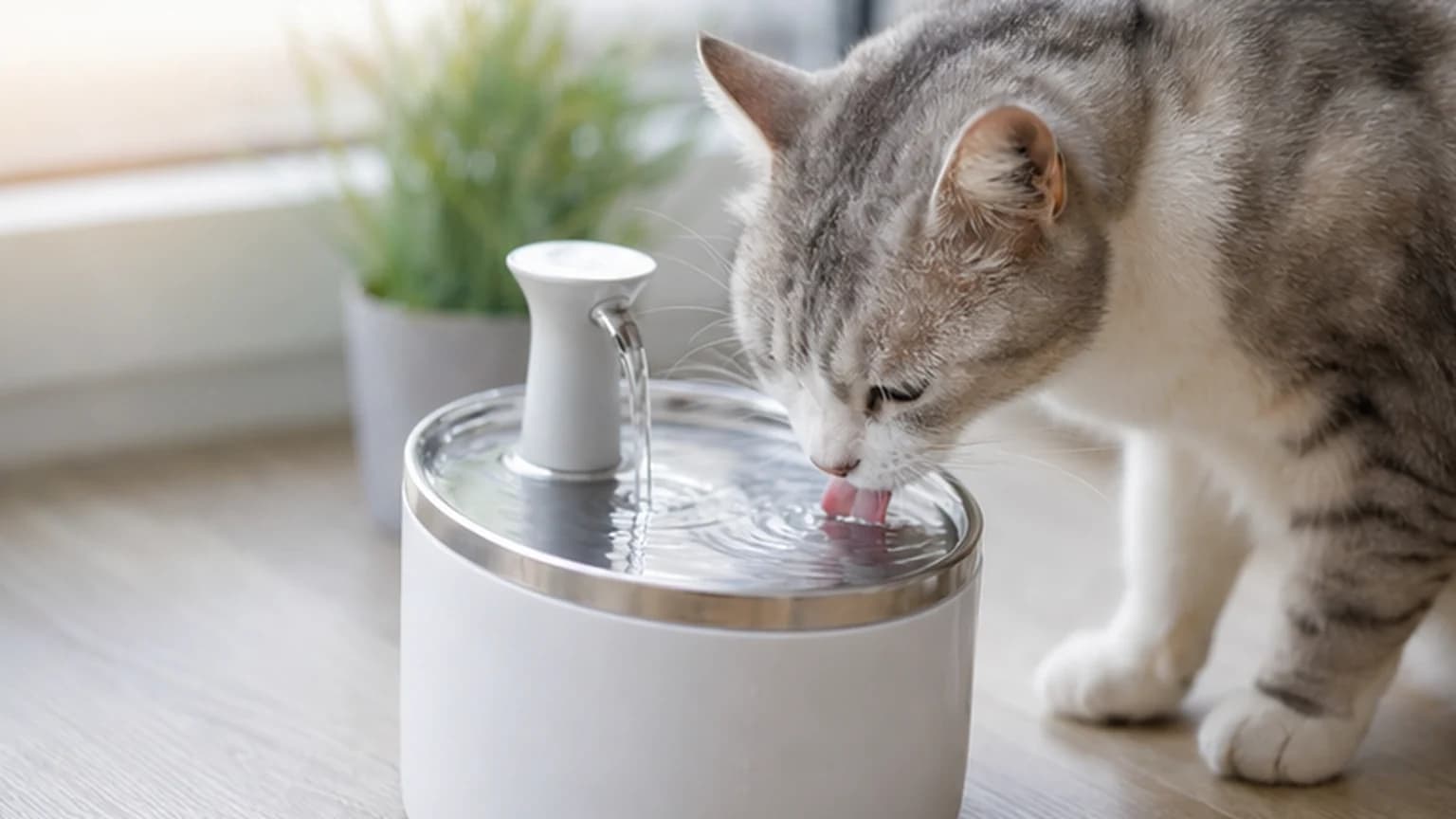
A fountain may encourage some cats because it provides moving water, but it is not automatically better. Other cats dislike the motor sound, vibration, height, or movement. Offer a normal bowl as an alternative while learning your cat's preference.
Fountains require more maintenance than they first appear to. Disassemble and clean all water-contact parts according to the manufacturer's instructions, replace filters on schedule, and check pumps and crevices for residue. A poorly maintained fountain is not an upgrade over a clean bowl.
Watch actual use rather than assuming a purchase solved hydration. The best setup is the one your cat reliably uses and your household can keep clean.
Can you measure how much a cat drinks?
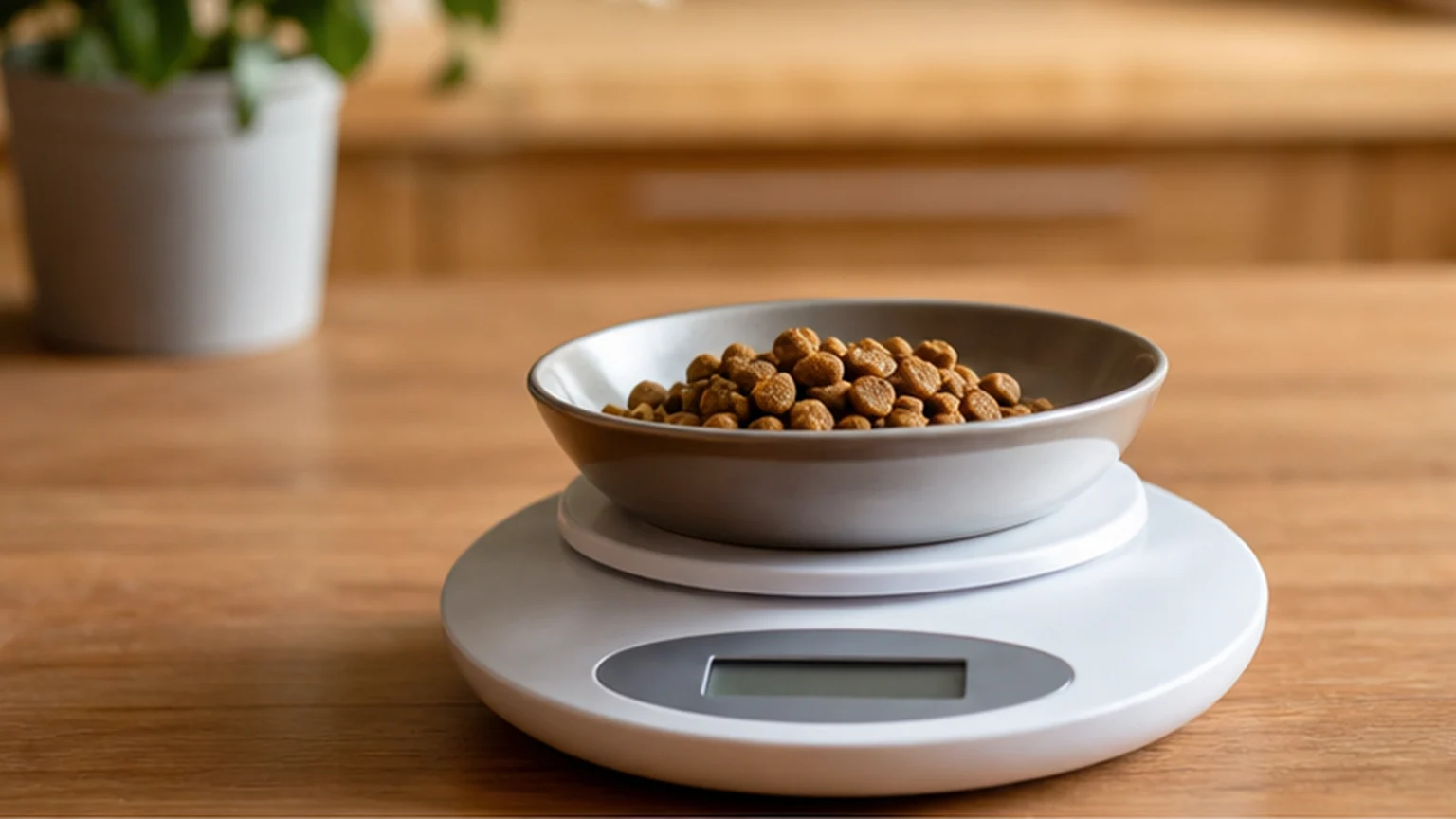
You can estimate bowl intake over a short period by measuring what is added and what remains, but the result has limitations. Evaporation, spills, fountain reservoirs, shared bowls, and water from food all affect the number. Repeated measurements using the same setup are more informative than one reading.
In a multi-cat household, a shared water station cannot show which cat drank. Separate monitored areas may help temporarily if a veterinarian requests intake information, but do not restrict access merely to produce a cleaner measurement.
Keep a simple log when you notice change: food type and amount, bowl refills, urine-clump pattern, appetite, vomiting, stool, activity, and medication. This gives a veterinarian useful context without claiming a home diagnosis.
Wet food and adding water
Wet food naturally contributes moisture. If you are changing from dry to wet food, transition gradually when practical and ensure the new food is complete and balanced for the correct life stage. Account for calorie differences rather than adding wet food on top of a full dry allowance.
Some cats accept a small amount of fresh water mixed into wet food. Introduce it gradually and stop if the change causes food refusal. Discard leftovers promptly because diluted food still requires safe handling.
Never allow a cat to go without eating in an attempt to make them accept a wetter meal. A meaningful appetite reduction requires attention, especially in kittens, seniors, or cats with health conditions.
What to monitor at home
Learn the normal pattern rather than counting every lick. Notice:
- how often the cat visits water stations;
- whether bowls need refilling sooner or stay unusually full;
- the usual number and approximate size of urine clumps;
- changes in wet-versus-dry food intake;
- appetite, body weight, energy, grooming, and behavior; and
- vomiting, diarrhea, drooling, or difficulty eating.
Litter type, cleaning frequency, multiple cats, and outdoor toileting can make urine changes difficult to interpret. A change is a reason to seek advice, not proof of one specific disease.
Changes that deserve veterinary attention
A marked increase in drinking or urination can be clinically important even when a cat otherwise seems comfortable. Reduced drinking may also matter when combined with poor intake, vomiting, diarrhea, weakness, heat exposure, or illness. Contact a veterinarian rather than trying to correct a suspected deficit with forced water.
Straining to urinate, repeatedly entering the litter box, crying, blood in urine, or producing little or no urine needs prompt veterinary attention. Inability to pass urine can be an emergency.
Do not use skin-tenting, gum appearance, or another single home check to rule dehydration in or out. These observations can be misleading and cannot replace examination.
What not to do
- Do not force water into a cat's mouth because liquid can be inhaled.
- Do not give electrolyte drinks, flavored products, broth, or supplements without checking ingredients and obtaining appropriate guidance.
- Do not add salt to stimulate thirst.
- Do not restrict water to reduce urination or household accidents.
- Do not change a prescribed diet or medication based on a general hydration article.
- Do not wait through major drinking, urination, appetite, or energy changes.
Contact a veterinarian promptly for marked changes in drinking or urination, repeated vomiting, weakness, dry or painful-looking mouth, collapse, or suspected toxin exposure. Do not give fluids or medication at home unless directed.
Frequently asked questions
Why does my wet-food-fed cat rarely use the bowl?
Wet food supplies water with meals, so visible drinking may be lower. Keep fresh water available and monitor the cat's overall pattern rather than removing the bowl or assuming intake is adequate.
Is a fountain necessary?
No. It is one preference option. A clean, accessible bowl is suitable for many cats, and some prefer still water.
Can I flavor the water?
Plain fresh water is the safest default. Before adding broth, tuna liquid, commercial flavoring, or another product, consider salt, seasonings, spoilage, calories, and medical restrictions and ask a veterinarian when unsure.
Why is my cat suddenly drinking more?
Environment and diet can affect drinking, but a sustained or marked increase can also occur with health problems. Record the change and contact a veterinarian rather than diagnosing it at home.
Key takeaway
Cats obtain water from both food and drinking, so there is no universal bowl target. Provide several clean, quiet water options, choose bowls or fountains your cat actually uses, and consider food moisture when observing the pattern. Most importantly, learn what is normal for your cat and seek veterinary advice for meaningful changes in drinking, urination, appetite, or wellbeing.
Calculate your cat's personalized daily water target with our interactive Cat Hydration Calculator. Read healthy hydration habits, fountain versus bowl, and the nutrition guide.
Sources & Scientific References (3)
Share this guide
Help another cat parent find it.