The short answer
Yes, cats can eat a small piece of fresh coconut flesh without harm, but only occasionally and in tiny amounts. Coconut is not a natural part of a cat's diet, and its high fat content is the main concern. A small nibble now and then is unlikely to cause problems, but coconut oil, coconut milk, and large servings of coconut water are best avoided or kept to a minimum. Plain water remains the only drink your cat needs, and a complete, balanced commercial cat food should always be the foundation of meals. When in doubt, ask your veterinarian before offering any human food.
Not All Coconut Is the Same
Coconut comes in several forms, and they are very different from a nutrition standpoint.
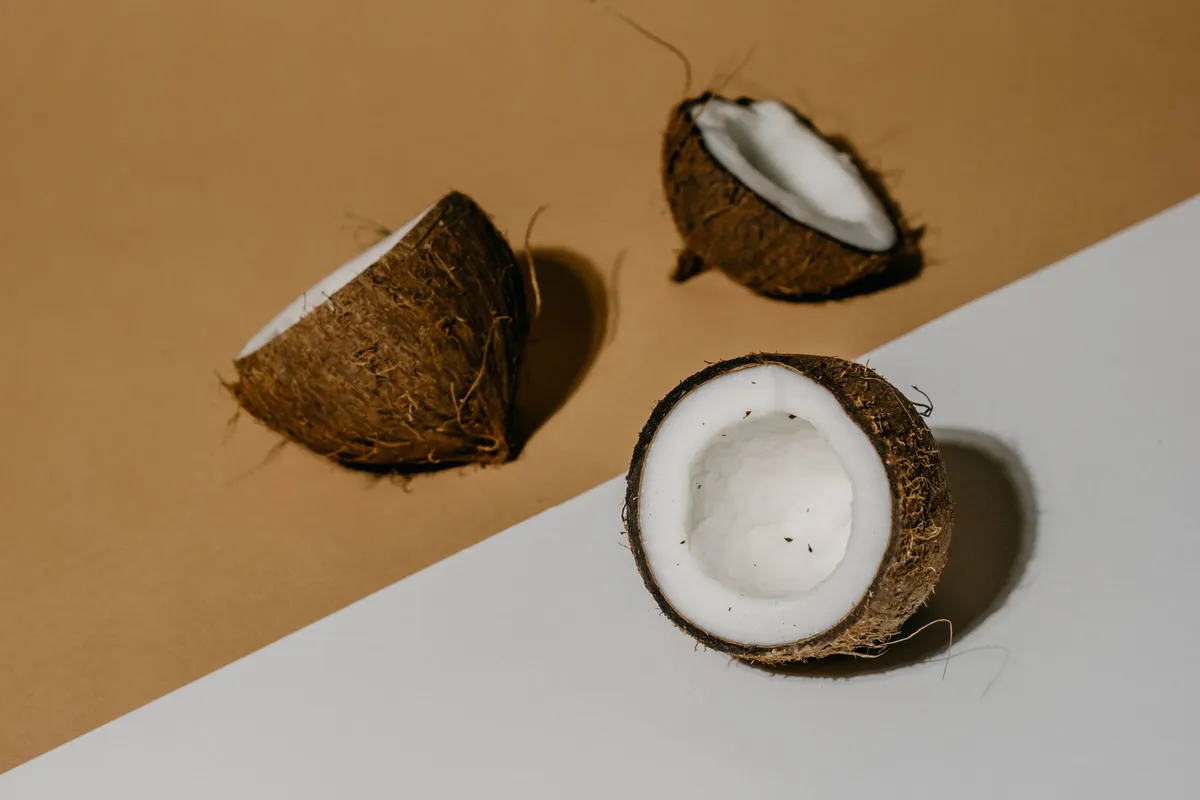
- Fresh coconut flesh — the white part inside the shell — is roughly one-third fat by weight, with a good amount of fiber and small amounts of minerals such as manganese and copper.
- Dried or desiccated coconut is much more concentrated, often more than 60% fat, and sometimes has added sugar.
- Canned coconut milk is made by pressing the flesh with water, so it is rich in fat too.
- Coconut oil is essentially 100% fat.
- Coconut water is the clear liquid inside a young coconut, which is very low in fat but contains notable amounts of potassium.
Cats are obligate carnivores. Their bodies are designed to get energy from animal protein and animal fat, not from plant-based foods. Coconut is a plant food with very little protein, so even when it is safe to eat, it brings almost no nutritional benefit to your cat. Any calories from coconut are essentially empty calories for a cat.
The Coconut Breakdown at a Glance
| Coconut product | Approx. fat content | Safe for cats? | Notes |
|---|---|---|---|
| Fresh raw flesh | ~33 g per 100 g | Small nibble, occasionally | Plain and unsweetened only |
| Dried or desiccated | ~60-65 g per 100 g | Not recommended | Very high fat, often sweetened |
| Canned coconut milk | ~20-25 g per 100 g | Not recommended | High fat, can upset digestion |
| Coconut water | 0 g fat, high potassium | Very small sips only | Not a replacement for water |
| Coconut oil | ~100 g per 100 g | Avoid in excess | No proven benefit for cats |
Why the High Fat Content Matters
The biggest issue with coconut for cats is fat. A cat's digestive system handles animal fat fairly well, but a sudden load of plant fat can be harder to process. Many owners make the mistake of giving a generous portion of a healthy human food, forgetting that a cat weighs only a few kilograms.
With too much fat, a cat may experience mild stomach upset, soft stools, or vomiting. In more serious cases, a very fatty meal can trigger inflammation of the pancreas, known as pancreatitis, which is painful and may require veterinary care. This risk is higher for cats that already have weight problems, diabetes, or a history of digestive issues.
There is also a common story that coconut helps with hairballs or makes a cat's coat shinier. The evidence for this is weak. Regular brushing, plenty of fresh water, and a balanced diet do far more for a healthy coat and fewer hairballs than coconut does.
If You Offer Coconut, Do It Like This
If you decide to share a bit of coconut with your cat, keep these rules in mind:
- Use fresh, raw coconut flesh only. It must be plain, with no added sugar, salt, or flavoring.
- Give a very small amount: about the size of a pea or a fingernail, no more than once or twice a week.
- Watch your cat for 24 hours afterward for any signs of stomach upset. Every cat is different, and some are more sensitive than others.
- Skip dried coconut, sweetened coconut, coconut-flavored snacks, and baked goods containing coconut. These add sugar and extra fat with no benefit.
- Do not offer coconut to kittens, underweight cats, or cats with a history of pancreatitis unless your veterinarian says it is safe.
High-fat caution: Coconut is a high-fat food, and cats are small. A piece that looks tiny to a human can represent a surprising amount of fat for a 4-kilogram cat. If your cat has a sensitive stomach, is overweight, or has had pancreatitis in the past, skip coconut entirely and choose an approved commercial treat instead. When in doubt, call your veterinarian first.
Coconut Water: A Special Note
Coconut water is naturally low in fat and calories, which can make it seem like a harmless treat. There are two reasons to be careful, though.
First, coconut water contains a fair amount of potassium and other electrolytes. For a cat with healthy kidneys, a few laps are unlikely to cause a problem. For a cat with kidney disease or heart disease, the extra potassium could be inappropriate, so it is best to avoid it completely if your cat has any chronic condition.
Second, some cats simply do not need it. A healthy cat gets all the water they need from fresh water and moisture-rich food. Offering coconut water in a bowl instead of fresh water is never a good idea. If your cat is curious about the smell, a small taste on a spoon is fine, but plain water should always be the main drink.
Coconut Oil: The Internet's Favorite Myth
Coconut oil is one of those products that people love to recommend for everything from dry skin to hairballs. Some owners rub a tiny amount on their cat's paws or add it to food. But the scientific support for these habits is very thin.
Coconut oil is almost pure fat. A single teaspoon contains roughly 40 calories, which is a significant chunk of a typical cat's daily calorie budget. Most indoor adult cats need only about 200 to 250 calories per day, so a daily spoonful of oil can quickly lead to weight gain. There are better, evidence-based ways to support skin and coat health, such as omega-3 supplements your veterinarian can recommend, regular grooming, and a diet that meets all of your cat's nutritional needs.
If a cat happens to lick coconut oil from a spoon or a pan, a small taste is not an emergency. But making it a habit is where the risk lives.
Signs Your Cat Has Had Too Much
Because coconut is not listed among common unsafe foods for cats, a one-time overindulgence is rarely an emergency. Yet too much fat can still cause real discomfort. Keep an eye out for:
- Soft stools or diarrhea
- Vomiting within a few hours
- A decreased appetite
- Lethargy or hiding
- A painful, tense belly (in more serious cases)
Most mild stomach upsets settle on their own within 24 hours. If signs continue past a day, if your cat seems very unwell, or if your cat has an existing health condition, contact your veterinarian. Never give home remedies such as milk or laxatives without veterinary advice.
Frequently Asked Questions
Can kittens eat coconut?
No. Kittens have very sensitive digestive systems and specific nutritional needs for growth. A balanced kitten food is all they need. Keep coconut and other human treats away from kittens entirely.
Is coconut milk safe for cats?
Canned coconut milk is high in fat, and some cats do not digest it well. A tiny lick from a spoon is unlikely to cause problems, but it should not become a regular treat. The higher the fat content, the higher the risk of stomach upset.
Does coconut help with hairballs?
There is no strong evidence that coconut prevents or treats hairballs. Regular brushing and a vet-approved hairball remedy are safer, more effective choices. If your cat has frequent hairballs, talk to your veterinarian about the underlying cause.
What if my cat snuck a big piece of coconut off the counter?
Do not panic. Monitor your cat for vomiting, diarrhea, or changes in appetite over the next day. One incident usually causes only mild upset at most. If your cat is old, has kidney disease, or seems very uncomfortable, call your veterinarian for advice.
Can coconut water replace a cat's normal water?
No. Cats should always have fresh water available. Coconut water is not a substitute, especially for cats with kidney or heart conditions that affect electrolyte balance.
Key Takeaway
Coconut is not an unsafe food for cats, but it is not a superfood either. Tiny amounts of plain fresh coconut flesh are acceptable for most healthy adult cats, while coconut oil and coconut water are best kept to a minimum or avoided. A complete cat food, fresh water, and a veterinary-approved treat will always beat exotic human foods.
Check a food before you guess
Search the PurrWise food checker for a specific ingredient and review the recommended safety action.
Share this guide
Help another cat parent find it.