The short answer
Yes, cats can eat salmon, but the word 'salmon' covers a wide range of forms, and not all of them are safe. Plain, fully cooked salmon served in tiny, boneless pieces is generally safe as an occasional treat. Salmon is rich in protein, taurine, and omega-3 fatty acids, so a small bite can be a pleasant addition to a mostly complete commercial diet. The real danger is in preparation: raw, smoked, cured, salted, seasoned, or bone-in salmon comes with risks that are easy to overlook. If treats push a cat over about 10 percent of daily calories, they also stop being treats and start undermining the nutritional balance of a complete diet.
Why salmon is a reasonable treat
Cats are obligate carnivores, meaning their bodies are built to get nutrients from animal tissue. Salmon naturally provides high-quality protein, amino acids such as taurine, and omega-3 fatty acids called EPA and DHA that may support healthy skin, a glossy coat, and joint comfort. It also supplies B vitamins and potassium, which are useful nutrients but not a reason to replace a balanced meal. Because salmon has a strong aroma and a rich taste, many cats find it very palatable, making it convenient as a small training reward or a way to hide a veterinarian-approved pill. As long as the salmon is plain, cooked, and portioned correctly, it can be part of a varied treat rotation for most healthy adult cats.
The risks of feeding salmon
The dangers are not from salmon itself, but from how it is caught, prepared, and served.
Raw and undercooked salmon can carry parasites and bacteria such as Salmonella and Listeria. These do not just threaten the cat; they can also be shed into the household environment and affect people. Raw fish also contains an enzyme called thiaminase, which can break down thiamine (vitamin B1) in the body. Over time, a diet heavy in raw fish can lead to thiamine deficiency, with signs such as wobbliness, weakness, or neurological problems. Cooking destroys thiaminase and makes fish safer, though it does not remove every possible contaminant.
Seasoned salmon is another problem. Salt, garlic, onion, herbs, and spice rubs are common on human salmon, and several of these are dangerous to cats, even in small amounts. Smoked or cured salmon is heavily salted and often contains additional flavorings, so it should stay off the menu. Salmon skin is very fatty and can cause digestive upset in a cat that is not used to rich food. Cooked fish bones are a choking hazard and can tear the mouth, throat, or intestines. Even canned salmon can be risky when it is packed in oil and salt instead of plain water.
Finally, feeding any single fish type every day may increase the chance of a cat developing a food sensitivity or consuming too much of a particular nutrient. Salmon is best kept as an occasional ingredient, not a staple.
Do not feed raw, smoked, cured, or seasoned salmon. Remove every bone, keep the serving tiny, and choose plain cooking methods without oil, butter, salt, or herbs. If your cat shows any unusual signs after eating salmon, contact your veterinarian promptly.
Salmon forms at a glance
Not all salmon products are created equal. The table below summarizes which forms are reasonable and which ones you should avoid. When in doubt, read the label carefully. If ingredients include salt, oil, spices, or 'natural flavor', put it back.
| Type of salmon | Safe for cats? | Notes |
|---|---|---|
| Raw or undercooked | No | Risk of parasites, bacteria, and thiaminase |
| Plain cooked fresh or frozen | Yes, as a treat | Fully cooked, boneless, unseasoned |
| Smoked or cured | No | Very high in salt and often seasoned |
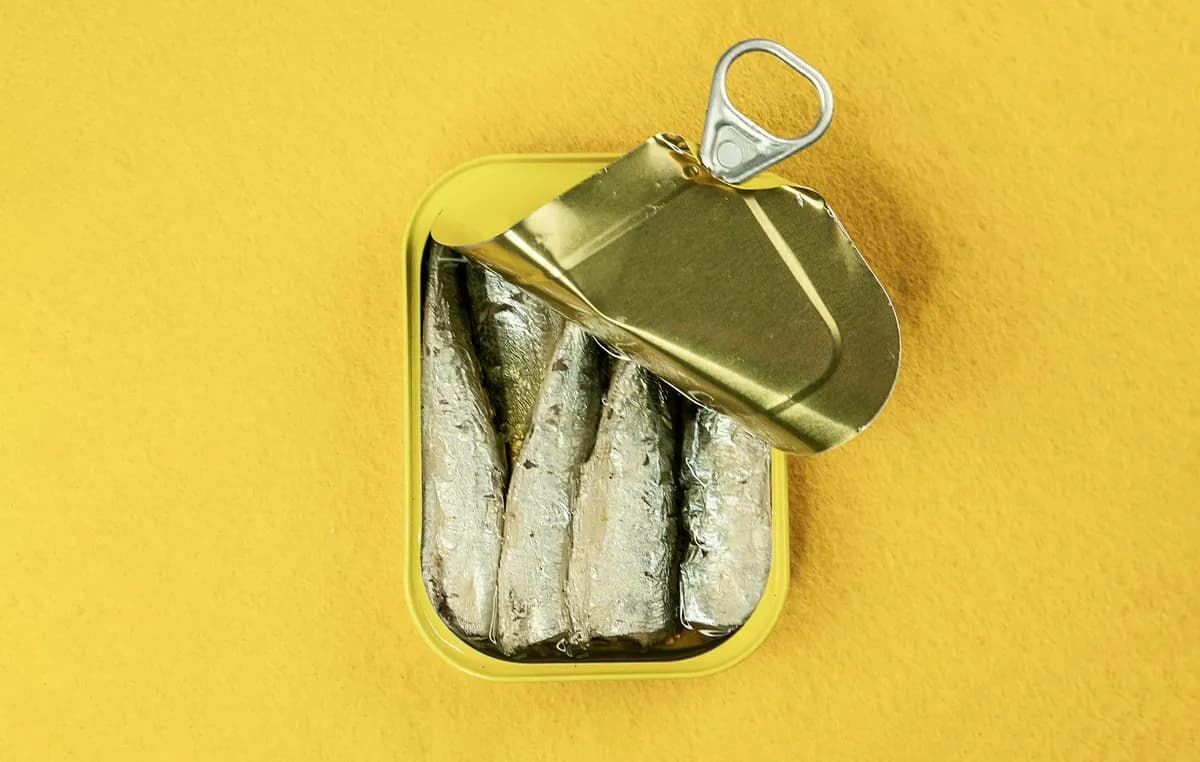
| Canned in water | Yes, occasionally | Drain it, choose no-salt-added plain water |
| Canned in oil or with spices | No | Too much fat, salt, and flavoring |
| Salmon skin | Not recommended | Fatty and can cause digestive upset |
| Salmon bones | No | Choking and internal injury risk |
How to serve salmon safely to your cat
Start with fresh or frozen salmon from a reputable source. It does not need to be expensive; even a small piece of plain, cooked salmon works. Bake, grill, poach, or boil it until the flesh is opaque and flakes easily. Do not add oil, butter, salt, pepper, garlic, herbs, or lemon juice. Once cooked, remove the skin and check for every bone. Cut the salmon into pieces small enough for a cat to chew easily, about the size of a pea or smaller.
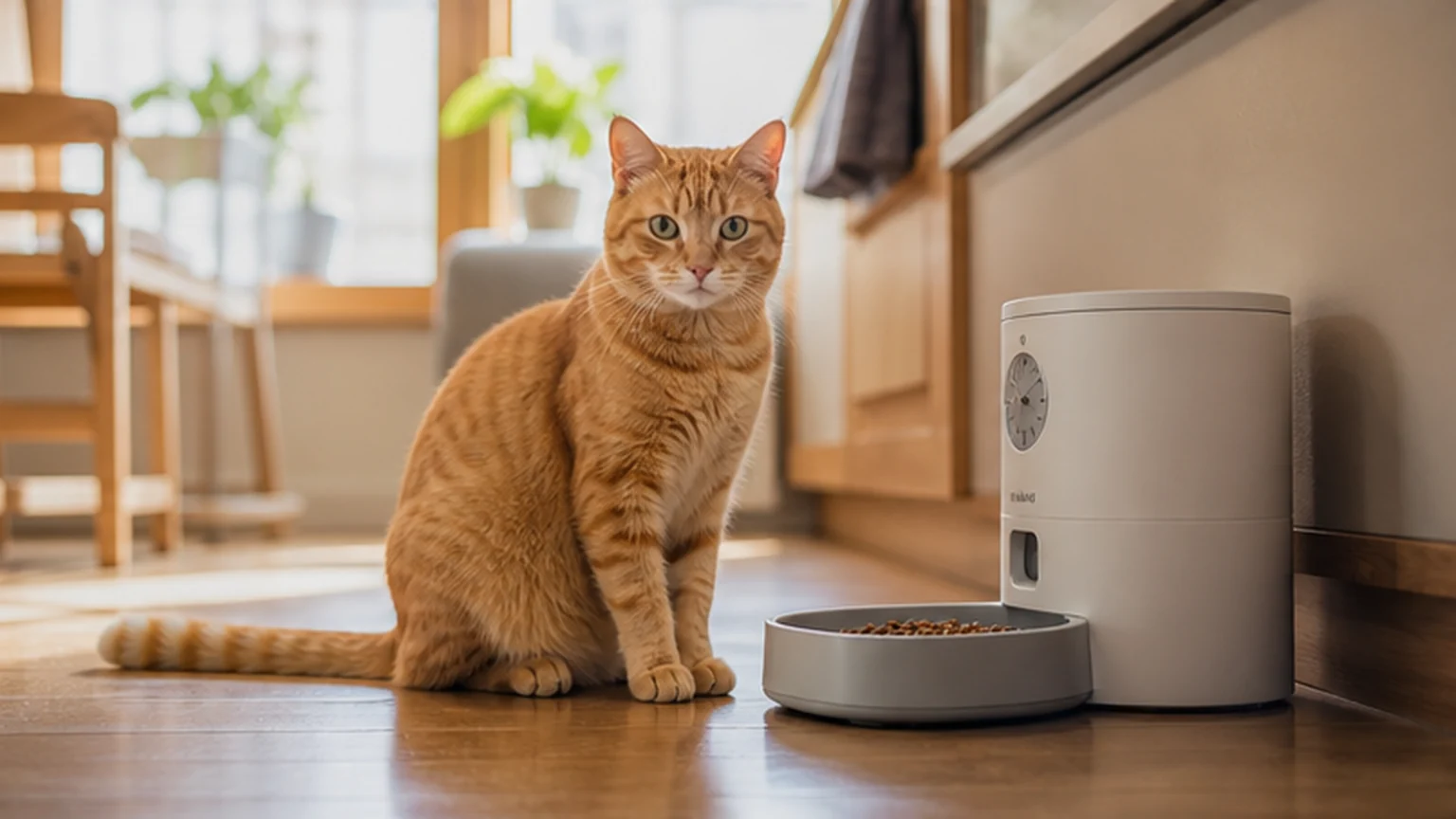
Serve the salmon cool or at room temperature, not hot. Offer just a bite or two, beginning with a very small amount if your cat has never eaten fish before. For a typical adult cat, a piece the size of a fingernail or a small spoonful is plenty. The general veterinary guideline is that treats should make up no more than 10 percent of the cat's daily calorie intake. A few tiny pieces of salmon once in a while is well within that. Store unused cooked salmon in an airtight container in the refrigerator and use it within two or three days. Never leave cooked fish out at room temperature for more than two hours.
What about commercial salmon cat food
Commercial diets that list salmon as an ingredient are not the same as feeding fresh salmon from the kitchen. Pet food companies formulate those products to be nutritionally complete and balanced, meaning the salmon is combined with vitamins, minerals, and other amino acid sources to meet the needs of cats. This is the safest way to give your cat salmon as a regular part of a meal. Fresh, human-grade salmon is not a complete meal. It lacks precise amounts of nutrients such as taurine, calcium, and B vitamins that a cat needs in exact proportions. If you are interested in a homemade diet built around salmon, do not improvise it. Work with a veterinary nutritionist who can create a balanced recipe, and continue with a commercial diet in the meantime.
Frequently Asked Questions
Can kittens eat salmon?
Kittens can eat a tiny piece of plain, cooked salmon as an occasional taste, but their main diet should always be a complete commercial kitten food. Kittens grow quickly and need carefully balanced calcium, phosphorus, protein, and taurine. Too many treats can crowd out those essential nutrients and lead to developmental problems.
Can cats eat raw salmon?
No. Raw salmon is not recommended for cats for the same reason it carries risks for people: possible parasites and bacteria. Even fish labeled sushi-grade has not been safety-tested for pets. If your cat sneaks raw salmon, remove any bones, watch for any unusual signs, and call your veterinarian if the cat seems unwell.
Can cats eat smoked salmon?
Smoked salmon is not a good choice. It is preserved with high levels of salt and often contains seasonings, which can stress a cat's kidneys and cause serious electrolyte issues in large amounts. There is no reason to take that risk when plain cooked salmon is easy to offer.
How often can a cat eat salmon?
Treats, including salmon, should be occasional. A good rule of thumb is to keep salmon to no more than a few small bites per week and to ensure treats overall stay below 10 percent of daily calories. Cats do not need variety the way people do, and a consistent, balanced commercial diet is more important than novel foods.
Key Takeaway
Cats can eat salmon as an occasional treat when it is fully cooked, unseasoned, boneless, and served in tiny pieces. Keep the portion small, avoid raw and smoked products, and never let salmon replace a nutritionally complete meal. When in doubt, ask your veterinarian about how salmon fits into your individual cat's diet.
Check a food before you guess
Search the PurrWise food checker for a specific ingredient and review the recommended safety action.
Share this guide
Help another cat parent find it.