The short answer
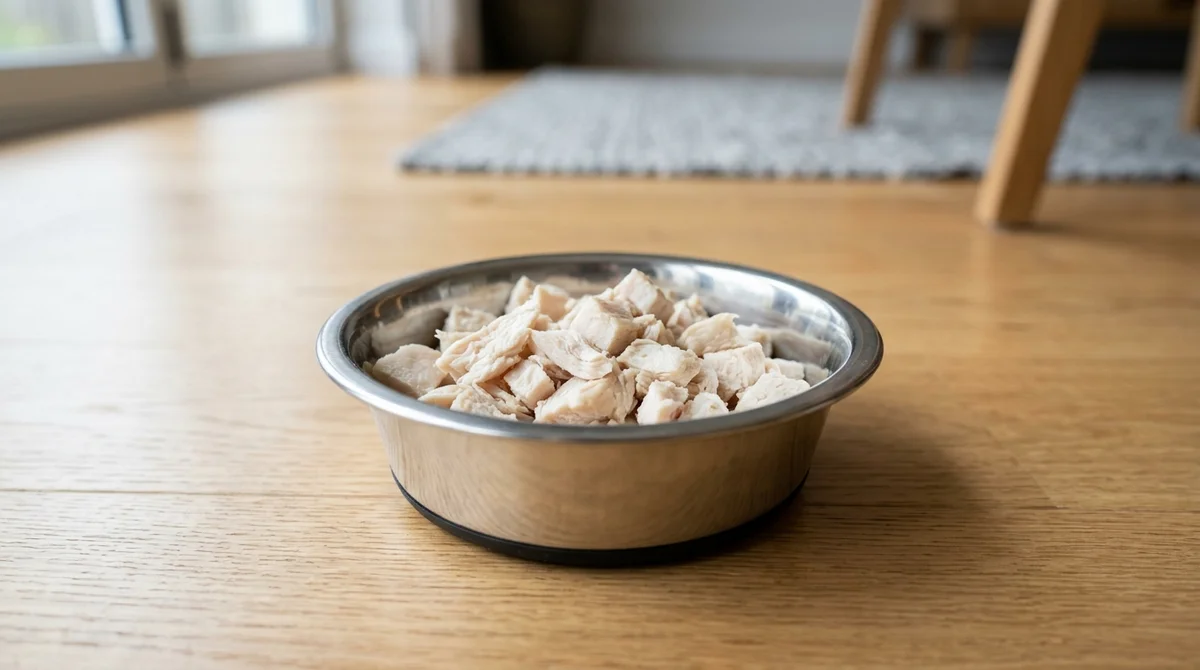
Yes, cats can eat turkey, but only plain, fully cooked turkey meat. That means no skin, no bones, no seasonings, no sauces, and no butter. Served in small, bite-sized pieces as an occasional treat, turkey is a lean protein that most cats tolerate well. Think of it as a special occasion food, not a replacement for your cat's complete and balanced diet. The risks come almost entirely from how the turkey is prepared — not from the meat itself. With a little care, you can let your cat share in the holiday meal without putting their health at risk.
Why Plain Turkey Can Fit in a Cat's Menu
Cats are obligate carnivores, which means their bodies are designed to get nutrients from animal tissues. Turkey is a lean protein that provides amino acids and other nutrients cats need. It is also low in fat when served without the skin, which makes it a better optional treat than many processed commercial treats.
That said, "better" does not mean "necessary." A commercial cat food that meets AAFCO or FEDIAF guidelines is already complete and balanced, so turkey is only for enrichment and variety. It should never make up more than a tiny fraction of your cat's daily intake. The goal is to let your cat enjoy a taste of your meal without risking digestive upset or an unbalanced diet.
When you offer turkey as a treat, you are also controlling exactly what goes into your cat's bowl. This can be useful if your cat is on a weight management plan, but even then, check with your veterinarian first before making any dietary change. If your cat has a sensitive stomach, introduce turkey very gradually and watch for any signs of digestive trouble.
How to Prepare Turkey for Your Cat
Preparation is the most important step. Turkey is safe for cats when it is cooked all the way through, with no pink in the center, and served plain. Here are the rules to follow:
- Cook it thoroughly. Fully cooked turkey is essential. Raw or undercooked turkey can carry bacteria such as salmonella or campylobacter, which can make both cats and humans sick.
- Remove all bones. Cooked turkey bones become brittle and can splinter. A splintered bone can lodge in your cat's mouth, throat, or digestive tract.
- Remove the skin and visible fat. Turkey skin is rich and fatty. A sudden high-fat treat can cause digestive upset and, in some cats, more serious issues such as pancreatitis.
- Skip the seasoning. Do not add salt, pepper, garlic, onion, or any spice. Garlic and onions are particularly unsafe for cats because they can damage red blood cells. Even small amounts in a gravy or marinade can be enough to cause concern.
- Cut into small pieces. Bite-sized pieces that your cat can chew easily reduce the chance of choking.
If you are cooking a holiday turkey, set aside a small piece of plain meat before you add seasoning, or rinse and pick out a clean bit from the breast after cooking. Do not give your cat turkey that has been basted with butter, oil, or marinade. Also, pay attention to hygiene: wash your hands and any surfaces that touched raw turkey, and keep raw turkey away from your cat's food and water bowls.
How Much Turkey Can a Cat Eat?
Turkey is a treat, not a meal. A general rule of thumb is that treats should make up no more than 10 percent of a cat's daily calorie intake. For an average adult cat, that is about 20 to 30 calories. A single bite-sized cube of cooked turkey breast is roughly 5 to 10 calories, so a few small pieces are plenty.
For most cats, offering two or three thumbnail-sized pieces once in a while is a reasonable treat. If you want to add turkey to your cat's regular food, use no more than a teaspoon or so as a topper. Watch your cat's reaction. Some cats have sensitive stomachs and may not tolerate a new food well. Start with one tiny piece and wait a day to see how your cat responds before offering more.
The table below summarizes safe and unsafe serving choices.
| Turkey preparation | Safe to offer? | Why |
|---|---|---|
| Plain cooked breast meat, no skin, no seasoning | Yes | Lean protein, easy to digest in small amounts |
| Cooked turkey with skin | No | High fat content can cause stomach upset or pancreatitis |
| Cooked turkey bones | No | Bones can splinter and cause choking or internal injury |
| Raw turkey or undercooked turkey | No | Risk of bacterial illness |
| Turkey cooked with garlic, onion, or salt | No | Those ingredients can be unsafe for cats |
| Deli turkey or processed turkey slices | No | High sodium and often contain additives, preservatives, or flavorings |
If your cat has a medical condition such as pancreatitis, kidney disease, or a food allergy, talk to your veterinarian before offering turkey.
Always supervise your cat when offering any new food. Remove every bone before serving, and never leave turkey unattended on a counter or table — a hungry cat may grab a piece with skin or bones before you can intervene. If you notice vomiting, diarrhea, lethargy, or signs of choking after your cat eats turkey, contact your veterinarian right away.
Which Parts of the Turkey Are Off-Limits?
It helps to think of the turkey as having several parts: the meat is the only part you should share.
Turkey skin is high in fat and may also contain seasoning residue. Even a small amount can trigger digestive problems in cats, especially those prone to sensitive stomachs. The skin offers little nutritional benefit and is not worth the risk.
Bones are a serious hazard. Cooked turkey bones become dry and brittle. They can splinter into sharp fragments that can get stuck in the throat, stomach, or intestines. The splinters can cause pain, bleeding, and blockages that require surgery. This is true for both poultry and other animal bones.
Turkey fat trimmings and drippings are also too rich. Giblets are fine only if they are plainly cooked and cut into very small pieces, but many owners prefer to skip them to keep things simple. If the giblets came in the turkey cavity, they may have been packed with seasonings, so treat them with caution.
Processed turkey products such as deli slices, turkey bacon, turkey sausage, or pre-seasoned turkey breast are not good choices. These products often contain high amounts of salt, preservatives, and flavorings. Deli turkey can dehydrate your cat at a time when you just wanted to share a special treat. Processed meats may also contain onion or garlic powder, which are unsafe for cats.
Raw turkey should never be on the menu. Apart from the risk of bacteria, raw turkey may also contain parasites. Cooking kills these harmful organisms, and chilling does not. Always cook turkey to a safe internal temperature before sharing any with your cat.
Frequently Asked Questions
Can kittens eat turkey?
Kittens can eat small pieces of plain cooked turkey, but their main focus should be a high-quality kitten food that meets their growth requirements. Treats should be even smaller for kittens because their calorie needs are precise. If in doubt, ask your vet before introducing treats to a kitten under six months old.
Can cats eat turkey skin if it is only a tiny piece?
It is best to say no. Turkey skin is almost pure fat and often carries seasoning and salt. A tiny piece may cause no harm in a healthy cat, but because the risk of digestive upset is high and the nutritional value is low, it is not worth it.
Can cats eat deli turkey?
Deli turkey is not a good choice. It is heavily processed and contains more sodium than most cats need. Some deli meats also contain garlic or onion powder. If you absolutely want to use sliced turkey, look for a plain, low-sodium version with no seasoning, and only offer a very small piece on rare occasions.
What should I do if my cat eats turkey bones or a large amount of turkey?
Do not wait. Contact your veterinarian immediately if your cat has swallowed a bone or if you see straining, choking, repeated vomiting, or a hunched posture. Time is critical with potential blockages or splinters. If your cat simply ate a large piece of plain meat and seems fine, still let your vet know about the situation the next time you talk.
Is white meat or dark meat better for cats?
White meat is leaner and easier on the stomach. Dark meat contains more fat, so it is best to stick with breast meat when sharing a treat. In either case, the other rules still apply: no skin, no bone, no seasoning.
Key Takeaway
Plain, fully cooked turkey breast makes an occasional protein-rich treat that many cats love. The safe version is simple: no skin, no bones, no seasoning, and small pieces. Turkey should never replace your cat's regular food, and it should be offered only in the same spirit as any other treat — a bite of something special, not a portion of dinner. When in doubt, your veterinarian is the best person to ask about your cat's individual needs.
Check a food before you guess
Search the PurrWise food checker for a specific ingredient and review the recommended safety action.
Share this guide
Help another cat parent find it.