The short answer
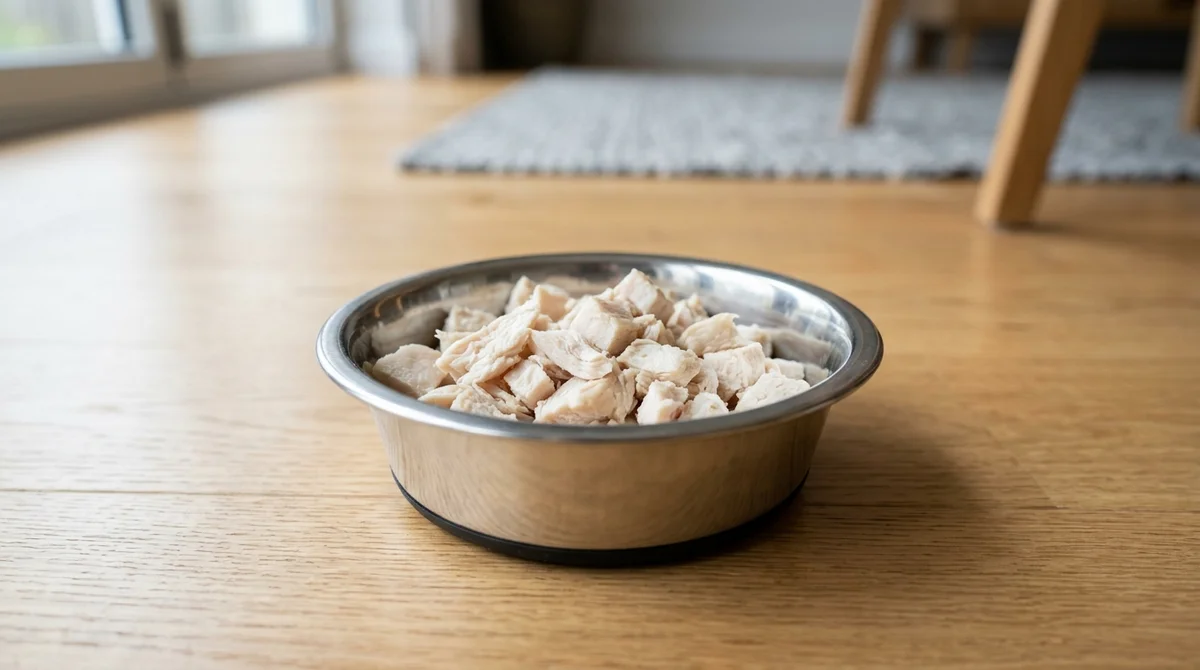
Yes, cats can eat chicken — but the safe version is very specific: plain, fully cooked, boneless, skinless chicken breast with no seasoning, no sauce, and no oil, offered in small pieces as an occasional treat. That version is a lean, easy-to-digest protein most cats tolerate well.
The risks come almost entirely from preparation, not from the meat itself. Raw chicken can carry bacteria such as salmonella and campylobacter. Cooked chicken bones splinter dangerously. Skin and fat are too rich. Onion, garlic, and heavy salt — common in human chicken dishes — are the parts that are genuinely unsafe for cats. Understand those four boundaries and chicken can be a fine treat; ignore them and the same food can land your cat at the vet.
Chicken is a treat, not a meal. It should never replace a complete and balanced commercial cat food.
Why Plain Chicken Can Fit in a Cat's Menu
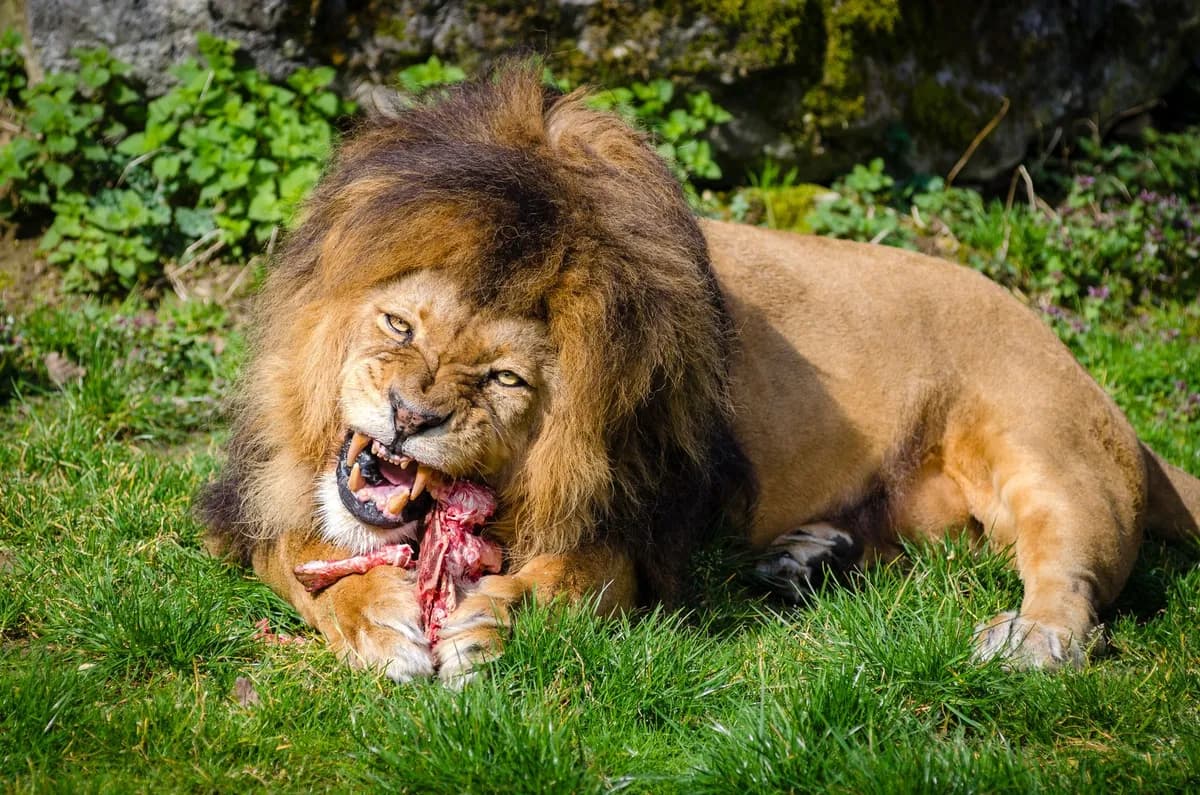
Cats are obligate carnivores: their bodies are built to get nutrients from animal tissues. Plain chicken breast is a lean protein source that provides highly digestible amino acids, and it is low in fat when served without the skin. That makes it a better occasional treat than many processed commercial treats.
"Better" does not mean "necessary." A commercial cat food that meets AAFCO or FEDIAF guidelines is already complete and balanced — cats do not need chicken, turkey, or any other human food to thrive. Chicken is for enrichment, variety, and bonding, and it should stay a tiny fraction of daily intake.
Offering chicken yourself also means you control exactly what goes in the bowl. That can help if your cat is on a weight-management plan, but check with your veterinarian first if your cat has a health condition. Cats with sensitive stomachs should get new foods introduced very gradually, one tiny piece at a time.
How to Prepare Chicken for Your Cat
Preparation decides whether this treat is safe. Follow these rules every time:
- Cook it thoroughly. Fully cooked chicken with no pink in the center is the only safe version. Chicken should reach an internal temperature that kills bacteria — about 74°C (165°F).
- Remove every bone. Cooked chicken bones become brittle and splinter into sharp shards that can lodge in the mouth, throat, stomach, or intestines.
- Remove the skin and visible fat. Chicken skin is fatty and often carries seasoning residue. A sudden high-fat treat can cause digestive upset and, in susceptible cats, pancreatitis.
- Skip the seasoning entirely. No salt, pepper, garlic, onion, or spice. Garlic and onion in any form — including powder in a marinade or gravy — can damage feline red blood cells.
- Cut into small, bite-sized pieces. Small pieces are easier to chew and reduce choking risk.
- Serve plain, boiled or poached where possible. Boiling or poaching without oil is the simplest way to keep the meat plain. If you cook chicken for yourself, set aside a plain piece before adding seasoning.
- Practice kitchen hygiene. Wash your hands and any surfaces that touched raw chicken, and keep raw chicken and its juices away from your cat's food and water bowls.
How Much Chicken Can a Cat Eat?
Chicken is a treat, not a meal. A general rule of thumb is that treats should make up no more than 10 percent of a cat's daily calorie intake. For an average adult cat that is roughly 20 to 30 calories — a couple of thumbnail-sized pieces of cooked breast meat.
For most cats, two or three small pieces once in a while is a reasonable treat. If you add chicken as a food topper, keep it to about a teaspoon. Start with a single tiny piece and wait a day to see how your cat responds before offering more. Some cats simply do not tolerate new foods well.
The table below summarizes safe and unsafe serving choices.
| Chicken preparation | Safe to offer? | Why |
|---|---|---|
| Plain cooked breast, no skin, no seasoning | Yes | Lean protein, easy to digest in small amounts |
| Cooked chicken with skin | No | High fat can cause stomach upset or pancreatitis |
| Cooked chicken bones | No | Bones splinter and can cause choking or internal injury |
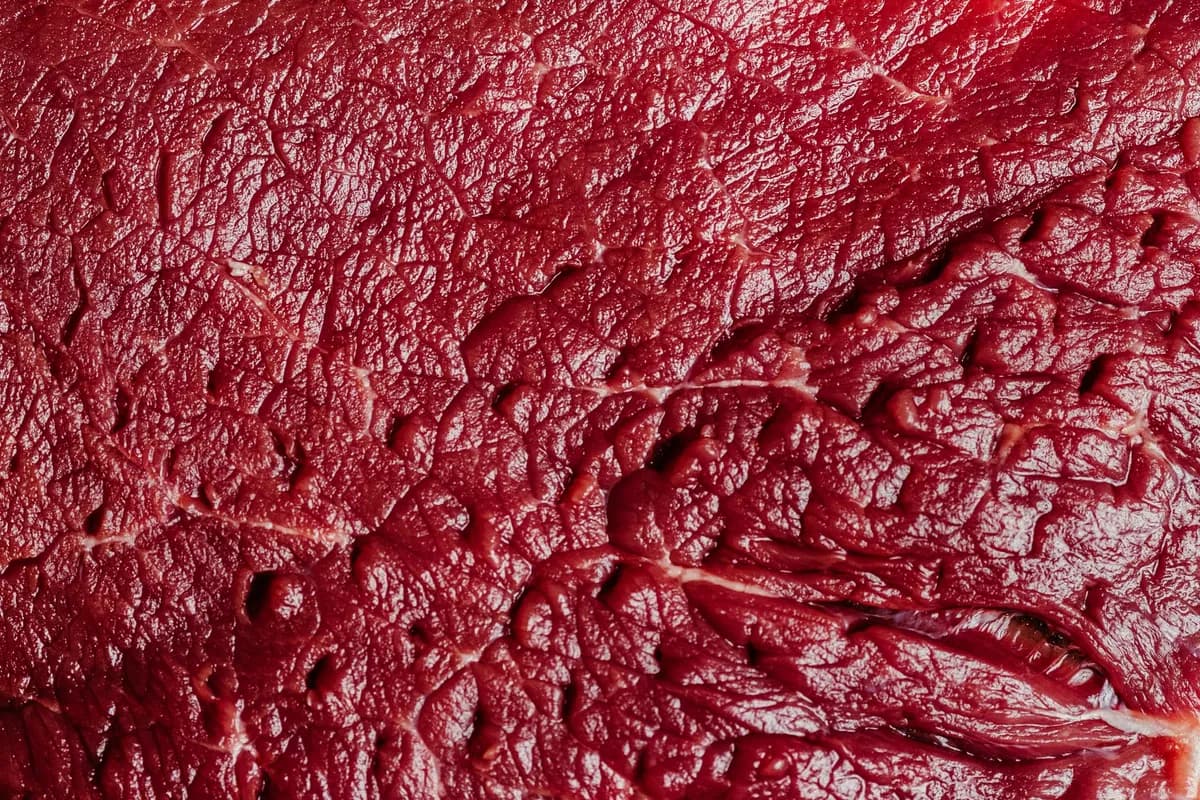
| Raw or undercooked chicken | No | Risk of salmonella, campylobacter, and other pathogens |
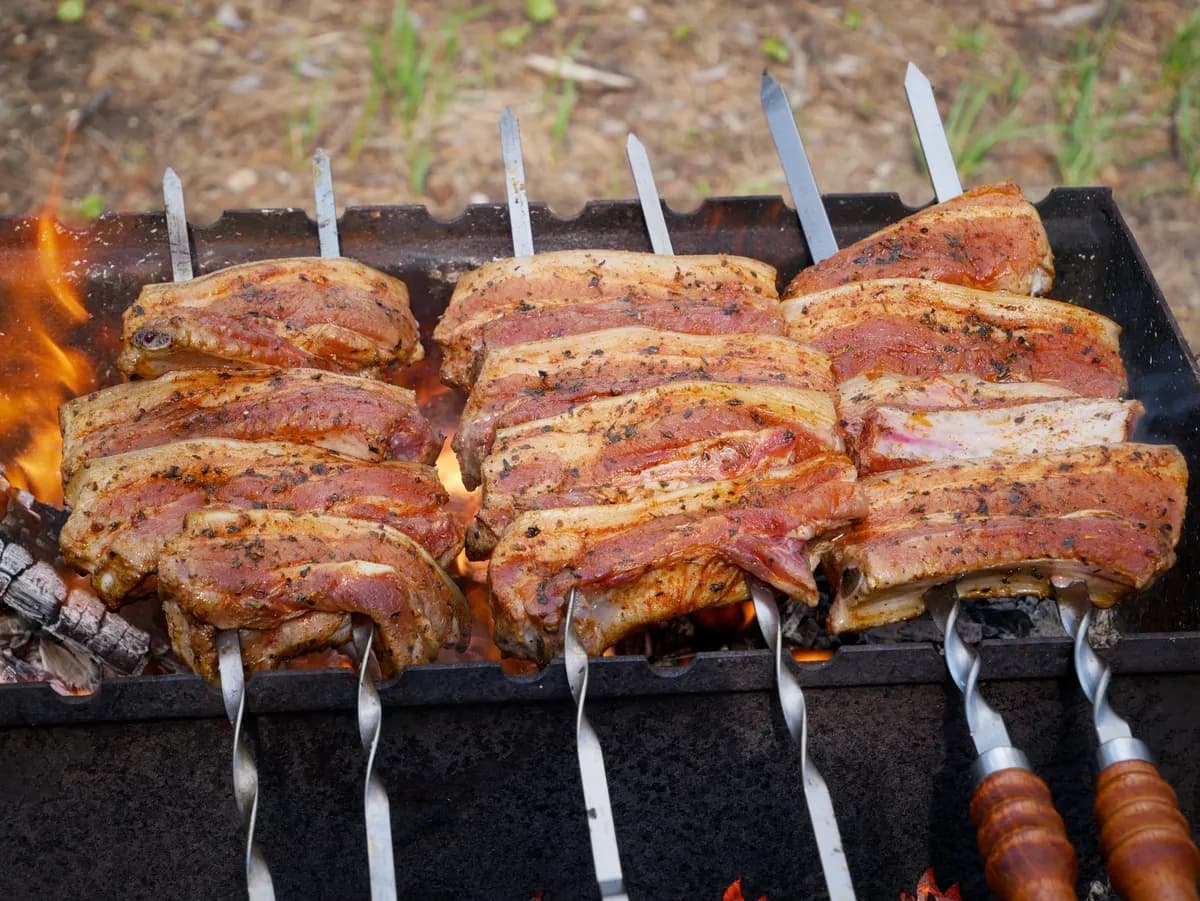
| Chicken cooked with garlic, onion, or salt | No | Those ingredients can be unsafe for cats |
| Fried chicken or chicken cooked in oil/butter | No | High fat and often seasoned |
| Deli chicken or processed chicken products | No | High sodium; often contain additives, preservatives, or flavorings |
If your cat has a medical condition such as pancreatitis, kidney disease, diabetes, or a known food allergy, talk to your veterinarian before offering chicken.
Raw Chicken and Pathogen Risk
Raw chicken should never be on the menu. Raw poultry can carry salmonella and campylobacter, bacteria that cause serious gastrointestinal illness in both cats and people. Cats can shed these bacteria even when they show no symptoms, which creates a risk for everyone in the household — especially young children, older adults, and anyone immunocompromised.
Cooking kills these pathogens; chilling does not. There is no nutritional benefit to raw chicken that outweighs the infection risk, and the idea that raw bones "clean" a cat's teeth or digestive tract is not supported by veterinary consensus. For a treat, fully cooked plain chicken is the safe choice.
Which Parts of the Chicken Are Off-Limits?
Think of a chicken as having several parts — only the plain cooked meat is shareable.
Bones are the biggest hazard. Cooked chicken bones become dry and brittle and splinter into sharp fragments that can get stuck in the throat, stomach, or intestines, causing pain, bleeding, and blockages that may require surgery. This applies to all poultry and animal bones. Remove every bone before serving, and never leave chicken on a counter or table where a cat can grab a piece with bones.
Skin and fat are too rich. Chicken skin is almost pure fat and often carries seasoning and salt. Even a small piece can trigger digestive upset, especially in cats prone to sensitive stomachs or pancreatitis.
Raw chicken is off-limits for the pathogen reasons above.
Seasonings, sauces, and marinades are where many chicken dishes become genuinely unsafe. Onion and garlic in any form — powder, fresh, or in a sauce — are toxic to cats and can cause anemia by damaging red blood cells. High salt can cause excessive thirst, dehydration, and sodium poisoning.
Processed chicken products — deli slices, nuggets, breaded chicken, sausage, or pre-seasoned breast — are poor choices: high in sodium, often with onion or garlic powder and other additives. If you want sliced chicken, choose a plain, low-sodium version and offer only a very small piece on rare occasions.
Breast vs Thigh
White meat (breast) is the better choice: it is leaner and easier on the stomach. Dark meat (thigh, drumstick) contains more fat, so stick with breast when sharing a treat. Either way, the same rules apply: no skin, no bone, no seasoning, fully cooked.
Can Chicken Replace Complete Cat Food?
No. Chicken alone is not a complete diet for a cat. Commercial cat food is formulated to meet AAFCO or FEDIAF nutritional requirements, including taurine, vitamins, minerals, and the right amino acid balance. Plain chicken muscle meat lacks several nutrients cats need in the long term, and an unbalanced homemade diet can cause serious deficiency diseases — including taurine deficiency, which affects the heart and eyes.
Chicken is a treat and should stay a treat. If you are considering a homemade or raw diet for your cat, that is a significant decision best made with your veterinarian or a board-certified veterinary nutritionist — not as a casual substitute for commercial food.
Allergy and Intolerance Considerations
Food allergies and intolerances are real in cats, and any protein — including chicken — can be a trigger. In fact, chicken and beef are among the more commonly reported food allergens in cats. Signs of an adverse food reaction can include:
- Itchy skin, especially around the head and neck
- Overgrooming or hair loss
- Chronic ear inflammation
- Vomiting or diarrhea after eating
- Changes in appetite or litter-box habits
If your cat shows any of these signs after eating chicken, stop offering it and talk to your veterinarian. The standard diagnostic approach for a suspected food allergy is a veterinary-supervised elimination diet — not guessing from a list of symptoms.
What to Do After an Unsafe Exposure
If your cat eats something risky — bones, raw chicken, or a seasoned dish — do not wait and do not panic. Contact your veterinarian immediately if you see:
- Choking, gagging, or pawing at the mouth
- Repeated vomiting or retching
- Diarrhea, especially with blood
- A hunched posture or straining
- Lethargy, weakness, or collapse
- No interest in food or water
If your cat swallowed a bone, time is critical: splinters and blockages can require emergency surgery. If your cat simply ate a larger piece of plain meat and seems fine, let your veterinarian know at your next opportunity. For anything that might involve garlic or onion, call your vet or an animal poison control line right away — those ingredients can cause delayed red-blood-cell damage, and early treatment matters.
Always supervise your cat when offering any new food. Remove every bone before serving, keep raw chicken away from your cat entirely, and never leave chicken unattended where a cat can reach it. If you notice vomiting, diarrhea, lethargy, or signs of choking after your cat eats chicken, contact your veterinarian right away.
Frequently Asked Questions
Can kittens eat chicken?
Kittens can eat small pieces of plain, fully cooked chicken, but their main focus should be a high-quality kitten food that meets their growth requirements. Treats should be even smaller for kittens because their calorie needs are precise. If in doubt, ask your vet before introducing treats to a kitten under six months old.
Can cats eat raw chicken?
No. Raw chicken carries a real risk of salmonella and campylobacter, which can make cats and humans sick. Cooking kills these pathogens; there is no benefit to raw chicken that outweighs the risk.
Can cats eat chicken bones?
No, never. Cooked chicken bones splinter into sharp fragments that can lodge in the throat, stomach, or intestines and may require emergency surgery. Remove every bone before offering any chicken.
Can cats eat chicken skin?
It is best to say no. Chicken skin is almost pure fat and often carries seasoning and salt. A tiny piece may cause no harm in a healthy cat, but the risk of digestive upset is high and the nutritional value is low.
Can cats eat fried chicken or nuggets?
No. Fried and breaded chicken is high in fat and almost always contains seasonings, salt, and sometimes onion or garlic powder — all poor choices for cats.
Can cats eat deli chicken?
Not a good choice. Deli chicken is heavily processed, high in sodium, and may contain onion or garlic powder. If you want sliced chicken, choose a plain, low-sodium version with no seasoning and offer only a very small piece on rare occasions.
Is chicken safe for cats every day?
Plain cooked chicken can be offered as an occasional treat, but it should not become a daily meal or a replacement for complete commercial cat food. Treats — including chicken — should stay under about 10 percent of daily calories.
My cat loves chicken. Does that mean it's good for them?
Enthusiasm is not a safety signal — cats love lots of things that are bad for them. Follow the preparation rules and keep chicken firmly in treat territory.
Key Takeaway
Yes, cats can eat chicken — plain, fully cooked, boneless, skinless, and unseasoned, in small pieces as an occasional treat. The four rules that matter: no raw meat, no bones, no skin or fat, no seasonings. Chicken should never replace your cat's complete and balanced food, and if your cat has a health condition or shows any signs of a reaction, your veterinarian is the best person to ask about your cat's individual needs.
Sources & Scientific References (3)
Share this guide
Help another cat parent find it.