
The short answer
Plain, fully cooked pork is safe for most cats to eat in small amounts. Pork is a source of protein, but it should be an occasional treat, not a replacement for your cat's regular, balanced diet. Choose lean cuts, cook them without added salt, oil, garlic, onions, or seasonings, and offer only thoroughly cooked meat. Raw pork is unsafe because it may carry parasites and bacteria. Heavily processed pork products like bacon, ham, and sausage are also unsafe for cats because they are high in sodium, fat, and preservatives. When introducing any new food, start with a tiny piece and watch your cat for signs of upset. If your cat has health problems such as kidney disease or pancreatitis, ask your veterinarian before offering pork.
Pork is a treat, not a meal replacement. Keep treats to less than 10% of your cat's daily calorie intake. For a 10 lb cat, that is about 20-30 calories. If you are unsure about your cat's calorie needs, consult your vet.
Is Pork Nutritionally Useful for Cats?
Pork is a complete protein, meaning it contains all ten essential amino acids cats need from food. It also provides B vitamins, including B12 and niacin, along with the minerals zinc and selenium. These nutrients support energy metabolism, muscle health, and immune function. However, pork does not naturally contain taurine at the same level as chicken or beef. Taurine is an essential amino acid for cats, and a deficiency can lead to heart and vision problems. Commercial cat foods are formulated to include taurine, so cats eating a balanced diet do not need pork to cover this requirement. Pork can still be a pleasant, protein-rich novelty, but its nutritional contribution is small compared with your cat's complete ration. If you want to add a cooked protein topper, plain chicken or turkey is usually a leaner, more appropriate choice for everyday use.
The Risk of Raw Pork
Raw pork is riskier than many other raw meats for cats. Pork can carry Trichinella parasites that cause trichinosis, a painful muscle infection. It may also contain Salmonella, Listeria, and E. coli, which can cause vomiting and diarrhea in cats and can spread to people in the home. Cats are not more resistant to these pathogens than humans are; they can develop serious gastrointestinal infections that require veterinary treatment. Freezing pork does not reliably kill parasites, so freezing is not a safe preparation step. The USDA recommends cooking pork to an internal temperature of 145°F (63°C) followed by a three-minute rest. For a cat's meal, it is wise to cook pork well beyond that, to at least 160°F (71°C). Thoroughly cooked meat with no pink sections is the only safe way to serve pork to a cat. Never give raw pork, including raw pork bones, because they can splinter and cause tears or blockages in the mouth, throat, or intestines.
How to Cook Pork for Your Cat
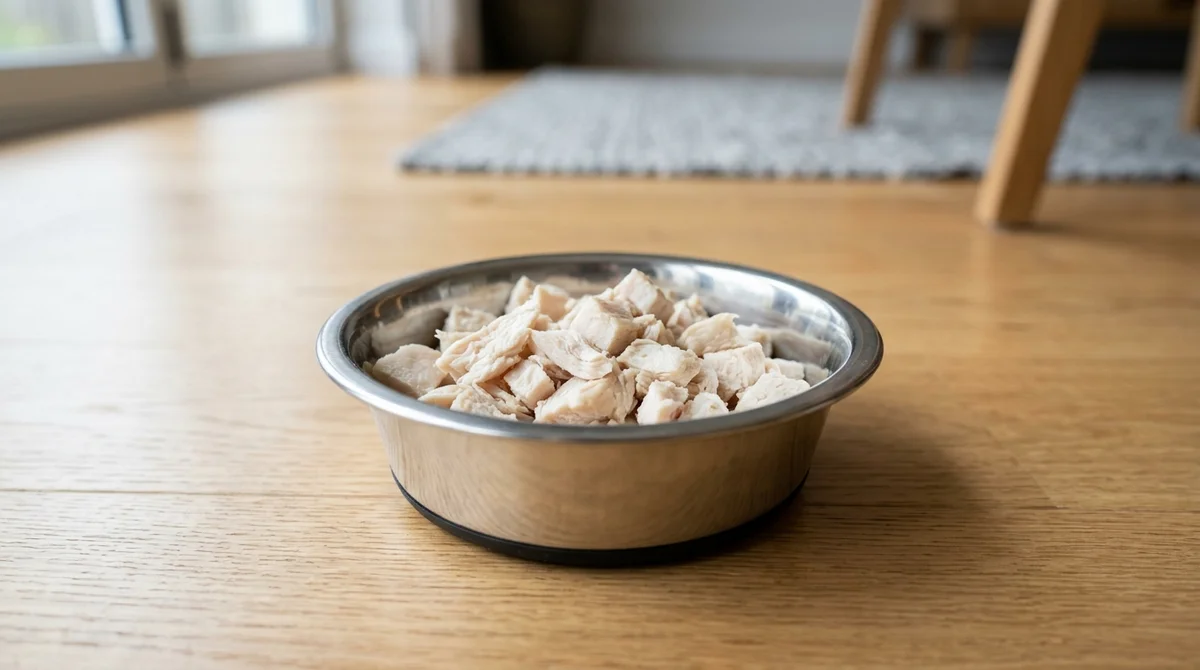
To prepare pork safely for a cat, choose a lean cut such as pork tenderloin or loin chops. Remove any visible fat before cooking, since excess fat can trigger digestive discomfort or an inflamed pancreas. Cook the pork by boiling, steaming, or baking without seasoning. Do not use butter, oil, or shared pans that may contain garlic or onion residues, because onions and garlic are unsafe for cats and can damage red blood cells. After the pork is fully cooked and rested, allow it to cool and cut it into small, pea-sized chunks. This reduces choking risk and makes it easier for the cat to eat. Serve a tiny portion as a treat, perhaps mixed into your cat's food or offered from your hand. If you are reheating leftover pork, heat it until it is steaming hot before cooling and serving; never serve cold, greasy pork. Refrigerate leftovers in a sealed container and use them within two days. Do not leave pork out at room temperature for longer than two hours.
Portion Size: How Much Pork Is a Treat?
Portion size is the most common place where cat owners go wrong. Treats, including pork, should not contribute more than 10% of a cat's daily calorie intake. For an average indoor cat weighing 10 pounds, that is around 20 to 30 calories every day. A single tablespoon of cooked pork has about 30 calories, so a generous tablespoon is the upper limit for a whole day. Most cats will do fine with less. The amount should be smaller for kittens, overweight cats, or cats that rarely exercise. The table below offers starting points, but your own cat's needs may differ.
| Cat weight | Approx. daily calories | Max pork treats per day |
|---|---|---|
| 8 lb (3.6 kg) | 200-220 kcal | 1/2 tablespoon (15 kcal) |
| 10 lb (4.5 kg) | 220-260 kcal | 1 tablespoon (30 kcal) |
| 12 lb (5.4 kg) | 260-300 kcal | 1.5 tablespoons (45 kcal) |
These numbers are rough estimates and should not replace veterinary guidance. If your cat is on a weight-loss plan or has a medical condition, ask your veterinarian for specific calorie recommendations. In general, a small bite or two of pork a few times per week is safer than a daily treat. The majority of your cat's calories should always come from a complete and balanced commercial cat food.
Pork Products That Are Unsuitable: Bacon, Ham, and Sausage
Not all pork is equal. Bacon, ham, prosciutto, salami, chorizo, and sausages are cured or seasoned pork products, and they are not appropriate treats for cats. These foods contain extremely high amounts of sodium, sometimes more than a cat should consume in a week. A large sodium load can cause excessive thirst, dehydration, and, in severe cases, sodium ion poisoning, which is an emergency. They also contain nitrates and nitrites, preservatives that can cause stomach upset or allergic reactions. The fat in bacon and sausage is heavy and can lead to pancreatitis, a painful and sometimes serious inflammation of the pancreas. Ham often contains added sugar and spices such as garlic or onion powder, which are unsafe for cats. Even 'low-sodium' ham is still too salty for a cat, because the labeling standards are designed for humans. Even a small slice of bacon can provide more fat and salt than a cat needs, so keep cured pork products away from your cat entirely.
Signs Your Cat Ate Too Much Pork or an Unsafe Product
If your cat eats a large amount of plain pork, or sneaks a bite of bacon or deli meat, watch the cat closely for the next 24 hours. Common signs of a problem include vomiting, diarrhea, lethargy, reduced appetite, or drinking more water than usual. These signs can appear within a few hours or slowly over a day. A high-fat meal, such as a piece of sausage, may trigger pancreatitis, with signs such as repeated vomiting, belly pain, and a hunched posture. If the pork is heavily salted, your cat might develop tremors or weakness; this indicates a serious salt load that requires urgent veterinary care. Contact your veterinarian right away if your cat seems unusually sick, cannot keep water down, or shows any neurological signs. Do not try to induce vomiting at home unless a professional instructs you to do so. If you are uncertain whether a symptom is serious, a quick phone call to your vet's office is always a good idea.
Kittens, Seniors, and Cats With Health Issues
Kittens have different nutritional needs than adult cats. They require a high-energy diet with precise calcium-to-phosphorus ratios, so pork treats are unnecessary and can interfere with their growth. It is safer to avoid pork treats until a kitten is at least six months old and eating a complete kitten formula. Senior cats often have kidney, heart, or joint conditions that make high-sodium treats like pork unsuitable. Cats with a history of pancreatitis, food allergies, or inflammatory bowel disease are also not ideal candidates for pork. If you share a home with more than one cat, remember that a senior cat with a sensitive stomach may not handle pork even if the healthy adult cat does. Always observe each cat individually after introducing a new treat, and keep veterinary advice above internet opinions.
Frequently Asked Questions
Can cats eat pork bones?
No. Cooked pork bones splinter easily and can cause mouth injuries, choking, or intestinal blockages. Raw bones also carry a risk of bacteria and can crack teeth. Avoid all pork bones.
Is ham okay as a rare treat?
Ham is unsafe as a regular treat. It is very high in sodium and often contains added sugar, preservatives, and seasonings that can upset a cat's stomach or lead to salt poisoning. A tiny nibble may not harm a healthy adult cat, but there is no nutritional benefit.
Can pork cause allergies in cats?
Some cats are allergic to pork. Signs include itching, hair loss, ear infections, or vomiting after eating pork. If you notice these signs, stop offering pork and talk to your vet about an elimination diet.
Is pork safer than chicken for cats?
No. Chicken is generally lower in fat and less likely to cause digestive upset. Pork can be included as an occasional treat, but plain chicken or turkey is a better first choice for most cats.
Should pigs' ears be given to cats?
Pigs' ears are high in fat and can be hard to chew. They also carry a risk of bacterial contamination. They are not a safe treat for cats.
Key Takeaway
Plain, fully cooked pork is safe for healthy cats in small, infrequent amounts. Always choose lean cuts, cook without seasonings, and cut the meat into tiny pieces. Treats should stay under 10% of your cat's daily calories. Avoid raw pork, bacon, ham, sausage, and pork bones, as these carry serious health risks. When in doubt, your cat's regular commercial food is the most reliable way to meet all nutritional needs. If you decide to offer pork, watch your cat for any signs of digestive upset before making it a habit.
Check a food before you guess
Search the PurrWise food checker for a specific ingredient and review the recommended safety action.
Share this guide
Help another cat parent find it.