The short answer
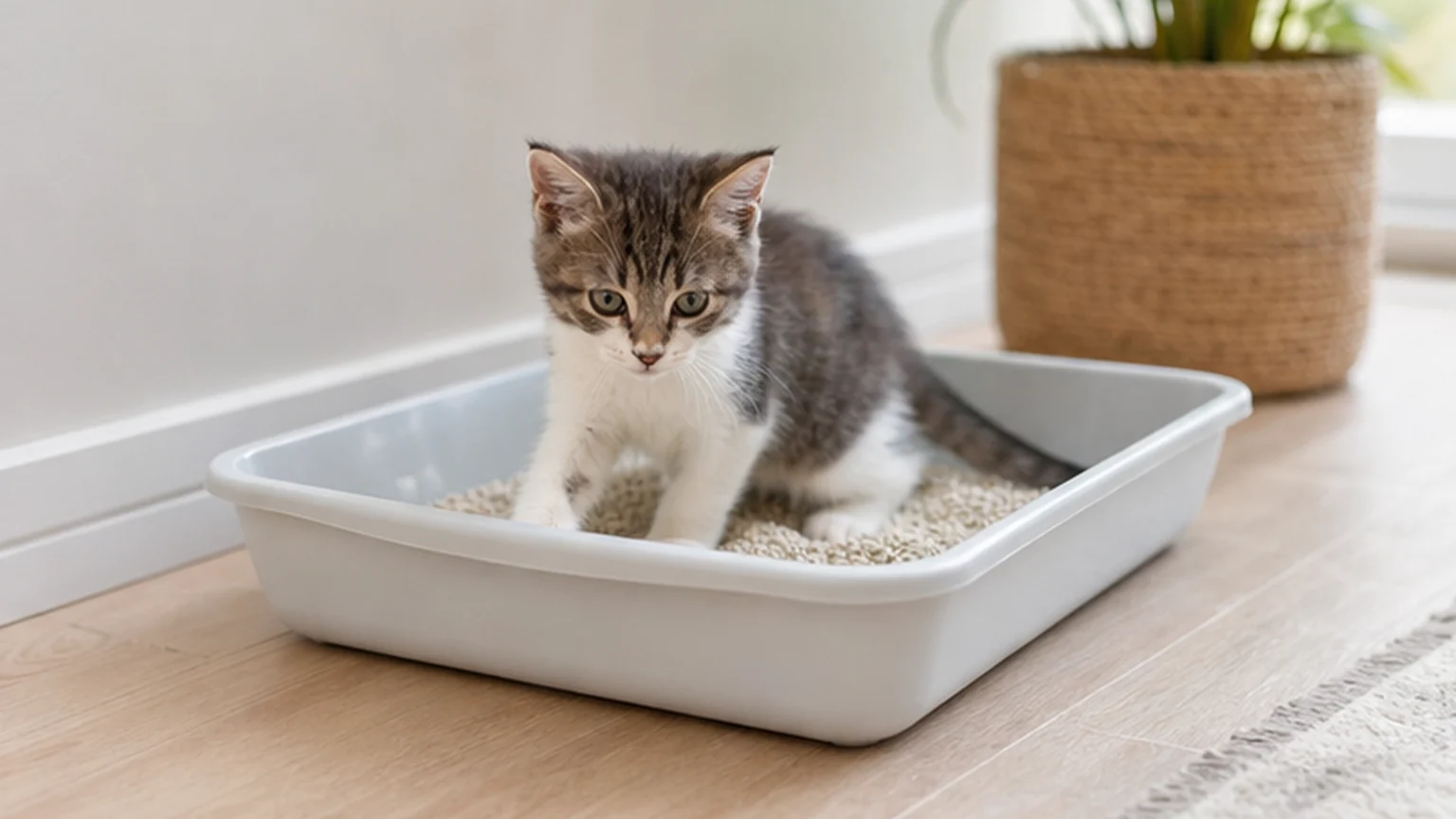
Kittens are naturally inclined to dig and eliminate in soft, loose material, so litter training is less about teaching and more about setting up the right conditions. Start your kitten on litter as soon as they arrive home — usually around 8 to 10 weeks old — using a shallow, low-sided box filled with unscented, clumping clay litter. Place the box in a quiet, accessible spot away from food and water, and gently place your kitten in the box after meals, naps, and playtime. With patience and consistency, most kittens get the hang of it within a week or two.
When to Start Litter Training
Kittens can begin litter training as soon as they are old enough to walk steadily, typically at 3 to 4 weeks old. By the time they go to a new home at 8 to 10 weeks, they usually already have strong instincts to dig and bury. If you're adopting a kitten younger than this, you may need to gently stimulate elimination with a warm, damp cloth and then place them in the litter box — but for most new owners, the process is simple.
Start training immediately when you bring your kitten home. The first 24 to 48 hours are critical because a kitten will often choose a preferred spot early on. If you delay, they might pick a corner behind the couch instead. Also, check with the shelter or breeder about what litter they've been using. Using the same substrate initially can ease the transition.
Choosing the Right Box and Substrate
The right equipment makes all the difference. For a kitten, choose a box with sides that are low enough for them to step over easily — around 2 to 3 inches tall. Many owners use a small, disposable cardboard tray or a baking pan as a starter box. Avoid covered boxes at first, as they can trap smells and feel intimidating to a tiny kitten.
For substrate, unscented, clumping clay litter is the most widely accepted option. Kittens prefer a texture like soft sand or fine granules. Avoid litters with strong scents, as these can deter a kitten from using the box. Also, always choose a low-dust formula; kittens are still developing their respiratory systems, and dusty litters can irritate their airways. Never use crystal or pellet litter for a very young kitten — the larger pieces can be uncomfortable on tiny paws.
When changing or cleaning the litter box, avoid strong-smelling cleaners like bleach or ammonia-based products. These odors can overwhelm a kitten's sensitive nose and actually encourage them to avoid the box. Use a mild dish soap or a specialized odor-neutralizing cleaner that is safe for cats, and rinse thoroughly with water.
Litter depth matters too. Start with just 1 to 2 inches of litter. Deep litter can discourage a young kitten, and a shallow layer feels more natural for them to scratch and dig.
Where to Place the Litter Box (and How Many)
Location is as important as the box itself. Cats are vulnerable when they eliminate, so they need a spot that feels safe and private. Avoid high-traffic areas, loud appliances, and spots near their food and water bowls. A quiet corner of the bathroom, laundry room, or a low-traffic hallway is ideal.
If you have a multi-level home, place at least one litter box on each floor. For kittens, start with the box in a small, confined area like the room where they spend most of their first days. Once they consistently use it, you can gradually move it to a permanent location. Never place the box next to a washing machine or dryer — the sudden noise can startle your kitten and create a negative association.
Also, consider the "one plus one" rule: have one litter box per cat plus one extra. If you have a single kitten, two boxes are still helpful, especially if you live in a larger home. More options mean fewer accidents.
The Step-by-Step Training Routine
Follow this simple routine to build a reliable habit:
- Confine first, expand later. For the first few days, keep your kitten in one room with their litter box, food, water, and a bed. This prevents them from wandering off and choosing an undesirable spot.
- Use timing cues. Take your kitten to the litter box after every meal, nap, play session, or when they wake up. These are the times when a kitten's bladder and bowels are most likely to need emptying.
- Watch for signs. If your kitten starts sniffing the floor, circling, or crouching, gently pick them up and place them in the box. Do this calmly and without startling them.
- Let them dig and bury. A kitten will usually scratch, turn, and then eliminate. Afterward, they may try to bury it. That's a good sign — don't interrupt.
- Never punish. If you find an accident, simply clean it up with an enzymatic cleaner. Yelling or rubbing a kitten's nose is cruel and counterproductive; it will only increase anxiety, which can lead to more accidents.
- Praise softly. When your kitten uses the litter box successfully, offer a gentle, quiet "good kitty" or a small treat. Positive reinforcement helps them link the behavior with a reward.
Be patient. Even a well-trained kitten may have occasional lapses during their first weeks in a new home. Most cats become reliable within one to two weeks.
Troubleshooting Common Litter Box Problems
If your kitten is not using the litter box, check the simple things first. Is the box clean? Is the litter too deep or too scented? Is the box in a noisy or exposed location? Kittens have strong preferences, and small changes can make a big difference.
One common issue is substrate preference. A kitten raised on a different material, such as paper pellets or shredded newspaper, may take a few days to accept a new litter. Mix the old and new litters gradually to ease the transition.
Urinating or defecating just outside the box often signals that the box is too tall, too small, or the litter is uncomfortable. In multi-cat homes, a kitten might feel intimidated by an older cat guarding the box. Provide separate, escape-friendly boxes in different locations.
If accidents persist for more than a few days, or if your kitten seems to strain, cry, or urinate frequently with no success, this may be a medical issue that needs a veterinary visit. Never assume a kitten is being spiteful; in the vast majority of cases, there's an underlying reason.
Cleaning and Maintenance for Success
A clean environment is the cornerstone of litter training. Cats have an excellent sense of smell, and a dirty box is one of the top reasons for avoidance. Scoop the box at least once a day, and ideally twice if you're home. Replace the entire litter and wash the box with mild soap and warm water every one to two weeks, or more often if it has an odor.
Avoid using harsh chemicals when cleaning. Bleach and strong disinfectants can leave residues that irritate a kitten's paws, and the smell can linger even after rinsing. Also, consider using a litter mat in front of the box to catch tracking litter and keep your floors tidy.
If you have multiple litter boxes, place them in different quiet locations rather than side by side. Cats see each box as a separate resource. Provide trash bags or a dedicated bin for scooping to keep the routine easy and hygienic for you.
Litter Training Checklist
| Task | Frequency | Notes |
|---|---|---|
| Place kitten in litter box after meals, naps, play | Each time | Use gentle, quiet handling |
| Scoop solid waste | Daily | At least once a day |
| Replace litter completely | Every 1–2 weeks | Use mild soap to wash the box |
| Check box depth and substrate | Weekly | Keep at 1–2 inches, unscented clumping clay |
| Wipe up accidents | Immediately | Use an enzymatic cleaner |
| Add extra boxes for multi-level homes | Once | One per floor, plus one extra |
| Change gradually if switching litters | Over 3–5 days | Mix old with new litter slowly |
Frequently Asked Questions
How long does it take to litter train a kitten?
Most kittens will use the litter box reliably within one to two weeks if you are consistent. Some learn in just two or three days, especially if they came from a home that already used the same litter type.
What should I do if my kitten ignores the litter box and goes on the floor?
First, clean the spot thoroughly with an enzymatic cleaner so the scent doesn't linger. Then place the kitten in the litter box and stay with them until they settle down. Look for possible causes like a dirty box, bad location, or an intimidating box design.
Can I use a covered litter box for a kitten?
It's best to start with an uncovered, low-sided box. Covered boxes can trap odors and make a small kitten feel cornered. Once your kitten is comfortable and fully trained, you can try a covered version if your cat prefers it.
Is clumping litter safe for kittens?
Yes, unscented, low-dust clumping clay litter is generally safe for kittens old enough to be weaned (around 4 weeks and up). Avoid crystal or chunky pellet litters for very young kittens. If you worry about ingestion, supervise early sessions, but most kittens only taste a small amount and quickly learn it's not food.
How many litter boxes do I need for one kitten?
A good rule is one box per cat, plus one extra — so two boxes for a single kitten. This gives your kitten options if one is dirty or in an undesirable location.
Key Takeaway
Litter training a kitten comes down to creating the right environment: a low-sided box with unscented clumping litter in a quiet, spaced-out location. Use routine, gentle placement, and consistent cleaning to reinforce the habit. With patience and a predictable setup, your kitten will confidently use their litter box in no time — setting the stage for a clean and happy life together.
Share this guide
Help another cat parent find it.