The short answer
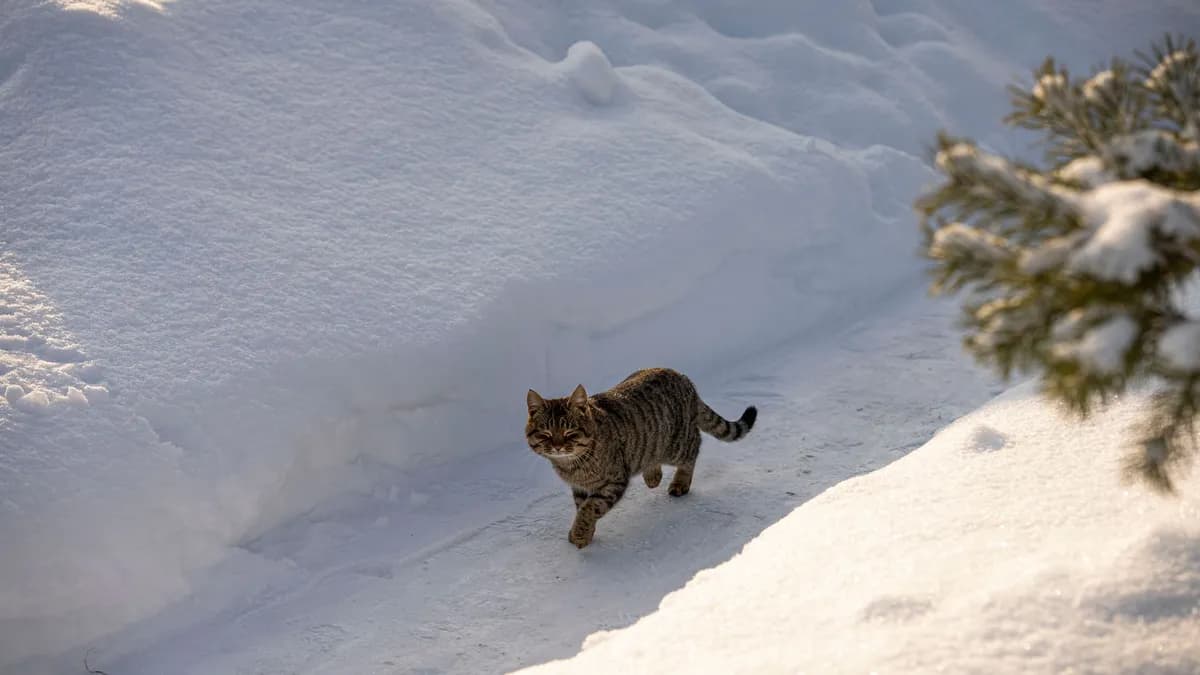
Outdoor cats can survive winter, but they shouldn't have to face it without help. You can keep them safer by providing three essentials: a dry, insulated shelter; a steady supply of unfrozen water; and extra food for warmth-making energy. No cat—stray, feral, or owned—is fully protected from extreme cold, and the most reliable way to keep a cat safe in winter is to bring them indoors when you can. When that isn't possible, a well-built shelter and a quick daily check make the difference between a cat merely coping and a cat in real danger.
Why cold weather is dangerous for cats
Cats are excellent at finding warm spots, but they have limits. A cat's normal body temperature sits around 100–102.5°F (38–39°C), and when the mercury drops, their body burns extra energy just to hold that temperature steady. The two biggest winter threats are hypothermia—a dangerously low body temperature—and frostbite, which most often damages ears, paw pads, and tail tips.
Wet weather is especially dangerous. A soaked coat loses almost all of its insulating ability, which is why a rainy 40°F day can be riskier than a dry 20°F day. Windchill matters for cats the same way it does for people. Young kittens, senior cats, and cats with existing health problems are the most vulnerable, and short-coated breeds such as Siamese and Devon Rex feel the cold sooner than heavily coated breeds. Even a healthy adult cat is safer inside when temperatures stay below freezing for long stretches.
The first decision: inside or out?
Before building anything, ask yourself whether the cat really needs to stay outside. If the cat is yours, winter is the season to make every effort to bring them indoors—a garage, mudroom, or bathroom beats the best outdoor shelter. If the cat is a community or feral cat, trapping them on a cold night is stressful and risky, so shelter support is usually the more practical approach. Either way, the goal is the same: dryness, warmth, and protection from wind and wet.
Build a shelter that holds body heat
The single most helpful thing you can do is give outdoor cats a shelter that stays dry, blocks wind, and traps body heat. Size matters more than people expect: a small space warms quickly, while a large space swallows a cat's body heat. A good rule of thumb is a shelter about two feet wide, three feet long, and at least 18 inches tall.
Shelter checklist
| Feature | Target | Why it matters |
|---|---|---|
| Size | Roughly 2 ft × 3 ft, at least 18 in tall | Small spaces trap a cat's body heat; oversize shelters stay cold |
| Height off the ground | 2–3 inches (cinder block or pallet) | Keeps moisture and cold from rising through the floor |
| Insulation | 3–4 inches of straw packed in walls and floor | Straw resists moisture and traps air; hay molds and compresses |
| Bedding | Straw, not towels or blankets | Towels absorb moisture, freeze, and turn into ice slabs |
| Door | 5–6 inch opening, set to one side | A side door blocks wind from blasting straight into the shelter |
| Wind protection | Place against a wall, porch, or shed, door facing away from prevailing wind | Cuts windchill and keeps snow from piling into the entrance |
| Weatherproofing | A plastic tarp or lid over the top and sides | Adds a waterproof layer and keeps the interior dry |
| Heating (optional) | A pet-safe heated pad rated for outdoor use | Supplies warmth on extreme nights—never use a human heating pad |
When the shelter is finished, check it daily. Straw can become damp, snow can block the door, and a heated pad can fail or develop a chewed cord. Replace damp straw and clear the entrance quickly; these small fixes are what keep the shelter functional all winter.
Water: frozen is not an option
Water is often the hardest resource to maintain in winter, because every source eventually freezes. Dehydration is a real winter risk, and a dehydrated cat tolerates cold far worse. Check water bowls at least twice a day and refresh with warm—not hot—water. A deep bowl with a wide opening freezes more slowly than a shallow one, and a dark rubber bowl absorbs more heat than a thin metal dish. If you have electricity available, a heated pet bowl solves the problem for the whole season. And remember: snow is not a substitute. A cat licking snow is a thirsty cat, and eating snow actually lowers body temperature.
Food: more energy for the cold
Cats burn noticeably more calories in winter just to stay warm, so they need more food. In freezing weather, increasing portions by about a quarter is a reasonable starting point. Canned food supplies valuable moisture, but it freezes fast, so feed it in small portions and remove anything uneaten within 30 to 45 minutes. Dry food tolerates cold better and can be left longer, though it provides less moisture. Insulated bowls slow freezing, and placing food in a sheltered spot—but away from the sleeping shelter—protects it from snow and keeps the shelter cleaner and calmer for rest.
Know the warning signs of cold stress
Cats hide discomfort well, so by the time a cat looks obviously distressed, they may be in serious trouble. During cold spells, keep an eye out for:
- Shivering that won't stop
- Pale, gray, or waxy-looking ears, nose, or paw pads
- Lethargy or a cat that is unusually still or hard to rouse
- Stumbling, confusion, or shallow, slow breathing
- Ears and paws that feel noticeably cold to the touch
If you suspect frostbite or hypothermia, do not rub the affected tissue, do not use hot water, and do not place the cat on a heating pad. Rapid warming can cause shock and worsen tissue damage. Move the cat into a warm, quiet room, offer a dry towel to lie on, and contact a veterinarian immediately. Frostbite and hypothermia are medical emergencies—treatment belongs to a veterinary professional.
Hidden winter dangers to check
Cold isn't the only winter threat. Four dangers deserve special attention:
-
Car engines. Cats—especially strays—sometimes crawl under the hood for warmth. Bang on the hood or honk the horn before starting the car on cold mornings. This one small habit saves lives every winter.
-
Antifreeze. Ethylene glycol antifreeze smells and tastes sweet to cats, and it is extremely toxic. Even tiny amounts can be fatal. Store it out of reach, clean spills completely, and consider antifreeze labeled as safer for pets.
-
Ice melt and rock salt. These irritate paw pads, and some contain chemicals that are harmful if licked and groomed off. If the cat comes indoors, wipe their paws; choose pet-safe deicers where possible.
-
Sheds and garages. A cat may slip in for warmth, then get trapped overnight. Check sheds, garages, and porches before closing them up, and keep them slightly ajar or thoroughly check them before locking.
Community cats and winter feeding
If you care for a feral or community cat colony, the same shelter, water, and food principles apply. Place shelters in quiet, discreet spots, and keep feeding areas separate so sleeping areas stay dry and calm. When extreme cold hits, postpone non-urgent trapping: trapping is stressful, and surgical recovery in freezing temperatures adds real risk. Shelters and consistent feeding matter more right now.
Frequently Asked Questions
How cold is too cold for an outdoor cat?
There's no single cutoff, but risk climbs sharply once temperatures stay below freezing (32°F / 0°C), especially with wind or moisture. Kittens, seniors, and sick cats are endangered at milder temperatures, too.
Is straw or hay better for an outdoor cat shelter?
Straw, without question. Straw repels moisture and keeps its insulating shape; hay absorbs moisture, molds quickly, and compresses into a cold mat.
Should I bring my own cat indoors in winter?
Yes. Indoor living is always the safest option, and most cats adapt quickly. If a cat absolutely refuses to stay indoors, provide the best shelter you can and check it daily.
Can outdoor cats get frostbite?
Yes. Ears, paw pads, and tail tips are most vulnerable. Signs include pale, waxy, or cold-feeling tissue. Any suspected frostbite is a veterinary emergency.
Key Takeaway
Winter doesn't have to be a survival test for outdoor cats, but it demands preparation. A dry, straw-stuffed shelter, unfrozen water, and extra food cover the basics; daily checks catch problems before they turn serious. Know the warning signs of cold stress, eliminate hidden dangers like antifreeze and car engines, and whenever possible, give a cat the warmest shelter of all: indoors. A few minutes of effort each day can be the difference between a cat enduring the season and a cat thriving through it.
Share this guide
Help another cat parent find it.