The short answer
Why is my cat a picky eater? The honest answer is: it depends on the cat. Finicky eating in cats is usually a mix of biology, habit, environment, and food presentation. Cats rely heavily on smell, prefer certain textures and temperatures, and often dislike sudden changes. But a cat who stops eating or loses weight deserves a veterinary visit before you try any feeding tricks.
A cat's senses are wired differently
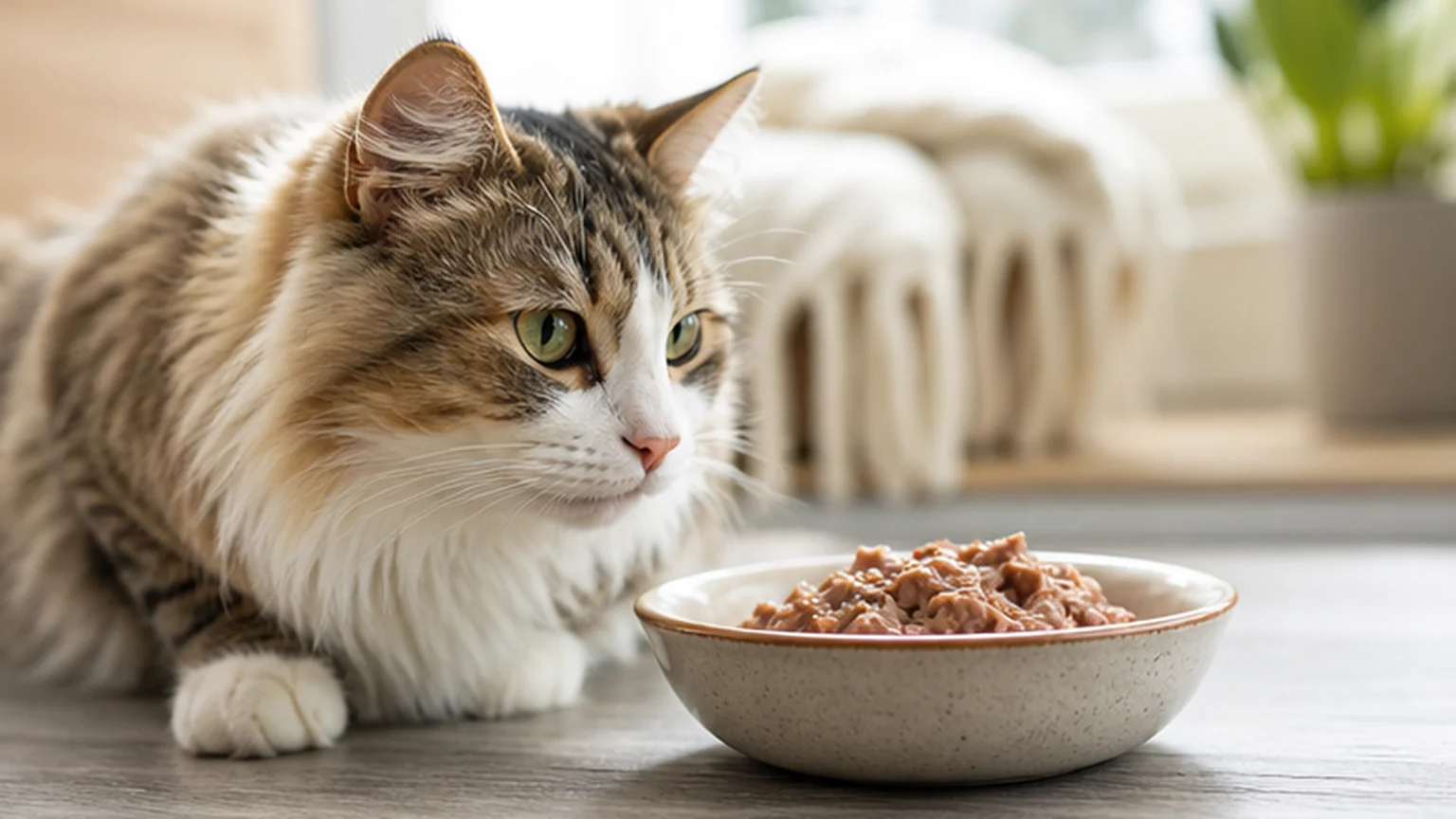
Cats are obligate carnivores, and their senses evolved for hunting small prey. They have far fewer taste receptors than humans and depend much more on aroma. If food has a weak smell, a cat may ignore it even if the taste is fine. That is why many cats eat more eagerly when wet food is gently warmed: warmth releases aroma.
Texture also matters. Some cats like smooth pâté, others want chunks in gravy, and a few will only eat dry kibble. Temperature plays a role too. Many cats avoid food that is straight from the refrigerator because cooled food has a weaker smell and a different mouthfeel. Out of the can or pouch, food may also smell more appealing than food that has been sitting on a plate for a while.
Cats also have a strong memory for food that has made them feel unwell. If a new recipe is introduced too quickly and a cat has a sensitive stomach, the cat may link that smell with an upset stomach. This kind of conditioned food aversion can make a cat seem extremely picky about a particular brand or flavour for weeks or months.
Behavioral reasons cats become picky
- Sudden brand or recipe changes. Cats are often wary of new foods. A sudden switch to a new brand can look like full-blown fussiness.
- Bowl or feeding station issues. Narrow, deep bowls can brush against whiskers. A bowl placed near a loud appliance, another pet, or a busy walkway can make meals stressful.
- Too much food variety. Offering a new flavour every time a cat refuses dinner can teach the cat that holding out leads to a 'better' option. This is learned behaviour, not spite.
- Inconsistent meal times. Cats are creatures of routine. Free-flowing food that is always available can turn a cat into a grazer, and then the cat shows little interest at set mealtimes.
- Stress. Moving homes, new pets, construction noise, a dirty bowl, or even a change in the human's schedule can suppress appetite.
When 'picky' might actually be a medical concern
Food refusal can become dangerous for cats quickly because they are prone to a condition called hepatic lipidosis if they go too long without eating. The strict rule is simple: a cat who has stopped eating entirely, or who refuses food for more than 24 hours, needs prompt veterinary care. Also watch for weight loss, vomiting, diarrhea, drooling, pawing at the mouth, bad breath, lethargy, or changes in thirst. Dental disease, nausea from kidney disease, pancreatitis, gastrointestinal problems, and many other conditions can masquerade as picky eating.
If your cat is eating nothing at all, eating less while losing weight, or showing signs such as vomiting, diarrhea, lethargy, or pain, do not wait to 'see if she starts eating'. Make an appointment with your veterinarian immediately, especially if food refusal has lasted more than 24 hours.
How can you tell behavior from a medical issue? A cat who happily eats treats but ignores the regular meal is often being selective. A cat who ignores even favorite foods, or who has a major habit change, is a different story.
Behavioral versus medical: a quick reference
| Sign | Likely behavioral | Likely medical |
|---|---|---|
| Eats treats, ignores the main meal | ✅ | ❌ |
| Refuses only new flavours, eats familiar food fine | ✅ | ❌ |
| Stopped eating after a change in home, pet, or routine | ✅ | ❌ |
| Refuses all food, including favourite treats | ❌ | ✅ |
| Weight loss without trying to lose weight | ❌ | ✅ |
| Drooling, pawing at mouth, bad breath | ❌ | ✅ |
| Vomiting or diarrhea with decreased appetite | ❌ | ✅ |
| Picky but otherwise active, playful, bright | ✅ | ❌ |
This table is a general guide, not a checklist. When in doubt, choose the safest option: ask your veterinarian.
How to help a picky cat enjoy meals
- Make a vet appointment first. If health issues are ruled out, you can confidently work on behavior.
- Set a consistent schedule. Two to four meals a day at roughly the same times help a cat anticipate food. Remove uneaten food after 20 to 30 minutes, but never fast a cat for more than 24 hours.
- Serve food at room temperature or gently warmed. Warming wet food for about 10 seconds in the microwave, after stirring it well, boosts the aroma. Do not serve food hot.
- Try a different texture. If your cat avoids pâté, try shredded, sliced, or chunks in gravy. Dry kibble is another texture option.
- Use a wide, shallow bowl that does not touch the whiskers, and place it in a calm, quiet spot away from the litter box and other pets.
- Separate food and water. Some cats prefer their water bowl not right next to their food bowl.
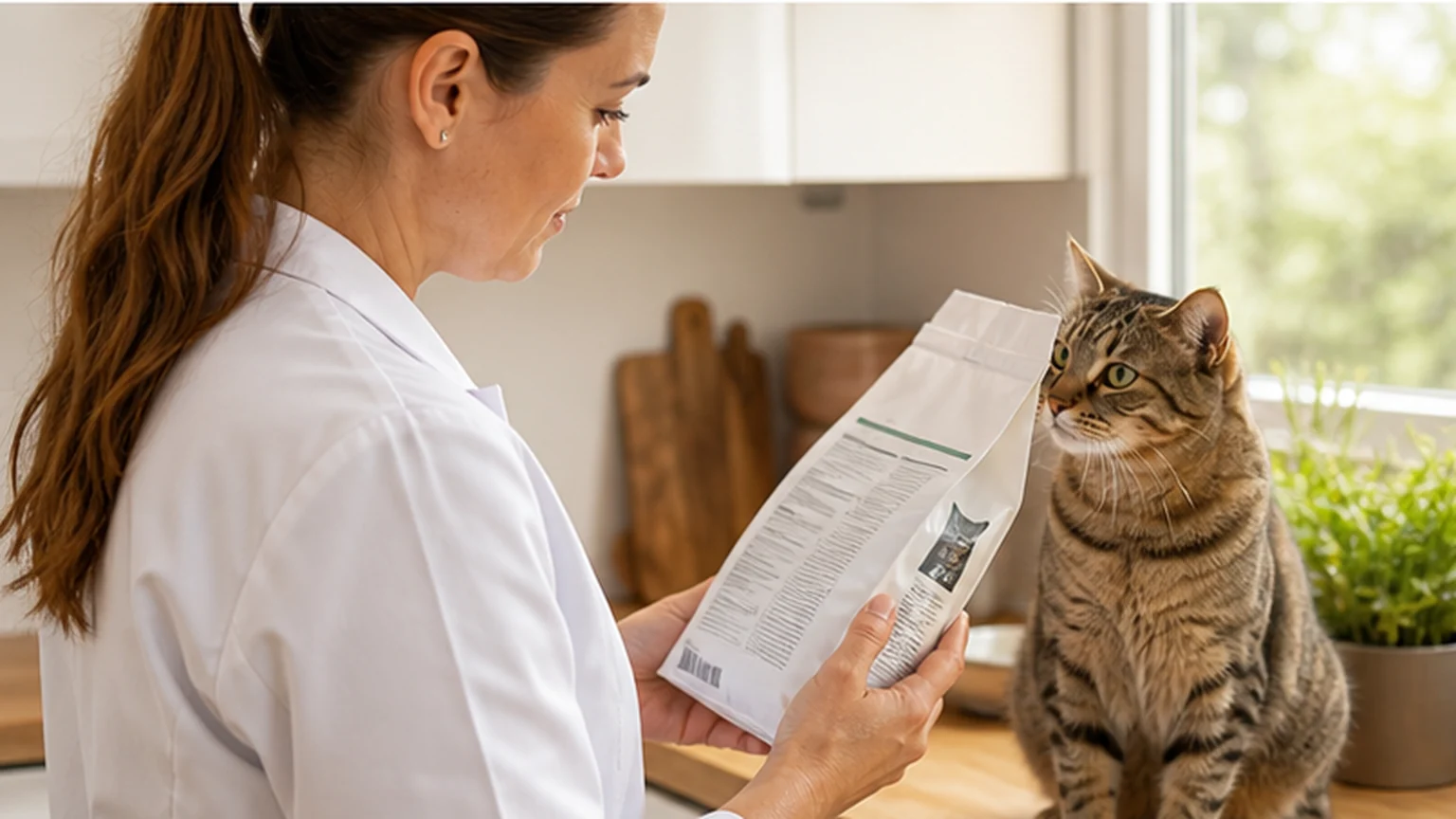
- Switch foods gradually. If you need to change food, mix the new food into the old over seven to ten days, increasing the ratio slowly. A cat who suddenly catches a whiff of something unfamiliar may refuse the whole meal.
- Keep treats low-key. Treats, table scraps, and an open can in the house can all create expectations. Keep them rare, and avoid giving a novel treat immediately after a meal is refused.
The role of free feeding and routine
Many pet parents free-feed, leaving a bowl of kibble down all day. This can make a cat a nibbler rather than a meal-eater. When people then try to introduce scheduled meals, the cat seems to refuse food because she is not hungry at the set time. If your cat is 'picky' only when you try to change her schedule, she may not actually be fussy—she may simply be used to eating whenever she wants.
Scheduled feeding has another advantage. It lets you notice appetite changes. A cat who devours every meal and suddenly walks away may be signaling a problem. Routine also builds trust: a cat learns that dinner will arrive at the same time each day, which reduces stress around food.
Consider how the food is offered, too. Some cats prefer to eat from a small plate or a raised dish. Others are wary if they have to back into a corner, or if another cat can approach from behind. The right setup is quiet, low traffic, and private enough for the cat to relax.
What not to do with a picky cat
Do not punish, force-feed, or squirt food into a cat's mouth. Do not 'starve the cat into eating'. Cats are not dogs or children; a day or two without food can lead to serious liver problems. Do not open a parade of new cans after every refusal, because that reinforces the cat's belief that waiting brings a more interesting meal. Do not switch to an unbalanced diet just because the cat will eat it. And do not ignore weight loss that accompanies pickiness.
If you are trying a new food, give the cat a quiet tasting experience. Put a small amount on a wide saucer, let her sniff it, and walk away. Slow, patient introductions often work better than forcing a bowl into a cat's face.
Frequently Asked Questions
Is it okay to just feed my cat the one food she will eat?
If the food is a complete and balanced commercial cat food labeled for cats, and the cat is otherwise healthy, offering it consistently is fine. It is not okay if the only food she will accept is a treat, restaurant tuna, or baby food, because those lack the balance of nutrients cats need.
Why does my cat eat nothing for two days then eat normally?
Some cats naturally eat small amounts at a time, but a cat who truly refuses food for more than 24 hours should be evaluated by a veterinarian. Mixed eating days can also be caused by stress, boredom, or a sensitive stomach, but appetite changes deserve a professional check.
Can dental disease make my cat act picky?
Yes. Dental disease is a common reason cats stop chewing dry food or suddenly refuse meals. If the cat also has drooling, red gums, bad breath, or shows pain while eating, ask the vet to check the mouth.
Do cats get bored of the same flavour?
Many cats prefer familiarity and can be suspicious of new smells, while others accept variety easily. If you want to vary foods, do it slowly and keep the base familiar. Cats are not usually 'bored' in the human sense; they are often more cautious about what is unfamiliar.
Key Takeaway
Picky eating in cats is almost never a personal rejection. It can usually be improved by understanding a cat's senses, adjusting the bowl and routine, and making food transitions slowly. But because reduced appetite can signal a medical condition, take any sudden or severe change in eating habits to a veterinarian first. With a clean bill of health and a little patience, you can help even a finicky cat look forward to mealtime.
Share this guide
Help another cat parent find it.