The short answer
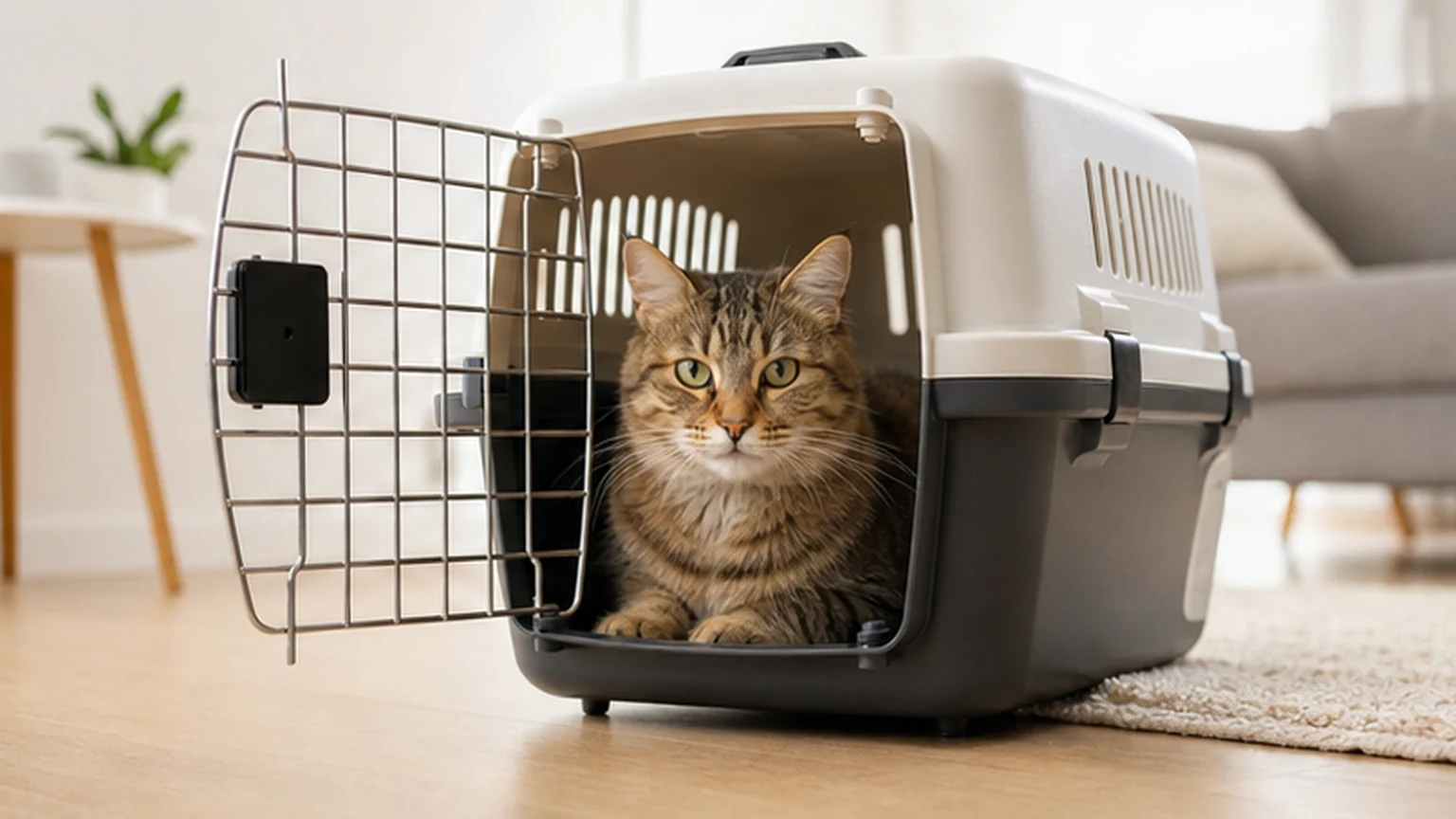
Choose a carrier that is secure, ventilated, easy to clean, and large enough for your cat to turn around and settle. A removable top or wide opening can make gentle loading easier.
The best carrier is not simply hard or soft. It fits your cat and transport method, stays closed under stress, gives you safe access, and can remain part of the home between trips.
Carrier Types at a Glance
| Type | Advantages | Trade-offs |
|---|---|---|
| Hard-sided | Stable, protective, easy to wipe, often has removable top | Bulky, can rattle, storage space needed |
| Soft-sided | Light, flexible, easier to carry and store | Can collapse, absorb mess, or be damaged by claws |
| Top-opening | Easier access for some cats | Opening and latches must stay secure |
| Front-opening | Familiar den-like entrance | Frightened cats may brace against entry |
| Multi-opening/removable top | Flexible loading and examination access | More latches and seams to inspect |
| Backpack or wheeled | Useful for some transport situations | Movement, ventilation, stability, and posture vary |
Airline, train, bus, and rideshare rules may impose different dimensions or designs. Confirm requirements directly before travel; “airline approved” on a listing does not guarantee acceptance by every carrier.
Carrier checklist
- Secure latches that cannot open during transport.
- Ventilation on multiple sides.
- A solid, stable base with an absorbent liner.
- Enough room for comfortable posture without excessive sliding.
- Materials that tolerate cleaning.
- A design that can be carried and restrained safely in a vehicle.
Choose the Right Size
Your cat should be able to stand in a natural posture, turn around, and lie down. A carrier that is too small restricts movement; one that is extremely large may allow the cat to slide during braking or corners.
Measure your cat from nose to base of tail and from floor to top of the head or ears while standing. Compare those measurements with internal dimensions, not only the advertised weight limit. Body shape matters: two cats with the same weight may need different space.
Each cat should have an individual carrier. Sharing makes safe restraint, loading, weight support, and emergency evacuation harder, even when cats are bonded.
Check Doors, Latches, and Seams
Open and close every latch several times. The door should align without bending, and a cat should not be able to push a simple catch open from inside. Hard carriers with a removable top need all fasteners engaged.
On soft carriers, inspect zippers for locking clips or another method that prevents noses and paws from separating the sliders. Check mesh, stitching, handles, and shoulder-strap attachment points for damage.
Replace a carrier with cracked plastic, bent doors, missing fasteners, torn mesh, failed zippers, sharp edges, or unreliable handles. Improvised repairs may fail during transport.
Ventilation and Temperature
Ventilation should be available on multiple sides without creating escape openings. Never cover every vent with a blanket. A light cover can reduce visual stimulation for some cats, but airflow and temperature must remain safe.
Keep the carrier out of direct sun and away from heating or cooling vents that create extremes. Never leave a cat unattended in a parked vehicle.
Access Matters
A removable top lets veterinary staff examine some cats in the lower half rather than pulling them through a narrow door. A large top door can also make calm placement easier. The carrier should remain structurally sound when assembled.
Train with every opening you may use. Ask the veterinary clinic whether they have carrier preferences, especially if your cat has mobility limits or a history of difficult visits.
Cleaning and Bedding
Choose a carrier whose corners, door, and removable parts you can reach. Hard plastic is generally easy to wipe. Soft fabric may require hand or machine cleaning according to its label and must dry completely.
Line the base with a non-slip absorbent pad and familiar washable bedding. Bring a spare liner in a sealed bag, plus another bag for soiled material. Avoid deep loose bedding that blocks vents or makes footing unstable.
After a trip, remove debris, wash as directed, rinse away product residue, and dry before storage. If the carrier was used during contagious illness, follow veterinary cleaning instructions.
Vehicle Restraint and Carrying
Never allow a cat to travel loose in a vehicle. A loose cat can distract the driver, reach pedals, escape when a door opens, or be injured in a sudden stop.
Follow the carrier and vehicle manufacturers' restraint instructions. Seat-belt routing varies, and a handle is not automatically a crash-tested attachment point. Place the carrier in a stable orientation where it cannot tip, slide, or become a projectile.
Carry from the supported base when possible rather than letting the carrier swing from one handle. For a heavy cat, practice lifting and consider a model with balanced handles or a compatible trolley.
Leave the carrier open at home with familiar bedding so it is not only associated with a stressful trip. Never open it in an unsecured outdoor area.
Make the Carrier Part of the Home
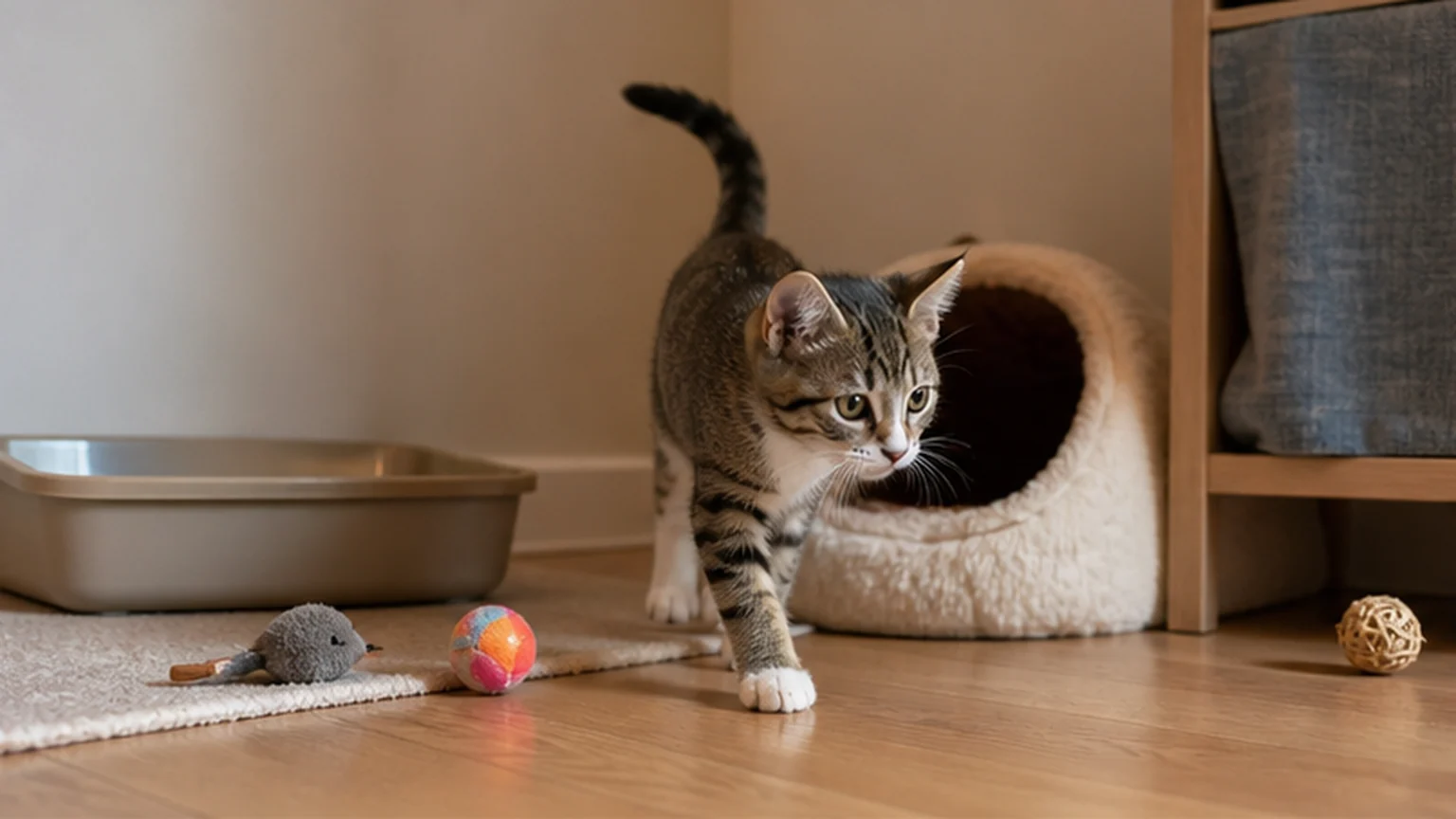
Put it in a room the cat uses, stabilize the door so it cannot swing, and occasionally place treats, toys, or part of a meal near and then inside it. Let the cat choose entry. Do not close the door during the first investigations.
Gradually build steps:
- Approach and look inside.
- Enter for a reward.
- Rest with the door open.
- Close the door briefly, then reopen.
- Lift the carrier a small distance.
- Walk through the home.
- Sit in the stationary vehicle.
- Take a short drive when appropriate.
Move at the cat's pace. If they stop eating treats, freeze, flee, or struggle, return to an easier step.
Loading a Cat Calmly
Prepare the carrier, liner, vehicle, and doors before bringing the cat over. Use the practiced entry when possible. Tossing treats or placing a familiar blanket inside may help a cat who is comfortable with the carrier.
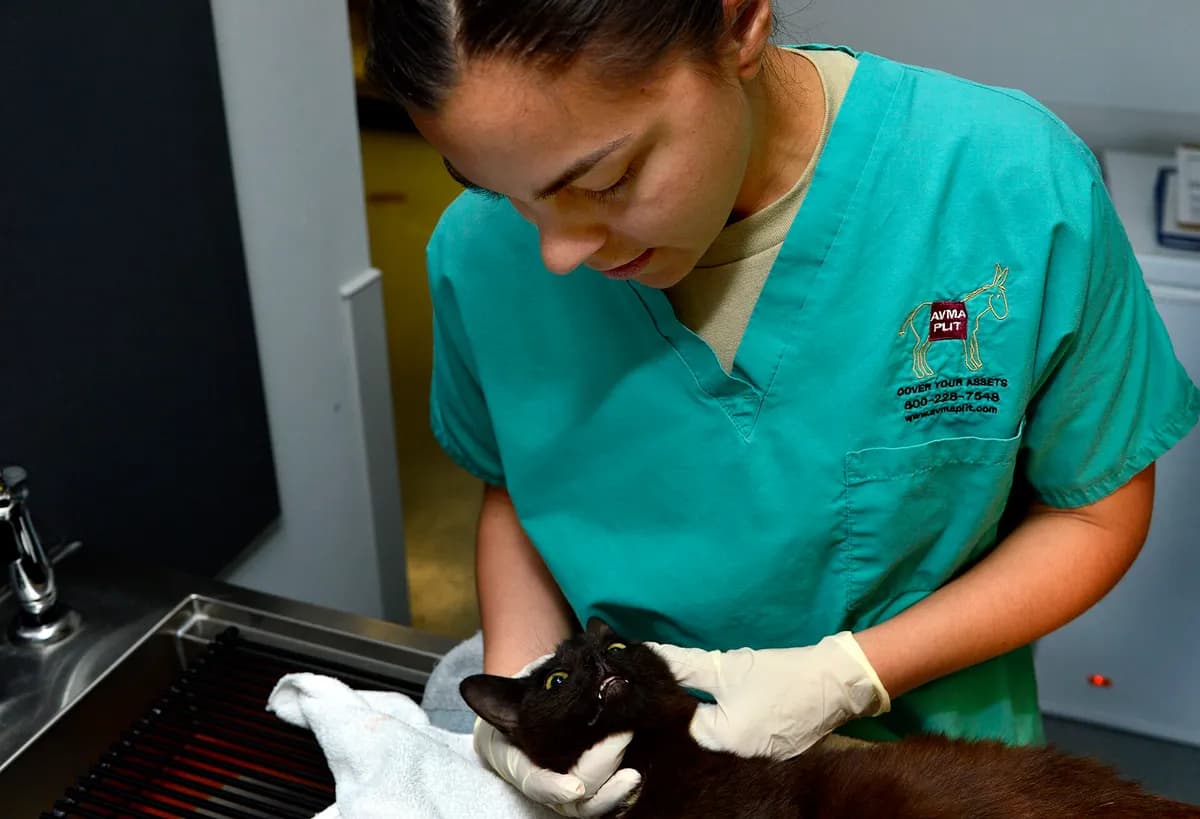
For a reluctant cat, a removable top may allow gentle placement into the base before reassembly. Avoid chasing, scruffing, or forcing limbs through a narrow opening. Ask the veterinary team in advance for individualized handling and medication advice when previous trips caused severe distress.
Never give human sedatives or leftover medication. Prescribed pre-visit medication must be used exactly as directed.
Travel-Day Checklist
- Confirm the appointment, route, and transport requirements.
- Check every latch, zipper, seam, handle, and restraint point.
- Add absorbent non-slip bedding and pack a spare.
- Attach identification without blocking vents.
- Secure household and vehicle doors before loading.
- Maintain comfortable temperature and airflow.
- Drive smoothly and keep sound low.
- Enter a secure building before opening.
Common Carrier Mistakes
- Buying by weight limit without checking dimensions.
- Storing the carrier away until appointment day.
- Using a box, basket, or carrier with damaged closures.
- Carrying two cats in one carrier.
- Opening the door in a parking lot or unsecured area.
- Covering all ventilation.
- Letting the carrier swing or slide in a vehicle.
- Assuming a label meets every airline or transit rule.
If your cat becomes severely distressed, has breathing difficulty, collapses, or is injured during transport, contact an emergency veterinary service promptly.
Panting or open-mouth breathing in a cat can be serious, particularly with weakness or collapse. Stop safely, improve ventilation without allowing escape, and contact a veterinarian. Do not open the carrier outdoors or beside an open vehicle door.
Frequently Asked Questions
Is a hard or soft carrier better?
Either can work. Hard carriers emphasize stability and cleaning; soft carriers emphasize weight and storage. Security, access, ventilation, condition, and transport fit decide the better product.
Should I cover the carrier?
A light partial cover may reduce visual stimulation for some cats. Keep vents open, monitor temperature, and stop if the cover increases distress.
Can the carrier stay out all the time?
Yes, when placed safely with the door secured open. It can function as a familiar resting place and make training easier.
What if my cat panics before every trip?
Contact the veterinary clinic before the next appointment. Gradual training, handling changes, scheduling, and veterinarian-prescribed pre-visit support may help.
Key Takeaway
Choose a carrier by internal fit, secure closures, ventilation, access, cleaning, and safe transport—not appearance alone. Keep it open as familiar furniture, practice in small steps, and inspect it before every trip. A good carrier cannot eliminate all stress, but it can reduce handling difficulty and protect the cat throughout transport.
See the new cat owner checklist and first 24 hours with a new cat.
Sources & Scientific References (3)
Share this guide
Help another cat parent find it.