The short answer
Cats jump onto kitchen counters because counters are warm, elevated, food-scented, and offer a great view — not because your cat is misbehaving or trying to upset you. The most reliable way to keep counters clear is a combination of environmental management and positive reinforcement: make the counter less rewarding, give your cat a better elevated spot nearby, and reward them every time they choose it. Punishment and scolding tend to backfire, teaching cats to wait until you leave. With a consistent plan, most cats show clear improvement within a few weeks.
Why the counter looks so appealing to a cat
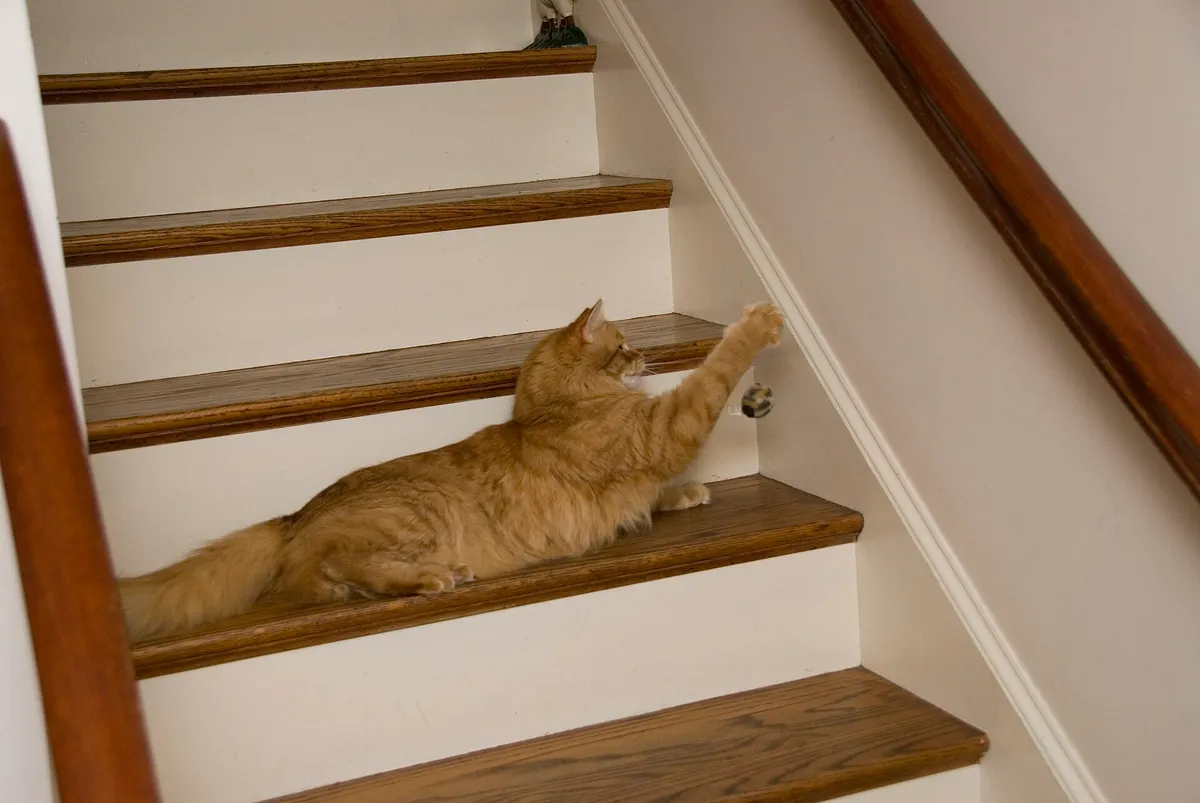
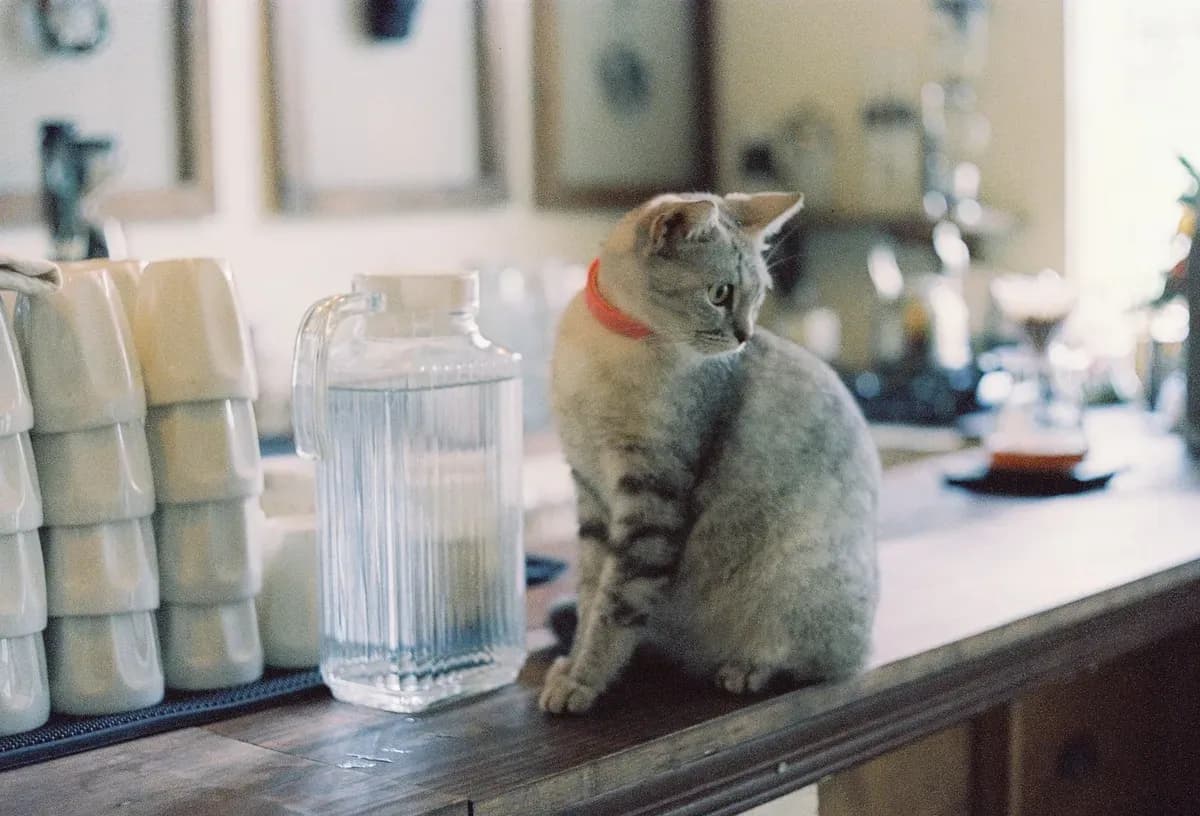
Height is a core part of cat behavior. Elevated perches let cats survey their territory, feel safe from perceived threats, and watch for interesting events. A kitchen counter offers all of that — plus heat from appliances, running water, and food smells drifting in the air.
Counters also deliver novelty. Cats pay attention to things that change, and the kitchen changes all day: you drop a piece of chicken, crumbs fall from toast, the sink drips. From a cat's perspective, the counter is a reliable jackpot zone where interesting things happen. Understanding this helps explain why scolding rarely works. If the counter stays the most interesting place in the house, a cat will keep checking it. Change the environment first, and the behavior becomes much easier to change.
Step 1: Make the counter deliberately uninteresting
Start by removing the rewards your cat is chasing. Wipe counters thoroughly so oils and crumbs don't linger, and use an enzymatic cleaner if you regularly prepare meat, since cats can smell traces we can't. Store bread, butter, fruit, and other tempting items in cupboards or covered containers. Clean up immediately after cooking, and keep the sink covered or drained if your cat is drawn to water.
Then consider the surface itself. Many cats dislike wobbly or sticky textures underfoot. Temporary, humane deterrents — strips of aluminum foil, double-sided tape, or plastic carpet runners placed nub-side up — can help interrupt the habit in the first couple of weeks. The catch: these don't teach a cat what to do instead, and some cats quickly adapt. Treat deterrents as a short-term bridge, never the whole plan.
A kitchen counter can genuinely hurt a cat. Stovetops and ovens cause burns; knives and small appliances can injure; foods such as onions, garlic, grapes, chocolate, and xylitol are toxic; and cleaning sprays or dishwasher pods can poison. While you train, never leave a hot burner, toxic food, or sharp objects unattended, and consider childproof latches for low cabinets.
Step 2: Give your cat a better place to be
One of the most effective replacements for a kitchen counter is a tall, stable cat tree placed in or just outside the kitchen. It should be sturdy enough not to wobble, with a perch at counter height or higher, because cats usually prefer the highest comfortable spot. If the tree sits near a window, the view can compete directly with the kitchen's attractions.
No room for a full tree? Try a wall-mounted shelf, a cat window perch, or cat steps leading to the top of a low bookshelf. What matters isn't size but value. Spend a few days making the new perch obvious: scatter catnip on it, drop treats there several times a day, and leave a favorite toy or a shirt that smells like you on it. Let your cat discover it on their own — don't lift them up to it. If you have more than one cat, consider providing more than one perch so nobody has to “share” the best view.
If your cat jumps up most often at mealtimes, feed them in another room or place a treat on their perch when you start cooking. A little preparation turns a stressful moment into a training opportunity.
Step 3: Reward the behavior you want to see
Positive reinforcement means the cat's own choices earn something good. Every time you spot your cat with all four paws on the floor — especially near the counter — calmly toss a treat or offer quiet praise. This builds a simple association: the floor is where good things happen.
You can also teach a cue. When your cat lands on the counter, hold a treat near their nose and guide them down toward a spot on the floor; the moment all four paws touch, reward. Say a cue like “off” just before they jump, and with repetition, the word alone can invite them down.
A clicker makes learning faster for many cats because it marks the exact split-second of the behavior. Click the instant paws land, then give the treat. Once your cat understands, start rewarding only voluntary choices: when they hop down on their own, make it a jackpot moment. Reward approximations, too — sitting calmly near the counter, looking at it without jumping, walking past it. Small steps build a solid habit faster than waiting for perfect behavior overnight. As with any training, short sessions (five minutes or less) work better than long ones.
Why punishment doesn't work
Shouting, clapping, spray bottles, or dragging a cat off the counter all teach the same lesson: this place is scary when a human is around. They don't teach an alternative behavior. Punishment is usually neither immediate nor consistent — the cat may be halfway across the kitchen by the time you notice — so it's hard for them to connect it to the jump.
Punishment can also raise stress, which contributes to hiding, overgrooming, and litter-box issues. It damages trust, and trust is what makes future training fast. The gentler methods in the table below win for a simple reason: they teach your cat what to do instead of just what not to do.
Comparing common counter-training methods
Every cat is an individual, so the right mix depends on your cat's personality and your kitchen. Here's how the most common approaches stack up.
| Method | What it does | Why it works (or doesn't) | Best used as |
|---|---|---|---|
| Cat tree or perch near the kitchen | Gives your cat an elevated spot that's officially theirs | Fits the natural drive to climb; pairs well with treats and praise | Permanent setup |
| Treat rewards for four paws on the floor | Reinforces the exact behavior you want to see more of | Immediate feedback; builds trust and makes the floor appealing | Daily practice |
| Clicker training for an “off” cue | Teaches your cat to jump down on command | Precise timing helps cats learn the choice quickly | Repetition until reliable |
| Aluminum foil or double-sided tape on the counter | Makes the surface feel strange underfoot | Some cats avoid it; others adapt or climb around it | Short-term bridge while training |
| Motion-sensor air spray | Startles the cat as it jumps | Can work, but may cause fear or anxiety; no alternative offered | Last resort, briefly |
| Yelling or squirt bottles | Adds fear and stress | Doesn't teach; may make behaviors sneakier or damage trust | Avoid entirely |
Frequently Asked Questions
Here are answers to the questions cat parents ask most about counter training.
Will my cat ever totally stop jumping on the counter?
Most cats improve dramatically with a consistent plan, but the behavior may never reach an absolute zero — especially if the kitchen stays exciting. The realistic goal is reducing the habit to occasional lapses instead of a daily routine.
Does aluminum foil hurt cats?
No, it just feels unusual under their paws. Some cats are genuinely put off; others will march right over it. Use foil or tape only as a temporary tool while you build up the rewards for staying off the counter.
Is there any hygiene risk from a cat on the counter?
Yes. Cats' paws track litter and can carry bacteria, so public health guidance recommends keeping cats off food-preparation surfaces. It's worth washing counters before cooking regardless of where your cat spends their time.
What should I do if my cat jumps up while I'm cooking?
Stay calm and avoid a sharp reaction, especially near heat or knives. If the cat has learned the “off” cue, use it; if not, gently guide them down with a treat and give the treat only when all four paws are on the floor. Practice the cue during quiet times so it's automatic during busy ones.
How long does counter training take?
It depends on how long your cat has practiced the habit and how tempting the kitchen is. Some cats improve within one to two weeks; deeply ingrained habits can take a few months to fade. Consistency is the biggest factor.
Key Takeaway
Cats aren't being “bad” when they jump on the counter — they're doing what cats have evolved to do: climb, explore, and follow food. Remove the rewards, offer a better perch, and consistently reward the behavior you want. Skip punishment, keep hazards off the counter, and be patient. With time, the counter can stop being a battlefield and become just another part of the kitchen your cat walks past.
Share this guide
Help another cat parent find it.