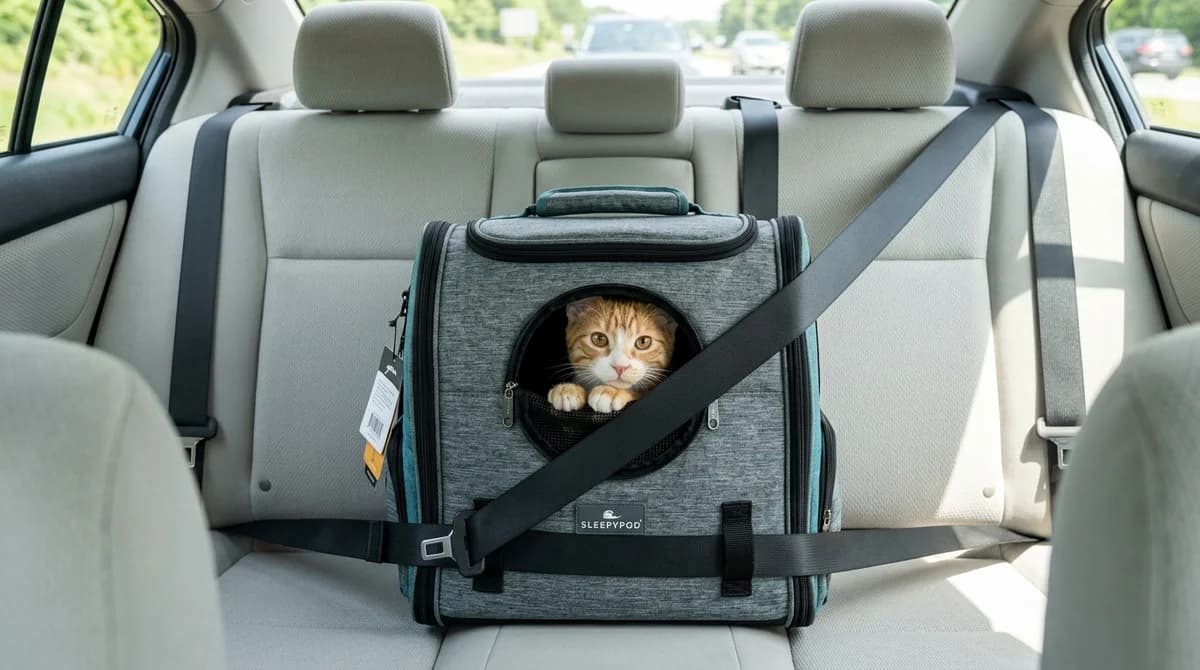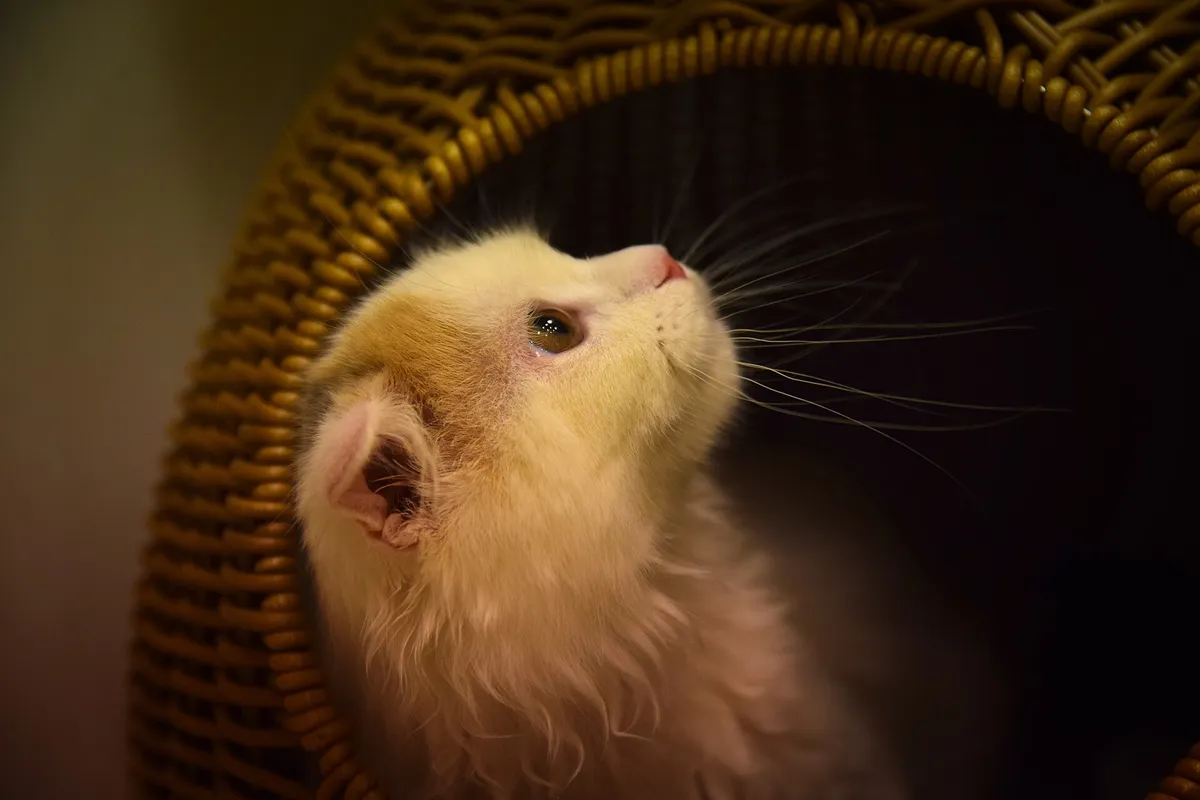
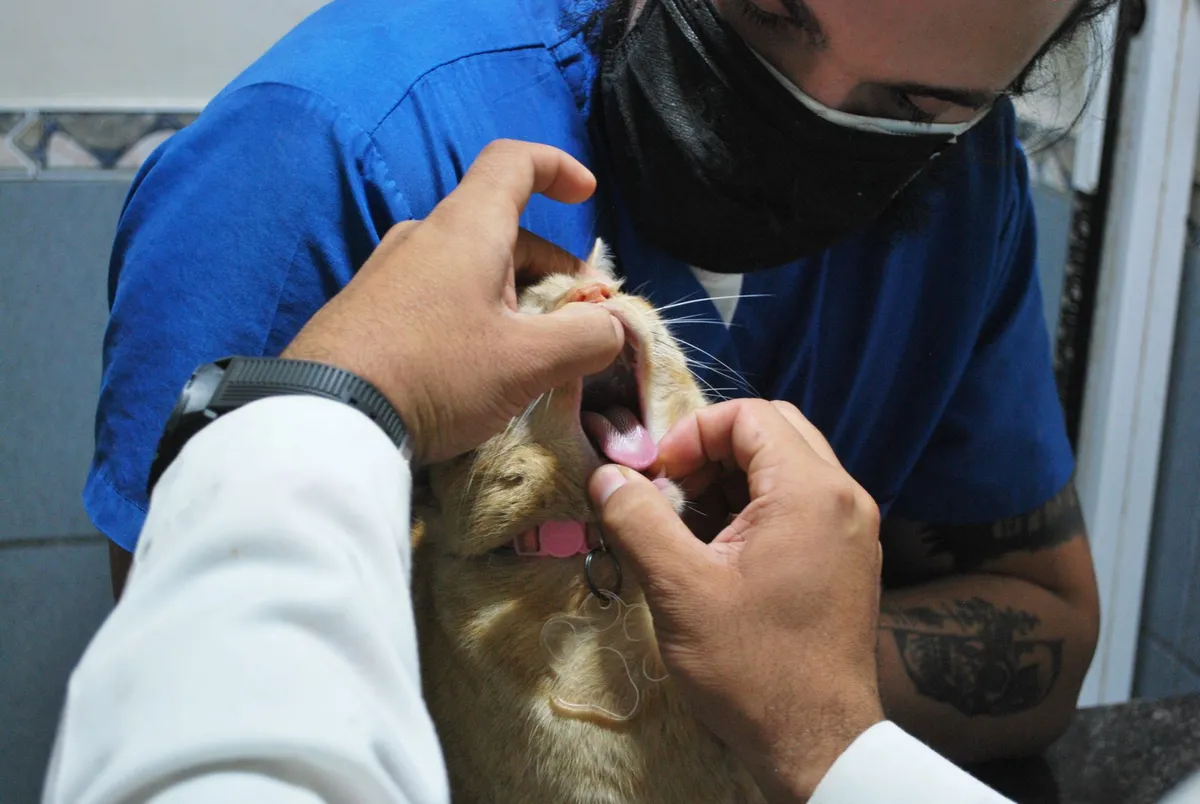
The short answer
The best veterinarian for your cat is one who treats cats like cats, not like small dogs, and who has designed the clinic experience around keeping a cat calm rather than getting the exam done quickly. That means cat-friendly handling, clear communication, a reachable location, and a workable emergency plan. You don't have to choose a feline-only practice, but you do want a practice that has deliberately thought about what a cat needs — because a clinic built around dogs can overwhelm a cat before anyone even touches them.
Why the right vet matters so much for cats
Cats are experts at hiding illness, a survival behavior inherited from their wild ancestors. By the time a cat looks sick, the problem has often been building for a while. That's why regular checkups matter — and why your vet needs to understand feline behavior well enough to spot the small changes that reveal something bigger. A vet who works mostly with dogs may miss subtle feline cues, or mistake a scared cat's hissing for aggression rather than fear.
Cats also carry stress differently than dogs. A stressful visit can spike their blood pressure, skew blood and urine test results, and make sedation more likely for routine procedures. The right clinic minimizes that stress with simple tools: a separate cat waiting area, exam rooms away from dog noise, pheromone diffusers, towel wraps, and a spot to set the carrier up high. These details aren't luxuries; they change the quality of medicine the vet can practice.
What "cat-friendly" actually means
"Cat friendly" gets thrown around a lot, but real standards exist behind it. The American Association of Feline Practitioners (AAFP) runs a Cat Friendly Practice certification program, and the international charity International Cat Care runs a Cat Friendly Clinic program in many countries. Both publish standards for handling, facility design, staff training, and communication. Certified clinics have demonstrably thought about cat needs.
But certification isn't the whole story. An excellent uncertified clinic can be a great fit, and a certified one might not be. Treat certification as a strong signal, not a final answer.
Here's what cat-friendly care looks like in practice:
| Feature to look for | Why it matters for your cat |
|---|---|
| Separate waiting areas for cats and dogs | A barking dog can push an already-stressed cat past its limit before the exam starts |
| Feline-only exam rooms or cat-only appointment slots | Fewer unfamiliar species and smells means a calmer patient |
| Staff trained in low-stress handling | Gentle techniques mean less restraint, fewer needle sticks, and a safer visit for everyone |
| Pheromone diffusers such as Feliway in exam rooms | They mimic a calming facial pheromone and help many cats feel less threatened |
| Towels, blankets, and hiding spots in exam rooms | A place to burrow helps a cat feel hidden, and hidden feels safe |
| Exam tables with non-slip surfaces | Cats feel more secure when they aren't sliding on cold metal |
| Staff who ask how your cat behaves at home | They're thinking about the whole cat, not just the exam findings |
Questions to ask before you book
Before committing to a clinic, call with a short list of practical questions. Most reputable clinics are happy to answer them.
Start with these:
- "Do you have separate seating for cats and dogs?"
- "How do you handle a cat who is scared or aggressive?" A clinic that says "we just wrap them up and get it done" is very different from one that assesses stress levels first.
- "How many veterinarians are on staff, and what happens when one is unavailable?"
- "What's your protocol for after-hours emergencies?" Some clinics share emergency duty with neighboring practices; others refer to a dedicated emergency hospital.
- "Do you have experience with my cat's breed, age, or existing condition?" This matters for brachycephalic breeds, seniors, and cats with ongoing health issues.
- "Can I tour the clinic?" A yes is a great sign. A firm no isn't necessarily a red flag — some small clinics can't spare staff — but it means you'll evaluate on visit day instead.
What to watch for at your first visit
Your first appointment is a chance to observe with fresh eyes. Watch how staff talk to you and interact with your cat. Notice whether someone asks before reaching into the carrier, and whether the cat is allowed to come out on their own terms.
Look around the exam room. Is the carrier placed up off the floor, on a chair or counter? Cats feel more secure up high. Is there a pheromone diffuser? Is the table covered with a towel or mat instead of cold, slippery metal?
Watch how the vet begins. Great feline vets start by listening — to you and to the cat. They ask about litter box habits, appetite, drinking, and behavior changes before reaching for the stethoscope. They approach the cat slowly and explain what they're about to do before doing it. And they talk to you in plain language, telling you what they're checking for and what the results mean.
You should also get a sense of the economics. A good clinic gives written estimates before procedures and discusses costs honestly. Nobody likes surprises at the front desk.
Red flags to take seriously
No clinic is perfect, but certain warning signs deserve serious weight.
Rough handling tops the list. Scruffing a cat by the neck to hold it still, tipping a carrier upside down to force a cat out, or laughing off obvious distress means the team hasn't been trained in modern low-stress handling. Better methods work.
Also watch for:
- No separation between species. If cats and dogs share one waiting room with no buffer, cats arrive at the exam already stressed.
- A dirty or strongly odorous facility. Hygiene problems in public areas suggest deeper problems.
- Vague answers about emergencies. If staff can't tell you who to call when they're closed, keep looking.
- Pressure tactics. A vet who pushes extras without explaining them, or who makes you feel foolish for asking questions, won't improve over time.
- Dismissing your observations. You know your cat's normal behavior. If a vet brushes off your concerns without examining or explaining, that's a reason to look elsewhere.
If your cat is showing signs of real illness right now — not eating, sluggishness, straining in the litter box, breathing difficulty, or repeated vomiting — don't put off care while you search for the perfect vet. Take them to any open clinic today, or to the nearest emergency hospital if it's after hours. The vet search can wait a week; urgent symptoms cannot.
The emergency plan you need in place
Even the best routine vet can't be open 24 hours a day. Part of choosing a vet is understanding what happens when the clinic is closed. Some clinics run emergency hours or share a rotating on-call system. Others send you to a nearby emergency hospital. Both work, as long as you know in advance which one applies to you.
Program the clinic's number and your nearest emergency hospital's number into your phone today, and add a regional pet poison line as well. In a crisis, you don't want to be searching the internet.
Should you choose a feline-only practice?
Feline-only practices are wonderful if one is nearby and within budget. Their staff usually carry deep cat-specific knowledge, and there are no dogs in the building at all. But a good mixed practice can be just as excellent when it follows cat-friendly protocols. The real question isn't cat-only versus mixed — it's whether the clinic's daily routines are designed around feline needs.
Frequently Asked Questions
How often should my cat see the veterinarian?
Healthy adult cats should have a wellness exam at least once a year. Senior cats — generally age seven and up — and cats with chronic conditions often benefit from visits every six months.
What if I already have a vet but I'm not happy with them?
You can switch at any time. Ask your current clinic to transfer your cat's medical records to the new one. There's no rule that says you must stay with a vet who doesn't fit your cat's needs.
Are Cat Friendly Practice-certified clinics always better?
Certification means a clinic has met published standards from the AAFP or International Cat Care, which is a strong signal. But it's not a guarantee of a perfect fit. Visit, observe, and trust what you see and hear.
How much should a first visit cost?
Costs vary widely by region and clinic. An exam fee is expected, and vaccines or diagnostic tests add to the total. A transparent clinic discusses costs openly and gives estimates before adding anything beyond the basics.
My cat is indoor-only — does she still need a vet?
Yes. Even indoor cats need routine exams, lifestyle-appropriate vaccinations, and parasite prevention. Indoor cats still develop dental disease, kidney disease, and other age-related conditions, and an annual exam is the best chance to catch these early.
Key Takeaway
Choosing a veterinarian for your cat is one of the most important care decisions you'll make. Focus on the fundamentals over fancy facilities: calm, modern handling; clear communication; a sensible emergency plan; and a team that treats cats as individuals. Visit before you commit, ask direct questions, and watch how your cat responds. The right clinic will make your cat feel safer, make your questions feel welcome, and make vet visits something you no longer dread.
Sources & Scientific References (3)
Share this guide
Help another cat parent find it.