The short answer
The best cat bed is the one your cat chooses to sleep in. Cats are individuals with distinct preferences shaped by age, health, and personality. Instead of buying the fluffiest or most stylish bed on the shelf, start by observing your cat's sleeping habits. Does she curl up in a tight ball, stretch out on her side, or burrow under blankets? Does she prefer warm, enclosed spaces or open, airy ones? Once you know those patterns, you can match the bed's shape, material, and location to her natural instincts. Safety also matters: avoid beds with loose fillings, exposed zippers, or unventilated heating elements. And because cats are fastidious, choose a bed that is easy to wash and dry. The goal isn't a designer accessory—it's a cozy, secure spot that supports your cat's health and happiness.
Why cats sleep so much
Cats average 12 to 16 hours of sleep a day, and kittens and seniors can sleep even more. That means your cat spends a large portion of her life in a bed—or on your couch, your laundry pile, or that cardboard box you were about to recycle. Understanding why cats sleep so much helps you appreciate what they need from a sleeping surface. Cats are crepuscular, meaning they're most active at dawn and dusk. During the day, they conserve energy for hunting (even if their only prey is a toy mouse). They also seek out warm, safe spots that mimic the nests and dens their wild ancestors used. A good bed provides thermal comfort, physical support, and a sense of security—three elements that encourage your cat to actually use it.
Step 1: Observe your cat's sleeping preferences
Before you shop, spend a few days watching how and where your cat sleeps. Note her favorite positions:
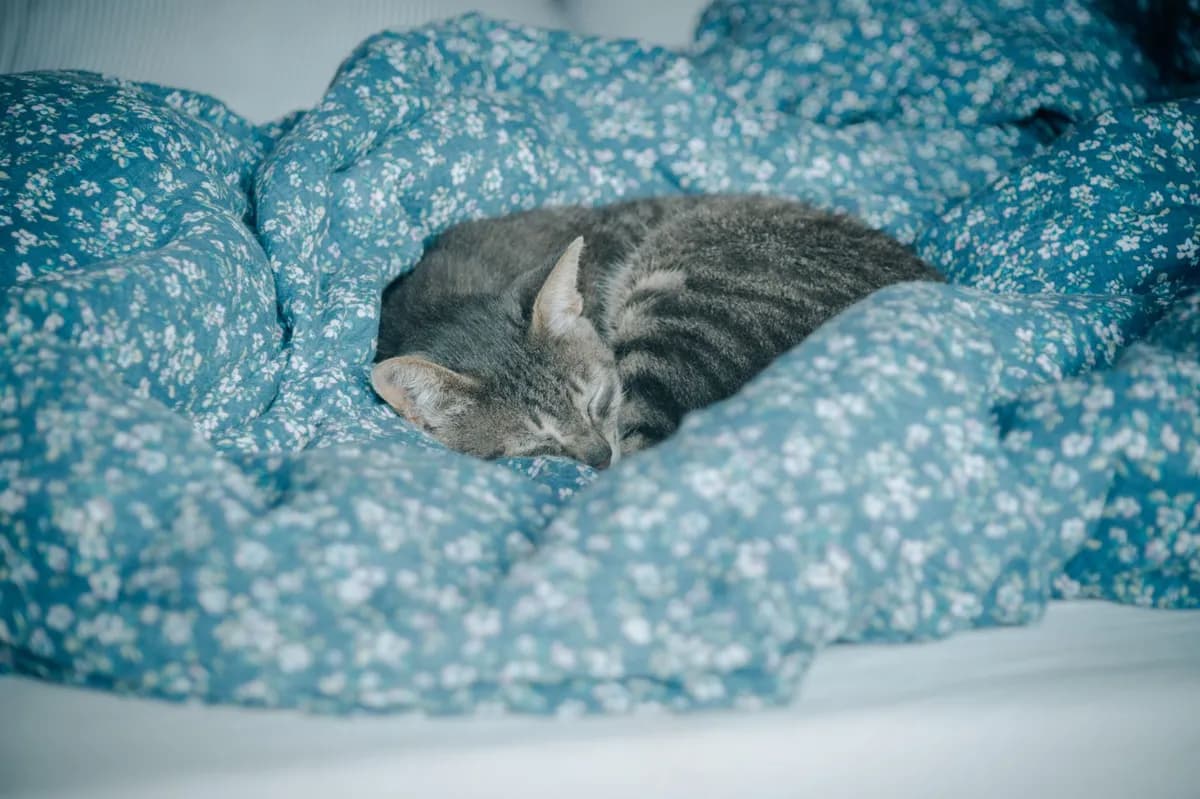
- Curled up in a ball – This traps body heat and protects vital organs. Cats who sleep this way often enjoy round, enclosed beds with raised rims.
- Stretched out on her side – This posture helps dissipate heat. A flat, open bed or a cool surface may be more appealing.
- Burrowed under blankets – Cats who love to hide appreciate cave-style beds or beds with a hood.
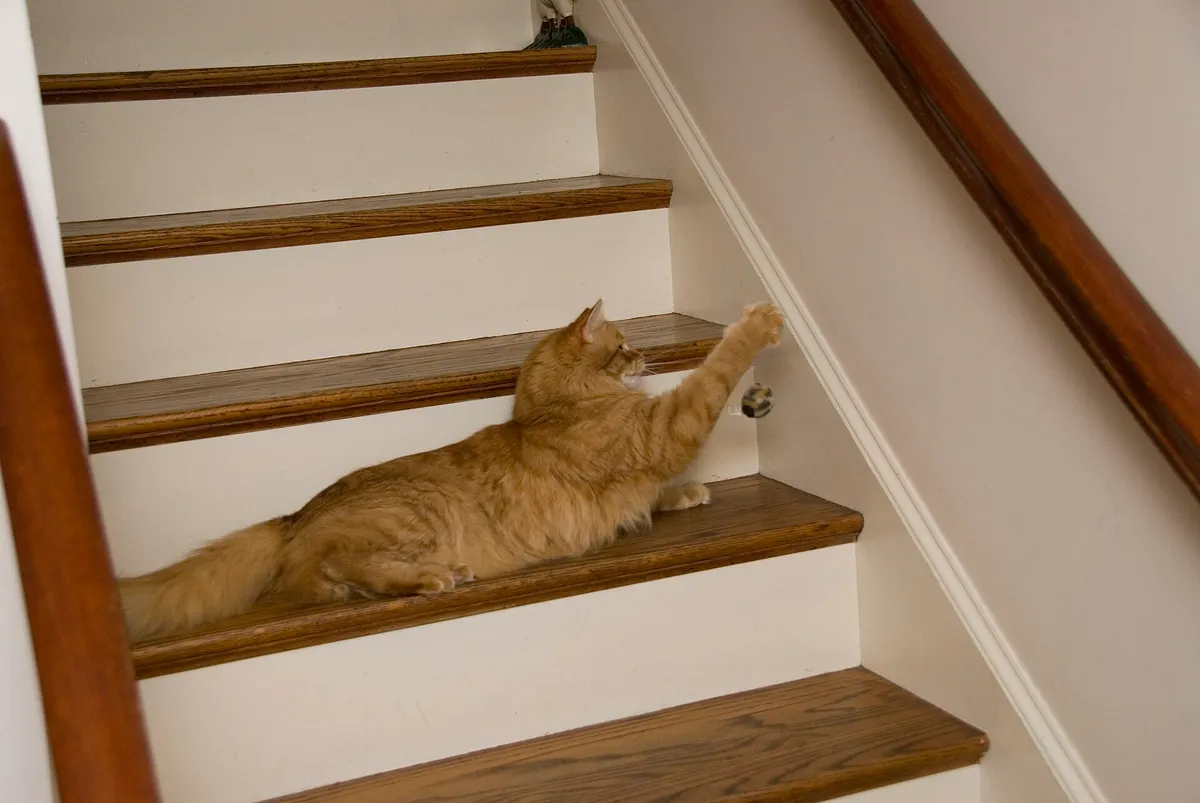
- Perched up high – Some cats prefer to sleep on cat trees, shelves, or windowsills. A bed placed on an elevated platform can satisfy that instinct.
Also note where she sleeps: near a radiator, in a sunny window, on a hard floor, or on a soft rug. If she consistently chooses a particular spot, that's a clue about her ideal temperature and texture. For example, a cat who naps on the tile floor might run hot and prefer a cooling mat or a lightweight bed, while a cat who snuggles into a fleece blanket likely wants extra warmth.
Step 2: Choose the right shape
Cat beds come in a variety of shapes, and each suits different sleeping styles. Here's a quick comparison:
| Bed type | Best for | Key features |
|---|---|---|
| Cave bed | Cats who like to hide and feel secure | Enclosed with a small opening; retains warmth; may have a removable cushion |
| Donut or nest bed | Curlers who want a soft rim for head support | Raised, padded rim; often round; good for warmth |
| Flat bed or mat | Stretchers and cats who run warm | Open, low profile; easy to wash; often made of cotton or mesh |
| Heated bed | Senior cats or those with joint issues | Uses electric warmth or self-warming material; must be safe and chew-resistant |
| Window perch bed | Cats who love to watch the outdoors | Attaches to a windowsill; combines sleeping with entertainment |
Remember that a bed's shape should match your cat's posture, not your home décor. A cave bed might look adorable, but if your cat sleeps spread-eagled, she'll likely ignore it.
Step 3: Pick materials that are safe and washable
The material affects comfort, temperature regulation, and hygiene. Look for fabrics that are:
- Soft but not too plush – Fleece and faux fur are warm and inviting, but some cats dislike the static or the feeling of long pile. Cotton and canvas are cooler and more breathable.
- Durable – Cats knead and scratch before settling down. A bed made of tightly woven fabric will hold up better than a loose knit.
- Machine washable – Cats shed hair, drool, and occasionally have accidents. A removable, washable cover is essential. Check the label for washing instructions—some beds can't be washed at all, which makes them impractical.
- Non-toxic – Avoid beds treated with chemical flame retardants or strong dyes. If your cat chews or licks the fabric, those substances could be harmful.
Fillings also matter. Polyester fiberfill is common and dries quickly, but it can flatten over time. Shredded memory foam conforms to the body but may be heavy and hard to wash. Some cats are sensitive to synthetic textures; if your cat has allergies or skin sensitivities, choose a hypoallergenic cotton or bamboo cover.
Step 4: Size and location matter
Size is more about the cat's ability to stretch and turn around than about the bed itself. A bed that's too small will be ignored; one that's too large may not feel cozy. Measure your cat from nose to base of tail, then add a few inches. For curlers, a smaller nest works; for stretchers, you'll need a larger flat mat.
Location is just as important as the bed's design. Cats want to sleep where they feel safe and have a good view. Place the bed:
- Away from loud noises – Avoid high-traffic areas, washing machines, or doorways.
- In a warm spot – Near a radiator or a sunny window (but not in direct sunlight all day, as it can overheat).
- Elevated if possible – Cats often feel more secure off the ground. A shelf or cat tree with a bed can be ideal.
- Near your scent – Some cats like to sleep where they smell you, like on your bed or in your home office. Putting a used t-shirt in the bed can help attract them.
If you have multiple cats, provide at least one bed per cat, plus an extra, to avoid competition. Cats are territorial about sleeping spots.
Safety considerations
Never use a heated bed with an electric cord unless it's specifically designed for pets, has a chew-resistant cord, and is certified by a recognized safety standard. Unsupervised use of human heating pads or electric blankets can cause burns or fires. Also, check the bed regularly for loose threads, exposed zippers, or stuffing that could be ingested. If your cat is a chewer, avoid beds with small parts or fillings that are easy to pull out. For kittens or seniors, choose a low-sided bed that's easy to enter and exit.
Frequently Asked Questions
Q: How do I get my cat to use the bed I bought?
A: Place the bed where your cat already likes to sleep, and add something with your scent, like a worn t-shirt. You can also sprinkle catnip or place a treat inside. Don't force your cat in—let her investigate. Some cats take weeks to accept a new bed, while others ignore it entirely. If she still refuses after trying different locations and scents, she may simply prefer a different shape or material. Observe her and adjust.
Q: Are self-warming beds safe?
A: Self-warming beds use reflective materials that trap the cat's own body heat—no electricity involved. They are generally safe, but ensure the cover is washable and the inner layer isn't easily accessible. They're a good option for cats who want warmth without the risk of electric cords.
Q: Can I make my own cat bed?
A: Absolutely. A simple cardboard box lined with a soft towel or an old blanket can be a perfect bed. Just ensure the edges are smooth and the material is washable. Many cats prefer a plain box over an expensive bed. The key is to meet your cat's comfort and safety needs, not to buy something fancy.
Q: How often should I wash the cat bed?
A: At least every two weeks, or more often if your cat sheds heavily or has allergies. Use a mild, unscented detergent and dry thoroughly to prevent mold. A washable cover makes this easy. If the bed is heavily soiled, consider replacing it.
Q: My cat sleeps on the floor instead of the bed. Is that a problem?
A: Not necessarily. Cats often choose cool, hard surfaces to regulate their body temperature, especially in warm weather. If your cat is healthy and comfortable, sleeping on the floor is fine. However, senior cats or those with arthritis may need a softer, warmer bed to ease joint pain. If you notice your cat avoiding soft surfaces suddenly, consult a veterinarian.
Key Takeaway
Choosing a cat bed is not about picking the most expensive or trendiest option—it's about understanding your cat's unique preferences and providing a safe, comfortable, and hygienic sleeping spot. Observe her posture, favorite locations, and temperature sensitivity, then match the bed's shape, material, and placement accordingly. Prioritize washability and safety, and don't be afraid to try a DIY solution if that's what your cat loves. A bed that's actually used is always better than one that sits untouched.
Share this guide
Help another cat parent find it.