The short answer
A five-minute hands-on check once a week helps you catch early changes in your cat's coat, eyes, ears, gums, weight, and hydration. It cannot replace a veterinarian's yearly exam, but it gives you a clear picture of what is normal for your cat so differences stand out sooner.
Why home checks make sense
Cats are good at hiding discomfort, so small problems often go unnoticed until they become bigger ones. A regular home wellness check gives you a chance to spot changes early. It also keeps you familiar with your cat's normal routine, from grooming habits to litter-box use. Make the check short and calm, and let your cat walk away if they get stressed. Pair it with treats so the routine becomes a positive moment. You don't need to be an expert to notice a new lump, a different smell, or a sudden change in routine. Your eyes and hands are enough, especially when you check in regularly.
What you need
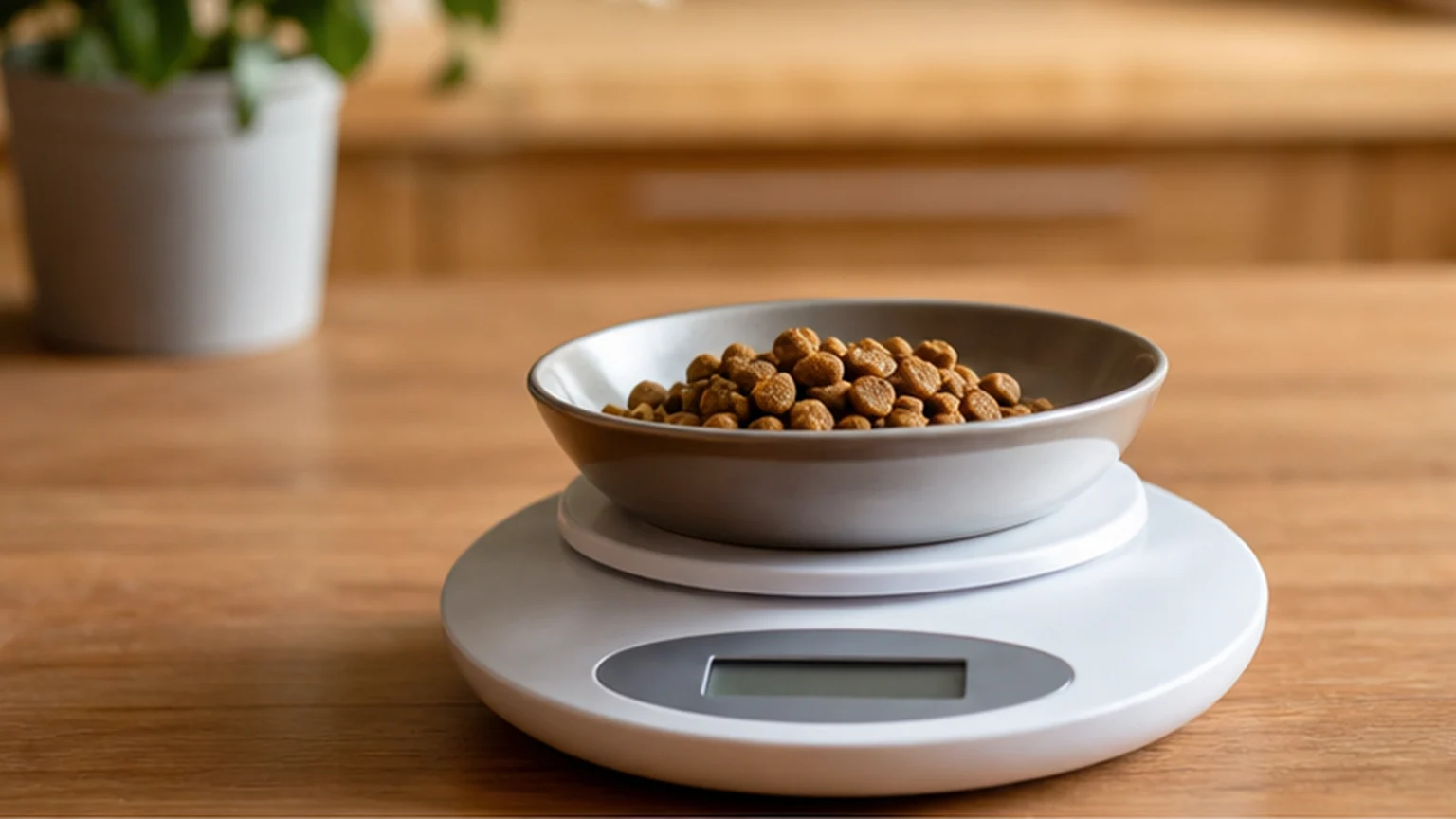
No special tools are required. A bright, quiet room and clean hands are enough for most checks. A kitchen scale is useful for weighing small cats, and a bathroom scale works if you weigh yourself with and without your cat. A soft cotton pad can help with the outer ears. Never use cotton swabs inside the ear canal and never give human medication unless your vet instructs you to.
The home wellness checklist
Work from head to tail. You do not have to do every step at once; check one or two areas each day if your cat prefers a shorter session.
| Area | What you want to see | What deserves attention | | Coat and skin | Smooth, glossy fur; no bald patches or scabs | Dandruff, greasy patches, bald spots, or lumps | | Eyes | Clear, bright eyes with no discharge | Squinting, redness, or yellow or green discharge | | Ears | Pink, clean ear flaps; minimal wax and no odor | Heavy dark wax, redness, a bad smell, or repeated head shaking | | Mouth and gums | Pink, moist gums; no obvious mouth pain | Red or swollen gums, drooling, or very bad breath | | Weight and body condition | Ribs you can feel with light pressure; visible waist from above | Ribs that are hard to feel, a sagging belly, or ribs that feel very sharp | | Hydration | Moist gums; skin springs back quickly; normal drinking pattern | Sticky gums, a slow skin tent, or a sudden change in drinking | | Behavior and energy | Normal routine for sleep, play, grooming, and litter-box use | More hiding, less jumping, new vocalizing, or litter-box changes |
A closer look at each check
Coat and skin
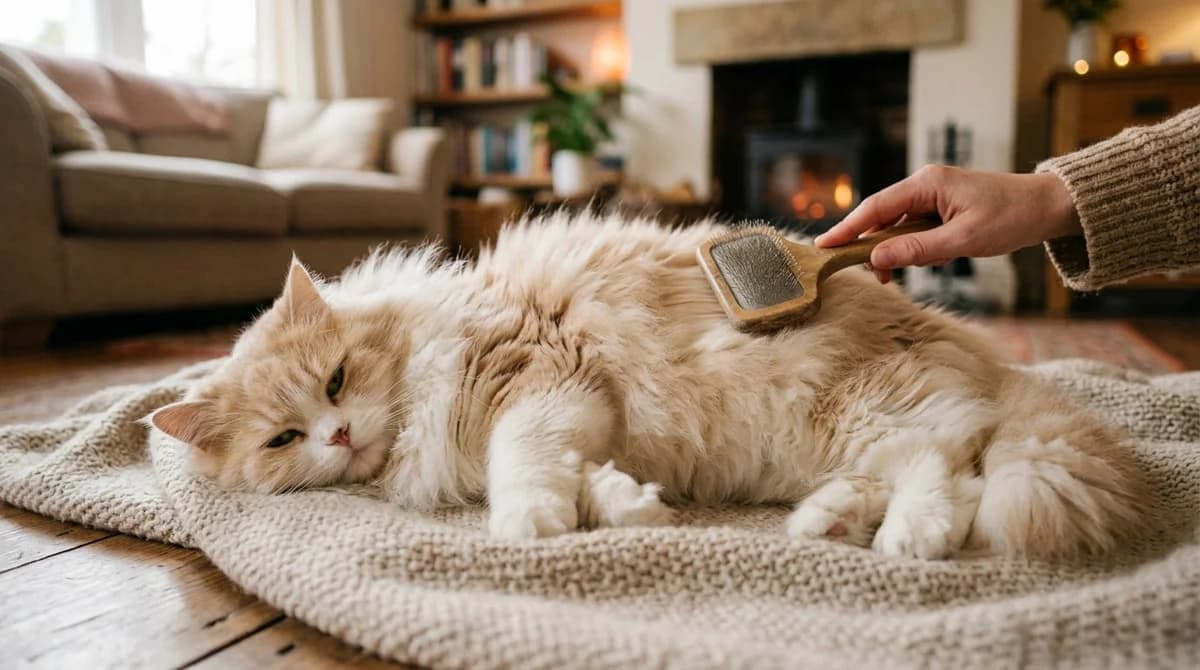
Run your hands along your cat's fur from head to tail, feeling for texture changes, scabs, or lumps. A healthy coat looks smooth and lies flat. Dull, greasy, or flaky fur can point to dental pain, arthritis, or a diet issue. Over-grooming can show up as thin fur on the belly or hind legs, and it is worth a conversation with your vet.
Eyes and ears
Eyes should look clear in natural light. A small amount of sleep in the corner is normal, but ongoing or colored discharge is not. If your cat keeps one eye half-closed, that is a clue that something hurts. For ears, gently fold back the flap and look inside. The lining should be pale pink with very little wax. A strong smell or dark debris means it is time to ask a vet.
Mouth and gums
Dental disease is common in cats, so check the gum line when your cat is relaxed. Gums should be pink and moist, although some cats naturally have dark gums. Compare one side with the other. Persistent bad breath, drooling, or dropping food can mean the mouth is uncomfortable and needs a vet's advice. For a step-by-step home routine, see our guide to brushing your cat's teeth.
Weight and body condition
Feel your cat's ribs with open palms. You should be able to feel them with light pressure, like the back of your hand. Look from above and check for a waist behind the ribs. Cats often gain weight slowly, so a scale is helpful if your cat tolerates one. A steady change in either direction is worth mentioning to your vet.
Hydration
Cats get much of their water from food, especially wet food, and they often drink little by little. Check that the gums feel moist. To test skin elasticity, gently lift the skin between the shoulder blades and release it; it should spring back quickly. This test becomes less reliable in older cats, so use it as one clue, not a diagnosis. If you suspect dehydration, contact your vet.
Behavior and energy
Behavior is part of health too. Notice whether your cat still jumps, plays, and grooms as usual. Litter-box changes, such as urine clumps that look different or a cat who suddenly stops using the box, can be early clues. If you see a change that lasts more than a day or two, call your vet.
How to make it a habit
Choose a regular day and time, such as Sunday evening, and keep the check close to something your cat already enjoys, like a grooming session or a favorite treat. Start at the head and always end with a reward. You do not need to measure everything every week; the goal is to notice new things sooner. A two-minute check is better than a long session that stresses you both. Over time, many cats learn to sit calmly through the routine.
What to do if you find a change
Do not panic. One flaky patch or a bit of wax is not automatically a problem. Make a note of what you saw and watch for a pattern. If the change stays for more than a few days, or if your cat seems more subdued than usual, call your vet. You don't need a diagnosis; describing what you noticed and when is enough. If you call, mention the date you first noticed the change, whether it is better or worse, and any other small differences. That detail helps your vet decide what to do next.
When to involve your vet
Home checks are a prevention layer, not a diagnosis tool. A vet has the stethoscope, blood pressure cuff, and experience to see what home checks cannot. If you notice a change that lingers, or if something simply seems off about your cat, trust that feeling and call your vet. It is always better to ask than to wait.
This checklist is for prevention, not diagnosis. It cannot detect early kidney disease, dental disease below the gum line, high blood pressure, or other conditions that need a veterinarian's tools. If your cat seems unwell, contact your vet rather than waiting.
Frequently Asked Questions
How often should I check my cat at home?
A short weekly check works well for most cats. Older cats or cats with health conditions may benefit from more frequent checks, but keep sessions calm and short.
My cat hates being handled. What can I do?
Break the check into tiny steps and reward each one with a treat. Check ears one day, gums another, and body condition later. Never force your cat; letting them leave builds trust for next time.
What is the easiest way to weigh a cat?
Use a kitchen scale for a cat who stays still. For a moving cat, weigh yourself while holding the cat, then weigh yourself alone and subtract that number. Weigh at the same time of day each week.
Can home checks replace the annual vet visit?
No. Vaccines, dental evaluations, blood work, and parasite prevention are important parts of preventive care. Home checks and vet visits work best together.
Key Takeaway
A simple weekly home wellness check helps you notice small changes before they become big ones. Learn what is normal for your cat, stay consistent, and let your veterinarian handle anything beyond what you can see at home.
Share this guide
Help another cat parent find it.