
The short answer
A well-cared-for indoor cat typically lives between 12 and 18 years, and it is not unusual for cats to reach their early 20s. The oldest cat ever verified lived to 38, but that is a rare outlier, not a realistic goal. Cats who roam outdoors without supervision have much shorter lifespans, often only 2 to 5 years, because they face traffic, predators, infectious disease, and other hazards every day. In short: a cat's surroundings, care, and genetics matter far more than any single average number.
What the actual numbers show
If you search for cat lifespan, you will see a confusing range of figures. That is because studies measure different groups. Many veterinary surveys look at cats treated at clinics and find median lifespans around 13 to 15 years. One large UK study of cats attending veterinary practices found a median of about 14 years. Research that includes outdoor cats and shelters brings the average down, because so many outdoor cats die young.
Why do sources disagree? Some websites quote a single lifespan, like 15 years, without saying whether outdoor cats were included. Early kitten deaths drag averages down, while well-cared-for indoor cats pull them up. For planning purposes, expect a healthy indoor cat's lifespan to be measured in decades, not years.
The most useful way to think about it:
- Indoor-only cats: commonly 12 to 18 years, with many living into their early 20s.
- Indoor/outdoor cats: somewhere in between, but outdoor access meaningfully raises risk.
- Outdoor-only or semi-feral cats: median lifespans around 2 to 5 years are frequently cited, though some individuals survive longer.
These are not rigid rules. Individual cats vary enormously. But the pattern across studies is consistent: the safest life is an enriched indoor one.
Why some cats outlive others
Lifespan is shaped by a mix of factors, not by one single cause.
Environment. This is the biggest lever. Indoor cats avoid cars, predators, poisons, and fights with other animals. Feline immunodeficiency virus (FIV) and feline leukemia (FeLV) spread far more easily among outdoor cats.
Spaying and neutering. Altered cats live longer on average. Neutered males roam and fight less; spayed females avoid uterine infections and have a much lower risk of mammary cancer.
Genetics and breed. Crossbred cats often have fewer inherited health problems. Among purebreds, breeds such as Siamese, Burmese, and Ragdoll are frequently described as long-lived, while some flat-faced breeds need extra management for breathing and dental issues.
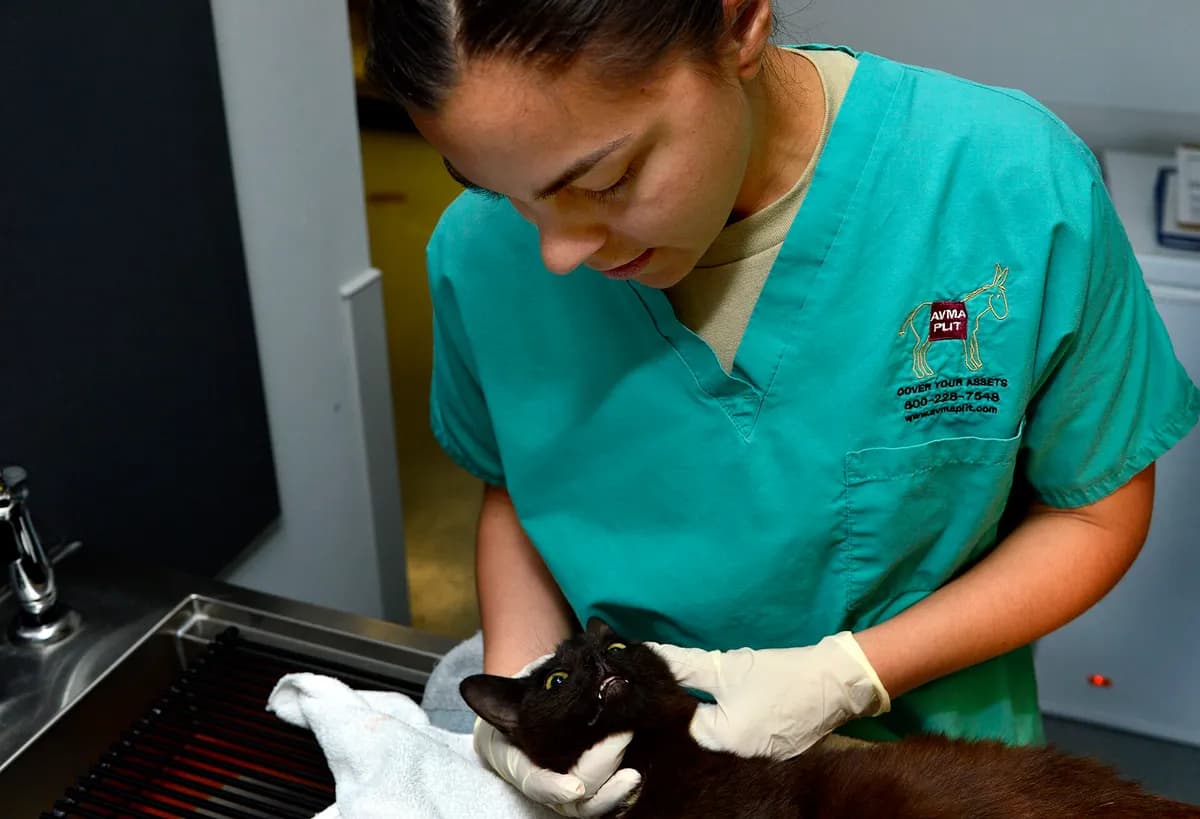
Healthcare. Cats hide illness well. Regular checkups, at least yearly and twice a year after age 10, catch kidney disease, hyperthyroidism, diabetes, and dental pain earlier, when they are easier to treat.
Nutrition and weight. Lean cats live longer than overweight cats. Obesity is linked to diabetes, arthritis, and urinary problems. Your veterinary team can help you set a healthy body condition goal.
The first months matter, too. Kittens who are vaccinated, dewormed, and fed a complete kitten food get the strongest start. Preventable infections and poor nutrition in kittenhood can create problems that shorten life years later.
A cat's life, stage by stage
Veterinary groups divide a cat's life into six stages. This staging comes from the American Association of Feline Practitioners and is now widely used by feline-friendly clinics.
| Life stage | Age | What it means for owners |
|---|---|---|
| Kitten | 0–6 months | Rapid growth, socialization, and vaccinations |
| Junior | 7 months–2 years | Full size, high energy, cat teenager |
| Prime | 3–6 years | Peak condition, usually very active |
| Mature | 7–10 years | Slowing slightly; watch weight and activity |
| Senior | 11–14 years | Twice-yearly vet checkups recommended |
| Geriatric | 15+ years | Many cats still thrive with adapted care |
What cat years really means
The old rule that one cat year equals seven human years is misleading. Feline aging is fastest early in life. A useful rough guide: a 1-year-old cat resembles a 15-year-old human, a 2-year-old cat a 24-year-old human, and each year after that adds roughly four human years. So a 10-year-old cat is around 56 in human terms, and a 15-year-old cat is around 76.
| Cat's age | Approximate human age |
|---|---|
| 1 year | 15 years |
| 2 years | 24 years |
| 5 years | 36 years |
| 10 years | 56 years |
| 15 years | 76 years |
| 20 years | 96 years |
These conversions are helpful for setting expectations, but they do not capture the individual cat. Some 15-year-olds act five years younger, and some 8-year-olds have health issues that need extra attention.
How to help your cat live a long, comfortable life
You cannot control your cat's genes, but you can control most of the things that determine whether they thrive.
- Keep them mostly indoors. If your cat craves outdoor time, consider a catio or harness training. Supervised outdoor time gives enrichment without the risk.
- Stay on top of veterinary visits. Yearly exams are the baseline; twice a year after age 10. Blood and urine tests can catch kidney or thyroid disease before symptoms appear.
- Spay or neuter early. Do it before 6 months of age unless your veterinarian advises otherwise.
- Feed a balanced diet and keep them lean. Ask your vet for a body condition score. A cat at a healthy weight has a visible waistline and ribs you can feel easily.
- Care for their teeth. Dental disease affects most cats by age 3 and is linked to heart and kidney problems. Home brushing, dental diets, and professional cleanings all help.
- Respect the litter box. Rule of thumb: one box per cat plus one extra. A suddenly picky cat may be trying to tell you something.
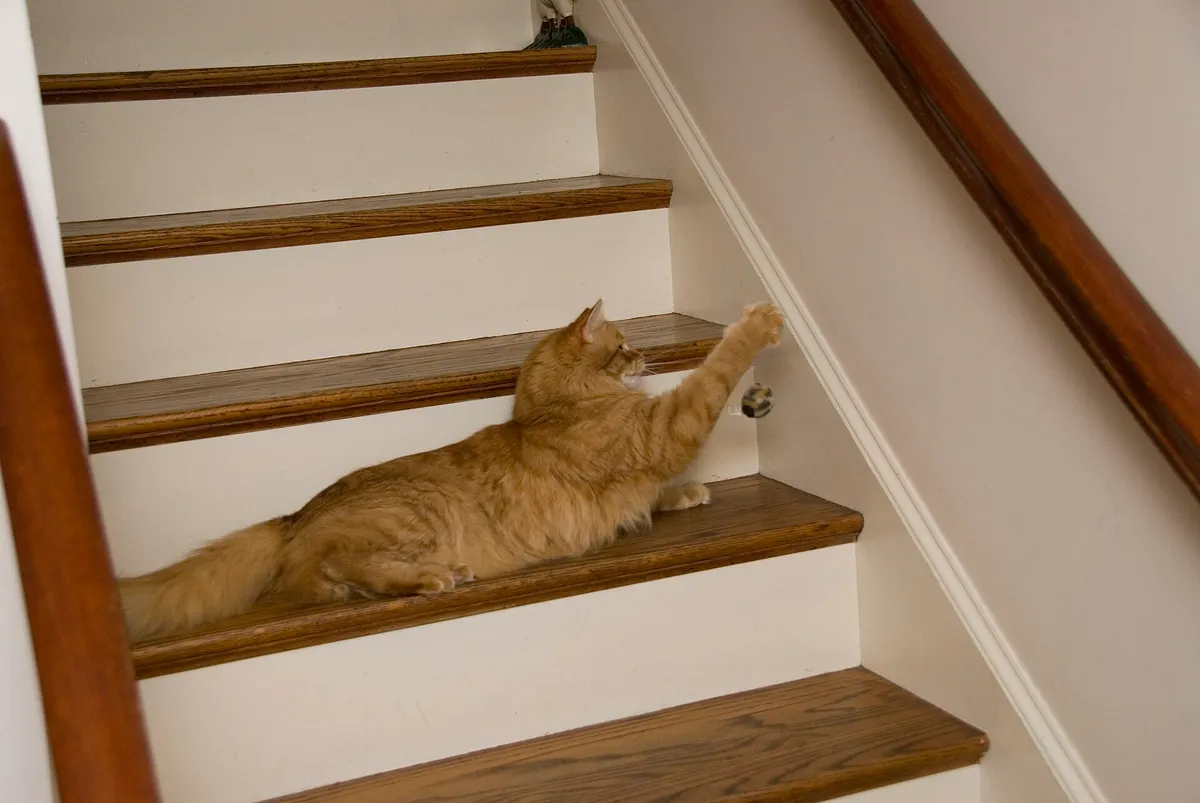
- Keep the mind and body active. Older cats still need play, perches, and your company. Lower the litter box sides or add ramps as joints stiffen.
- Minimize stress. Cats are sensitive to change. Moving, new pets, or a dirty litter box can trigger painful urinary problems. Keep routines as predictable as possible.
Sudden weight loss, increased drinking, hiding, changes in appetite, or trouble jumping are not just old age. In cats, these are often signs of treatable conditions like kidney disease, hyperthyroidism, or arthritis. If you notice any of them, book a veterinary visit rather than waiting to see if they pass.
When just old age is not the explanation
Many owners assume a senior cat who sleeps more, loses weight, or stops grooming is simply aging. But cats are masters of disguise, and a 12-year-old cat who seems fine might be hiding chronic pain or disease. Studies show that most cats over age 10 have some degree of arthritis, yet many owners never recognize the signs.
The good news: senior cats respond very well to treatment. Arthritis pain can be managed, kidney disease can be slowed with diet and hydration, and hyperthyroidism can be treated. The earlier these are caught, the better the outcome.
Aging is not a disease. A cat with arthritis can still enjoy low perches and gentle play, and a cat with kidney disease can thrive for years on the right plan. The goal is not just more years — it is more good years.
Frequently Asked Questions
Do indoor cats really live longer than outdoor cats?
Yes. Every major veterinary and welfare organization reaches the same conclusion. Indoor cats commonly live into their teens and sometimes their 20s, while outdoor cats' median lifespan is much shorter due to accidents, fights, and infectious disease.
What is the oldest cat ever recorded?
According to Guinness World Records, a Texas cat named Creme Puff lived to 38 years old. It is a fun record, but not a benchmark any owner should use to measure their cat's success.
When should I start treating my cat as a senior?
Most feline health organizations consider cats senior at around 10 to 11 years, with geriatric starting at 15. That is when twice-yearly vet checkups become especially important.
Can a 20-year-old cat still have a good quality of life?
Many geriatric cats do. With adapted diets, heated beds, lowered litter boxes, and more frequent vet care, plenty of cats in their late teens and early 20s continue to eat, play, and purr.
Does neutering or spaying affect lifespan?
Yes, on average. Altered cats live longer because they roam less, fight less, and avoid uterine infections and several cancers. It is one of the strongest single choices an owner can make.
Key Takeaway
A cat's lifespan is not a fixed number. The best available evidence points to one clear conclusion: an indoor life, early spaying or neutering, regular veterinary care, a lean body weight, and age-appropriate enrichment give your cat the best shot at a long, comfortable life. Most indoor cats live well into their teens, and with good care, many reach their 20s. Focus less on chasing a record and more on the routines that keep your cat healthy and happy today.
Share this guide
Help another cat parent find it.