The short answer
If you have ever wondered whether microchipping is safe and worth it, the answer for most cats is yes. A microchip is a tiny passive electronic tag about the size of a grain of rice. A veterinarian inserts it under the skin between the shoulder blades. It holds a unique 15-digit number but no personal information. When a lost cat is found and taken to a veterinary clinic or shelter, staff scan the body, read the number, search the registry, and use the contact details on file to call the owner. A chip is not a GPS tracker, so it cannot show your cat's live location. It is a permanent form of identification that can last for life. The insertion feels like a routine injection, needs no anesthesia, and most cats go home right away. It works best alongside a visible collar and, above all, an up-to-date registration.
How a microchip works
A microchip has no battery, no transmitter, and no GPS receiver. It is a small glass capsule containing a copper coil and a microchip. When a scanner passes over the skin, it sends a low-frequency radio wave. That wave briefly energizes the chip, which sends back its unique identification code. Most modern scanners read 134.2 kHz, the international ISO standard used by veterinary clinics and shelters. Some older chips use 125 kHz; universal scanners read both frequencies. The number on the chip is only a number. It is not a phone number or an address. It becomes useful only when a registry links that number to your contact details. If the registry is missing or outdated, the chip cannot reunite you with your cat. Insertion is only half the job; registration is the other half.
| Feature | Microchip | Collar with ID tag | | Primary job | Permanent ID linked to a registry | Visible ID a finder can read | | Can it be lost | Almost never | Can fall off, break, or be removed | | Needs updating | Yes, contact details | Yes, the tag itself | | Shows live location | No | No | | Expected lifespan | Designed to last for the cat's lifetime | Months to years, depending on wear |
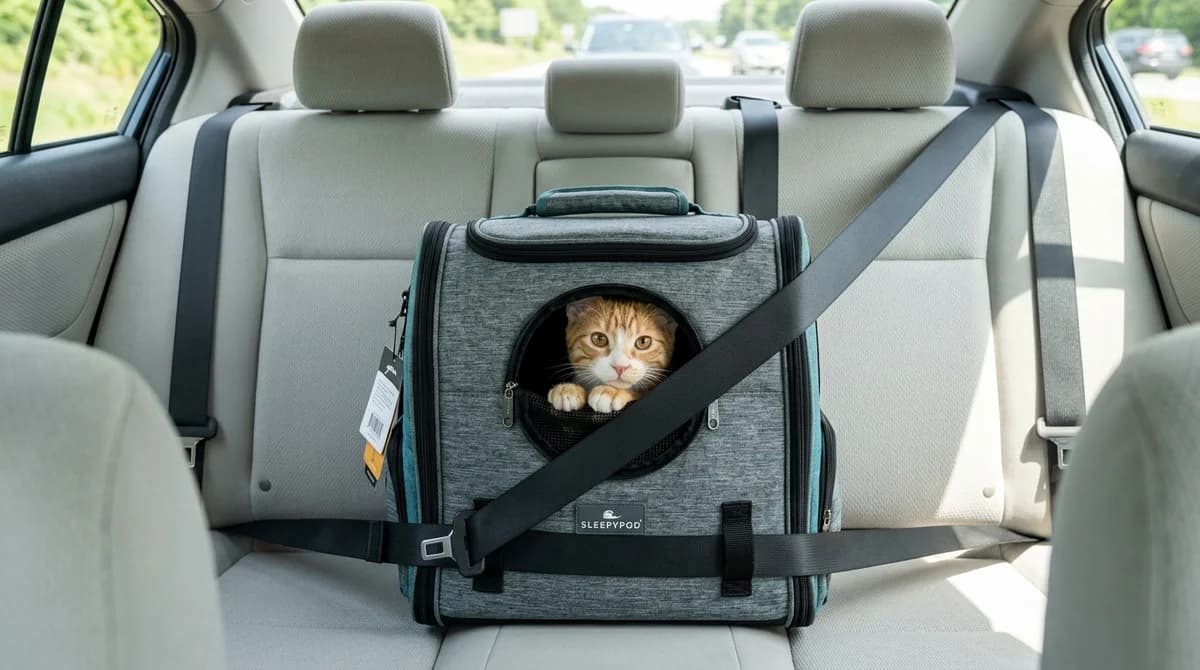
A collar with a phone number is still helpful because no scanner is needed. But breakaway collars are safer because they pop open under tension, which means they can come off during an escape. The microchip is the durable layer that stays with the cat when a collar fails. Using both gives your cat two chances of being identified.
What happens during a microchipping appointment
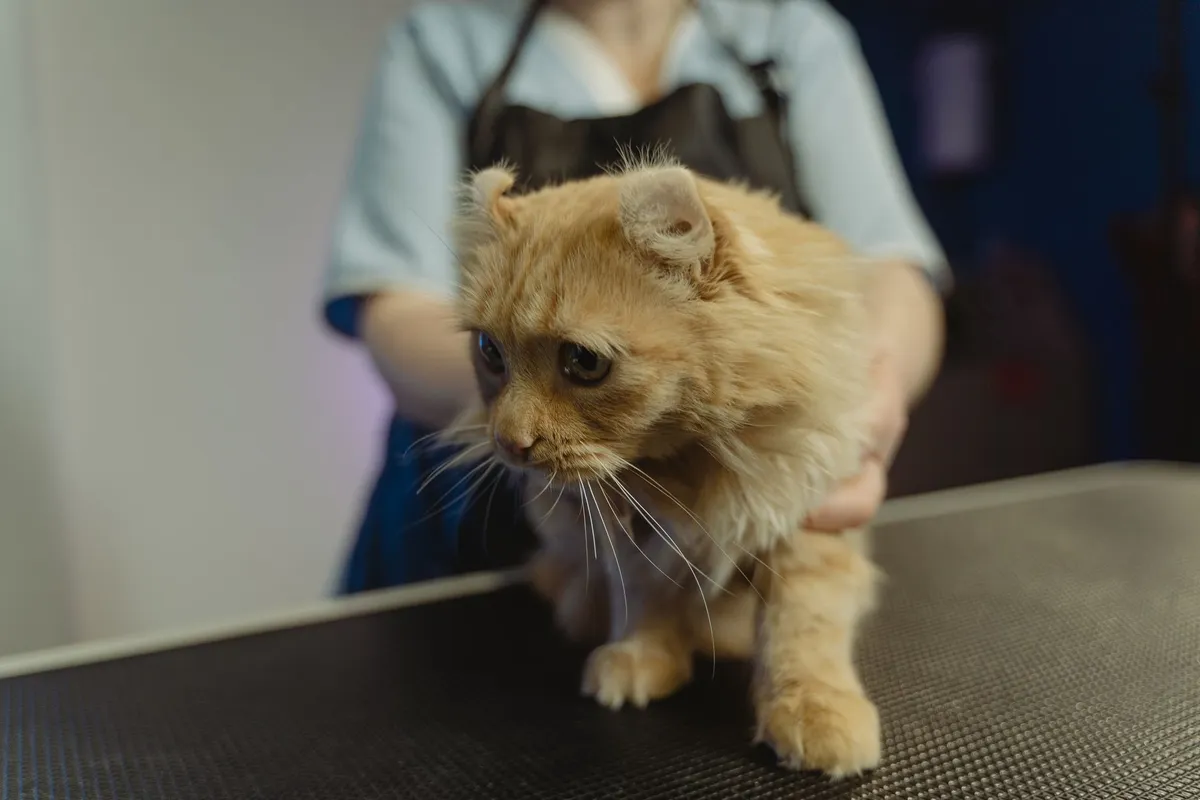
No fasting or sedation is needed. A veterinarian or veterinary nurse opens a sterile, single-use applicator that already contains the pre-loaded chip. The applicator looks like a needle and is placed under the loose skin between the shoulder blades. Insertion takes only a few seconds, and most cats react the same way they react to a vaccination: a quick pinch, maybe a flinch, and then it is over. The clinic should scan the chip immediately afterward to confirm that the number reads properly. There is usually no wound care, no cone, and no activity restriction, so your cat can go home right away. Kittens can be chipped at a young age, often with their first vaccines or during spay-neuter surgery. Adult and senior cats can be chipped during a regular wellness visit. Many clinics combine microchipping with another appointment to make the visit easier.
Is microchipping safe?
Any needle can cause a brief sting, slight bruising, or a little redness. In healthy cats, serious complications are uncommon. The chip is biologically inert and has no moving parts, so the body usually leaves it alone. Rare issues include microchip migration, failure to read, or swelling at the insertion site. Migration sounds concerning but is usually harmless; a chip can move a few centimeters, which is why vets scan the whole body rather than only the shoulder area. If you notice persistent swelling, discharge, or heat at the site, call your veterinarian. Ask the clinic to scan the chip at annual checkups so you know it still works and the number matches your paperwork.
Microchipping should always be done by a veterinarian or qualified veterinary professional. Never buy a microchip kit and try to insert it at home. Incorrect placement can cause pain, infection, or a chip that cannot be read. A professional can also scan after insertion and help you with registration.
Why registration matters more than the chip
The most common reason a microchip fails is not a broken chip; it is a missing or outdated registration. A chip number without a registry entry is like an ID badge with no employee file behind it. Register the chip in your name and phone number right after the appointment, or as soon as you adopt a cat with a chip already in place. If the cat's chip was implanted elsewhere, ask your vet to scan it, write down the number, and use a pet microchip lookup service to identify which registry holds it. You can usually transfer or add your contact information through that registry. Update your details whenever you move, change your phone number, or add a secondary emergency contact. Some registries charge a one-time fee, while others offer lifetime enrollment; ask your clinic what the fee covers and save the paperwork with your cat's health records.
Should indoor cats be microchipped?
Yes. Indoor cats can slip out when a guest opens a door, escape during remodeling, or bolt during fireworks or a thunderstorm. A scared, no-collar indoor cat can easily be mistaken for a stray. With a registered chip, a finder can bring the cat to a vet clinic or shelter for a scan and reach you quickly. Veterinary organizations now describe microchipping as an important safety layer for every cat, not just cats with outdoor access. Some regions also require cats to be microchipped by law, so it is worth checking local rules. Whether your cat is a confident explorer or a homebody, a microchip is a one-time, low-cost way to make sure there is always a way to connect your cat back to you.
What to ask your veterinarian
- Can you scan the chip before and after insertion so I can see the number?
- Which registry do you recommend, and does it have a lifetime option?
- What is the chip number, and can you give it to me in writing?
- If my cat is being spayed or neutered, can the chip be placed during that visit?
Frequently Asked Questions
How long does a microchip last?
A microchip has no battery and no moving parts, so most are designed to last for the cat's lifetime. Your vet can scan it during a regular visit to confirm that it still responds correctly.
Does microchipping hurt?
Most cats treat it like a quick injection. The needle is slightly larger than a vaccine needle because it carries the chip, but the procedure is over in seconds and most cats settle right away. Sedation is not usually needed.
Is a microchip the same as a GPS tracker?
No. A microchip only stores an ID number and cannot show you where your cat is. GPS trackers are battery-powered devices that transmit location data but need a collar and regular charging. They solve different problems, and a microchip is the more durable, permanent option.
What should I do after moving or changing my phone number?
Update the registry as soon as possible. This is the most important follow-up step. Also update the tag on your cat's collar so no one calls an old number. Keep written confirmation that the change went through.
I adopted a cat with a chip but no paperwork. Can I register it?
Usually, yes. Ask your vet to scan the chip and record the number. A pet microchip lookup service will tell you which registry to contact. That registry can help you transfer ownership or add your contact details.
Key Takeaway
Microchipping is simple, safe, and affordable, and it gives a lost cat a much better chance of being returned home. Yet a chip only works if it is scanned and connected to a registry with current contact information. Schedule the procedure with your vet, ask to see the chip scan, register the number the same week, and update your details after any big life change. Paired with a breakaway collar, microchipping is one of the most reliable ways to help your cat find her way back to you.
Share this guide
Help another cat parent find it.