The short answer
When choosing a cat for an apartment, breed matters less than the individual cat. No single best apartment cat exists, but breeds often described as calm, quiet, and adaptable to small spaces include the Ragdoll, British Shorthair, Russian Blue, American Shorthair, Persian, and Scottish Fold. These breeds tend to form close bonds with their people without demanding constant attention or announcing every thought at full volume. Even so, a mixed-breed cat with the right personality can be just as happy in a studio as a purebred, especially when the home provides vertical space, scratching posts, and regular play.
What makes a cat well suited to an apartment?
Living in an apartment means the cat's whole world fits in a relatively small footprint. Shared walls also mean a loud cat can create neighborly tension. The traits below are good starting points when you talk with shelters, breeders, or foster caregivers.
- Moderate to low energy levels. A cat that alternates between energetic play and relaxed naps often fits apartment life better than a high-drive athlete that needs constant running and jumping space.
- Lower vocalization. Cats who communicate with soft chirps and small meows are practical in close quarters, though all cats use their voices from time to time.
- Social flexibility. A breed that enjoys people but can handle a few hours alone during a workday is ideal for many apartment schedules.
- Scratching is non-negotiable. Scratching is normal cat behavior. The right scratching posts and training will protect your sofa better than choosing a particular breed.
- Independence without anxiety. Some breeds tolerate alone time more easily than others, but every cat benefits from toys, hiding spots, and predictable routines.
These traits are general tendencies, not guarantees. Individual personality, early socialization, and the environment you create matter just as much as the breed label.
Breeds often recommended for apartment dwellers
The table below lists breeds that are frequently described in veterinary and welfare resources as calm, quiet, or adaptable. Use it as a starting point, not a checklist.
| Breed | Energy | Vocalization | Grooming | Apartment notes |
|---|---|---|---|---|
| Ragdoll | Moderate | Soft and infrequent | Weekly brushing | Relaxed, follows people, adapts well to smaller spaces |
| British Shorthair | Low to moderate | Quiet | Weekly brushing | Independent and easygoing, enjoys cozy hideaways |
| Russian Blue | Moderate | Quiet | Weekly brushing | Gentle and somewhat reserved, deep bond with one family |
| American Shorthair | Moderate | Chirps and trills | Weekly brushing | Adaptable, friendly, active without being frantic |
| Persian | Low | Quiet | Daily brushing | Very calm, suited to quiet homes, high grooming commitment |
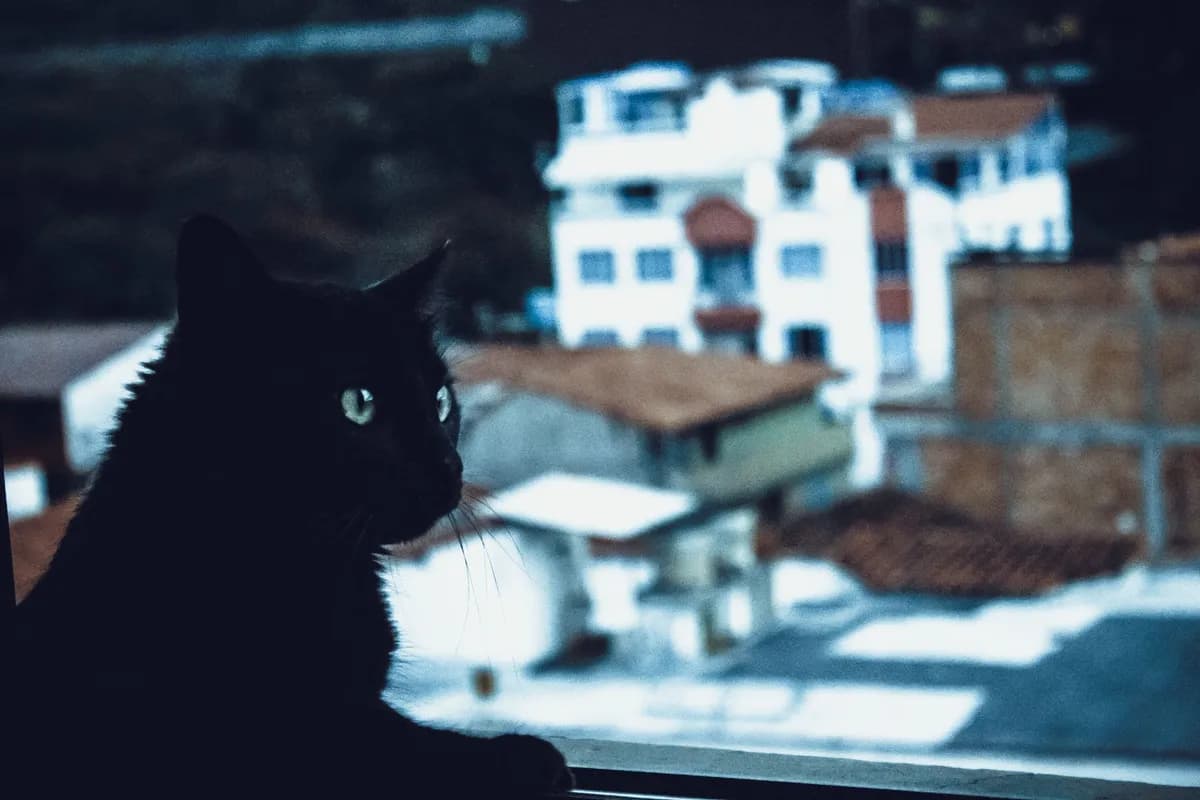
| Scottish Fold | Low to moderate | Quiet | Weekly brushing | Affectionate, calm, often found watching the world from a window |
Other breeds you may see listed for apartments include the Sphynx, which is people-loving but playful and needs regular bathing, and the Burmese, which is social and chatty. The Siamese is affectionate but famously vocal, so it may not be the best choice if noise is a concern. Remember that every cat within any breed can differ; some Siamese are quiet and some Persians are lively.
What makes a cat neighbor-friendly?
Neighbor-friendly means different things to different buildings: fewer loud meows, minimal overnight zoomies, and no scratching on shared walls. Quiet breeds such as the British Shorthair and Russian Blue are common recommendations because they express themselves calmly. But neighborly behavior is also a management task. Cats are naturally more active at dawn and dusk. Redirect that energy with scheduled play sessions before you leave and around sunset. Provide a window perch with a soft bed so the cat can watch birds rather than yowl at the door. Also place a scratching post next to any furniture you want to protect, because a well-directed scratch beats a confused one.
What about hypoallergenic breeds?
No breed is completely hypoallergenic. All cats produce allergens in their saliva, skin, and urine. Some breeds, like the Russian Blue and Sphynx, are often reported by allergy sufferers to be easier to live with, but that is anecdotal and varies from person to person. If allergies are a concern, spend time with an adult cat of the breed before adopting, and talk with a doctor about management strategies. In a small apartment, keeping litter boxes clean, brushing the cat regularly, and using a vacuum with a HEPA filter can help reduce allergens.
Apartment setup tips beyond breed
Even a calm breed will struggle in a bare room. Set up the space to meet natural cat needs.
- Go vertical. Cat trees, shelves, and wall perches massively increase the usable area of a small home.
- Provide a litter box away from food and loud appliances. A practical rule is one litter box per cat plus one extra.
- Create hiding spots. Cardboard boxes, covered beds, and towels under furniture give cats safe places to retreat from hallway noise.
- Build exercise into a routine. Ten to fifteen minutes of play, done twice a day, can replace a large apartment.
- Use puzzle feeders. Some cats enjoy working for food, which keeps the brain busy during the day.
Before you adopt, confirm your building allows cats. Also, avoid unsupervised balcony time and open window access. Secure windows and balcony doors with sturdy screens or netting set into the frame. Cats can slip through surprisingly small gaps.
Frequently Asked Questions
Are some cat breeds too noisy for apartments?
Yes. Breeds like Siamese and Oriental Shorthairs are known for loud, frequent vocalization. If you share walls with neighbors, a quieter breed may fit better. That said, shelter staff can often tell you whether an individual cat tends to chatter or is mostly quiet, which is even more useful than a breed label.
Is it better to adopt an adult cat for an apartment?
Often, yes. Kittens are full of energy and their adult personalities are still forming. Many adult cats already have known temperaments, activity levels, and litter box habits. A foster caregiver can tell you whether a cat enjoys other people, tolerates elevators, or remains calm in a small room.
Do apartment cats get bored easily?
Not necessarily. Boredom is usually a sign of unmet needs, not a lack of square footage. Cats in apartments do well with vertical space, interactive play, and a view outside. A rotating selection of toys and cardboard boxes can keep a cat engaged for weeks.
Can I keep an active breed in an apartment?
Yes, if you are ready to meet its exercise needs. High-energy cats can live in small homes when play sessions are consistent and vertical space is generous. Talk to rescue groups about specific active cats, because an individual's behavior may be calmer than the breed stereotype.
Should I get two cats in an apartment?
Two cats can be wonderful companions, but only if they get along and you have enough resources. In a small home you need extra litter boxes, feeding stations, and places to climb and hide. For some energetic cats, a same-age playmate helps reduce boredom; for others, a solitary life is calmer. Let the cats' known preferences guide you.
Key Takeaway
The best apartment cat is the one whose personality fits your home, schedule, and willingness to manage daily care. Breed descriptions are a helpful first step, but they cannot predict the individual. Look for a calm, moderately social cat that tolerates alone time, and create a home with perches, scratching posts, toys, and quiet retreats. With the right setup and a fair temperament match, almost any cat can thrive in an apartment.
Share this guide
Help another cat parent find it.