
The short answer
The safest choice for a cat is overwhelmingly indoor living, or indoor life with supervised outdoor time. Cats who stay inside — or experience the outdoors only on a harness, in an enclosed catio, or under your watchful eye — avoid the biggest killers of free-roaming cats: cars, other animals, and contagious diseases. That doesn't mean indoor life is automatically a good life. Cats are natural hunters and explorers, and if an indoor home is boring, cats can develop weight problems and behavior issues. A better way to frame the decision is not "indoor OR outdoor" but "indoor AND outdoor enrichment": a home that gives a cat plenty of stimulation, plus safe, supervised access to fresh air when possible.
Why veterinary organizations lean indoor
Nearly every major cat welfare group, including the Cornell Feline Health Center, International Cat Care, and the ASPCA, advises keeping cats indoors or providing contained outdoor access. The reasons show up in emergency clinics every day: a cat hit by a car, a cat abscessed from a fight with another cat, a cat with a hunting injury, a cat who drank antifreeze or ate rodent bait. Free-roaming cats are also at higher risk for feline leukemia virus (FeLV), feline immunodeficiency virus (FIV), and parasites such as fleas, ticks, and worms. These are not abstract risks; they are the most common reasons outdoor cats tend to have shorter lives than indoor cats.
At the same time, these groups emphasize that indoor cats need an environment designed for their needs. A cat who lives in a bare apartment with no scratching posts, no high perches, and no interactive play can become bored, anxious, or overweight. So the real question is not only "inside or outside?" — it's "does this cat have an interesting, safe life?"
Indoor cats: what they gain and what they trade away
A strictly indoor cat is protected from many dangers, but protection is not the same as fulfillment. Look at both sides honestly.
The advantages of indoor life
- No traffic risk
- No encounters with stray or wild animals
- Far lower exposure to infectious diseases and parasites
- No risk of being poisoned by antifreeze, rodent bait, or toxic garden products (assuming you cat-proof your own home)
- Cats cannot wander off, get trapped, or be mistaken for strays
- No impact on local wildlife
The downsides of indoor life
- Less natural stimulation unless you build it in
- Higher risk of obesity and related issues if the cat is sedentary and free-fed
- Possible behavior issues, such as overgrooming or scratching furniture, when needs go unmet
- More responsibility on you to provide play, climbing, and mental challenges
Outdoor cats: freedom and fulfillment, with high stakes
Outdoor access can be wonderful for a cat in terms of exercise and mental stimulation. A garden or yard offers changing smells, sounds, and prey, and a cat who patrols a territory is rarely a bored cat. But that freedom comes with risks no owner can fully control.
What cats get from outdoor time
- Natural behaviors: exploring, climbing, hunting, sensing prey
- More physical exercise than most indoor environments provide
- A constantly changing sensory environment
What outdoor cats risk
- Motor vehicles — the most common cause of death in free-roaming cats
- Fights with other cats, often leading to abscesses and disease transmission
- Predators, including coyotes, dogs, and, in some regions, birds of prey
- Poison: antifreeze, rodenticides, toxic plants such as lilies, and garden chemicals
- Being deliberately or accidentally harmed by people
- Getting lost, trapped, or claimed by another household
- Parasites and contagious viruses such as FeLV and FIV
The comparison at a glance
| Factor | Indoor cat | Outdoor cat |
|---|---|---|
| Lifespan | Generally longer, because fatal accidents and disease are far less common | Generally shorter; trauma and infection are the main reasons |
| Enrichment | Low unless you design an enriched home | Naturally high, from territory patrol and hunting |
| Exercise | Depends on play and space; obesity is a risk if sedentary | Typically higher, through roaming and climbing |
| Parasites | Lower risk, though fleas can still enter the home | Higher risk, from contact with wildlife and contaminated areas |
| Contagious disease | Much lower risk | Higher risk (FeLV, FIV, upper respiratory infections) |
| Impact on wildlife | None | Significant; cats kill large numbers of birds and small mammals |
| Monitoring | Easy — you notice changes in appetite and behavior quickly | Hard — signs of illness may be missed for days |
The middle path: supervised outdoor time
You do not have to choose between a strictly indoor life and free-roaming risk. Many owners find a safe middle path.
Build or buy a catio
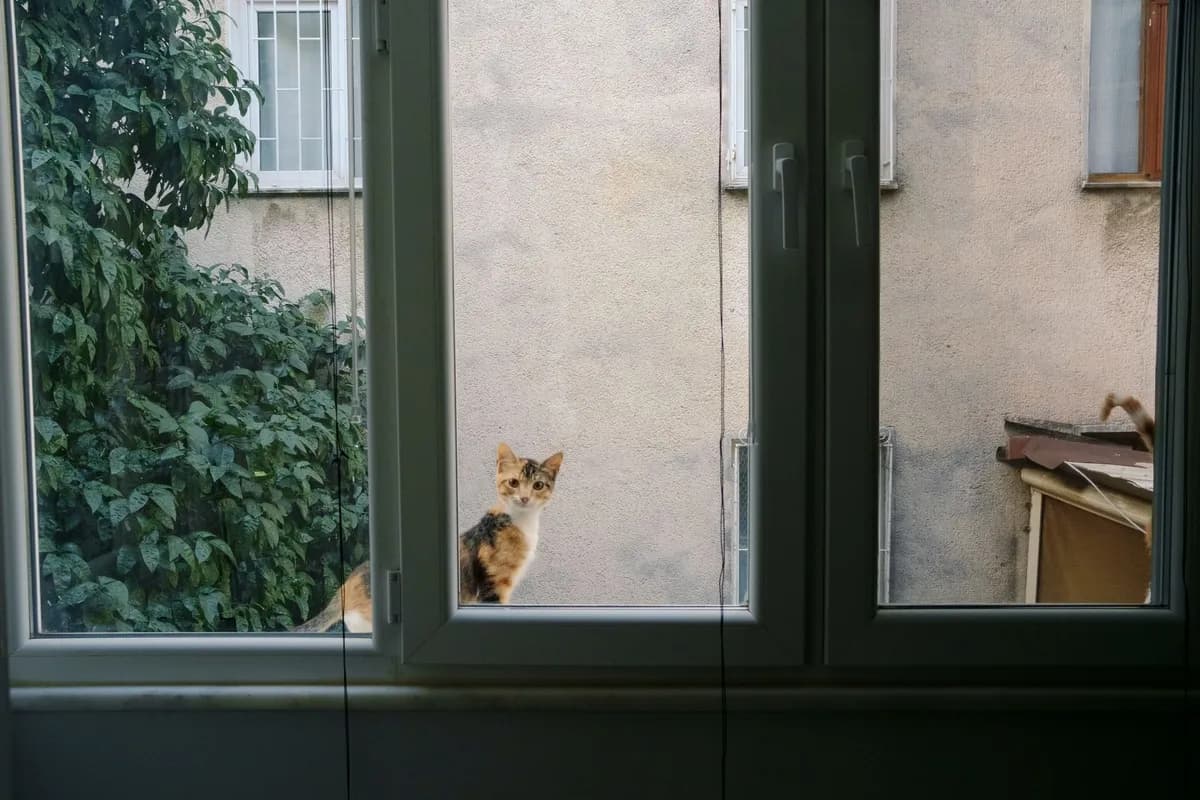
A catio is an enclosed outdoor space — anything from a window box to a walk-in screened porch. It gives a cat fresh air, sunlight, and outdoor sounds without the traffic or predator risks. Welfare groups strongly recommend this option. Even a simple window perch can serve as a small "balcony" and is a great starting point—just ensure you follow proper window and balcony safety for cats to secure screens and high-rise perches against accidental falls.
Train your cat to walk on a harness
Many cats can learn to walk on a comfortable harness and leash. Start indoors, use high-value treats, and let your cat set the pace. Never use a collar and leash for walks — cats can slip out of collars, and leash pressure on the neck can injure them. Harness walking is a good compromise for adventure-loving cats.
Supervised yard time
If you have a yard, you can allow your cat 10–20 minutes of supervised exploration, or use a "cat run" — a long enclosure fixed along a fence line. Supervision must be active: your eyes on the cat the whole time.
Supervising from the kitchen while you check your phone is not supervision. A cat can slip under a fence, eat something harmful, or be carried off by a predator in seconds. If you cannot give the cat your full attention, return to indoor enrichment or bring the cat inside.
How to make indoor life genuinely good
If your cat lives indoors — or mostly indoors — the home needs to do the work that a territory would normally do. Here are the essentials:
- Vertical space: cat trees, wall shelves, and window perches let a cat climb and observe, satisfying strong instincts.
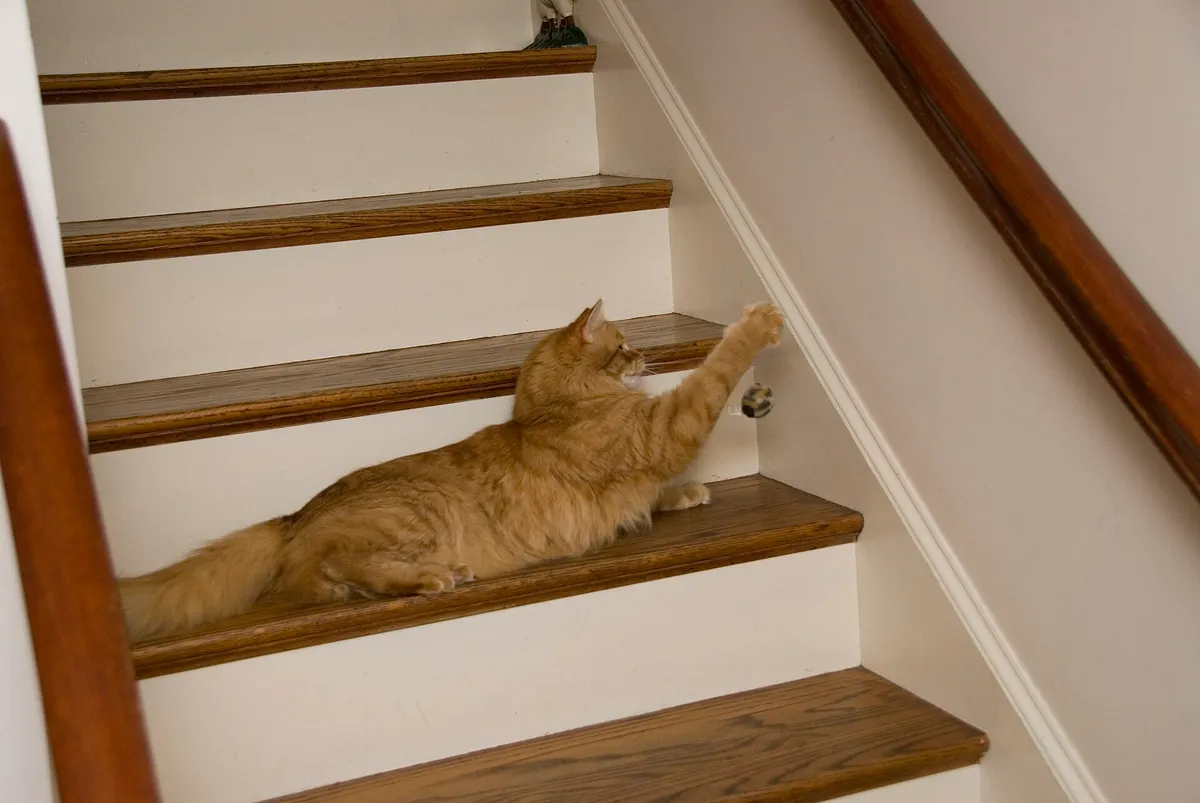
- Hunting outlets: interactive wand toys, treat-dispensing puzzles, and a regular play schedule (two or three sessions a day, even short ones) channel prey drive safely.
- Variety that rotates: cats habituate to toys quickly. Rotate toys, hide treats around the house, and occasionally rearrange scratching posts and boxes.
- Safe plants and cat grass: many indoor cats enjoy nibbling cat grass or catnip, but always confirm that plants are non-toxic.
- Window access: a perch with a view of birds and outdoor activity is one of the best free enrichment tools you have.
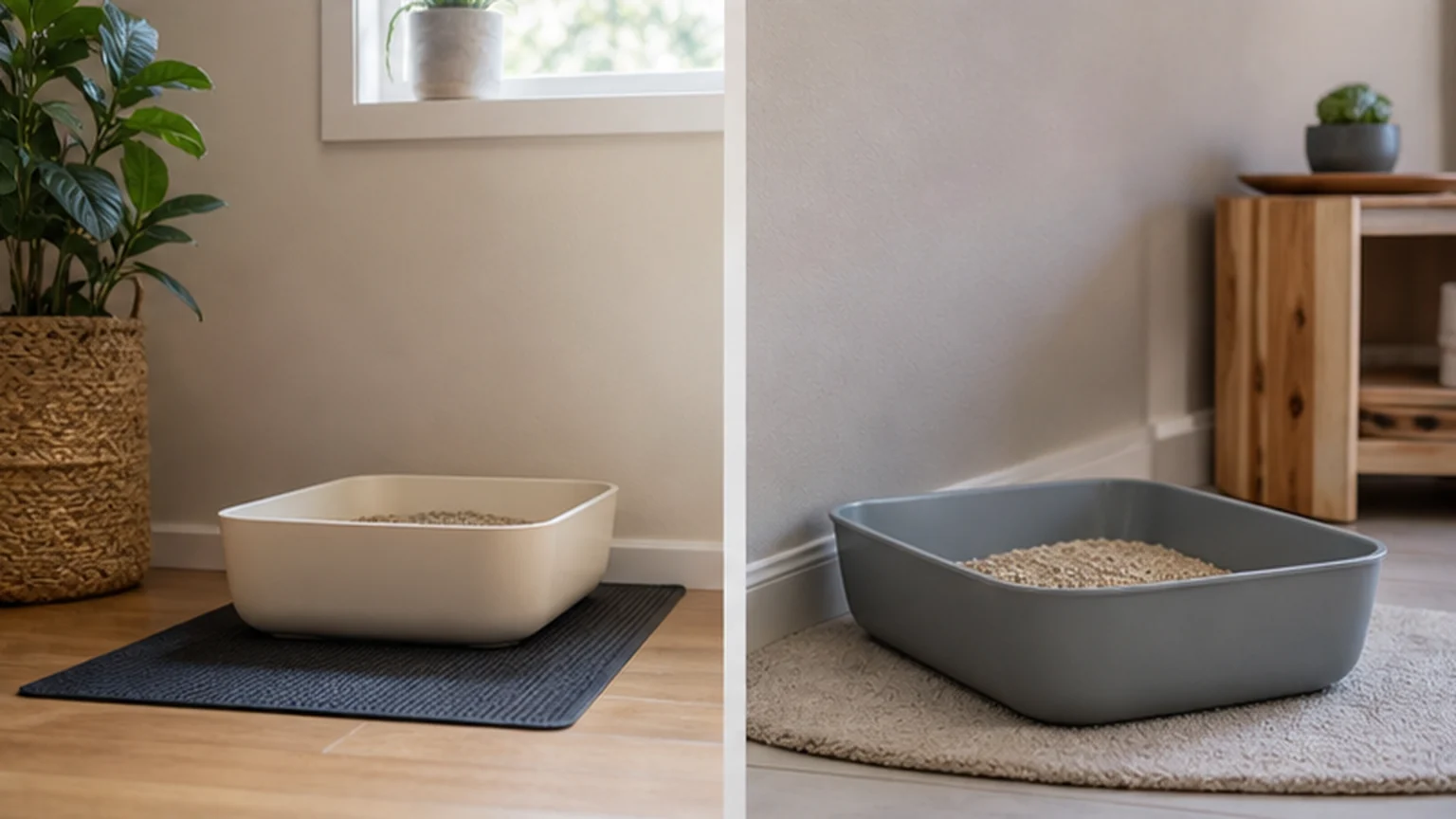
- Multiple cats? Provide food, water, litter, and resting spots in multiple locations to reduce tension.
These efforts are not over-engineering. For an indoor cat, enrichment is not a luxury — it is the core of health.
If you do allow free-roaming time
Sometimes a cat's history makes free-roaming hard to change immediately, such as an ex-outdoor rescue. If you allow outdoor time, at least reduce the risks:
- Neuter or spay — this reduces roaming, fighting, and urine spraying.
- Microchip and breakaway collar — a breakaway collar releases if it snags on a branch.
- Keep vaccinations and parasite control current — talk to your veterinarian about whether FeLV vaccination makes sense in your area.
- Time limits — many owners bring cats in at dusk and dawn, when risks peak.
- Know your neighborhood — antifreeze collecting in driveways, lily bouquets in neighbors' gardens, rodent bait, and coyote sightings are all real hazards.
Some common items are extremely dangerous to cats: lilies (all parts can cause kidney failure), antifreeze (even a tiny taste can be fatal), rodent poisons, and slug bait. Before letting a cat outside, learn what hazards exist in your immediate area.
Frequently Asked Questions
Do indoor cats get bored?
Yes, if the environment is monotonous. A cat with no climbing, play, or novel experiences can develop the feline equivalent of cabin fever: overgrooming, excessive vocalizing, or destructive scratching. The fix is enrichment, not necessarily outdoor access.
Can an outdoor cat adapt to indoor life?
Usually, yes, with patience. Senior cats and cats who have slowed down often adapt especially well. Provide window perches, plenty of play, and a predictable routine. Expect a transition period of a few weeks in which the cat may pace or ask to go out; keep the change gradual and consistent.
Are some cats safer outdoors than others?
No. Size, breed, and toughness do not protect a cat from cars, poisons, or contagious disease. Kittens and senior cats are especially vulnerable, but every free-roaming cat faces the same fundamental risks.
Is a catio really worth it?
For many owners, yes. A catio provides most of the mental benefits of outdoor time with almost none of the danger. Even a small window-box catio can transform an indoor cat's quality of life.
Key Takeaway
Outdoor cats experience a richer sensory world but pay for it with substantial risks; indoor cats are safer but depend on you to make their world interesting. The strongest choice most owners can make is a primarily indoor life with structured outdoor opportunities — harness walks, supervised garden time, or a catio — paired with serious indoor enrichment. If your cat already roams freely, the goal is not perfection; it is reducing the biggest risks that veterinary clinics see every day: cars, contagion, and poisons.
Share this guide
Help another cat parent find it.