The short answer
To remove cat urine smell from carpets, start by blotting fresh urine with paper towels to absorb as much liquid as possible. Then apply an enzyme-based carpet cleaner that breaks down the proteins and uric acid in cat urine. Always spot-test the cleaner on a hidden area first. After the cleaner has had time to work, let the carpet dry completely, ideally with airflow and gentle heat. If your cat repeatedly uses the same spot, the underlying padding may need attention, and addressing the reason for the marking is just as important as the cleanup.
Why the smell keeps coming back
Urine contains uric acid and other compounds that don't wash away with ordinary household cleaners. When moisture returns—like humidity in the air—the residue can recrystallize and release odor again. That's why a simple wet-vac or soapy scrub often doesn't end the smell. Enzyme cleaners are formulated to break down these organic compounds into gases and residue that can be wiped away. Choosing a cleaner labeled "enzymatic" and designed for pets is a more effective approach for carpet fibers and the padding underneath.
Cleaners that can make things worse
Avoid using bleach, ammonia-based products, or heavy steam cleaners on cat urine. Bleach and ammonia can create dangerous reactions with each other and may also bond with the uric acid in urine, making the odor harder to remove. Steam cleaners can set the protein, leaving a permanent smell and stain. A simple carpet shampooer may not reach the urine deep in the padding and can leave it damp. Stick with an enzymatic cleaner designed for pet stains, and always test a small area first.
Always work in a well-ventilated room, wear gloves, and keep cleaning products away from pets and children while you work. Check your carpet's care label before applying anything, and never mix cleaning products together, as this can create unsafe fumes.
What you'll need
Gather these tools before you begin so you can work quickly. Most are common household items; the enzymatic cleaner is available at pet supply stores.
| Item | Why it's useful |
|---|---|
| Paper towels | First-line blotting to soak up fresh urine |
| Enzymatic cleaner | Breaks down the urine compounds that cause odor |
| Clean cloths | For blotting and rinsing |
| Soft brush | Gently work the cleaner into carpet fibers |
| Fan or dehumidifier | Speeds drying and prevents secondary issues |
A spray bottle helps you apply the cleaner evenly, and gloves protect your hands from strong formulas. Choose a cleaner that lists "enzymatic" or "enzyme-based" on the label. Look for specific enzymes like protease or lipase, which target urine proteins and fats. Avoid products that are mostly fragrance, since they mask the smell and don't break down the source.
The cleaning process
Blot fresh urine
Rubbing pushes urine deeper into the carpet and padding. Blotting pulls it out. Use a stack of paper towels, press down firmly, and lift. Repeat until little to no liquid transfers. If you're dealing with a large accident, put on disposable gloves or use a plastic bag over your hand to keep the mess contained. For older stains, this step won't remove everything, but it still helps dampen the area and prepare the fibers. If the accident is fresh, the heavier the blotting, the less work the enzyme cleaner will have to do. Avoid stepping on the area, and keep your cat away until the spot is fully dry.
Spot-test the enzymatic cleaner
Before using a cleaner on the whole stain, test it on a hidden area—like an inside corner of the closet or under a couch cushion. Apply a tiny amount, wait a few minutes, and blot dry. Check the color fastness and feel of the fibers. Some carpets can discolor with certain cleaners. If the test area looks and feels unchanged, you can proceed with confidence. This simple step protects your carpet finish and avoids making a larger mess. Always read the label for dilution instructions and keep pets off the area until dry. For older or heavily used carpets, spot-testing is even more important because the fibers can be more fragile.
Apply the enzymatic cleaner
Following the label instructions, spray or pour the cleaner over the affected area. Don't flood the carpet—saturate enough to reach the fibers but avoid soaking through to the padding. For a deeper accident, you can gently work the cleaner in with a soft brush or your fingers, wearing gloves. Allow the cleaner to stay on the spot for the time written on the label—often 10 to 15 minutes—so the enzymes can properly break down the odor-causing material. Blot the area again to pick up the released liquid. Letting the cleaner work too long can dry out the fibers, so stick to the recommended time.
Dry thoroughly
Damp carpet is a magnet for new smells and can invite mold. After blotting the cleaner, open windows, turn on a fan, or use a dehumidifier. Let the carpet dry completely before allowing your cat back into the room. If you have a wet-dry vacuum, you can use it to pull out excess moisture. For small spots, place clean towels and press to absorb. Drying can take several hours, so plan accordingly. If you have a fan, aim it at the damp spot to speed up evaporation. If the smell lingers after the carpet is dry, you may need to repeat the process or reset the spot with a second enzyme application.
When the smell lingers
If you've followed the steps and the odor remains, the urine may have soaked into the carpet padding or even the subfloor. Residential cleaning machines often aren't strong enough to reach that deep. At this point, you may consider a professional cleaner who specializes in pet odors, or replacing the padding and carpet if they are saturated. Also consider whether the area is being re-marked. Cleanup removes the evidence, but if your cat continues to urinate there, address the reason—litter box preferences, stress, or territory—with guidance from your veterinarian.
Frequently Asked Questions
Can I use vinegar and baking soda instead?
Vinegar and baking soda can help with mild odors, but they don't break down uric acid as effectively as enzyme cleaners. They can be a useful first cleaner, but for persistent smells, an enzymatic product is more reliable.
Does the cleaner work on old stains?
Enzymes need to reach the residue. Old, dried urine may take multiple applications. Clean and dry the area first so the enzyme solution can penetrate.
Is vinegar safe for carpets?
Vinegar is usually safe on many carpet types, but it's acidic. Test it on a hidden area first, and never mix it with other cleaners like bleach.
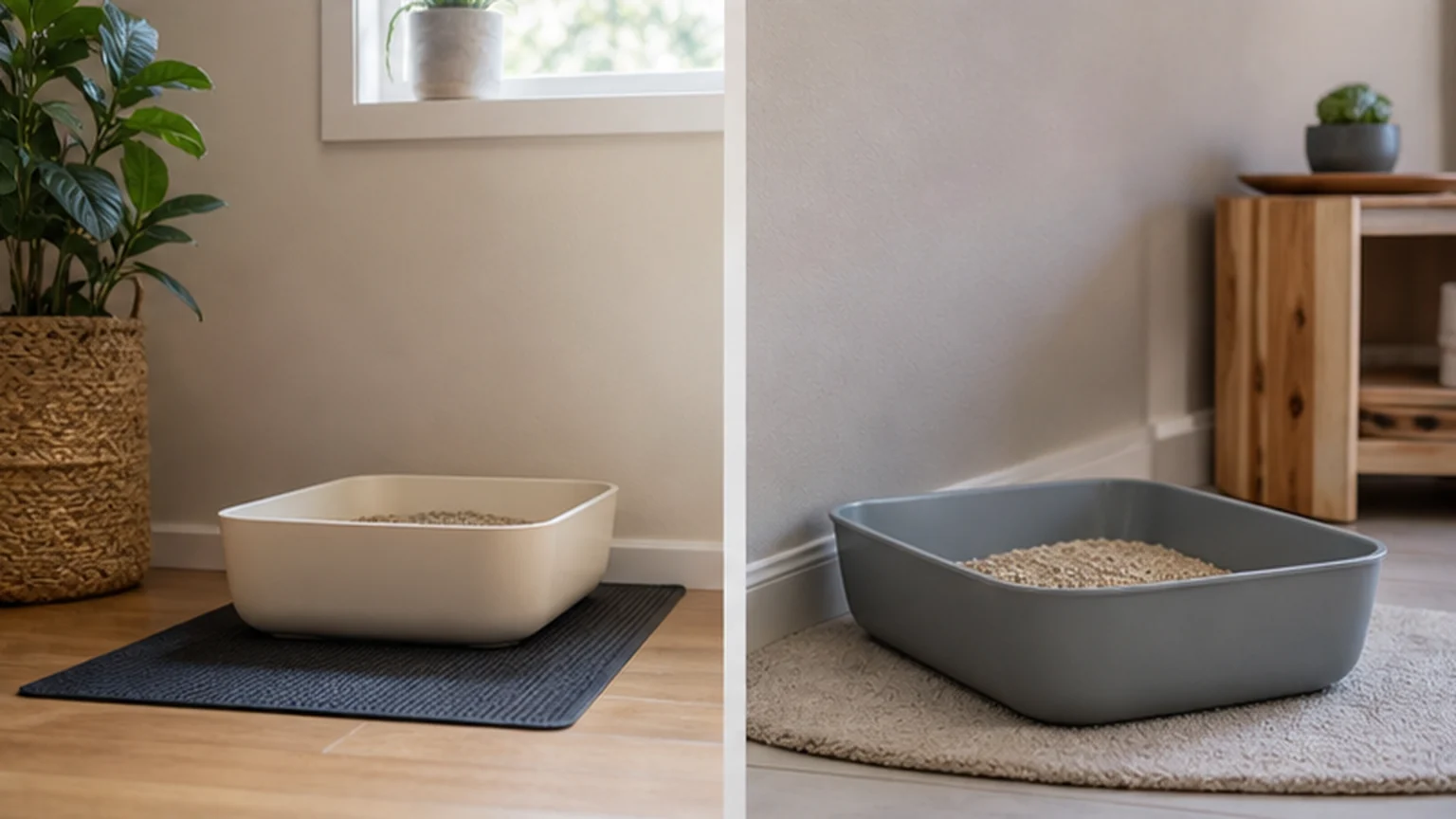
How can I get my cat to stop using the same spot?
Thoroughly clean the spot, then change the environment—place a litter box nearby, use an enzymatic cleaner to remove the scent, and try a deterrent mat or citrus scent. Avoid anything that could be unsafe for your cat. If the behavior continues, talk to your vet.
Should I hire a professional?
If the smell is still strong after a few cleanings, or if your cat keeps returning to a spot, professional pet-odor cleaners have trench extractors and specialized products that can reach deep layers. In severe cases, the padding may need to be replaced.
Key Takeaway
A reliable cleanup routine—blot, enzyme, dry, and spot-test first—can eliminate most cat urine odors from carpet. The key is to work before the residue sets, let the enzymes do their job, and give the area enough time to dry fully. When odors persist, look beyond the stain and address the cause of the behavior.
Sources & Scientific References (3)
Share this guide
Help another cat parent find it.