The short answer
You can't stop a cat from shedding — shedding is a normal, healthy process that replaces old hair and helps regulate body temperature. What you can do is keep loose hair from drifting onto every surface by brushing regularly, supporting skin health with a balanced diet and good hydration, and learning to tell the difference between ordinary seasonal shedding and changes that deserve a veterinary appointment. For most cats, a steady grooming routine plus omega-3s from food makes the coat look better and reduces the fur you vacuum up. The goal is "less," not "never."
Why cats shed so much
Your cat's coat works in cycles. Each hair grows, rests, and eventually falls out, making room for a new one. The total amount of shedding depends on genetics, breed, coat type, light exposure, and temperature. Cats with a thick undercoat, like Maine Coons and Persians, can release surprising amounts of fur; short-haired cats shed too, but the loose strands are less noticeable.
Indoor cats often shed year-round because artificial light and steady temperatures blur the seasonal signals. Outdoor or sheltered cats tend to shed most heavily in spring and fall. Stress can also cause extra coat loss, but a shedding cat isn't "angry" or trying to make a point — it's simply biology. The best response to a heavy shed is usually a brush, not a grudge.
Even a perfectly healthy cat will lose hundreds of hairs a day. The exact number varies by breed and season, and a "non-shedding" cat doesn't really exist outside hairless breeds. Knowing this baseline helps you avoid chasing a zero-hair lifestyle that isn't possible.
Build a smart brushing routine
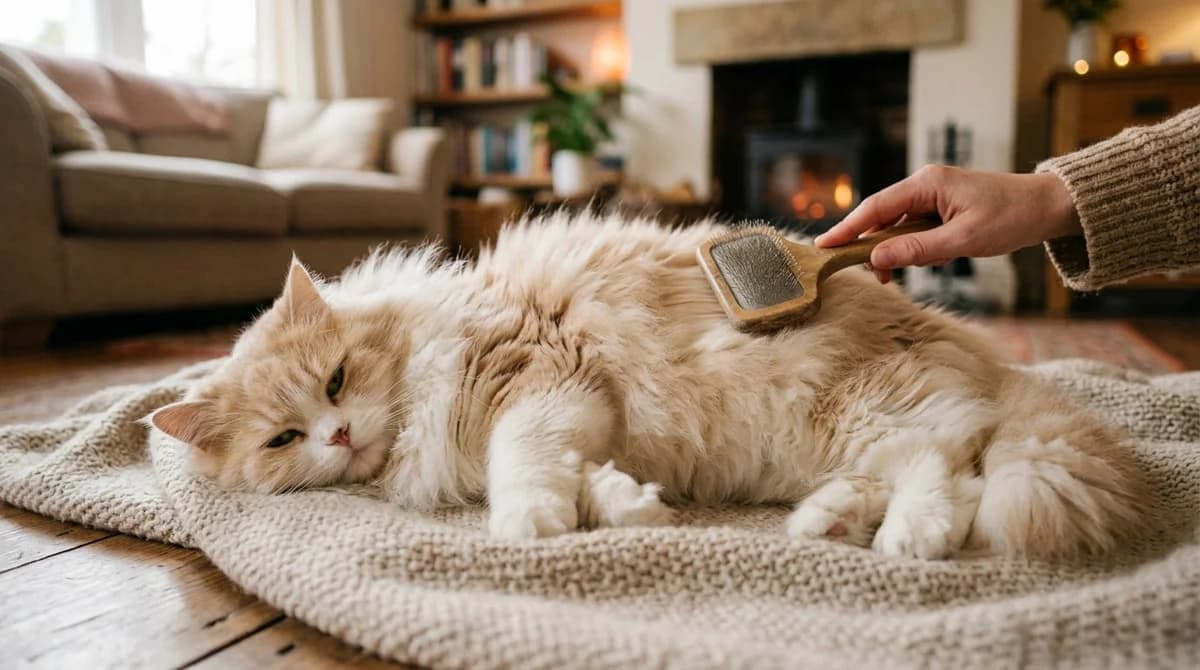
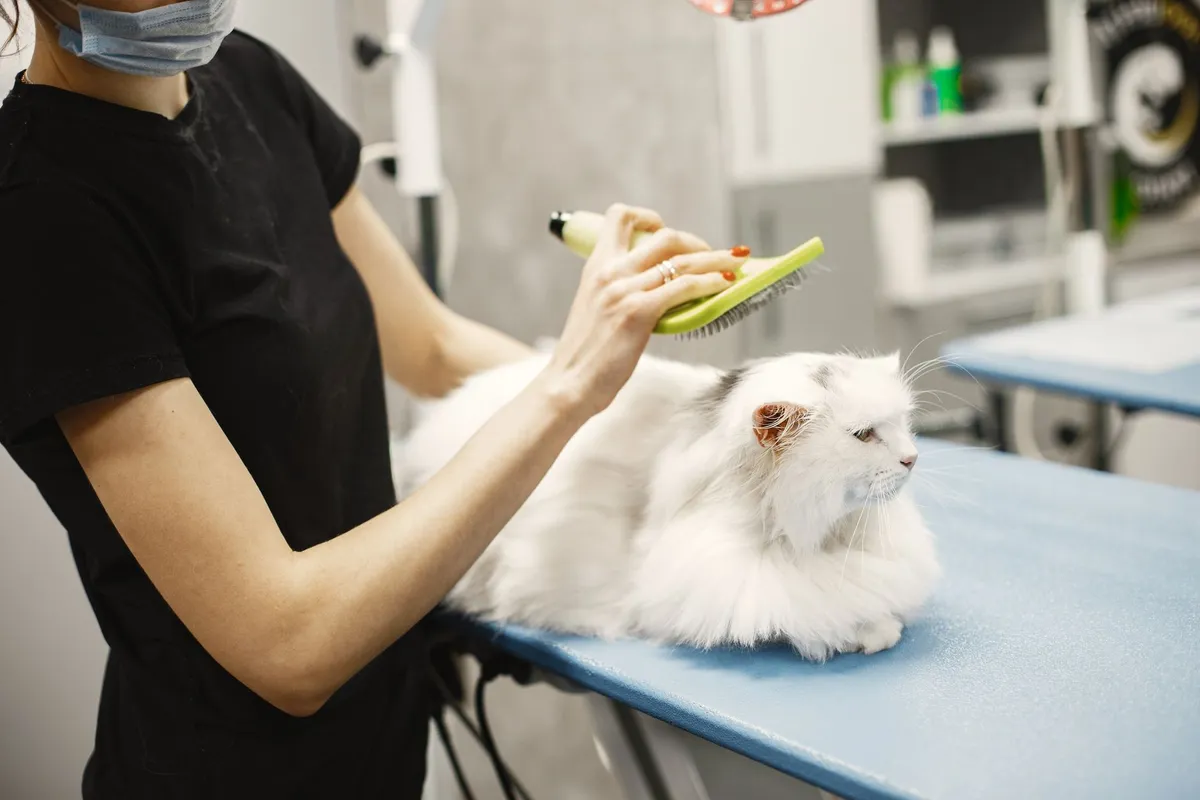
Brushing is the single most effective way to reduce the hair that ends up on furniture. When you brush, you capture loose fur before it falls. You also spread natural skin oils through the coat, which supports shine and keeps the skin healthy. And if you have a long-haired cat, consistent brushing means fewer hairballs — because less loose hair makes it into your cat's stomach in the first place.
Start with short sessions: two to five minutes is plenty for a beginner. Build up to three to five times a week for short-haired cats, and daily or every other day for long-haired cats. Pair brushing with treats or a calm, quiet room, and stop the moment your cat seems annoyed. Never force or restrain a cat for grooming — that teaches them to dread the brush. A few minutes of muttering and wiggling is normal; it's not a sign of pain unless you're digging too hard.
For step-by-step technique, see our guide on how to brush a cat's fur.
Picking the right brush for your cat's coat
Not every brush works for every coat. The table below maps the most common options:
| Brush type | Best for | How to use it |
|---|---|---|
| Slicker brush | Long and medium coats, mat-prone areas | Gently brush small sections, lifting fur to avoid pressing on skin |
| Bristle brush | Short, smooth coats | Stroke in the direction of hair growth, head to tail |
| Rubber curry | Short coats, sensitive cats, all coat types | Use light circular strokes; the rubber collects loose hair |
| Deshedding tool | Heavy shedders with a thick undercoat | Use lightly once or twice a week; don't press hard or drag over the same spot |
Choose a brush based on your cat's coat and tolerance. A short-haired tabby may be happy with a rubber curry; a ragdoll will probably need a slicker. Deshedding tools are great for reducing undercoat fur, but they can irritate skin if used too forcefully, so treat them like a finishing tool, not a daily routine.
A good rule of thumb: if your cat is wincing, flinching, or trying to leave, you're brushing too hard. You want to lift loose hair, not scratch.
Diet, omega-3s, and skin health
Coat quality starts on the inside. A cat needs enough high-quality protein to maintain hair and skin, and enough healthy fats to keep skin supple. Most commercial cat foods labeled "complete and balanced" deliver this, but the specific fatty acid profile matters. Omega-3 fatty acids — especially EPA and DHA — help support the skin's barrier and can reduce dryness, which in turn may mean less flaking and less hair loss.
Many premium wet and dry foods include fish-based sources of omega-3s. If you're curious about adding a supplement like fish oil, ask a veterinarian first. Human fish oil supplements can be dosed incorrectly or contain ingredients that aren't safe for cats, and extra supplements can cause digestive upset or weight gain. The best "anti-shedding" diet is one that meets all of your cat's needs, not one that promises zero hair.
Good food matters, but no food eliminates shedding. If you're choosing between wet and dry, know that wet food vs dry food — each has trade-offs — matters for hydration more than for fur count.
Hydration and humidity
Cats are descended from desert-dwelling ancestors and often don't drink enough water on their own. Mild dehydration can leave skin dry and flaky, and a dry coat is more likely to shed in visible clumps. Helping your cat stay hydrated is one of the gentlest ways to support a healthier coat.
Offer fresh water every day — many cats prefer running water, so a pet fountain can be a great investment. Wet food also boosts daily moisture intake; a cat eating canned food gets a significant portion of their water from meals. If your home is very arid, a humidifier in your main living space can reduce static in the coat and the crackly fur you see in winter. None of this will stop shedding, but it makes the fur that remains look and feel better.
Seasonal shedding and the "coat blow"
In the spring, many cats shed the heavy undercoat they grew over winter; in late fall, they may drop their lighter summer coat while preparing a thicker one. This is sometimes called "blowing coat" and can look dramatic — your cat might lose what feels like half a cat's worth of fur over a week or two. It's completely normal.
Indoor cats aren't as tied to seasons, but they can still respond to changing daylight. If you notice a heavier shed at certain times of year, treat it as a signal to brush a little more often during those windows. A few extra minutes a day now saves a pile of fur on your couch later.
When shedding seems excessive
Shedding alone rarely indicates a problem, but the pattern of shedding can be useful information. Pay attention to bald patches, thinning hair, a dull or matted coat, red or flaky skin, excessive scratching, or changes in your cat's behavior, appetite, or energy level alongside greater fur loss. Those signs — not the shedding itself — are worth investigating.
If your cat develops bald spots, broken hair, irritated skin, or you see a sudden increase in shedding with changes in eating, drinking, grooming, or energy levels, skip the extra brushing and book a veterinary visit. These changes can point to external parasites, allergies, hormonal imbalances, or other health issues that need proper diagnosis.
A sudden molt could also be linked to stress, pregnancy, or diet changes. If your cat seems otherwise healthy but the coating doesn't match their normal routine, a quick check-up provides peace of mind. Your vet can't "stop shedding," but they can identify conditions that increase it.
Frequently Asked Questions
How often should I brush my cat to reduce shedding?
Short-haired cats generally need brushing two to three times a week; long-haired cats do best with daily or every-other-day sessions. During heavy seasonal sheds, adding an extra session can make a big difference.
Do omega-3 supplements stop shedding?
No. Omega-3s may help skin health and reduce dry flakes, but they don't turn off the coat growth cycle. Always consult a veterinarian before adding any supplement, and use a product made specifically for cats.
Does shaving my cat reduce shedding?
No. Shaving removes the existing coat but doesn't stop new hair from growing, and it can interfere with natural temperature control. It also leaves skin vulnerable to sunburn. Only a veterinarian should recommend shaving for a medical reason.
What if my cat is shedding more than usual in spring?
That's often the classic seasonal "coat blow" and is perfectly normal. If you see bald patches, broken hair, or worrying changes in appetite or energy, contact your vet; otherwise, just increase brushing.
Key Takeaway
Reducing shedding is about managing it, not eliminating it. A consistent brushing routine, a complete and balanced diet with healthy fats, plenty of water, and a little patience during seasonal sheds will save your furniture and support your cat's coat. If you notice patches, skin changes, or other health signs alongside extra shedding, skip the grooming session and call your vet.
Share this guide
Help another cat parent find it.