The short answer
No — most cats do not need baths. A healthy cat is a fastidious self-groomer, spending a significant part of each day using its tongue and paws to keep its coat clean and free of loose fur. Bathing a cat "just because" can do more harm than good: it can strip natural oils, irritate sensitive skin, and create a stressful experience that makes future grooming harder. However, there are real exceptions. A cat that has rolled in something sticky, stepped in its own mess, or developed a greasy coat that brushing cannot fix may genuinely need water. A veterinarian may also recommend a specific bath for a medical condition. When a bath is necessary, preparation and calm technique make all the difference. This guide explains when to bathe your cat, when to skip it, and how to do it safely.
Why most cats keep themselves clean
A cat's tongue is covered in tiny, backward-facing barbs called papillae. These act like a natural comb: they catch loose fur, dirt, and debris as the cat licks, and they help spread natural oils evenly through the coat. Cats also use their paws to wipe their face and clean hard-to-reach areas. This grooming routine is why a typical indoor cat goes months — or a lifetime — without ever needing a full bath.
Regular bathing is not only unnecessary for most cats; it can be counterproductive. Shampoos, even gentle ones, remove the skin's natural oil barrier. If used too often, they can leave a cat with dry, flaky skin and a dull coat. Some cats also react to the smell of shampoo or the sensation of being wet and may become anxious, which can lead to hiding, hissing, or avoidance behaviors that outlast the bath itself. Once a cat decides baths are scary, every future bath becomes harder.
Another common misunderstanding: bathing is not an allergy solution. While some allergy-management programs have experimented with frequent bathing of cats, any effect on allergens is temporary, and the stress and skin issues caused by frequent washing are not worth it for most households. If allergies are a concern, talk to your doctor and veterinarian about strategies that do not involve regular baths.
When a bath is actually needed
As a practical rule, bathe your cat only when the coat is soiled in a way that brushing, wiping, or trimming cannot fix — or when your veterinarian specifically recommends it. Here is a quick decision guide:
| Situation | Bath needed? | Better first step |
|---|---|---|
| Dry dust or garden dirt | No | Let it dry, then brush thoroughly |
| Sticky substance in the fur (syrup, honey, paint) | Yes | Bathe only the affected spot with cat-safe shampoo |
| Litter or debris matted in long fur | Usually not | Trim the mat carefully; bathe only if residue remains |
| Oily or greasy coat | Maybe | Brush first; if the grease persists, a bath may help |
| Fleas on the coat | No | Use a veterinarian-recommended flea treatment; water won't fix a flea problem |
| Red, bald, or irritated skin | No | Stop and call your veterinarian before getting the cat wet |
If your cat's skin looks abnormal — red, swollen, flaky, or sore — a bath is not the first step. The problem could be an allergy, infection, or parasite, and the wrong shampoo can make it worse. Your veterinarian may prescribe a medicated shampoo for a specific condition, and in that case follow their instructions exactly, including how often to bathe and how long to let the product sit before rinsing.
How to bathe a cat, step by step
Bathing goes smoothly when everything is ready before the cat enters the room. Gather your supplies first, because a wet cat will not wait while you search for a towel.
Before you begin:
- Brush the coat to remove loose fur and tangles.
- Trim the claws (see how-to-trim-cat-claws-safely) to reduce scratching during the bath.
- Set out two large towels, a cup or pitcher, and a cat-specific shampoo diluted with water.
- Choose a sink or tub with a non-slip mat, and close the door to prevent escape.
The bath itself:
- Fill the tub with only a few inches of lukewarm water. Test it on the inside of your wrist; it should feel comfortably warm, never hot.
- Wet the cat gradually. Use the cup or a very low-pressure sprayer, starting at the back and shoulders. Avoid the head, ears, and eyes.
- Apply diluted cat shampoo. Gently work it into the coat with your fingers, avoiding vigorous scrubbing. Let it sit only as long as the product label allows.
- Rinse thoroughly. Leftover shampoo residue is a common cause of itching. Rinse until the water runs clear and the coat no longer feels soapy.
- Clean the face with a damp washcloth only. Never pour water over the head.
- Dry immediately. Wrap the cat in a towel, burrito-style, and gently blot. Keep the cat in a warm, draft-free room until fully dry. Most cats prefer to air-dry; if you use a blow dryer, keep it on the lowest heat and sound settings — but most cats will not tolerate it, so a towel and warm room are usually enough.
Enlist a second person if you can: one pair of hands holds and calms, the other washes. Short is better. If the cat becomes frantic, stop, dry quickly, and reassess rather than pushing through.
Safety first: never use human shampoo, dish soap, or products containing tea tree oil or other essential oils — several are toxic to cats. Never submerge a cat's head, and keep water out of the ears and nose. If your cat has any open wounds, redness, or skin irritation, call your veterinarian before bathing. And if the cat is severely stressed, stop the bath immediately: a dirty coat is safer than an injured cat or a bite.
Making bath time less stressful
Cats are creatures of habit, and water is not a normal part of their routine. You can lower the stress level with a little preparation. Start by letting your cat explore the empty tub or sink a few days before the bath, with treats and praise, so the space feels less threatening. On bath day, keep your voice low and calm, move slowly, and give a treat before, during, and after — even if only a few licks of a favorite squeeze treat. Some cats do better with a light towel wrap over the body while only the legs and belly get wet; others prefer to grip a towel laid on the bottom of the tub rather than a slippery surface.
Watch for early signs of distress, such as flattened ears, a thrashing tail, dilated pupils, or loud vocalizing. These are not misbehavior — they are signs the cat is overwhelmed. End the session early, dry the cat, and try a spot-clean or professional grooming instead.
Alternatives to a full bath
A full bath is the last resort, not the first tool. For most dirty-coat problems, a gentler option works:
- Cat grooming wipes remove surface dust and dander and are ideal for quick cleanups.
- Waterless (dry) shampoo made for cats can be massaged into the coat and brushed out. Avoid human dry shampoos, which contain ingredients not meant for cats.
- A warm, damp washcloth takes care of muddy paws, sticky patches, and accidents.
- Plain cornstarch brushed through the coat can absorb light grease, then be combed out completely.
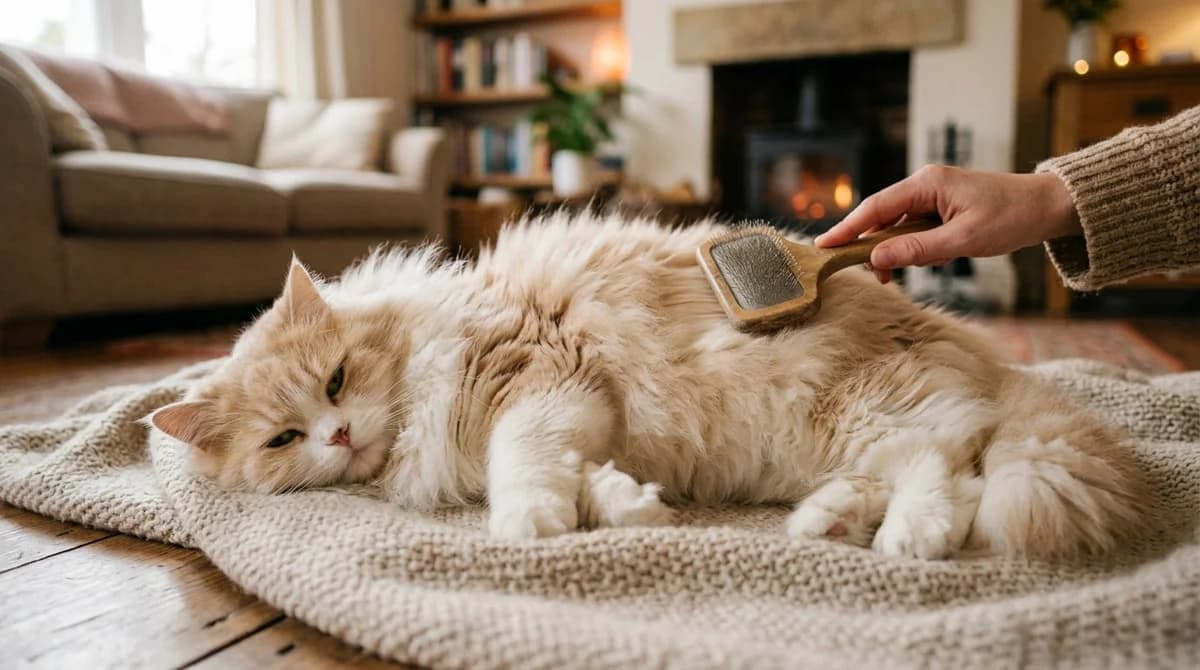
- Regular brushing is the real hero. A daily or weekly brushing routine prevents mats, distributes oils, and removes dirt before it ever needs water.
Frequently Asked Questions
How often do cats need a bath?
For most healthy cats, the answer is almost never — regular brushing replaces regular bathing. The exceptions are hairless breeds like the Sphynx, which need periodic gentle bathing to manage skin oils, and any cat whose veterinarian prescribes a medicated wash.
Can I use baby shampoo on my cat?
No. A cat's skin has a different pH than a human's, and human products — even mild baby shampoo — can disrupt it. Use a shampoo labeled specifically for cats.
My cat absolutely hates water. What are my options?
Skip the bath. Use grooming wipes, waterless shampoo, and spot cleaning for day-to-day messes. If a bath is truly necessary (for example, after contact with a toxic or sticky substance), consider a professional groomer with experience handling stressed cats, and always check with your vet first if the substance may be hazardous.
Should I bathe my cat after applying flea treatment?
Usually not. Bathing too soon after applying a topical flea product can wash the medication away or change how it works. Follow the product label, and if the label says nothing about bathing, wait at least 24 to 48 hours — or ask your veterinarian.
What temperature should the water be?
Lukewarm — around body temperature. Test it on the inside of your wrist before bringing the cat anywhere near the tub. Hot water burns; cold water chills.
Key Takeaway
Healthy cats do not need routine baths. Their own grooming system is efficient, and unnecessary washing can dry out the skin and create stress. Save baths for genuine messes and vet-recommended treatments, and when you do bathe, keep it quick, warm, and calm. Prepare supplies in advance, use only cat-safe shampoo, protect the head, and dry thoroughly. When in doubt, a gentle wipe, a good brushing, or a call to your veterinarian beats a stressful bath every time.
Share this guide
Help another cat parent find it.