The short answer
Caring for an older cat means adapting your home and daily habits to meet their changing needs. Senior cats—typically those over 7 to 10 years old—often experience reduced mobility, sensory changes, and a slower metabolism. By making simple adjustments like providing easy access to resources, gentle grooming, and a calm environment, you can help your cat enjoy their golden years comfortably.
Understanding Your Senior Cat
Cats age at different rates, but most are considered seniors by age 7 and geriatric by age 12. As your cat ages, you may notice they sleep more, play less, and become less tolerant of changes. They might also develop common age-related conditions like arthritis, dental disease, or kidney issues. While veterinary care is essential for diagnosing and managing these conditions, your daily care can significantly impact their quality of life.
Understanding the aging process helps you anticipate needs. For example, a cat with arthritis may struggle to jump onto furniture, so providing ramps or steps can prevent falls. A cat with reduced vision may benefit from keeping furniture in consistent positions. Recognizing these changes early allows you to adapt proactively, keeping your cat safe and comfortable.
Creating a Comfortable Environment
One of the most important things you can do is make your home senior-friendly. Think about your cat's physical limitations and adjust accordingly.
Easy Access to Essentials
Place food, water, and litter boxes in easily accessible locations. If your cat has mobility issues, avoid stairs. Consider providing multiple food and water stations on each floor of your home. Litter boxes should have low sides for easy entry, or you can cut a doorway in a high-sided box. Keep litter boxes clean and in quiet, private areas.
Cozy Resting Spots
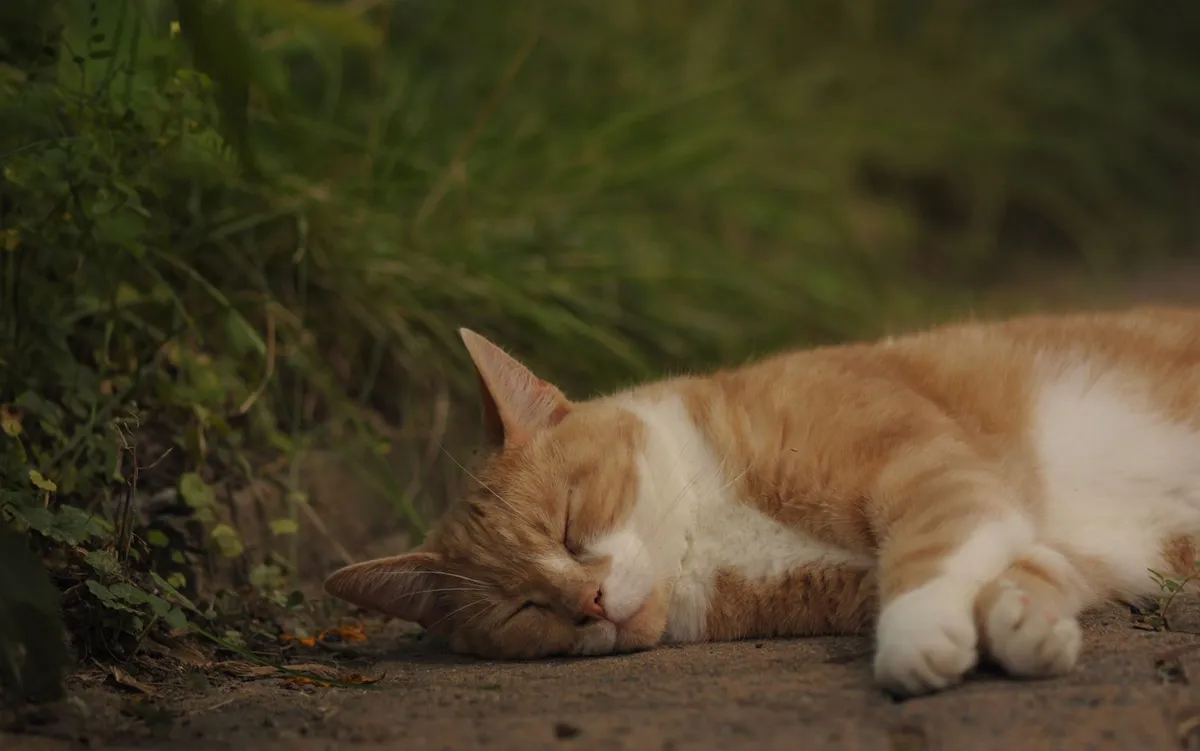
Senior cats sleep up to 20 hours a day. Provide soft, warm bedding in quiet, draft-free areas. Heated cat beds or pads can be soothing for achy joints. Ensure your cat can easily reach their favorite perches or window sills by adding steps or ramps. If your cat loves to look outside, place a comfortable bed near a window.
Adjusting Temperature
Older cats are more sensitive to temperature extremes. Keep your home at a comfortable temperature, and provide extra blankets in winter and cool, shaded spots in summer. Watch for signs of overheating or shivering. A cat who is too cold may seek out warm appliances, so ensure they have safe alternatives.
Reducing Stress
Changes in routine can be stressful for senior cats. Try to keep feeding, play, and litter box cleaning times consistent. If you need to introduce changes, do so gradually. Provide hiding spots where your cat can retreat when they feel overwhelmed. Pheromone diffusers may help create a calming atmosphere, but consult your vet before using them.
Daily Care Routines
Daily care is about consistency and gentleness. Here are some key aspects.
Grooming
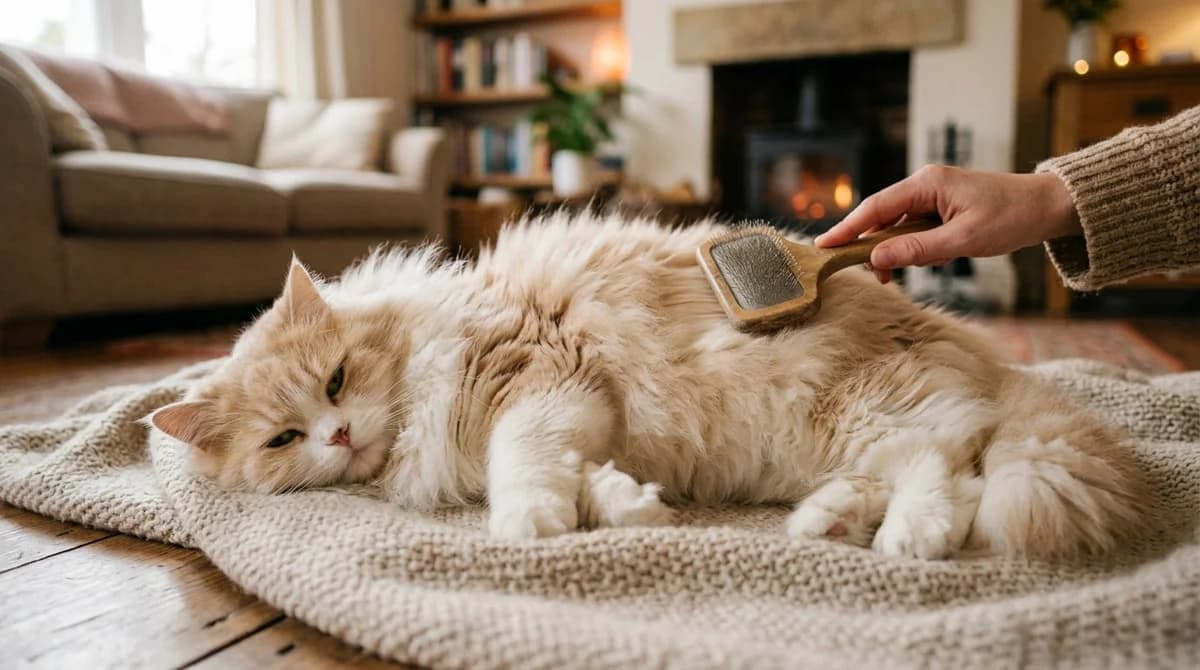
As cats age, they may groom themselves less effectively due to arthritis or dental pain. This can lead to matting and skin issues. Brush your cat regularly—daily if possible—using a soft brush appropriate for their coat. Pay extra attention to areas they can't reach, like the back and hindquarters. Regular brushing also reduces hairballs and helps you notice any lumps or skin problems early.
Dental Care
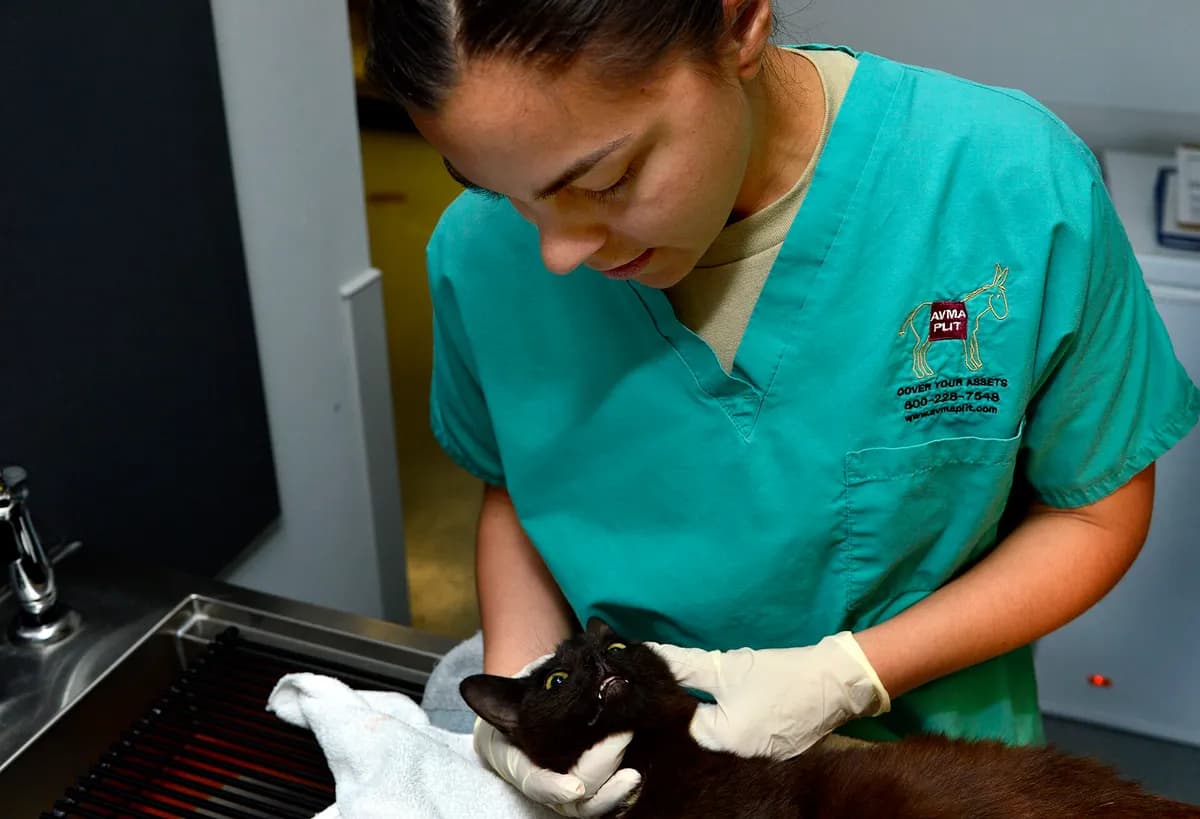
Dental disease is common in senior cats and can cause pain and systemic health issues. While professional cleanings require veterinary care, you can help by brushing your cat's teeth daily with a pet-safe toothpaste. If your cat resists, consider dental treats or toys, but always check with your vet first. Our step-by-step teeth-brushing guide walks through the full routine. Watch for signs like bad breath, red gums, or drooling, and report them to your vet.
Nail Trimming
Older cats may not wear down their nails as effectively. Check and trim your cat's nails regularly, typically every few weeks. Use proper cat nail trimmers and be careful not to cut the quick. If you're unsure, ask your vet or a groomer to show you.
Feeding and Hydration
Senior cats have different nutritional needs. They may need fewer calories but more protein to maintain muscle mass. Always consult your vet for specific dietary recommendations. Provide fresh water daily, and consider a water fountain to encourage drinking. Some senior cats prefer wet food, which also provides hydration. Place food in shallow bowls to accommodate any dental discomfort.
Litter Box Maintenance
Keep the litter box clean—scoop at least once a day and change the litter regularly. Senior cats may have accidents if the box is dirty or hard to access. Provide multiple boxes (at least one per cat plus one extra) in different locations. If your cat is having accidents, consult your vet to rule out medical issues.
Here’s a quick reference table for daily care tasks:
| Care Task | Frequency | Notes |
|---|---|---|
| Grooming | Daily | Use a soft brush; check for mats |
| Nail trimming | Every 2-4 weeks | If needed |
| Litter box scooping | At least once daily | More often if multiple cats |
| Fresh water | Daily | Consider a fountain |
| Feeding | Based on vet recommendation | Usually 2-3 meals |
| Play | Daily, short sessions | Tailor to energy level |
Mental and Emotional Well-being
Senior cats may become less active, but they still need mental stimulation. Provide gentle play sessions with toys that match their energy level. Interactive toys, puzzle feeders, and scratching posts can keep them engaged. Spend quiet time with your cat, offering gentle pets and affection. Some senior cats become more vocal; this could indicate pain or cognitive decline, so monitor changes.
Environmental Enrichment
Even if your cat is less active, they still enjoy looking out windows, birdwatching, and exploring. Create perches near windows, and provide a variety of textures and hiding spots. Rotate toys to keep things interesting. You can also use food-dispensing puzzles to encourage gentle activity.
Social Interaction
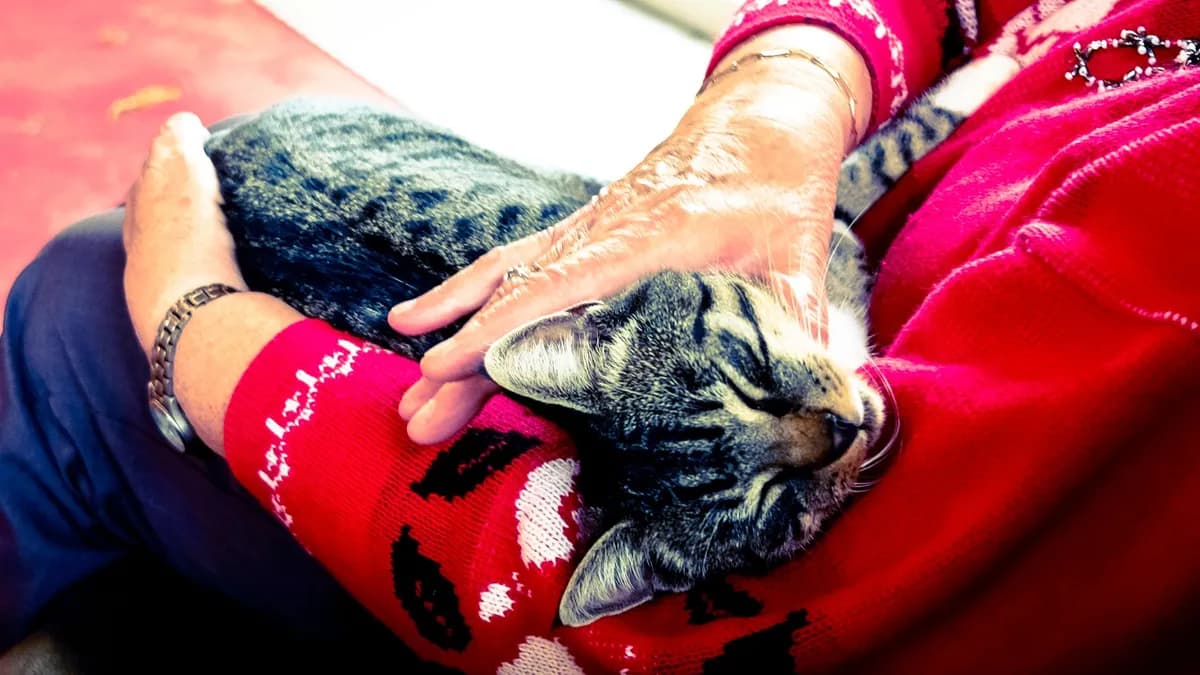
Maintain a predictable social routine. Some senior cats prefer quieter interactions, while others still enjoy lap time. Respect your cat’s boundaries and let them initiate contact. If you have other pets, ensure your senior cat has a safe space to retreat from younger, more energetic animals.
Monitoring Health Changes
As a cat parent, you're the first line of defense in noticing changes. Keep an eye out for:
- Changes in appetite or thirst
- Weight loss or gain
- Litter box habits (increased frequency, straining, or accidents)
- Mobility issues (stiffness, reluctance to jump)
- Changes in grooming or coat condition
- Increased vocalization or hiding
- Bad breath or drooling
Any sudden changes warrant a veterinary visit. Regular checkups—at least twice a year for seniors—are crucial for early detection of age-related diseases.
Always consult your veterinarian before making significant changes to your senior cat's diet, supplements, or exercise routine. If you notice signs of pain, difficulty breathing, or any sudden decline, seek veterinary care immediately. Never give human medications to your cat.
Frequently Asked Questions
How often should I take my senior cat to the vet?
Senior cats should have a veterinary checkup at least every six months. More frequent visits may be needed if your cat has chronic conditions.
What is the best diet for an older cat?
There's no one-size-fits-all answer. Senior diets are often lower in calories but higher in protein and certain nutrients. Your vet can recommend a diet based on your cat's health status, including any conditions like kidney disease or diabetes.
How can I help my cat with arthritis at home?
Provide easy access to resources, soft bedding, and consider ramps or steps. Heat therapy can help. Your vet may recommend joint supplements or medications, but always use them under veterinary guidance.
Why is my senior cat meowing more?
Increased vocalization could be due to cognitive decline, hearing loss, pain, or anxiety. It's important to have your cat examined to rule out medical causes.
How do I know if my cat is in pain?
Cats hide pain well. Signs may include changes in posture, decreased appetite, hiding, aggression when touched, or altered grooming. If you suspect pain, consult your vet.
Key Takeaway
Caring for an older cat is about adapting to their evolving needs with patience and love. By creating a comfortable environment, maintaining gentle daily routines, and monitoring their health closely, you can make your cat's senior years as pleasant and fulfilling as possible. Remember, regular veterinary care is the cornerstone of senior cat health, but your daily attention and care make all the difference.
Share this guide
Help another cat parent find it.